
In today’s data-driven world, understanding what people think, feel, and do is paramount for success. Whether you’re a burgeoning startup looking to understand your target market, a seasoned corporation seeking to gauge customer satisfaction, or even an individual aiming to refine your personal brand, the ability to gather accurate and actionable insights is a critical skill. This is where the survey technique comes into play, serving as a cornerstone for research, marketing, and even personal development.
At its core, a survey technique is a systematic method of collecting information from a sample of individuals to gain insights into a larger population. It’s about asking the right questions to the right people at the right time, and then analyzing their responses to uncover trends, preferences, opinions, and behaviors. Think of it as a conversation, but one that’s carefully designed to extract valuable data that can inform decisions across a multitude of domains, from the cutting edge of technology to the intricacies of personal finance and the strategic imperatives of brand building.
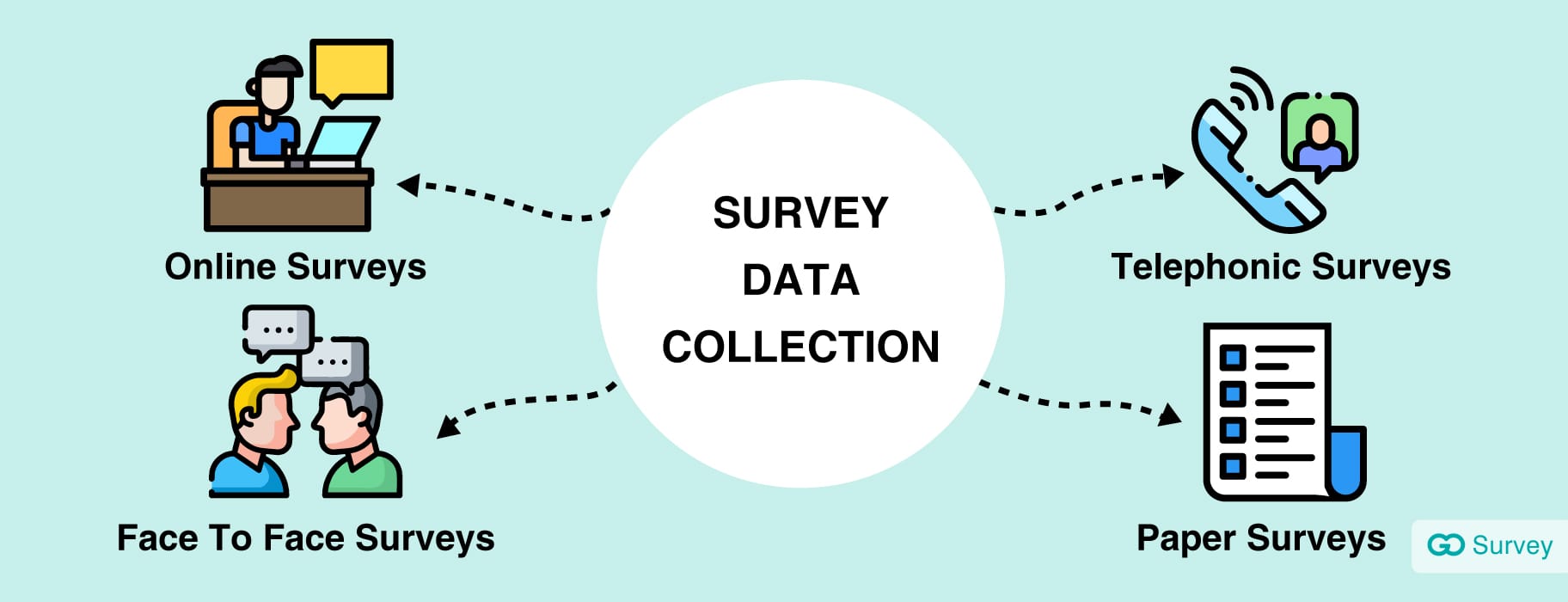
The scope of survey techniques is vast and continually evolving, especially with the integration of digital tools and AI. From simple questionnaires distributed online to sophisticated market research studies employing complex sampling methods, the fundamental goal remains the same: to understand. This article will delve into the multifaceted nature of survey techniques, exploring their relevance across the key pillars of technology, brand, and money, and illustrating how they empower informed decision-making in each area.
The Ubiquitous Role of Surveys in the Tech Landscape
Technology is arguably the most dynamic and rapidly changing sector, and its progress is intrinsically linked to understanding user needs and market demands. Survey techniques are indispensable tools for tech companies to navigate this landscape, from the inception of an idea to the refinement of a released product.
Understanding User Adoption and Preferences
Before a new app is launched or a revolutionary gadget hits the market, extensive research is conducted to understand potential user adoption and specific preferences. Surveys are crucial in this pre-development phase. By targeting potential user groups, tech companies can gather invaluable feedback on desired features, pain points with existing solutions, and price sensitivity. This feedback directly influences product roadmaps, feature prioritization, and even the core design of a technology. For instance, a survey might reveal that a significant portion of a target audience prioritizes battery life over processing power in a new smartphone, leading engineers to adjust their design specifications accordingly.
Furthermore, as technology evolves, so do user expectations. Post-launch surveys are vital for monitoring user satisfaction, identifying bugs or usability issues, and understanding how users are actually interacting with the technology. This continuous feedback loop allows for iterative improvements, ensuring that software updates address real user needs and that hardware designs are refined based on practical experience. AI-powered survey platforms can even analyze vast amounts of open-ended feedback from users, identifying recurring themes and sentiments that might be missed by manual analysis.
Gauging the Impact of Emerging Trends and AI Tools
The rapid advancement of AI tools, for example, necessitates understanding their perceived value and potential impact. Surveys can be used to gauge public opinion on the ethical implications of AI, understand the willingness of businesses to adopt AI solutions, and identify specific areas where AI is seen as most beneficial. For a company developing new AI-powered productivity tools, understanding which tasks users find most time-consuming and which AI solutions they are most interested in can be the difference between market success and failure.
Similarly, as new gadgets and apps emerge, surveys help assess their market fit. Are people interested in a wearable device that monitors stress levels? What kind of smart home technology is gaining traction? These questions are answered through targeted surveys, helping innovators and investors make informed decisions about where to allocate resources and what innovations to champion. The insights gleaned from these surveys directly fuel the iterative cycle of technological development and adoption.
Digital Security and Privacy Perceptions
In an era of increasing digital threats, understanding public perceptions of digital security and privacy is paramount. Surveys can explore user awareness of cybersecurity risks, their willingness to adopt new security measures, and their concerns about data privacy. This information is vital for tech companies developing security software, operating online platforms, and handling user data. By understanding these perceptions, companies can tailor their security protocols, communicate their privacy policies more effectively, and build trust with their user base. For instance, a survey might reveal that users are confused about how their data is being used, prompting a company to create clearer privacy dashboards and more accessible explanations of their data handling practices.
Survey Techniques for Building and Maintaining Strong Brands
In the competitive business world, a strong brand is a company’s most valuable asset. Survey techniques are fundamental to building, nurturing, and evolving brands that resonate with their target audiences and stand out in the marketplace.
Understanding Target Audiences and Market Segmentation

The foundation of any successful brand strategy lies in a deep understanding of the target audience. Surveys are instrumental in identifying and profiling these audiences. Through demographic, psychographic, and behavioral questions, brands can gain insights into who their customers are, what their needs and desires are, and how they make purchasing decisions. This information is crucial for segmenting the market effectively and tailoring marketing messages, product development, and customer service to specific groups. For example, a clothing brand might conduct surveys to understand the fashion preferences and lifestyle choices of different age groups and income brackets to design and market its collections appropriately.
Measuring Brand Awareness, Perception, and Equity
Once a brand is established, it’s essential to track its health and perception in the market. Surveys are the primary tool for measuring brand awareness (how familiar people are with a brand), brand perception (what people think and feel about a brand), and ultimately, brand equity (the overall value and strength of a brand). By asking questions about recall, associations, and attitudes towards a brand, companies can identify areas of strength and weakness. This data can inform brand positioning, messaging adjustments, and marketing campaign effectiveness. A consistent decline in positive brand perception might signal a need for a brand refresh or a change in marketing strategy.
The Role of Design and Case Studies in Brand Perception
Design is a critical component of brand identity, and surveys can help assess the effectiveness of visual elements, logos, and overall aesthetic. For instance, a company might test different logo designs with its target audience to see which evokes the desired emotional response and brand associations. Case studies, on the other hand, provide tangible proof of a brand’s value and impact. Surveys can be used to gather feedback on case studies themselves – are they compelling? Do they clearly demonstrate the brand’s benefits? This feedback helps refine marketing materials and ensures that the stories being told about the brand are resonating with potential clients.
Reputation Management and Crisis Communication
In the digital age, a brand’s reputation can be built or shattered in an instant. Survey techniques play a vital role in proactive reputation management and responsive crisis communication. By regularly monitoring public sentiment through surveys, companies can identify potential issues before they escalate into full-blown crises. If negative sentiment begins to emerge around a particular product or company practice, surveys can help understand the root cause and the extent of the problem. During a crisis, surveys can gauge public reaction to communication efforts and inform the strategy for rebuilding trust and repairing the brand’s image.
Survey Techniques for Navigating the World of Money and Finance
From personal budgeting to large-scale investment strategies, understanding financial behaviors, attitudes, and knowledge is crucial. Survey techniques offer a powerful lens through which to examine these aspects, impacting individual financial well-being and the broader economic landscape.
Understanding Personal Finance Habits and Needs
For individuals seeking to improve their financial literacy or for institutions aiming to provide better financial products and services, understanding personal finance habits is key. Surveys can uncover how people budget, save, invest, and manage debt. They can identify common financial challenges, such as a lack of emergency savings or difficulty with retirement planning, and inform the development of educational resources or financial tools designed to address these needs. For example, a financial advisor might use surveys to understand the risk tolerance and investment goals of their clients, allowing them to create personalized financial plans.
Gauging Investor Sentiment and Market Trends
In the realm of investing, understanding investor sentiment is a critical predictor of market movements. Surveys of individual and institutional investors can provide valuable insights into their confidence levels, their preferred asset classes, and their outlook on the economy. This data can inform investment strategies for individuals and provide a pulse on market dynamics for financial institutions. For instance, a surge in surveys indicating a bullish sentiment among retail investors might be an early indicator of a market rally, while a widespread feeling of caution could signal an impending downturn.
The Rise of Online Income and Side Hustles
The growing popularity of online income streams and side hustles has created new avenues for financial exploration. Surveys can help map the landscape of this evolving economy. They can identify the most popular side hustles, the income potential associated with different online ventures, and the motivations behind individuals pursuing these opportunities. For entrepreneurs and platforms facilitating online work, understanding these trends through surveys is essential for optimizing their offerings and identifying emerging opportunities. For example, a platform for freelance writers might survey its users to understand the types of projects they are most interested in and the rates they are willing to accept.

Financial Tools and User Experience
The effectiveness of financial tools, whether they are budgeting apps, investment platforms, or online banking services, hinges on their user experience. Surveys are vital for gathering feedback on the usability, functionality, and overall satisfaction with these tools. By understanding what users like and dislike about a particular financial app, developers can make targeted improvements, leading to higher adoption rates and greater user engagement. This iterative process, guided by survey insights, ensures that financial technology evolves to meet the practical needs of its users, making personal finance more accessible and manageable for everyone.
In conclusion, the survey technique is far more than just a method for collecting data; it’s a sophisticated art and science that underpins progress and informed decision-making across the vital sectors of technology, brand, and money. By mastering the principles of effective survey design and analysis, individuals and organizations can unlock a wealth of insights, driving innovation, building stronger brands, and fostering greater financial literacy and well-being in an increasingly complex world.
aViewFromTheCave is a participant in the Amazon Services LLC Associates Program, an affiliate advertising program designed to provide a means for sites to earn advertising fees by advertising and linking to Amazon.com. Amazon, the Amazon logo, AmazonSupply, and the AmazonSupply logo are trademarks of Amazon.com, Inc. or its affiliates. As an Amazon Associate we earn affiliate commissions from qualifying purchases.