
In the 21st century, the concept of a “supermarket” has evolved dramatically. While its core function – offering a vast array of goods under one roof for convenient purchase – remains, the modern supermarket is increasingly intertwined with technology, strategic branding, and innovative financial models. Far from being just a place to buy milk and bread, today’s supermarket is a dynamic ecosystem that leverages digital trends, cultivates a powerful brand presence, and navigates complex financial landscapes. This article will explore the multifaceted nature of the modern supermarket, examining how technology, branding, and finance are reshaping its very definition and operational efficacy.

The Evolving Digital Landscape of the Supermarket
The most significant transformation in the supermarket realm is undoubtedly driven by technology. What was once a purely brick-and-mortar experience is now a hybrid model, seamlessly blending physical stores with robust online presences. This digital evolution touches every aspect of the supermarket, from inventory management to customer engagement.
Technology Trends Shaping the Checkout Counter
The traditional checkout counter, a symbol of the retail experience, is undergoing a radical makeover thanks to technology.
The Rise of Self-Checkout and Contactless Payments
Self-checkout kiosks have moved from a novelty to a standard feature in most supermarkets. These machines empower shoppers to scan their own items, significantly reducing wait times and freeing up human staff for more customer-facing roles. The technology behind these kiosks has become increasingly sophisticated, incorporating barcode scanning, weighing scales, and intuitive touchscreens.
Complementing self-checkout is the widespread adoption of contactless payment methods. Credit cards with tap-to-pay functionality, mobile wallets like Apple Pay and Google Pay, and even QR code payments are becoming the norm. This shift not only offers convenience but also enhances security and efficiency, reducing the need for physical cash handling.
AI and Data Analytics: The Invisible Hand of the Supermarket
Beyond the visible technology, artificial intelligence (AI) and data analytics are quietly revolutionizing supermarket operations. AI algorithms are employed for a multitude of purposes:
- Inventory Management: AI can predict demand with uncanny accuracy, optimizing stock levels, minimizing waste, and ensuring popular items are always available. This prevents stockouts and reduces the financial burden of excess inventory.
- Personalized Recommendations: By analyzing past purchases and browsing behavior, AI can offer tailored product recommendations to individual customers, both in-store (via apps) and online. This fosters customer loyalty and drives sales.
- Dynamic Pricing: AI can adjust prices in real-time based on factors like demand, competitor pricing, and even the time of day, maximizing profitability.
- Fraud Detection: In both physical and online transactions, AI plays a crucial role in identifying and preventing fraudulent activities, protecting both the supermarket and its customers.
Apps and Digital Platforms: Extending the Supermarket Experience
The supermarket’s reach now extends far beyond its physical walls, thanks to dedicated mobile applications and e-commerce platforms. These digital storefronts offer:
- Online Grocery Shopping: Customers can browse aisles virtually, add items to their carts, and schedule deliveries or pick-ups at their convenience. This is a game-changer for busy individuals, those with mobility issues, or anyone seeking ultimate convenience.
- Loyalty Programs and Digital Coupons: Apps are the central hub for loyalty programs, offering personalized discounts, rewards points, and digital coupons that can be redeemed directly at checkout, both online and in-store.
- Recipe Integration and Meal Planning: Many apps now integrate recipes, allowing users to add all the necessary ingredients for a chosen dish directly to their shopping cart. This simplifies meal planning and encourages exploration of new products.
- Customer Feedback and Support: Apps provide an easy channel for customers to leave feedback, report issues, and access customer support, fostering a more responsive and customer-centric approach.
Digital Security: Protecting the Data Highway
As supermarkets increasingly rely on digital transactions and customer data, robust digital security becomes paramount. Protecting sensitive information like payment details, personal addresses, and purchase histories is crucial for maintaining customer trust and complying with data privacy regulations. This involves implementing strong cybersecurity measures, encryption protocols, and regular security audits.
The Art and Science of Supermarket Branding
In a competitive retail landscape, a strong brand identity is no longer a luxury but a necessity for supermarkets. Branding goes beyond a logo and catchy slogan; it encompasses the entire customer experience, from the store’s atmosphere to its product sourcing and ethical practices.
Crafting a Distinctive Corporate Identity
A supermarket’s corporate identity is its personality. It’s what makes it memorable and sets it apart from its rivals. This identity is built through consistent messaging, visual elements, and a clear articulation of its values.
Design and Store Aesthetics: The First Impression
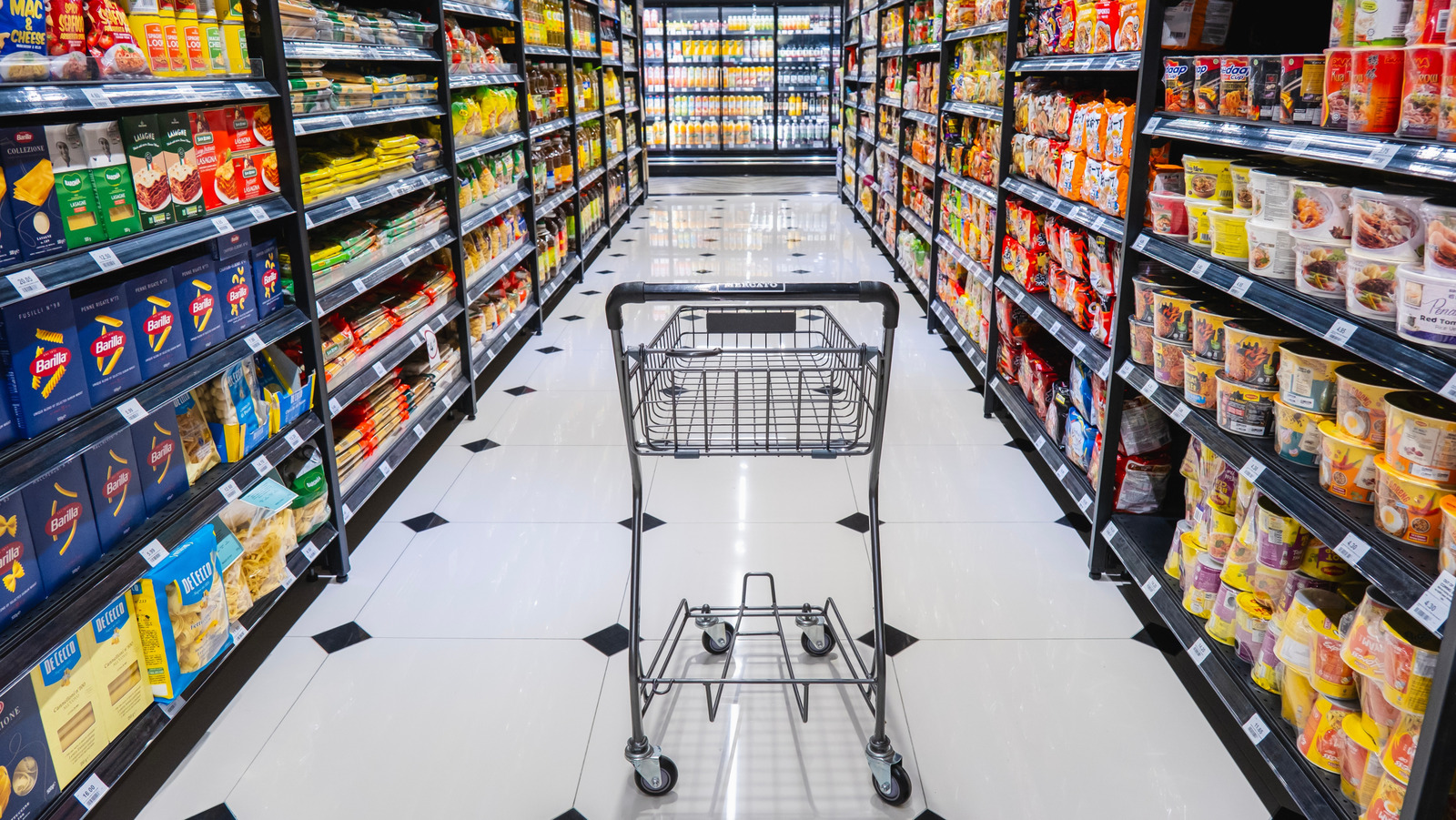
The physical design of a supermarket plays a significant role in its brand perception. From the layout and lighting to the signage and product displays, every element contributes to the overall atmosphere. Modern supermarkets often invest in aesthetically pleasing designs that evoke a sense of freshness, cleanliness, and quality. This might include natural wood accents, vibrant produce displays, and well-organized aisles that encourage exploration.
Marketing and Advertising: Telling the Brand Story
Effective marketing and advertising are essential for communicating a supermarket’s brand message. This can take various forms:
- Traditional Advertising: Television commercials, radio spots, and print advertisements still play a role in reaching a broad audience.
- Digital Marketing: Social media campaigns, search engine optimization (SEO), and targeted online advertising help supermarkets connect with specific demographics and promote their offers.
- Content Marketing: Creating valuable content such as recipe blogs, nutritional advice, or sustainable living tips can position a supermarket as an authority and build trust with consumers.
Building Reputation Through Values and Case Studies
A supermarket’s reputation is built not only on what it sells but also on what it stands for. Consumers are increasingly conscious of a brand’s ethical practices, environmental impact, and community involvement.
Brand Strategy: Beyond Just Selling Products
A well-defined brand strategy ensures that all aspects of the supermarket’s operations align with its core values and target audience. This might involve focusing on:
- Affordability: Brands that emphasize value for money will highlight competitive pricing and budget-friendly options.
- Quality and Premium Offerings: Brands that target a discerning clientele will focus on organic produce, artisanal products, and gourmet selections.
- Health and Wellness: Supermarkets prioritizing health might offer a wide range of fresh, organic, and specialized dietary products.
- Sustainability and Ethical Sourcing: Brands committed to these principles will highlight their efforts in reducing waste, supporting local farmers, and ensuring fair labor practices.
Case Studies in Brand Success
Examining successful supermarket brands reveals a common thread: a clear understanding of their target market and a consistent delivery on their brand promise. For instance, a supermarket that champions local produce will consistently feature these items, partner with local farms, and communicate this commitment through all its marketing channels. This creates an authentic and compelling narrative that resonates with consumers seeking to support their communities.
The Financial Dynamics of the Modern Supermarket
Supermarkets operate within a complex financial ecosystem, constantly seeking to maximize profitability while offering value to consumers. This involves astute business finance, innovative income streams, and effective personal finance strategies for customers.
Navigating Business Finance and Investment
The financial health of a supermarket is crucial for its survival and growth. This involves careful management of revenue, expenses, and strategic investments.
Online Income Streams and Side Hustles for Customers
The digital revolution has opened up new avenues for income generation, both for supermarkets themselves and for their customers. Supermarkets can leverage their platforms to:
- Facilitate Third-Party Delivery Services: Partnering with external delivery companies can create an additional revenue stream while expanding reach.
- Offer Subscription Boxes: Curated boxes of specialty items, meal kits, or seasonal produce can provide a predictable and recurring income.
- Sell Private Label Brands: Developing and marketing their own brands allows supermarkets to control margins and build brand loyalty.
For consumers, the supermarket can become a platform for their own “side hustles.” This might include:
- Becoming a Local Food Vendor: Small producers can sell their artisanal products through supermarket partnerships.
- Participating in Loyalty Programs: Maximizing rewards points and cashback offers can significantly reduce a household’s grocery bill, effectively increasing disposable income.
- Utilizing Discount and Coupon Apps: Savvy shoppers can leverage technology to find the best deals, turning grocery shopping into a strategic financial activity.
Financial Tools for Smart Shopping
The modern supermarket empowers consumers with a range of financial tools to make informed purchasing decisions.
Personal Finance and Budgeting
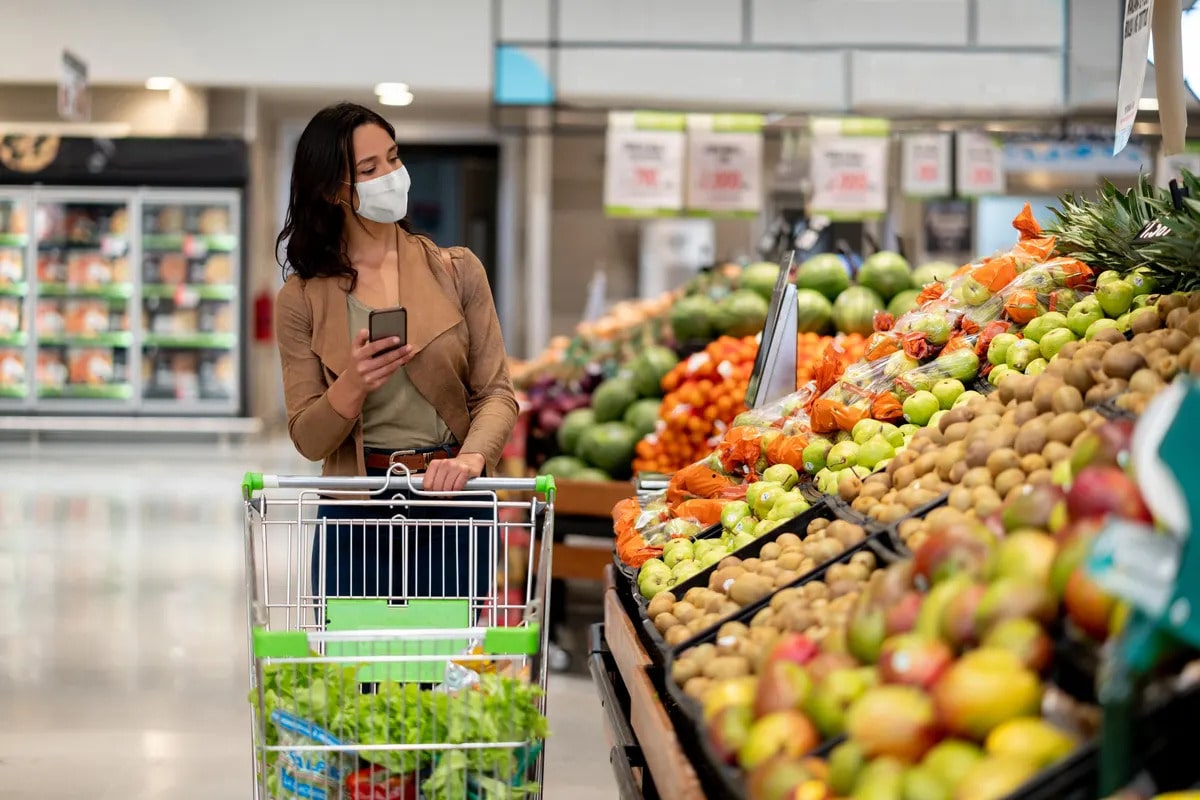
Supermarket apps and websites often include features that assist with personal finance and budgeting. This can include:
- Spending Trackers: Users can monitor their grocery expenditures over time, identifying areas where they can cut back.
- Budgeting Tools: Setting weekly or monthly grocery budgets and receiving alerts when approaching limits.
- Price Comparison Tools: While not always built into the supermarket’s own platform, the availability of multiple online retailers and comparison apps allows consumers to find the best prices.
Investing in Consumer Goods and Brands
While not a direct investment, understanding the financial dynamics of the supermarket industry can influence consumer behavior. For example, recognizing the value of private label brands or the growth of the organic food sector can inform purchasing decisions that align with personal financial goals, such as seeking higher value or investing in healthier options.
In conclusion, the “supermarket” of today is a far cry from its predecessors. It is a technologically driven, brand-conscious, and financially astute entity that plays a vital role in our daily lives. By embracing digital innovation, cultivating a strong brand identity, and navigating complex financial landscapes, supermarkets are continuously evolving to meet the demands of the modern consumer, offering convenience, value, and an increasingly personalized shopping experience.
aViewFromTheCave is a participant in the Amazon Services LLC Associates Program, an affiliate advertising program designed to provide a means for sites to earn advertising fees by advertising and linking to Amazon.com. Amazon, the Amazon logo, AmazonSupply, and the AmazonSupply logo are trademarks of Amazon.com, Inc. or its affiliates. As an Amazon Associate we earn affiliate commissions from qualifying purchases.