
A subpoena is a powerful legal document that compels an individual or entity to appear in court or to produce specific documents or evidence. In essence, it’s a court order, issued under the authority of a judge, demanding compliance. While the term “subpoena” might conjure images of dramatic courtroom scenes, its applications are far broader, touching upon various aspects of our increasingly digital and interconnected lives. Understanding what a subpoena is, why it’s issued, and the implications of receiving one is crucial for navigating the legal landscape, whether you’re an individual, a business owner, or a tech enthusiast.
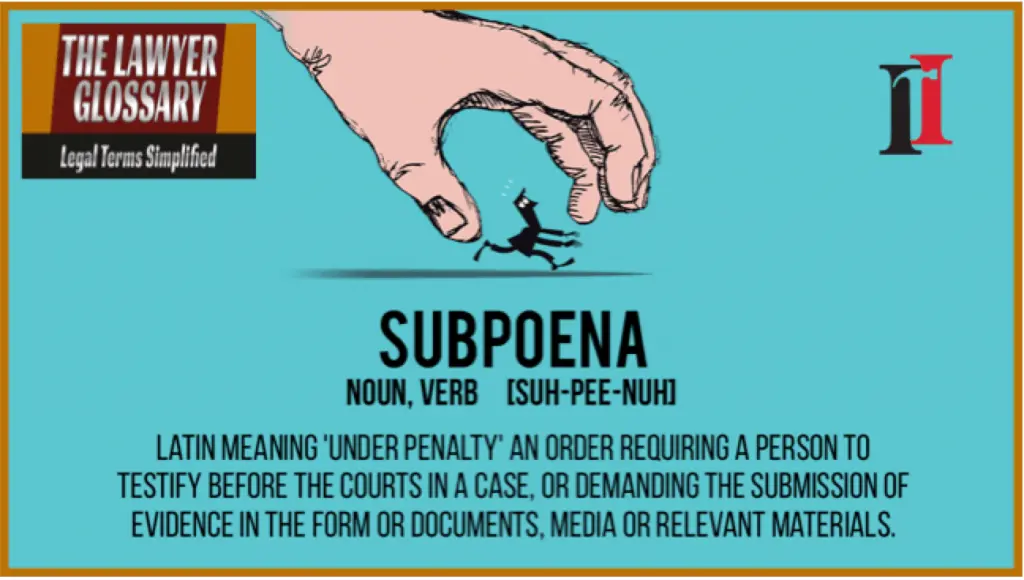
The core function of a subpoena is to ensure that all relevant information is available to the court or to parties involved in a legal proceeding. This information can range from witness testimony to financial records, digital communications, or even the physical evidence required to prove or disprove a claim. Its power stems from the judicial system’s inherent need for truth-finding and due process. Without the ability to compel individuals and organizations to provide information, legal battles could become exercises in speculation and guesswork, undermining the very foundations of justice.
The roots of the subpoena can be traced back to ancient legal traditions, demonstrating its long-standing importance in legal systems. The principle of compelling evidence is fundamental to ensuring fairness and allowing both sides of a dispute to present their case comprehensively. In modern times, with the explosion of data and the complexity of legal disputes, subpoenas have become even more critical. They are not limited to criminal investigations but are frequently used in civil litigation, administrative hearings, and even in certain regulatory inquiries.
Understanding the Different Types of Subpoenas
While the general concept of a subpoena is straightforward, there are distinct types, each with its own purpose and scope. Recognizing these differences is key to understanding how a subpoena functions within a legal context. The two most common categories are the subpoena ad testificandum and the subpoena duces tecum.
Subpoena Ad Testificandum: The Witness Summons
The subpoena ad testificandum is perhaps the most commonly understood type of subpoena. Its Latin translation, “to testify,” clearly indicates its purpose: to compel an individual to appear and provide oral testimony under oath. This type of subpoena is issued when a person is believed to possess knowledge or information relevant to a legal case.
Who typically receives a subpoena ad testificandum?
- Witnesses to an event: If you were present during an incident that led to a legal dispute, you might be subpoenaed to recount what you saw or heard.
- Experts: In cases requiring specialized knowledge, experts in fields like medicine, engineering, or finance may be subpoenaed to offer their professional opinions.
- Parties to a lawsuit: While parties are often involved in the legal process voluntarily, a subpoena can be used to ensure their appearance at depositions, hearings, or trials if they are uncooperative.
- Individuals with relevant personal knowledge: This could include former employees, customers, or anyone who might have interacted with the parties involved in a way that’s pertinent to the case.
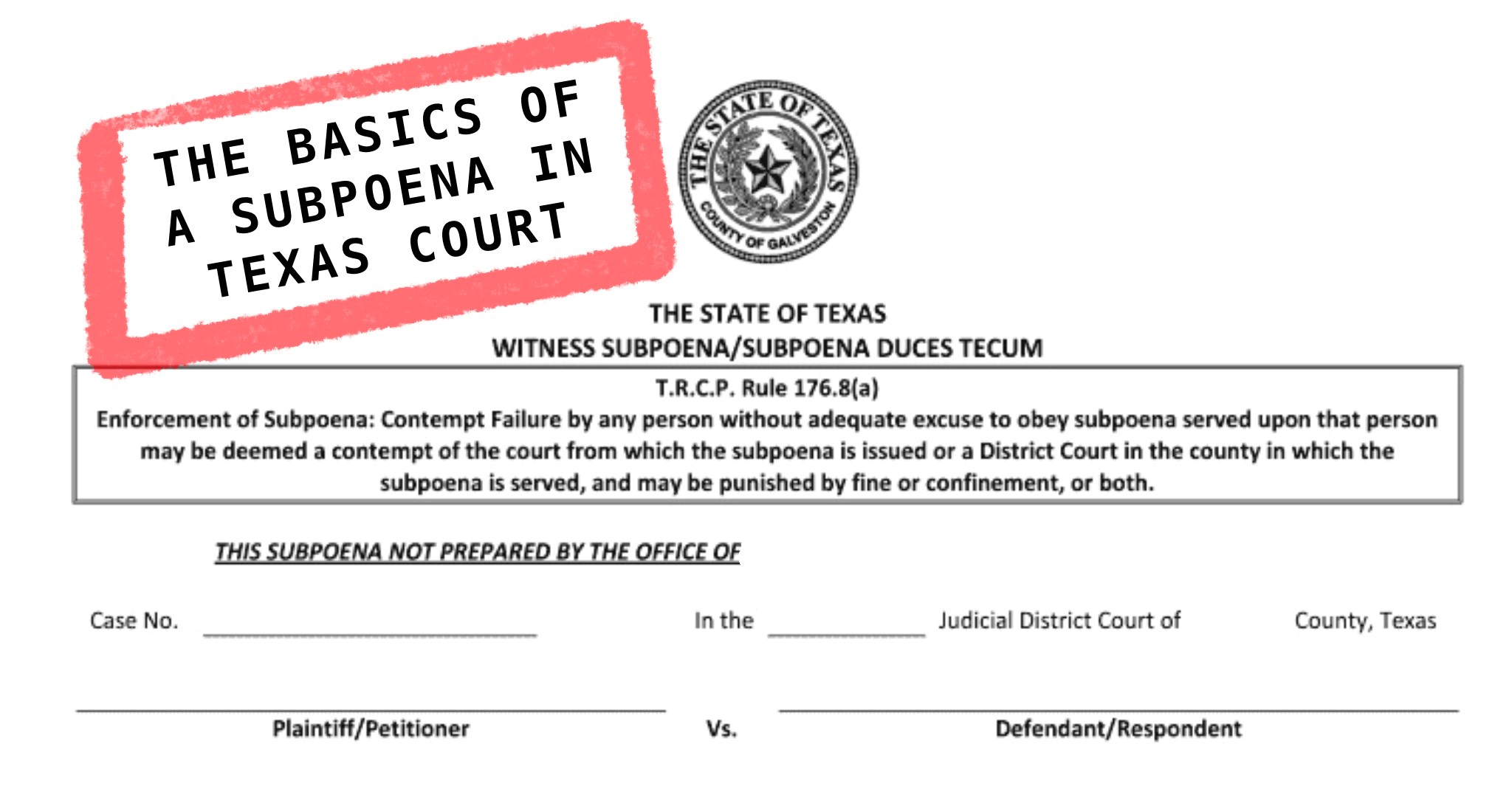
The subpoena ad testificandum specifies the date, time, and location where the individual must appear. It also often indicates the court or deposition where the testimony will take place. Failure to appear without a valid legal excuse can result in serious consequences, including fines or even contempt of court charges.
Subpoena Duces Tecum: The Document Demand
The subpoena duces tecum, meaning “bring with you under penalty,” is a subpoena that commands the recipient to produce specific documents, records, or other tangible evidence. This type of subpoena is invaluable when the outcome of a case hinges on documentary proof.
What kinds of materials can be requested through a subpoena duces tecum?
- Financial records: Bank statements, invoices, tax returns, accounting ledgers, and other financial documents are frequently requested in both civil and criminal cases, especially those involving fraud, business disputes, or personal finance matters.
- Business records: Contracts, corporate minutes, employee records, marketing materials, and operational documents can be vital in understanding business practices and liabilities.
- Digital communications: Emails, text messages, social media posts, chat logs, and other electronic records are increasingly becoming central to legal investigations. This is where the intersection with Tech becomes particularly pronounced.
- Medical records: In personal injury cases, disability claims, or criminal matters involving assault, medical histories and treatment records are essential.
- Physical evidence: This can include photographs, videos, product samples, or any other physical item that might be relevant to the case.
The subpoena duces tecum must clearly describe the documents or evidence to be produced, including dates, categories, or specific identifiers. The recipient is expected to gather and deliver these items by the specified deadline, often to the issuing attorney’s office or directly to the court.
The Role of Subpoenas in Different Legal Contexts
The application of subpoenas extends across various legal arenas, demonstrating their versatility and indispensability in the pursuit of justice. Their impact can be felt in everything from routine business dealings to complex technological investigations.
Civil Litigation and Disputes

In civil lawsuits, subpoenas are routinely used by attorneys for both plaintiffs and defendants. They are essential tools for gathering evidence to support claims or defenses.
- Discovery Phase: The discovery phase of civil litigation is where parties exchange information and evidence. Subpoenas are a primary mechanism for obtaining information from non-parties who possess relevant evidence. This could involve a business’s internal documents or a former employee’s testimony regarding a contractual dispute.
- Personal Injury Cases: When someone is injured due to the alleged negligence of another, subpoenas can be used to obtain medical records, accident reports, witness statements, and employment records to establish fault and damages.
- Business Disputes: In cases involving breach of contract, intellectual property disputes, or shareholder disagreements, subpoenas can be used to collect financial statements, internal communications, project documentation, and other business-critical information. The Brand and Money categories on this website would often see subpoenas playing a significant role in these disputes. For instance, a company might subpoena competitor marketing materials to prove false advertising, or financial institutions might be subpoenaed for transaction records in a fraud investigation.
Criminal Investigations
Law enforcement agencies and prosecutors rely heavily on subpoenas to build their cases against criminal suspects.
- Gathering Evidence: Subpoenas can be used to obtain phone records, bank statements, social media data, and other digital evidence from third-party providers like telecommunication companies and internet service providers. This is a prime example of how Tech intersects with legal processes. Law enforcement might subpoena data from cloud storage providers or social media platforms to track a suspect’s movements or communications.
- Witness Testimony: Individuals who may have witnessed a crime or possess information relevant to an investigation are often compelled to testify via subpoena. This ensures that crucial eyewitness accounts are not missed.
- Corroborating Evidence: Subpoenas can help gather evidence that corroborates or refutes a suspect’s alibi or statements, strengthening the prosecution’s case or supporting the defense.
Administrative and Regulatory Proceedings
Beyond the courtroom, subpoenas are also utilized by government agencies and regulatory bodies for oversight and enforcement purposes.
- Investigations: Agencies like the Federal Trade Commission (FTC) or the Securities and Exchange Commission (SEC) can issue subpoenas to investigate potential violations of laws and regulations. This might involve demanding business records, financial reports, or testimony from individuals involved in the regulated industry.
- Compliance Audits: When an organization is undergoing an audit or investigation to ensure compliance with specific industry standards or laws, subpoenas can be used to access necessary documentation and personnel. This is particularly relevant in areas governed by Money regulations or Brand protection laws.
Receiving and Responding to a Subpoena
The receipt of a subpoena can be unsettling, but it’s essential to approach it with a clear understanding of your obligations and rights. Improper handling of a subpoena can lead to legal repercussions.
Your Obligations and Potential Consequences
When you receive a valid subpoena, you generally have a legal obligation to comply. This typically means:
- Appearing for Testimony: If it’s a subpoena ad testificandum, you must appear at the specified time and place to give your testimony under oath.
- Producing Documents: If it’s a subpoena duces tecum, you must gather and produce the requested documents or evidence by the deadline. This requires a diligent search for all responsive items.
- Being Truthful: Whether testifying or providing documents, you are legally obligated to be truthful and accurate. Providing false information can have severe consequences, including perjury charges.
Consequences of non-compliance can include:
- Contempt of Court: A judge can find you in contempt of court for willfully ignoring a subpoena, which can result in fines, a jail sentence, or both.
- Sanctions: In civil cases, failure to comply can lead to monetary sanctions imposed by the court.
- Adverse Inferences: In some situations, a judge might draw an adverse inference against a party who failed to produce evidence, meaning the judge might assume the withheld evidence would have been unfavorable to that party.
When and How to Seek Legal Counsel
While not every subpoena necessitates immediate legal representation, there are situations where consulting an attorney is highly advisable:
- Vague or Overly Broad Requests: If the subpoena is unclear about what is being requested, or if it demands an unreasonable amount of information that would be unduly burdensome to produce, an attorney can help you seek clarification or quash the subpoena.
- Confidential or Privileged Information: If the subpoena requests information that is protected by attorney-client privilege, doctor-patient privilege, or other forms of legal or ethical confidentiality, you should immediately consult an attorney. Attempting to produce such information without proper legal guidance can lead to a waiver of that privilege.
- Potential for Self-Incrimination: If you believe that complying with the subpoena might expose you to criminal liability, an attorney can advise you on your Fifth Amendment rights against self-incrimination.
- Business Impact: For businesses, receiving a subpoena can have significant operational and financial implications. An attorney specializing in civil litigation or a relevant industry can help manage the response efficiently and protect the company’s interests. This is particularly relevant when dealing with sensitive Brand information or complex Money records.
An attorney can review the subpoena, assess its validity, advise you on your legal obligations, and represent your interests in negotiations with the issuing party or in court if necessary. They can also help ensure that the production of documents or testimony is done in a manner that minimizes disruption and protects sensitive information.
In conclusion, a subpoena is a fundamental legal instrument designed to facilitate the discovery of truth and ensure fairness in legal proceedings. Whether it’s compelling a witness to speak or demanding the production of vital documents, its influence is pervasive. Understanding its types, applications, and the responsibilities that come with receiving one is an essential aspect of legal literacy in today’s complex world, with its increasing reliance on technology and intricate financial and brand-related data.
aViewFromTheCave is a participant in the Amazon Services LLC Associates Program, an affiliate advertising program designed to provide a means for sites to earn advertising fees by advertising and linking to Amazon.com. Amazon, the Amazon logo, AmazonSupply, and the AmazonSupply logo are trademarks of Amazon.com, Inc. or its affiliates. As an Amazon Associate we earn affiliate commissions from qualifying purchases.