
In today’s hyper-connected world, data is the lifeblood of innovation, decision-making, and progress. From the latest tech gadgets to sophisticated AI tools, from compelling brand narratives to robust financial strategies, data underpins every facet of our modern existence. However, not all data is created equal. Understanding the fundamental distinction between structured and unstructured data is crucial for anyone looking to harness its power, whether in the realm of technology, brand building, or personal and business finance.
Think of it like this: imagine a meticulously organized library with books cataloged by genre, author, and subject, all neatly shelved. This is akin to structured data. Now, picture a vast, sprawling collection of documents, handwritten notes, audio recordings, and random scribbles spread across a large room. This chaotic, yet potentially rich, repository represents unstructured data. While both contain valuable information, their accessibility, analysis, and utilization differ dramatically.

This article will delve deep into the world of data, unraveling the core concepts of structured and unstructured data. We’ll explore their characteristics, provide clear examples relevant to the tech, brand, and money domains, and discuss why this distinction is so vital for businesses and individuals alike.
Understanding the Core Concepts: Structured vs. Unstructured Data
At its heart, the difference between structured and unstructured data lies in their organization and format.
Structured Data: The Orderly Framework
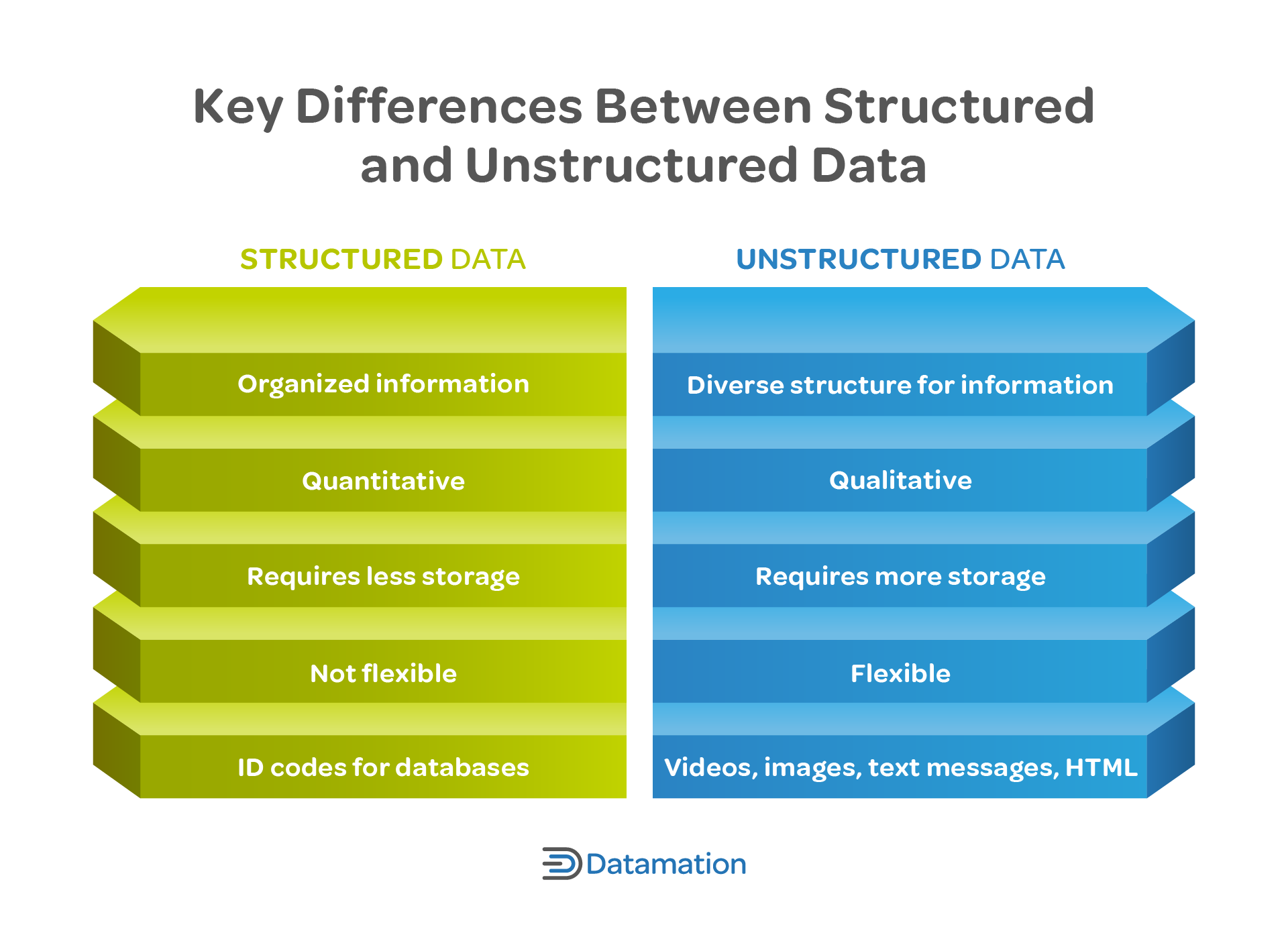
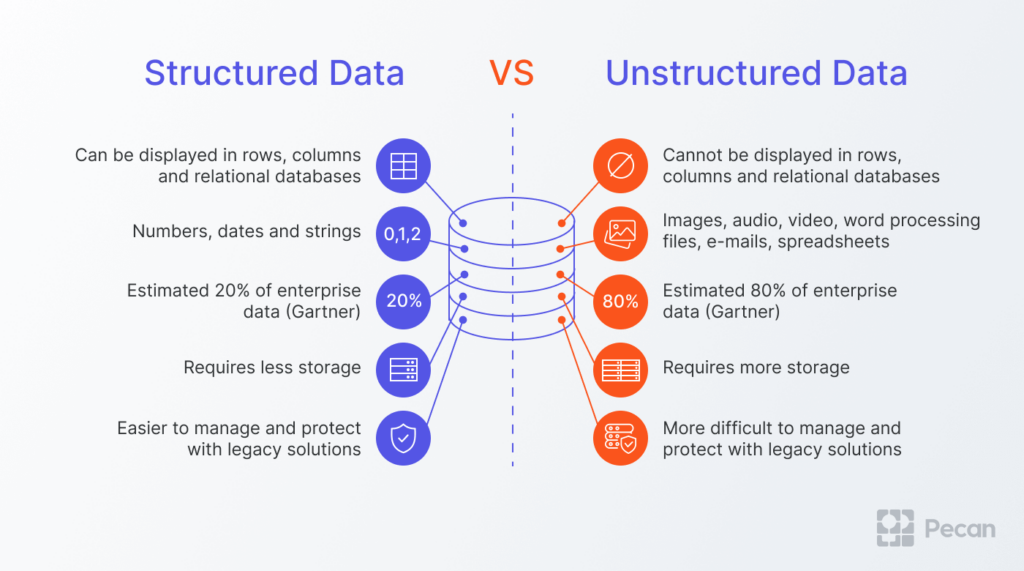
Structured data is characterized by its highly organized format, typically residing in a tabular fashion within databases. It follows a predefined model, meaning each piece of data has a specific field and a clear relationship to other data points. This predictable structure allows for easy storage, retrieval, and analysis using conventional methods like SQL (Structured Query Language).
Key Characteristics of Structured Data:
- Defined Schema: It adheres to a strict schema, which acts as a blueprint for its organization. This schema defines data types (e.g., text, numbers, dates), relationships between data elements, and constraints.
- Tabular Format: Commonly found in relational databases (RDBMS) like MySQL, PostgreSQL, or Oracle, structured data is organized into rows and columns within tables.
- Easily Searchable and Queryable: Due to its predictable format, structured data can be efficiently searched, filtered, and manipulated using query languages.
- Quantitative Analysis: It lends itself well to quantitative analysis, enabling the calculation of metrics, trends, and patterns.
- Machine-Readable: Machines can easily understand and process structured data, making it ideal for automation and algorithmic decision-making.
Examples of Structured Data:
- In Tech: User IDs, timestamps of software usage, hardware specifications in a database, error logs with specific codes, transaction records in an e-commerce platform.
- In Brand: Customer demographics (age, location, purchase history), sales figures, website visitor counts, product catalog details (SKU, price, description).
- In Money: Account balances, transaction amounts, stock prices, loan application details, tax filing information.
Unstructured Data: The Vast Ocean of Information
Unstructured data, in contrast, lacks a predefined data model or organization. It doesn’t fit neatly into rows and columns and often exists in a more free-form, human-readable format. While more challenging to process using traditional methods, it often contains rich context, nuances, and insights that structured data might miss.
Key Characteristics of Unstructured Data:
- No Predefined Schema: It does not adhere to a rigid data model, making it flexible but harder to standardize.
- Varied Formats: Can exist in numerous formats, including text documents, emails, social media posts, images, audio files, video recordings, and more.
- Difficult to Search and Analyze Directly: Traditional database queries are not effective for unstructured data. Specialized tools and techniques are required.
- Qualitative Insights: Often provides qualitative insights, opinions, sentiments, and context that are crucial for deeper understanding.
- Requires Advanced Processing: Techniques like Natural Language Processing (NLP), machine learning, and data mining are often employed to extract meaning from unstructured data.
Examples of Unstructured Data:
- In Tech: Customer support chat logs, user reviews on app stores, forum discussions, technical documentation, audio recordings of user feedback sessions, video tutorials.
- In Brand: Social media comments and mentions, customer emails, brand perception surveys with open-ended responses, blog posts, press releases, marketing campaign video content.
- In Money: Handwritten financial notes, audio recordings of financial advisor consultations, scanned invoices, customer service call transcripts regarding financial queries, investment forum discussions.
Bridging the Divide: Semi-Structured Data
It’s also important to acknowledge a middle ground: semi-structured data. This type of data doesn’t conform to the strict tabular structure of relational databases but contains tags or markers that organize it and provide hierarchies. This organization makes it easier to analyze than completely unstructured data.
Examples of Semi-Structured Data:
- In Tech: JSON (JavaScript Object Notation) files used in web APIs, XML (Extensible Markup Language) documents, configuration files.
- In Brand: Product descriptions with embedded metadata, website HTML pages with semantic tags.
- In Money: Certain financial reports with self-describing tags, personalized financial advice documents.
The Significance of Structured vs. Unstructured Data in Key Domains
The ability to effectively manage, analyze, and leverage both structured and unstructured data is paramount for success across various industries and personal endeavors.
1. Tech: Powering Innovation and User Experience
In the technology sector, data is the engine driving innovation, product development, and exceptional user experiences.
Structured Data in Tech:
Structured data forms the backbone of many technological operations. Databases store critical information like user profiles, transaction histories, system logs, and inventory management data. This structured data is essential for:
- Software Performance Monitoring: Tracking application performance, identifying errors, and debugging issues.
- User Analytics: Understanding user behavior patterns, feature adoption rates, and engagement metrics.
- E-commerce Operations: Managing product catalogs, processing orders, and tracking shipments.
- AI Model Training: Providing clean, labeled datasets for training machine learning algorithms.
Unstructured Data in Tech:
The sheer volume of unstructured data generated in the tech world presents both challenges and immense opportunities.
- Customer Support and Feedback: Analyzing support tickets, chat logs, and user reviews to identify pain points, improve product features, and enhance customer satisfaction. NLP techniques can automatically categorize issues, detect sentiment, and even suggest resolutions.
- Software Documentation and Knowledge Bases: Structuring and making searchable vast amounts of technical documentation, FAQs, and tutorials to empower users and support teams.
- Developer Collaboration: Analyzing code repositories, bug reports, and forum discussions to improve software development processes and foster community engagement.
- AI and Machine Learning: Extracting insights from text-based user feedback, images, and videos to train more sophisticated AI models, such as chatbots, recommendation engines, and image recognition systems.
2. Brand: Building Identity and Driving Marketing Success
For brands, data is critical for understanding their audience, crafting resonant messages, and measuring the effectiveness of their marketing efforts.
Structured Data in Brand Building:
Structured data provides a quantitative foundation for brand strategy and marketing.
- Customer Relationship Management (CRM): Storing customer demographics, purchase history, and interaction data to personalize marketing campaigns and build stronger customer relationships.
- Sales Performance Tracking: Analyzing sales figures, market share, and revenue streams to assess the impact of marketing initiatives.
- Website Analytics: Tracking visitor behavior, conversion rates, and traffic sources to optimize online presence.
- Market Research: Analyzing survey responses with predefined scales and demographic information.
Unstructured Data in Brand Building:
The nuanced world of brand perception and consumer sentiment is heavily reliant on unstructured data.
- Social Media Listening: Monitoring social media conversations, comments, and mentions to gauge brand sentiment, identify emerging trends, and respond to public opinion in real-time.
- Customer Feedback Analysis: Analyzing open-ended responses in surveys, customer service emails, and online reviews to uncover deeper insights into customer satisfaction, product preferences, and areas for improvement.
- Content Marketing: Understanding what kind of content resonates with the audience by analyzing engagement metrics on blog posts, articles, and videos.
- Reputation Management: Identifying and addressing negative mentions or crises proactively by analyzing unstructured feedback across various platforms.
3. Money: Financial Management and Investment Strategies
In the financial realm, both structured and unstructured data play crucial roles in personal finance, investing, and business operations.
Structured Data in Finance:
Structured data is the bedrock of financial systems, enabling precise tracking and analysis.
- Banking and Transactions: Storing account balances, transaction records, and payment history.
- Investment Portfolios: Tracking stock prices, bond yields, and asset performance.
- Accounting and Auditing: Recording financial statements, invoices, and expense reports for compliance and analysis.
- Loan and Credit Applications: Storing applicant details, credit scores, and repayment histories.
Unstructured Data in Finance:
The financial world is increasingly recognizing the value of unstructured data for gaining a competitive edge and making informed decisions.
- Market Sentiment Analysis: Analyzing news articles, analyst reports, and social media discussions to gauge market sentiment and predict potential market movements.
- Customer Service and Support: Transcribing and analyzing customer service calls and emails to identify common financial concerns, improve service delivery, and detect potential fraud.
- Due Diligence and Risk Assessment: Reviewing legal documents, company reports, and news articles to assess the risk associated with investments or business partnerships.
- Personal Financial Advice: Extracting insights from financial blogs, forums, and expert opinions to inform personal financial planning and investment strategies.
The Importance of Handling Both Data Types
In today’s data-driven landscape, companies and individuals who can effectively manage and analyze both structured and unstructured data are better positioned to:
- Gain Deeper Insights: Unstructured data often provides the “why” behind the “what” revealed by structured data, leading to a more holistic understanding.
- Make More Informed Decisions: By combining insights from both data types, decision-makers can create more robust strategies and mitigate risks.
- Enhance Customer Understanding: Analyzing customer interactions beyond transactional data reveals preferences, sentiments, and unmet needs.
- Drive Innovation: Identifying new opportunities and pain points through the analysis of diverse data sources can fuel product development and service improvement.
- Improve Operational Efficiency: Automating the analysis of unstructured data can streamline processes and reduce manual effort.
The journey from raw data to actionable insights is often complex. While structured data offers a clear path for analysis, unstructured data requires sophisticated tools and techniques to unlock its hidden potential. As technology continues to advance, particularly in areas like AI and machine learning, the ability to process and interpret unstructured data will become increasingly critical, bridging the gap between raw information and intelligent understanding. Whether you’re a tech enthusiast, a brand builder, or managing your personal finances, understanding the interplay between structured and unstructured data is no longer a niche skill, but a fundamental requirement for navigating and thriving in the digital age.
aViewFromTheCave is a participant in the Amazon Services LLC Associates Program, an affiliate advertising program designed to provide a means for sites to earn advertising fees by advertising and linking to Amazon.com. Amazon, the Amazon logo, AmazonSupply, and the AmazonSupply logo are trademarks of Amazon.com, Inc. or its affiliates. As an Amazon Associate we earn affiliate commissions from qualifying purchases.