
The term “Stage 4A cancer” is a critical marker in understanding a patient’s prognosis and the intensity of treatment required. While the medical world has long used staging systems to categorize the extent of cancer, the advent of new research and diagnostic capabilities, particularly within fields like AI and advanced diagnostics, is continually refining our understanding. This article, drawing on the intersection of technological advancements, strategic branding (in terms of medical information dissemination and patient empowerment), and the financial implications of healthcare, will demystify Stage 4A cancer. We’ll explore its definition, the factors influencing it, and the evolving landscape of treatment and support.

Understanding Cancer Staging: The Foundation of Diagnosis and Treatment
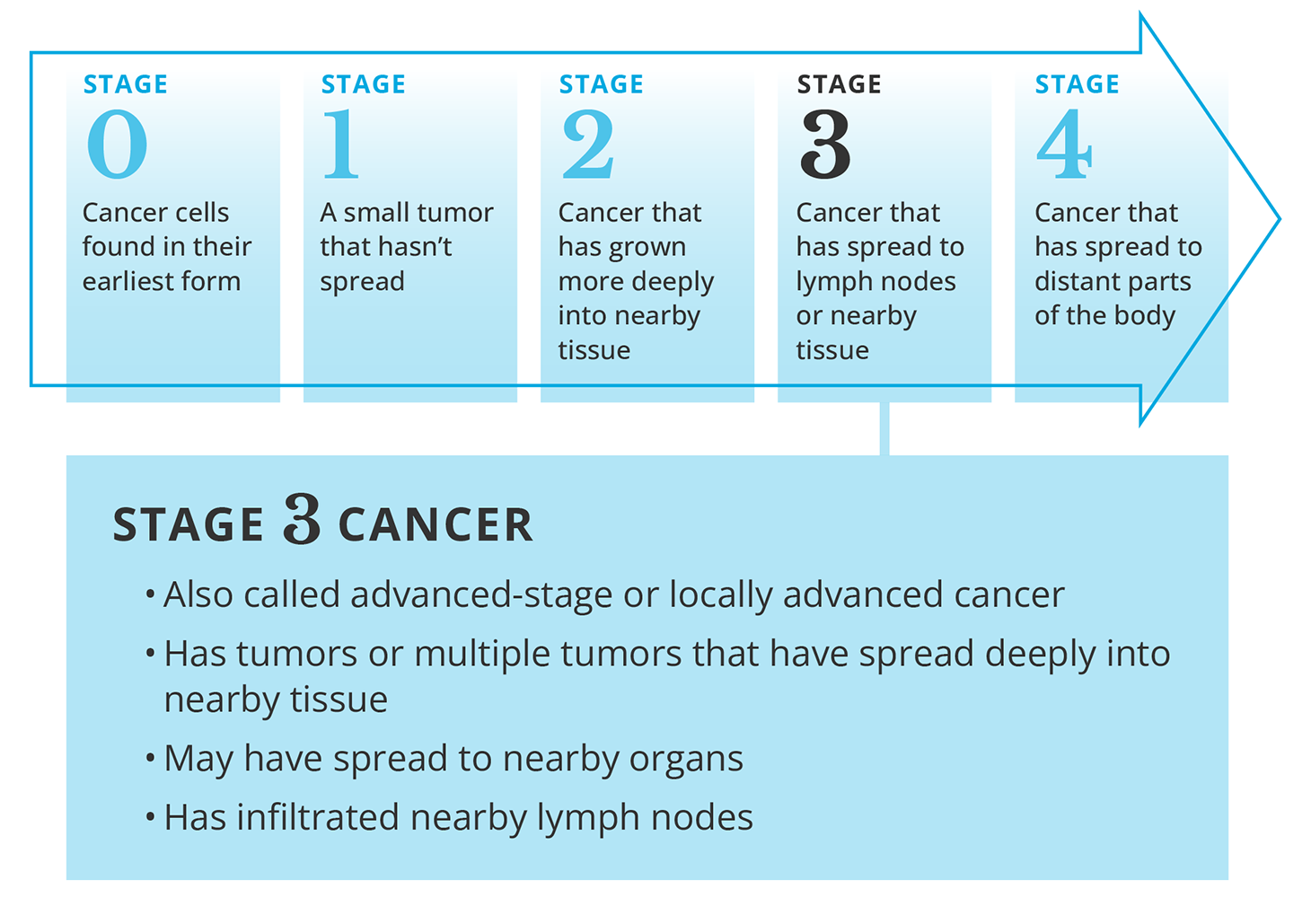
Cancer staging is a standardized process that describes the extent of cancer in a person’s body. It helps doctors determine the best treatment plan, predict a patient’s prognosis, and facilitate communication about cancer among healthcare professionals. The most widely used staging system in the United States is the TNM system, developed by the American Joint Committee on Cancer (AJCC). This system evaluates three key components:
- T (Tumor): Describes the size and extent of the primary tumor.
- N (Nodes): Indicates whether the cancer has spread to nearby lymph nodes.
- M (Metastasis): Determines if the cancer has spread to distant parts of the body.
The TNM categories are then combined to assign an overall stage, typically ranging from Stage 0 (pre-cancerous or very early cancer) to Stage IV (advanced cancer).
The Evolution of Staging: How Technology and AI are Revolutionizing Cancer Assessment
Historically, cancer staging relied heavily on physical examinations, imaging techniques like X-rays and CT scans, and surgical biopsies. While these remain foundational, the integration of cutting-edge technology has profoundly enhanced our ability to stage cancer with greater precision.
Advanced Imaging Techniques: High-resolution MRI, PET scans, and advanced CT protocols offer unparalleled detail in visualizing tumors and potential spread. These technologies are not just about seeing more; they are about seeing differently. For instance, functional imaging can highlight metabolic activity within suspicious areas, offering clues about malignancy that structural imaging alone might miss.
Genomic and Molecular Profiling: The field of “omics” – genomics, proteomics, transcriptomics – has become indispensable. By analyzing the genetic makeup of a tumor, doctors can identify specific mutations and biomarkers. This level of detail can significantly influence staging, especially in determining the potential for metastasis, which is a hallmark of Stage IV cancer. AI plays a crucial role here, sifting through vast amounts of genomic data to identify patterns and predict treatment responses.
AI-Powered Diagnostics and Predictive Analytics: Artificial intelligence is no longer a futuristic concept in medicine; it’s a present reality. AI algorithms are being trained on massive datasets of patient scans and pathology slides to detect subtle anomalies that human eyes might overlook. In staging, AI can aid in:
- Automated tumor segmentation: Precisely outlining tumors in imaging for accurate size and volume measurement.
- Predicting lymph node involvement: Identifying microscopic spread that might be missed by traditional methods.
- Assessing metastatic potential: Analyzing complex patterns to forecast the likelihood of cancer spreading to distant organs.
This technological leap means that staging is becoming less of a descriptive classification and more of a predictive tool. It allows for a more nuanced understanding of the cancer’s behavior, which directly impacts how we define and treat Stage 4A.
Defining Stage 4A Cancer: A Deeper Dive into Advanced Disease
Stage 4 cancer, in general, signifies that the cancer has metastasized, meaning it has spread from its original location to other parts of the body. However, the “A” in Stage 4A often denotes a specific pattern or extent of this metastasis, differentiating it from Stage 4B or other subdivisions depending on the cancer type and the staging system used.
The Nuances of Stage 4A: Differentiating Subtypes of Advanced Cancer
While the exact definition can vary slightly between different cancer types (e.g., lung cancer, breast cancer, colorectal cancer), Stage 4A cancer typically implies that the cancer has spread to one or a limited number of distant organs or sites, but the spread is not as extensive as in more advanced stages of Stage IV disease.
For example, in some cancer types, Stage 4A might be characterized by:
- Metastasis to a single distant organ: For instance, if lung cancer has spread to one distant site, such as the liver or bones, it might be classified as Stage 4A.
- Limited number of metastatic lesions: The presence of a small number of cancerous nodules in distant sites.
- Specific lymph node involvement beyond local spread: In certain cancers, spread to lymph nodes that are further away from the primary tumor but not yet to distant organs might contribute to a Stage 4A classification, though this is less common as a sole determinant for Stage 4A.
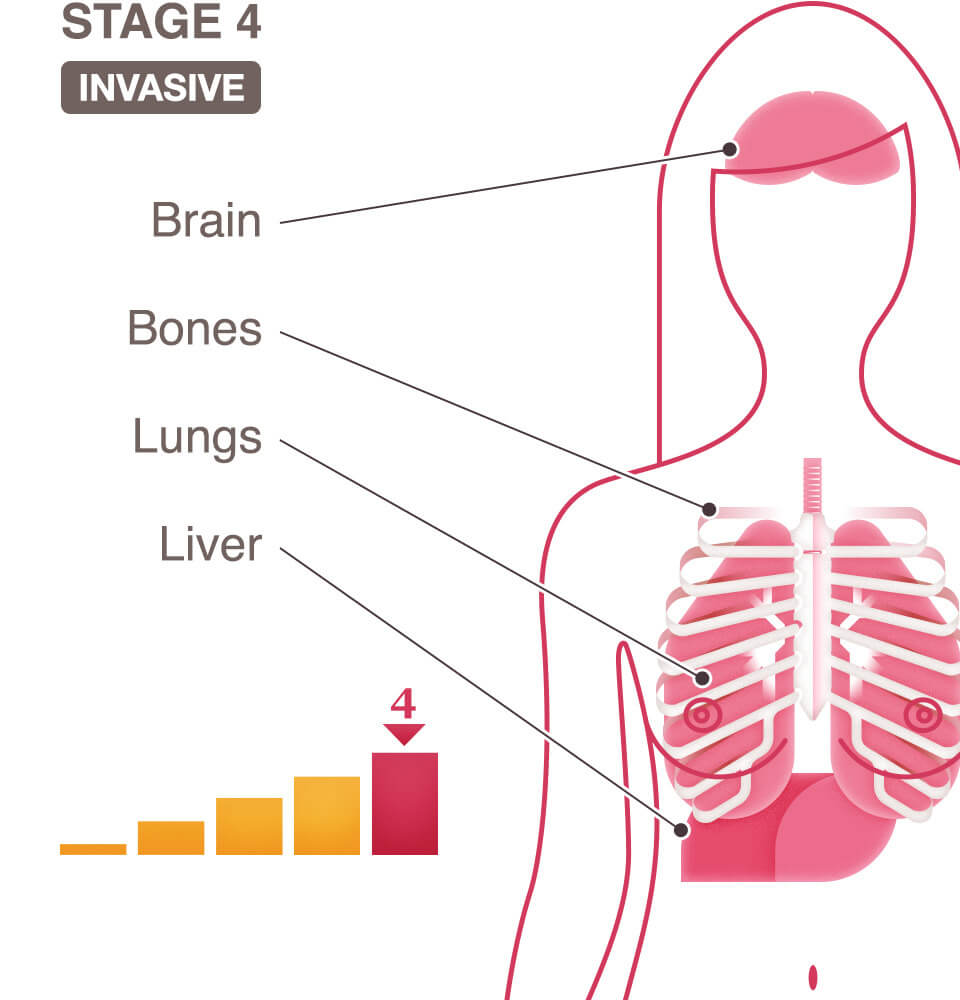
It’s crucial to emphasize that the specific criteria for Stage 4A are determined by the AJCC staging manual for each specific cancer type. This is where the “medical branding” aspect of clear, accessible information becomes vital. Patients and their families need to understand precisely what their stage means.
Factors Influencing Stage 4A Classification: Beyond Just Spread
While metastasis is the defining characteristic of Stage 4 cancer, several factors contribute to its classification as Stage 4A versus other substages. These often involve a combination of:
- The primary tumor’s characteristics: Size, invasiveness, and specific molecular markers.
- Lymph node involvement: The number and location of affected lymph nodes.
- The number and location of metastatic sites: Where the cancer has spread and how many distinct sites are involved.
- Biomarkers and genetic mutations: Certain genetic alterations can predict a more aggressive or widespread disease, influencing staging.
This complex interplay highlights the need for sophisticated diagnostic tools and expertise. The integration of AI in analyzing these multifactorial inputs can lead to more accurate and individualized staging.
Navigating Treatment and Support for Stage 4A Cancer: A Financial and Technological Perspective
A Stage 4A cancer diagnosis, while serious, does not mean there are no treatment options. The goal of treatment at this stage is often to control the cancer, manage symptoms, improve quality of life, and potentially extend survival. The approach to treatment is highly personalized and is increasingly influenced by technological advancements and strategic financial planning.
The Role of Technology in Personalized Treatment Strategies
The understanding of Stage 4A cancer has been revolutionized by advancements in technology, impacting every aspect from diagnosis to treatment delivery and monitoring.
Precision Medicine and Targeted Therapies: This is where the intersection of “Tech” and “Money” is most evident. Precision medicine utilizes a patient’s genetic profile and the specific characteristics of their tumor to tailor treatments. Instead of a one-size-fits-all approach, targeted therapies are designed to attack cancer cells with specific mutations, often leading to fewer side effects and better outcomes. AI is instrumental in identifying these actionable mutations from vast genomic datasets.
Immunotherapy: This revolutionary treatment harnesses the patient’s own immune system to fight cancer. By understanding the immunological landscape of the tumor, doctors can select immunotherapies that are most likely to be effective, further personalizing treatment.
Minimally Invasive Surgical Techniques and Advanced Radiation Therapy: For localized metastatic disease, advanced surgical techniques and highly precise radiation therapies can be employed to remove or destroy cancerous deposits with minimal impact on surrounding healthy tissue.
Digital Health Tools for Monitoring and Management: Wearable devices, mobile health apps, and telehealth platforms are transforming how patients are monitored. These tools can track vital signs, symptoms, and treatment adherence, allowing for early detection of complications and timely intervention. This not only improves patient care but can also optimize resource allocation, impacting the financial burden of treatment.
Financial Considerations and Strategic Planning
Navigating cancer treatment, especially for advanced stages, inevitably involves significant financial considerations.
Understanding Insurance Coverage and Financial Assistance: Navigating the complexities of health insurance, understanding co-pays, deductibles, and out-of-pocket maximums is paramount. Many non-profit organizations and hospital systems offer financial assistance programs, grants, and social work services to help patients manage these costs.
The Cost of Innovation: While advanced treatments like targeted therapies and immunotherapies offer immense hope, they can also be very expensive. This necessitates a strategic approach to healthcare spending and financial planning. Understanding the long-term financial implications and exploring options for financial support is an integral part of managing Stage 4A cancer. This is where concepts from “Money” and “Brand” (in terms of clear communication about costs and available resources) become critical.
Brand Building in Healthcare Information: In the digital age, the “Brand” of healthcare providers and organizations is built on trust, transparency, and clear communication. For patients facing a Stage 4A diagnosis, easily accessible, reliable information about their condition, treatment options, and available support is invaluable. This includes understanding the research and development behind new treatments, often driven by technological innovation and investment.
The Future of Stage 4A Cancer Management: Integration and Empowerment
The journey with Stage 4A cancer is a complex one, but it is also one where advancements in technology, a strategic understanding of financial resources, and clear, empowering communication are making a significant difference. The ongoing integration of AI in diagnostics and treatment planning promises even greater precision and personalized care. As our understanding of cancer biology deepens and technological tools become more sophisticated, the definition and management of Stage 4A cancer will continue to evolve, offering renewed hope and improved outcomes for patients. Empowering patients with knowledge and resources, facilitated by clear information dissemination and financial acumen, is key to navigating this challenging yet increasingly manageable aspect of cancer.
aViewFromTheCave is a participant in the Amazon Services LLC Associates Program, an affiliate advertising program designed to provide a means for sites to earn advertising fees by advertising and linking to Amazon.com. Amazon, the Amazon logo, AmazonSupply, and the AmazonSupply logo are trademarks of Amazon.com, Inc. or its affiliates. As an Amazon Associate we earn affiliate commissions from qualifying purchases.