
Sphincter dysfunction is a medical condition that affects the body’s ability to control the opening and closing of a sphincter muscle. Sphincters are ring-shaped muscles that act like valves, controlling the passage of substances from one part of the body to another. When these muscles don’t function properly, it can lead to a range of uncomfortable and sometimes serious health issues. While this topic might seem purely medical, understanding it can surprisingly intersect with themes of technology, branding, and even personal finance, especially when considering the impact on quality of life and the potential for innovative solutions.
Understanding the Anatomy and Function of Sphincters
To grasp sphincter dysfunction, we first need to understand what sphincters are and how they work. These specialized muscles are found throughout the body, playing crucial roles in digestion, elimination, and even preventing the backflow of fluids. Their coordinated action ensures that substances move in the correct direction and at the right time, maintaining bodily homeostasis.
The Many Roles of Sphincter Muscles
Sphincters are not just one type of muscle; they are diverse and serve distinct purposes depending on their location. Some of the most well-known include:
- Lower Esophageal Sphincter (LES): Located at the bottom of the esophagus, where it meets the stomach. Its primary function is to prevent the acidic contents of the stomach from flowing back up into the esophagus (reflux). Dysfunction here can lead to gastroesophageal reflux disease (GERD).
- Pyloric Sphincter: Situated between the stomach and the small intestine. It controls the passage of partially digested food (chyme) from the stomach into the duodenum, ensuring that the small intestine receives food at a manageable rate for digestion and absorption.
- Anal Sphincters (Internal and External): These are the muscles that control the opening and closing of the anus, allowing for voluntary control over bowel movements. Dysfunction can lead to fecal incontinence or constipation.
- Urinary Sphincters (Internal and External Urethral Sphincters): These muscles control the flow of urine from the bladder. The internal sphincter is involuntary, while the external sphincter is under voluntary control, allowing us to decide when to urinate. Dysfunction can lead to urinary incontinence or difficulty urinating.
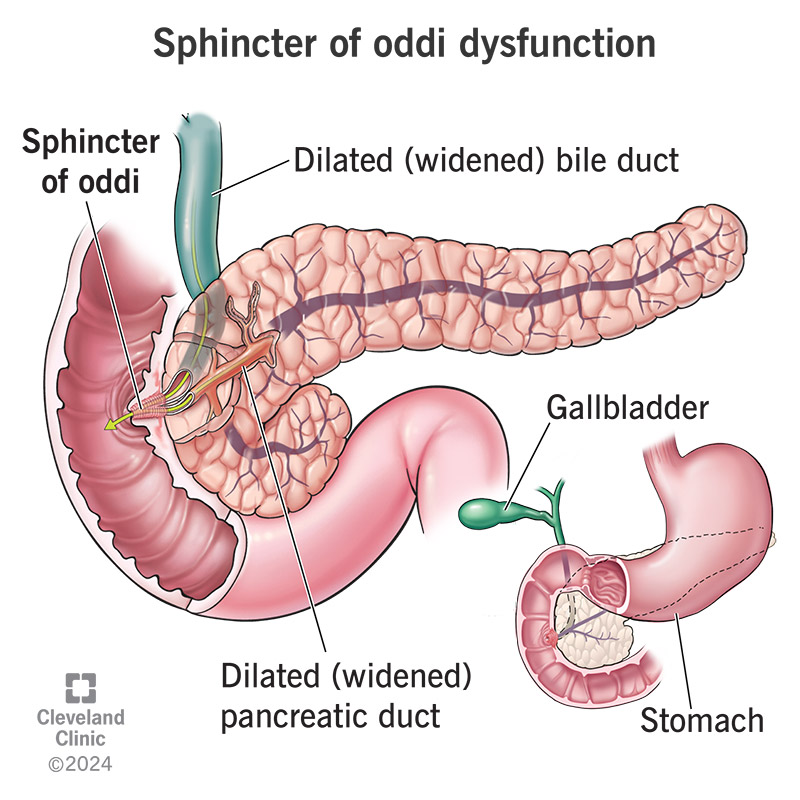
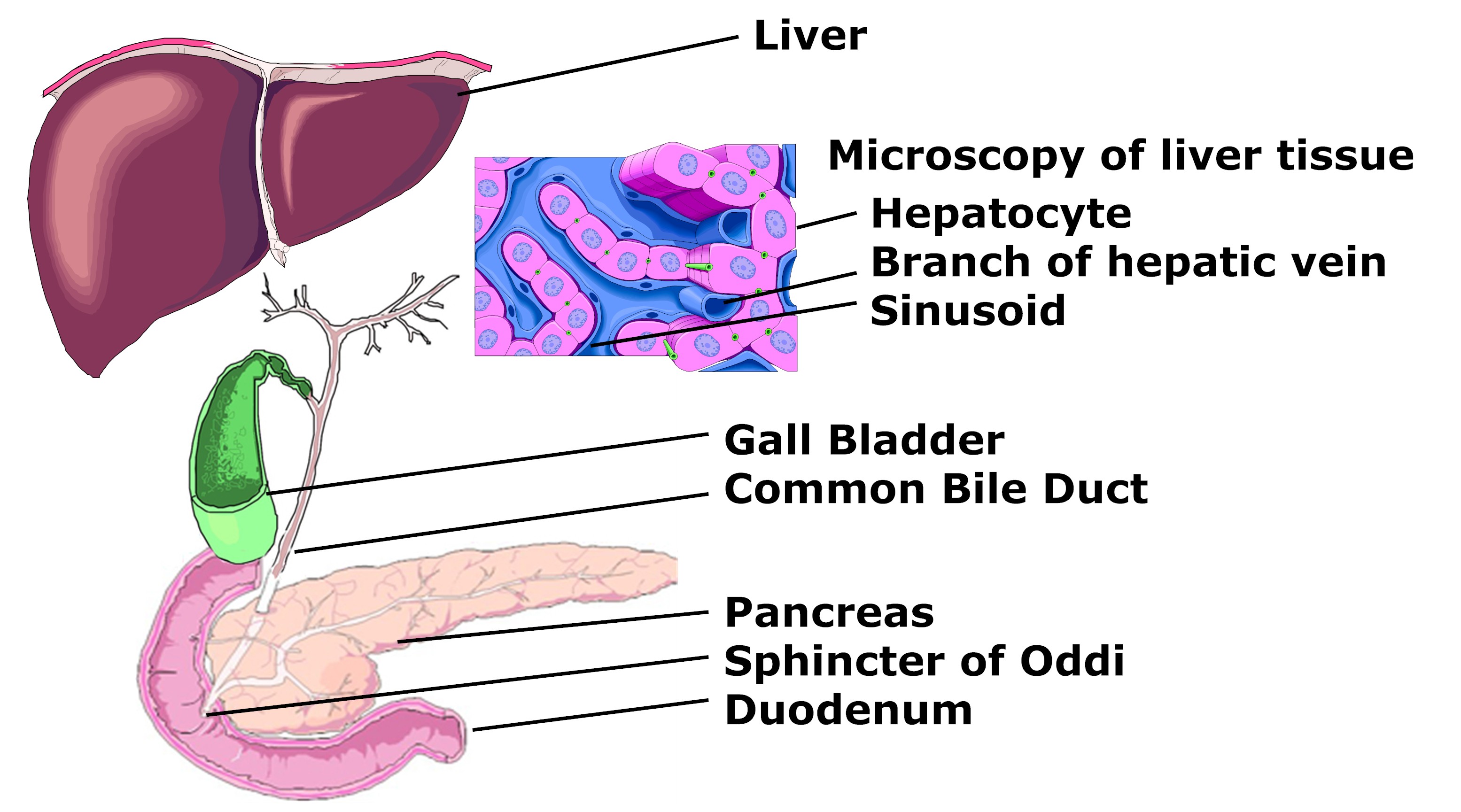
- Sphincter of Oddi: Located at the junction where the common bile duct and the pancreatic duct empty into the duodenum. It regulates the flow of bile and pancreatic juices into the small intestine, which are essential for digestion.
The effectiveness of these sphincters relies on their ability to contract and relax in a precisely timed and coordinated manner. This intricate process is controlled by the nervous system, hormones, and local muscle activity.
What Happens When Sphincters Fail?
Sphincter dysfunction occurs when these muscles are unable to perform their intended functions. This can manifest in several ways:
- Incompetence: The sphincter muscle is too relaxed or weak to close properly, leading to leakage or backflow of contents. This is often seen in conditions like GERD (LES incompetence) or urinary/fecal incontinence.
- Spasm or Tightness: The sphincter muscle is too tight or contracts involuntarily, hindering the passage of substances. This can cause pain and blockage. For example, a spastic anal sphincter can contribute to anal fissures or contribute to painful bowel movements, and dysfunction of the Sphincter of Oddi can obstruct bile and pancreatic juice flow.
- Lack of Coordination: The signals from the nervous system to the sphincter muscles are disrupted, leading to a lack of synchronized action. This can affect the ability to effectively initiate or terminate the passage of materials.
The causes of sphincter dysfunction are varied and can range from congenital issues and aging to injury, surgery, neurological conditions, and certain diseases.
Technological Innovations Addressing Sphincter Dysfunction
While sphincter dysfunction is a medical challenge, it’s an area where technology is beginning to make significant inroads, offering new diagnostic tools, treatment options, and even assistive devices. This intersection of medicine and tech can dramatically improve patient outcomes and quality of life.
Advanced Diagnostics and Monitoring
The first step in effectively managing sphincter dysfunction is accurate diagnosis. Technology plays a vital role in this process:
- High-Resolution Manometry: This sophisticated technique measures the pressure and coordination of muscle contractions in sphincters. For example, esophageal manometry can precisely assess LES function, while anorectal manometry is crucial for diagnosing anal sphincter dysfunction. Newer, high-resolution systems provide more detailed and accurate readings, enabling clinicians to pinpoint the exact nature of the dysfunction.
- Imaging Technologies: Advanced ultrasound, MRI, and CT scans can provide detailed anatomical views of sphincters and surrounding structures, identifying physical abnormalities that might be contributing to dysfunction.
- Wearable Sensors and Smart Devices: While still in nascent stages for internal sphincters, there’s growing interest in wearable tech for monitoring physiological signals that could indirectly indicate sphincter function or its impact. For external sphincters, devices are being developed that can detect subtle muscle activity or changes in pressure, offering real-time feedback to patients and clinicians. This can aid in rehabilitation and provide data for personalized treatment plans.
- AI in Diagnostics: Artificial intelligence is increasingly being used to analyze complex diagnostic data, such as manometry tracings or imaging results. AI algorithms can help identify subtle patterns that human eyes might miss, leading to earlier and more accurate diagnoses of sphincter dysfunction. For instance, AI could be trained to recognize characteristic pressure profiles indicative of specific sphincter disorders.
Minimally Invasive Treatments and Surgical Innovations
Technological advancements are also transforming the treatment landscape for sphincter dysfunction:
- Endoscopic Therapies: Procedures performed using endoscopes (flexible tubes with cameras) allow for less invasive interventions. For example, treatments for GERD might involve endoscopic techniques to tighten the LES. Similarly, certain anal sphincter repairs can be performed endoscopically.
- Robotic Surgery: Robotic-assisted surgery offers enhanced precision and control for complex reconstructive procedures involving sphincters, particularly in urological or gynecological surgeries where sphincter integrity is paramount. This can lead to better functional outcomes and faster recovery.
- Biofeedback and Neuromodulation: Biofeedback, often facilitated by technological devices, helps patients retrain their sphincter muscles through visual or auditory cues. Neuromodulation techniques, such as sacral nerve stimulation, can be used to regulate the nerve signals controlling bladder and bowel function, thereby improving sphincter control in cases of neurological dysfunction. These technologies empower patients to actively participate in their recovery.
- Prosthetic Devices: For severe cases of incontinence due to sphincter damage, implantable prosthetic devices are being developed and refined. These devices aim to mimic the function of a healthy sphincter, offering a solution where other treatments have failed.
The continuous evolution of medical technology promises to offer more effective, less invasive, and personalized solutions for individuals suffering from sphincter dysfunction.
The Brand Impact: From Patient Experience to Healthcare Marketing

While seemingly distant, the concept of “brand” can be surprisingly relevant when discussing sphincter dysfunction. For individuals experiencing these issues, their personal brand – their overall self-perception and how they present themselves to the world – can be significantly impacted. Furthermore, healthcare providers and companies developing solutions for these conditions need strong branding to build trust and communicate their value.
Personal Brand and Quality of Life
Sphincter dysfunction, particularly conditions leading to incontinence or digestive distress, can profoundly affect an individual’s self-esteem and social interactions. The fear of leakage, odor, or discomfort can lead to:
- Social Isolation: Individuals may avoid social gatherings, public outings, or intimate relationships due to embarrassment or fear of accidents.
- Reduced Confidence: The inability to control bodily functions can erode self-confidence, making it difficult to perform well in professional or personal spheres.
- Mental Health Challenges: Conditions like anxiety and depression are often associated with chronic health issues, including those affecting sphincter control.
In this context, the “personal brand” is about regaining a sense of control and dignity. Effective management of sphincter dysfunction, through medical treatment and supportive technologies, can help individuals restore their confidence and re-engage with life, essentially rebuilding their personal brand.
Branding in Healthcare Solutions
For the healthcare industry, branding is critical for success in addressing sphincter dysfunction:
- Trust and Authority: For medical devices, pharmaceuticals, or surgical techniques aimed at treating sphincter dysfunction, building a brand synonymous with trust, efficacy, and safety is paramount. Patients and healthcare professionals need to feel confident in the solutions offered.
- Patient-Centric Marketing: Marketing campaigns for products or services related to sphincter dysfunction must be sensitive and empathetic. They need to resonate with the challenges patients face without being exploitative. This involves understanding the “pain points” of the patient experience and communicating how the solution offers relief and improved quality of life.
- Innovation and Differentiation: In a competitive market, brands need to highlight what makes their technology or approach unique. This could be superior accuracy in diagnostics, a less invasive treatment, better patient comfort, or a more comprehensive support system. Case studies and testimonials from satisfied patients and leading medical professionals are powerful branding tools.
- Reputation Management: For any entity involved in the treatment or management of sphincter dysfunction, maintaining a positive reputation is essential. This involves transparent communication, ethical practices, and consistently delivering on promises of improved patient care.
Ultimately, effective branding in this space goes beyond just logos and taglines; it’s about building a reputation for solving real-world problems and enhancing the lives of those affected by sphincter dysfunction.
Financial Considerations and Future Economic Impacts
The management of sphincter dysfunction also presents significant financial considerations, both for individuals and for the broader healthcare economy. Understanding these financial aspects, from personal budgeting to the economic impact of new technologies, is crucial.
Personal Financial Management for Patients
For individuals dealing with chronic sphincter dysfunction, the financial burden can be substantial:
- Healthcare Costs: This includes doctor’s visits, diagnostic tests (manometry, imaging), medications, potential surgeries, and ongoing treatments. For conditions requiring long-term management, these costs can accumulate significantly.
- Assistive Products: Depending on the type and severity of dysfunction, individuals might need to purchase continence products (pads, briefs), specialized clothing, or other assistive devices. While some insurance may cover these, many are out-of-pocket expenses.
- Lost Income: In severe cases, the impact on daily life and work can lead to reduced working hours or inability to work, directly affecting income. This can create a dual financial strain: increased expenses coupled with decreased earnings.
Effective personal finance strategies are essential for managing these costs. This might involve:
- Health Insurance Review: Understanding insurance coverage for diagnostic tests, treatments, and assistive products.
- Budgeting for Healthcare: Allocating a specific portion of a budget for medical expenses.
- Exploring Financial Assistance Programs: Investigating patient assistance programs offered by pharmaceutical companies or charitable organizations.
- Side Hustles and Income Diversification: For those whose work capacity is affected, exploring flexible or remote work opportunities (side hustles) can help supplement income without exacerbating health issues. This aligns with the “Online Income” and “Side Hustles” themes.
Economic Implications of Sphincter Dysfunction and its Solutions
Beyond the individual, sphincter dysfunction has broader economic implications:
- Healthcare Expenditure: The cumulative cost of treating and managing sphincter dysfunction globally represents a significant portion of healthcare expenditure. This includes the cost of diagnostics, treatments, hospitalizations, and long-term care.
- Market for Medical Devices and Pharmaceuticals: The demand for innovative diagnostic tools, therapeutic interventions, and assistive products creates a substantial market for medical device companies and pharmaceutical manufacturers. This is where “Financial Tools” and “Business Finance” become relevant, as these companies invest heavily in research and development.
- Impact on Productivity: The widespread nature of conditions related to sphincter dysfunction can lead to a loss of productivity in the workforce, impacting economic output.
- Growth of MedTech Sector: The need for advanced solutions drives innovation and investment in the MedTech sector, fostering economic growth and job creation in areas like AI in healthcare, digital therapeutics, and advanced materials for medical devices.
The development of more effective, preventative, and less burdensome treatments for sphincter dysfunction has the potential to not only improve individual lives but also to reduce overall healthcare costs and boost economic productivity.
Conclusion
Sphincter dysfunction is a complex medical issue with far-reaching consequences. Understanding its anatomical basis and functional impairments is the first step toward effective management. While the topic might seem solely within the realm of medicine, its implications extend into technology, where innovative diagnostic tools and treatments are emerging; into branding, affecting personal confidence and the reputation of healthcare solutions; and into finance, posing significant costs for individuals and influencing economic markets. As technology continues to advance, and as we develop more sophisticated branding strategies and financial management approaches, the hope is to alleviate the burden of sphincter dysfunction and improve the quality of life for millions.
aViewFromTheCave is a participant in the Amazon Services LLC Associates Program, an affiliate advertising program designed to provide a means for sites to earn advertising fees by advertising and linking to Amazon.com. Amazon, the Amazon logo, AmazonSupply, and the AmazonSupply logo are trademarks of Amazon.com, Inc. or its affiliates. As an Amazon Associate we earn affiliate commissions from qualifying purchases.