
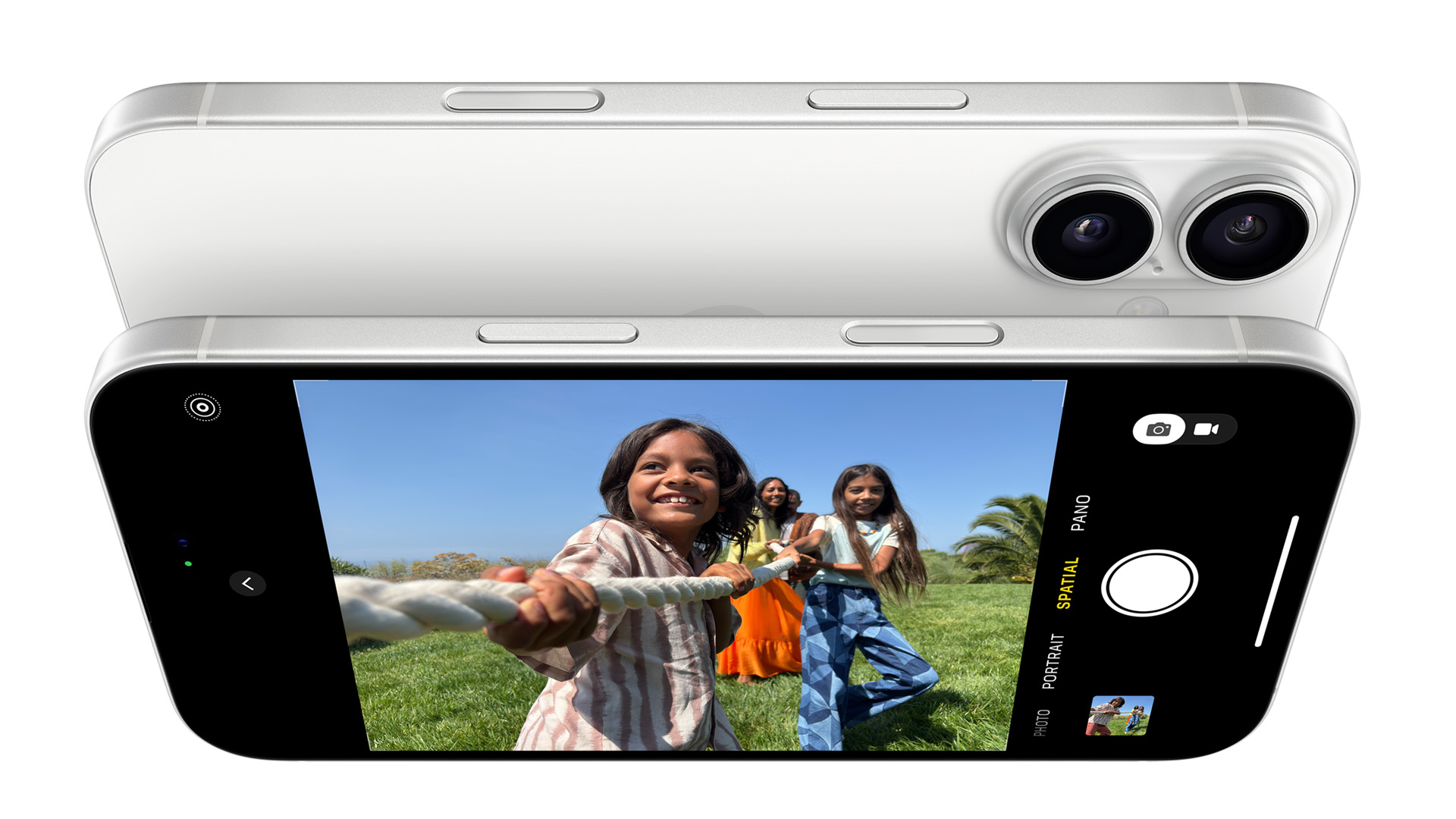
The iPhone, a device we hold dear for its ability to connect us, entertain us, and streamline our lives, is constantly evolving. Beyond the familiar apps and functionalities, Apple is increasingly pushing the boundaries of what’s possible, ushering in a new era of spatial computing. When you hear the term “spatial” in relation to your iPhone, it signifies a shift from purely two-dimensional interactions to experiences that blend the digital world with our physical environment. This isn’t just about augmented reality filters on social media; it’s about a deeper, more intuitive way of interacting with technology that leverages our understanding of space and three-dimensional reality.

This exploration of “spatial on iPhone” delves into how this technology is being integrated, the underlying principles, and the exciting implications for various aspects of our lives, from how we work and learn to how we play and connect. We’ll touch upon the technological underpinnings, the potential for brand engagement, and even the financial opportunities that this spatial revolution might unlock.
Understanding Spatial Computing: More Than Just AR
At its core, spatial computing refers to a technology that allows computers to understand and interact with the real world in three dimensions. It’s a paradigm shift away from the flat screens and mouse clicks we’ve become accustomed to, moving towards an environment where digital information is seamlessly overlaid or integrated into our physical surroundings. This is achieved through a combination of sophisticated sensors, advanced processing power, and intelligent software.
The Technological Foundation: Sensors and Processing Power
Your iPhone is already a powerful spatial computing device, equipped with an array of sensors that contribute to its understanding of the world around it.
- Cameras: The front and rear cameras are not just for taking photos and videos. They are essential for capturing visual data, allowing the device to perceive depth, identify objects, and map the environment. Technologies like LiDAR (Light Detection and Ranging) scanners, found on Pro models, provide incredibly accurate depth information, crucial for understanding the geometry of a room.
- Inertial Measurement Units (IMUs): Accelerometers and gyroscopes detect movement and orientation, enabling the iPhone to track its position and perspective within space. This is vital for maintaining the stability of augmented reality elements and ensuring they remain anchored to their real-world locations.
- Machine Learning and AI: Apple’s powerful Neural Engine, integrated into its A-series and M-series chips, is the brain behind many spatial computing features. It processes the vast amounts of data from sensors in real-time, enabling sophisticated tasks like object recognition, scene understanding, and the rendering of realistic digital content. This allows your iPhone to not only see but also comprehend the spatial relationships within its environment.
ARKit: The Developer’s Toolkit for Spatial Experiences
For developers looking to build spatial applications on the iPhone, Apple provides ARKit. This robust framework is the bridge between the iPhone’s hardware capabilities and the creation of immersive augmented reality experiences. ARKit allows developers to:
- Track Surfaces: Detect horizontal and vertical planes in the environment, such as floors, tables, and walls, to place virtual objects realistically.
- Track Images and Objects: Recognize specific images or 3D objects in the real world and trigger digital content in response.
- Track Bodies and Faces: Understand human poses and facial expressions for more interactive and engaging experiences.
- Estimate Lighting: Analyze the ambient lighting in the real world to render virtual objects with appropriate shadows and reflections, making them appear more integrated.
- Render High-Quality Graphics: Utilize the iPhone’s powerful GPU to create visually stunning and lifelike augmented reality content.
The ongoing advancements in ARKit, coupled with the increasing power of the iPhone’s hardware, mean that the potential for spatial applications is continuously expanding.
The Evolution of Spatial on iPhone: From Novelty to Necessity
Initially, augmented reality on smartphones might have felt like a gimmick. Filters that added dog ears to your face or enabled you to place a virtual sofa in your living room were fun, but their practical applications were limited. However, the evolution of spatial computing on the iPhone is rapidly transforming these early experiments into genuinely useful tools and captivating experiences.
Enhancing Productivity and Workflow
Spatial computing on the iPhone has the potential to revolutionize how we work and manage our tasks.
- Immersive Data Visualization: Imagine reviewing complex architectural plans that are projected life-size in your office space, allowing you to walk around them and identify potential issues. Or visualizing financial data in three dimensions, offering new perspectives on market trends.
- Remote Collaboration: Spatial computing can enable more immersive remote meetings, where participants can interact with shared 3D models or virtual whiteboards as if they were in the same room. This could be invaluable for design teams, engineers, and even educators.
- On-the-Job Assistance: For technicians or field workers, spatial computing can provide real-time guidance. Imagine a mechanic seeing virtual instructions overlaid on an engine, or a surgeon having vital patient information projected in their line of sight.
- Enhanced Learning and Training: Educational content can become far more engaging. Students can explore historical artifacts in 3D, dissect virtual organisms, or practice complex procedures in a safe, simulated environment.
Redefining Entertainment and Social Interaction
The most immediate impact of spatial computing is often seen in entertainment and how we connect with others.
- Immersive Gaming: Games that blur the lines between the virtual and real worlds are becoming increasingly sophisticated. Imagine a game where you battle virtual enemies that appear to be in your own living room, or a puzzle game that requires you to physically move around to interact with digital elements.
- Interactive Storytelling: Narratives can unfold in new and exciting ways, with virtual characters appearing in your environment and reacting to your presence.
- Shared Spatial Experiences: Friends can collaborate on building virtual worlds together, share augmented reality art installations, or attend virtual concerts that feel more present and engaging.
- Enhanced Social Media: Beyond simple filters, social media platforms could evolve to allow users to leave persistent augmented reality messages or create interactive experiences for others to discover in specific locations.
Brand Engagement and Marketing in a Spatial World

The shift towards spatial computing presents significant opportunities for brands to connect with consumers in entirely new and impactful ways. Traditional marketing relies on passive consumption of information, but spatial marketing invites active participation and creates memorable brand interactions.
Immersive Product Experiences and Virtual Showrooms
Brands can leverage spatial computing to offer customers unparalleled ways to experience their products before they even purchase them.
- Virtual Try-Ons: Imagine trying on clothing or accessories virtually, with realistic renderings that show how they would look on your actual body. This can significantly reduce return rates and boost online sales.
- Product Placement in Real Environments: A furniture company could allow you to place virtual sofas and tables in your own home to see how they fit and complement your existing decor. An automotive brand could let you experience a car in your driveway.
- Interactive Product Demonstrations: Instead of watching a video, users can interact with a virtual product, explore its features, and understand its functionality in a hands-on manner.
- Virtual Showrooms and Stores: Brands can create immersive virtual showrooms that replicate the experience of visiting a physical store, offering a global reach and the ability to showcase an extensive product catalog without the constraints of physical space.
Building Brand Identity and Reputation Through Spatial Experiences
Beyond individual product showcases, spatial computing offers avenues for deeper brand engagement and reputation building.
- Augmented Reality Brand Activations: Imagine a brand creating an interactive AR experience tied to a real-world location, like a scavenger hunt or an art installation that transforms a city park into a magical space.
- Storytelling and Narrative Immersion: Brands can use spatial computing to tell their story in a more engaging way, allowing consumers to step into the brand’s world and experience its values firsthand. This can foster a stronger emotional connection and build brand loyalty.
- Customer Support and Assistance: Brands can provide augmented reality-powered customer support, where an expert can guide a user through a troubleshooting process by overlaying instructions directly onto the product they are using.
- Personalized Brand Interactions: As spatial computing becomes more sophisticated, brands can offer highly personalized experiences based on user preferences and interactions within the spatial environment. This can lead to a more tailored and memorable brand journey.
The key for brands will be to move beyond simply placing their logo in an AR experience and instead focus on creating genuine value and utility for the user, fostering a positive and lasting impression.
Financial Opportunities in the Spatial iPhone Economy
The burgeoning field of spatial computing, powered by devices like the iPhone, is not just about new technologies and brand opportunities; it also represents a significant emerging economic landscape with potential for financial growth and new income streams.
New Markets for Developers and Creators
The creation of spatial applications, games, and experiences is a fertile ground for entrepreneurs and developers.
- App Development: The demand for high-quality AR and spatial apps across various sectors – gaming, education, productivity, and entertainment – is rapidly growing. Developers who can master ARKit and create compelling spatial experiences stand to benefit significantly.
- Content Creation: 3D artists, designers, and animators who can create assets for spatial applications will be in high demand. This includes everything from virtual objects and environments to character models.
- Platform Development: Companies building the underlying infrastructure and tools for spatial computing will also find lucrative opportunities. This could include software development kits (SDKs), analytics platforms, or specialized hardware integrations.
- Monetization Strategies: Developers can explore various monetization models, including in-app purchases for virtual goods, subscription services for premium spatial experiences, or even advertising within augmented reality environments.
Investing in the Spatial Revolution
For investors, the rise of spatial computing presents a new frontier for identifying promising ventures and growth opportunities.
- Venture Capital and Startups: Early-stage investment in startups focused on spatial computing hardware, software, and applications can offer significant returns as the market matures.
- Public Market Opportunities: As established tech companies increasingly invest in and integrate spatial technologies, their stock valuations may reflect this forward-looking strategy. Keeping an eye on companies leading the AR/VR hardware and software development is crucial.
- Niche Markets: Beyond the mainstream, there will be opportunities in specialized areas like spatial data management, immersive training simulations for specific industries, or even the development of virtual real estate and digital assets within persistent spatial environments.
The Future of Spatial Finance
While still in its nascent stages, spatial computing could also influence how we interact with financial services.
- Immersive Financial Tools: Imagine visualizing your investment portfolio in 3D, or managing your budget through an interactive spatial interface that makes financial planning more intuitive and engaging.
- Virtual Banking and Customer Service: Future banking interactions might involve virtual avatars in immersive environments, offering a more personalized and accessible customer service experience.
- Digital Assets and Spatial Commerce: The integration of NFTs and other digital assets within spatial environments could open up new avenues for digital ownership and commerce, creating entirely new economic activities.
The “spatial on iPhone” revolution is more than just a technological advancement; it’s a paradigm shift that is creating new economies, new careers, and new ways for individuals and businesses to generate value. Staying informed and adaptable will be key to navigating and capitalizing on these exciting financial opportunities.
In conclusion, “spatial on iPhone” signifies a move towards a more integrated and intuitive relationship with technology. It’s about leveraging the iPhone’s capabilities to blend the digital and physical worlds, creating experiences that are richer, more engaging, and ultimately, more useful. From revolutionizing how we work and learn to transforming brand interactions and unlocking new financial frontiers, spatial computing is set to redefine our digital lives in profound ways. As Apple continues to push the boundaries of what’s possible, the iPhone will undoubtedly remain at the forefront of this exciting spatial revolution.
aViewFromTheCave is a participant in the Amazon Services LLC Associates Program, an affiliate advertising program designed to provide a means for sites to earn advertising fees by advertising and linking to Amazon.com. Amazon, the Amazon logo, AmazonSupply, and the AmazonSupply logo are trademarks of Amazon.com, Inc. or its affiliates. As an Amazon Associate we earn affiliate commissions from qualifying purchases.