
In an era of economic volatility and rising living costs, the pursuit of additional revenue streams has transitioned from a luxury to a financial necessity for many. Whether the goal is to accelerate debt repayment, build an emergency fund, or invest in long-term wealth, the “side hustle” economy has matured into a sophisticated landscape of opportunity. However, earning extra cash is no longer just about trading hours for dollars in a traditional sense; it is about leveraging the digital ecosystem, maximizing personal assets, and understanding the mechanics of modern finance.
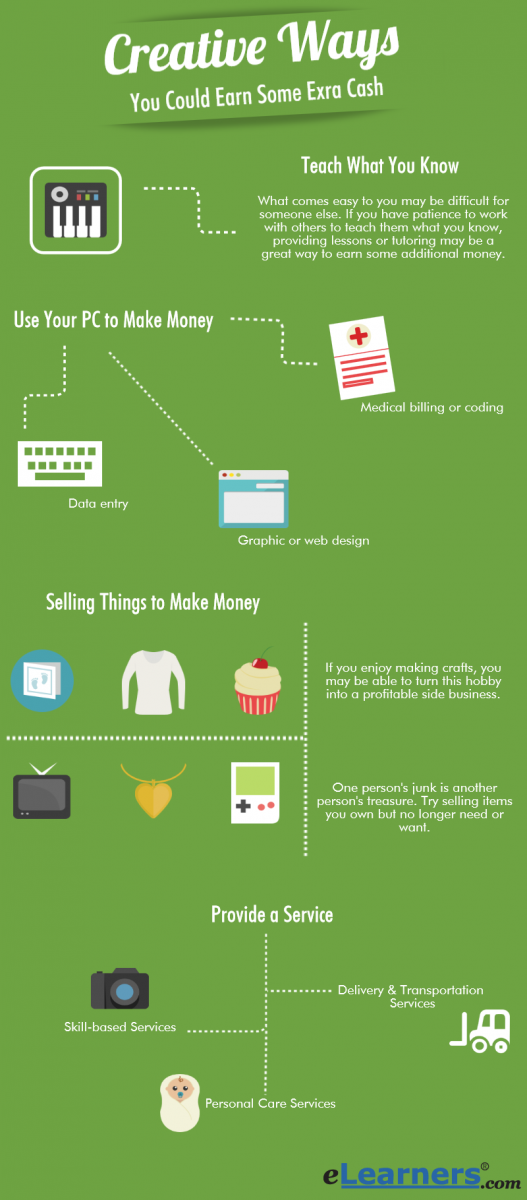
This guide explores the most effective, professional-grade methods to generate supplementary income, categorized by their scalability, effort, and financial return.
Leveraging the Digital Gig Economy
The global shift toward remote work has democratized access to high-paying freelance opportunities. Unlike the low-wage “micro-tasks” of the past, the contemporary gig economy rewards specialized knowledge and professional skill sets.
Freelancing and the Passion Economy
Freelancing remains the most direct route to earning extra cash for those with marketable skills such as writing, graphic design, software development, or digital marketing. Platforms like Upwork and Turo have evolved, but the real growth lies in the “Passion Economy.” This involves creators leveraging niche expertise to provide value directly to a target audience.
For instance, a corporate accountant might offer fractional CFO services to small startups. A teacher might create specialized curriculum sets for the home-schooling market. The key to success in this sector is specialization. By positioning yourself as an expert in a specific vertical, you can command higher hourly rates, ensuring that your “extra” hours are as profitable as possible.
Micro-tasking and Remote Support Roles
For those seeking lower barriers to entry, the administrative and support sector offers consistent supplemental income. Virtual assistant roles have expanded beyond simple scheduling to include social media management, customer success coordination, and data analysis. While the hourly rate may be lower than specialized consulting, the stability and volume of work available on platforms like Belay or Time etc. provide a reliable “cash floor” for your monthly budget.
Building Scalable Passive Income Streams
The pinnacle of personal finance management is the transition from active income (trading time for money) to passive income (earning while you sleep). While no stream is truly 100% passive—most require significant upfront investment of time or capital—digital products offer the highest scalability.
Digital Products and Content Monetization
Creating digital assets—such as e-books, online courses, or stock photography—allows you to “build once and sell many.” If you possess a skill that others want to learn, platforms like Teachable or Gumroad provide the infrastructure to monetize that knowledge.
Content monetization has also moved beyond simple ad revenue. Niche newsletters via Substack or specialized video content on YouTube allow for direct-to-consumer monetization through sponsorships and premium memberships. The strategy here is “Value First”: by establishing authority in a specific domain, you create a loyal audience that views your paid products as a natural extension of your expertise.
Affiliate Marketing and Strategic Referrals
Affiliate marketing involves earning a commission by promoting other people’s or companies’ products. To do this professionally, one must move beyond “spamming” links and focus on strategic content integration. This involves creating high-quality reviews, “how-to” guides, or comparison articles that genuinely help a consumer make a decision. When a purchase is made through your unique link, you receive a percentage of the sale. For those with a blog, a strong social media presence, or even a large professional network, affiliate marketing can become a substantial secondary revenue source with minimal ongoing maintenance.
Maximizing Existing Assets and Real-World Side Hustles
Sometimes, the best way to earn extra cash isn’t by learning a new skill, but by better utilizing the assets you already own. The sharing economy has turned underutilized property and equipment into high-yield revenue generators.

The Sharing Economy: Property and Vehicle Monetization
If you have a spare room, a secondary property, or even an empty garage, the real estate sharing market offers significant returns. Beyond the well-known Airbnb model, platforms like Neighbor allow individuals to rent out storage space, while Swimply lets homeowners rent out their pools by the hour.
Similarly, vehicle monetization has moved beyond ride-sharing (like Uber or Lyft). Platforms like Turo allow you to rent out your car when you aren’t using it, essentially turning a depreciating asset into a cash-flowing one. For those with specialized equipment—such as high-end cameras, power tools, or camping gear—peer-to-peer rental sites like Fat Llama provide a way to earn “rent” on items that would otherwise be sitting idle in a closet.
Flipping and Reselling in the Secondary Market
The “buy low, sell high” philosophy remains a cornerstone of wealth generation. Reselling involves sourcing undervalued items from thrift stores, estate sales, or clearance sections and selling them for a profit on platforms like eBay, Poshmark, or Amazon.
The professional approach to reselling requires a deep understanding of market trends and brand value. Successful “flippers” often focus on a specific niche—such as vintage electronics, designer handbags, or rare books—to ensure they can accurately spot a bargain and predict the eventual sale price. While this requires more physical labor than digital freelancing, the margins can be exceptionally high for those with a keen eye for value.
Investing as a Long-Term Cash Generator
While most people associate “earning extra cash” with active work, the most sustainable way to grow wealth is through strategic capital allocation. Using your existing savings to generate more money is the ultimate goal of personal finance.
Dividend Stocks and REITs
Investing in dividend-paying stocks allows you to receive a portion of a company’s earnings regularly. By focusing on “Dividend Aristocrats”—companies that have consistently increased their dividend payouts for 25 years or more—you can create a predictable stream of quarterly income.
For those interested in real estate without the hassle of property management, Real Estate Investment Trusts (REITs) are an excellent alternative. REITs are companies that own, operate, or finance income-producing real estate. By buying shares in a REIT, you receive a share of the rental income generated by commercial buildings, apartments, or warehouses, providing “extra cash” in the form of dividends.
High-Yield Savings and Fintech Tools
In a high-interest-rate environment, simply moving your cash from a traditional “big bank” savings account (which often pays near-zero interest) to a High-Yield Savings Account (HYSA) can generate hundreds or even thousands of dollars in passive interest annually. Furthermore, modern Fintech tools and peer-to-peer (P2P) lending platforms allow individuals to act as the “bank,” lending small amounts of money to others in exchange for interest payments. While P2P lending carries higher risk, it offers a diversified way to put idle cash to work.
Strategy for Success: Managing Your Extra Income
Earning the money is only half the battle; managing it professionally is what leads to long-term financial freedom. When you begin to earn extra cash, your financial profile becomes more complex, requiring a more disciplined approach to accounting and growth.
Tax Implications and Business Structuring
Many people forget that “extra cash” is taxable income. To avoid a significant surprise during tax season, it is vital to set aside a percentage of every side-hustle dollar for the government. In many jurisdictions, once your side income reaches a certain threshold, it may be beneficial to form a legal business entity (such as an LLC). This not only provides liability protection but may also allow you to deduct business-related expenses—such as your internet bill, a portion of your home office, or equipment—thereby reducing your overall tax burden.

Reinvestment and Compound Growth
The most successful earners don’t spend their “extra” cash on lifestyle inflation. Instead, they treat their side income as a seed for future growth. By reinvesting your profits back into your side hustle—whether through better equipment, paid advertising, or outsourcing menial tasks—you can scale your earnings exponentially.
Alternatively, funneling that extra cash into a retirement account or a brokerage account allows you to harness the power of compound interest. If you earn an extra $500 a month and invest it at a 7% annual return, in 20 years, that “extra cash” will have grown into nearly $260,000. This shift in mindset—from viewing extra income as “spending money” to viewing it as “investing capital”—is what separates a temporary side hustle from a permanent wealth-building engine.
By diversifying your efforts across the gig economy, passive digital assets, and strategic investments, you create a robust financial foundation that is resilient to market changes. The key to earning extra cash in the modern world is not just working harder, but working smarter by aligning your skills and assets with the needs of the marketplace.
aViewFromTheCave is a participant in the Amazon Services LLC Associates Program, an affiliate advertising program designed to provide a means for sites to earn advertising fees by advertising and linking to Amazon.com. Amazon, the Amazon logo, AmazonSupply, and the AmazonSupply logo are trademarks of Amazon.com, Inc. or its affiliates. As an Amazon Associate we earn affiliate commissions from qualifying purchases.