
The term “Silent Era” immediately conjures images of black and white films, exaggerated gestures, and intertitles. While these are certainly hallmarks, understanding the Silent Era goes far beyond the absence of spoken words. It was a transformative period in cinematic history, a foundational stage where storytelling techniques were forged, technological limitations spurred innovation, and the very language of film was being written. From a modern perspective, and considering the broader context of the website’s topics – Tech, Brand, and Money – the Silent Era offers fascinating insights into the genesis of visual communication, the power of innovative branding, and the economic realities that shaped this nascent industry.

The Birth of a Visual Language: Technology and the Art of Silent Storytelling
The Silent Era, generally spanning from the late 1890s to the late 1920s, was defined by the technological limitations of its time. Sound recording and synchronization were rudimentary, making spoken dialogue impractical for widespread film production. This constraint, however, was a powerful catalyst for creativity. Filmmakers were forced to develop a sophisticated visual language, relying heavily on technology – albeit nascent – to convey emotion, plot, and character.
Early Technological Innovations and Their Impact
The very invention of motion picture cameras and projectors by pioneers like the Lumière brothers and Thomas Edison laid the groundwork for this new medium. These early devices, while crude by today’s standards, were revolutionary. They allowed for the capturing and exhibition of moving images, a novelty that captivated audiences worldwide.
As the technology evolved, so did the filmmaking techniques. Early films were often simple “actualities” – recordings of everyday life. But filmmakers quickly realized the potential for narrative. This led to advancements like:
- Editing: The ability to cut and splice film allowed for the creation of sequences, parallel action, and the manipulation of time and space. Early editors experimented with different shot lengths and juxtapositions to build tension or create comedic effect.
- Camera Movement: Initially static, cameras began to move. Pans, tilts, and even early forms of tracking shots added dynamism and perspective, drawing the audience deeper into the scene.
- Close-ups and Medium Shots: As filmmakers understood the power of focusing attention, the use of close-ups to convey emotion and medium shots to establish character relationships became crucial. This was a deliberate technological choice to elicit specific viewer responses.
- Lighting Techniques: The manipulation of light and shadow became an art form in itself. High-contrast lighting could create dramatic moods, while softer lighting could evoke romance or melancholy. This technological control over illumination was essential for visual storytelling.
Intertitles: Bridging the Dialogue Gap
With no spoken dialogue, filmmakers relied on intertitles – text cards inserted into the film – to provide crucial information, dialogue, or exposition. These intertitles were not merely functional; they were crafted with specific fonts and styles that contributed to the film’s overall aesthetic and tone. The pacing of these intertitles was also critical, ensuring they didn’t disrupt the flow of the visual narrative. This represented an early form of content design, a precursor to the user interface (UI) elements we see in digital media today.
The Rise of Expressive Performance
The absence of dialogue also elevated the importance of physical performance. Actors had to communicate a wide range of emotions and intentions through facial expressions, gestures, and body language. This led to the development of highly stylized and expressive acting. Think of the iconic performances of Charlie Chaplin, Buster Keaton, and Mary Pickford – their ability to convey profound emotions and complex narratives through purely physical means is a testament to the power of visual storytelling, amplified by the technological limitations. This era showcased the raw potential of non-verbal communication, a skill that remains vital in today’s globalized and visually driven world, from social media content to international business presentations.
Branding the Silent Screen: Building Stars and Studios
The Silent Era wasn’t just about technological advancement; it was also a fertile ground for the birth of modern brand building, particularly in the realm of celebrity and corporate identity. The allure of the moving image created a unique opportunity to cultivate audiences and establish enduring cinematic legacies.
The Birth of the Movie Star: Persona and Promotion
With no reliance on dialogue to define characters, the visual persona of an actor became paramount. Studio moguls and marketing departments understood the immense power of creating and promoting “movie stars.” These were not just actors; they were carefully constructed brands.
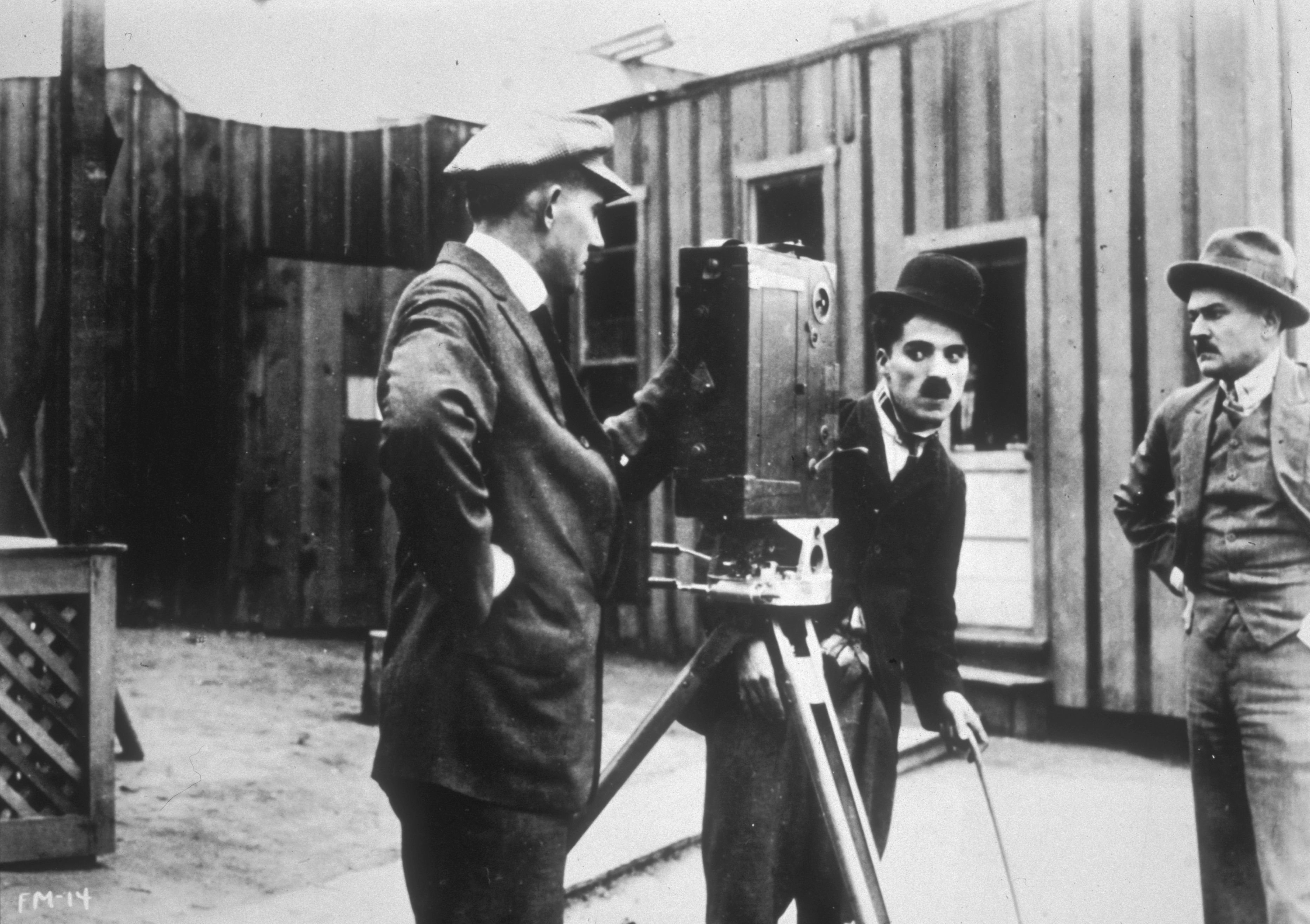
- Image Management: Studios meticulously controlled the image of their stars. Their costumes, hairstyles, and even their off-screen lives were often curated to create a specific public perception. This was an early form of celebrity branding, where a star’s name and face became synonymous with a particular type of film or emotional experience.
- Fan Culture: The burgeoning popularity of cinema led to the rise of fan magazines, fan clubs, and widespread public adoration. Stars like Douglas Fairbanks, Gloria Swanson, and Rudolph Valentino became international icons, their images plastered on merchandise and their lives dissected in the press. This was a direct consequence of effective branding, turning actors into aspirational figures.
- Genre Association: Certain stars became associated with specific genres. For instance, Harold Lloyd was known for his thrilling, daredevil comedies, while Greta Garbo embodied enigmatic glamour. This genre association was a form of brand differentiation, helping audiences know what to expect and choose films based on their preferred stars.
Studio System and Corporate Identity
Beyond individual stars, the Silent Era also saw the consolidation of power within major film studios. Companies like Paramount, MGM, and Warner Bros. began to emerge as formidable entities, each cultivating its own distinct identity and production style.
- Logo and Branding: The iconic logos of these studios, often appearing at the beginning of films, were early examples of powerful corporate branding. These symbols communicated prestige, quality, and a promise of entertainment.
- Production Values: Studios developed reputations for specific production values. One studio might be known for its lavish historical epics, while another might specialize in intimate dramas. This differentiation helped attract specific audiences and establish a loyal viewership.
- Vertical Integration: Many studios also engaged in vertical integration, controlling everything from film production to distribution and exhibition. This business strategy not only solidified their financial power but also allowed them to control the narrative and branding across the entire cinematic experience. This early form of brand control laid the groundwork for future media conglomerates.
The Economics of Silence: Monetization and the Business of Film
The Silent Era, despite its technological and artistic innovations, was fundamentally a business, and its economics were shaped by the unique challenges and opportunities of the time. Understanding these financial aspects provides valuable lessons applicable to modern digital economies and content creation.
Early Revenue Streams and Investment
The primary revenue stream for silent films was ticket sales at movie theaters. The novelty of moving pictures, combined with the star power generated by effective branding, drove massive audiences.
- Box Office Success: Blockbuster silent films could generate significant profits, attracting investment from entrepreneurs and financiers eager to capitalize on this new entertainment phenomenon.
- Distribution Networks: Studios developed sophisticated distribution networks to get their films to theaters across the country and internationally. The efficiency and reach of these networks were crucial for maximizing revenue.
- The Rise of Movie Palaces: As films grew in popularity and sophistication, so did the theaters. Grand “movie palaces” were built, designed to offer a luxurious and immersive experience, further increasing ticket sales and establishing cinema as a major entertainment industry. This was a strategic investment in the customer experience, a concept still vital today.
Challenges and Innovations in Monetization
The lack of synchronized sound presented unique economic challenges, but also spurred innovative solutions.
- Music and Sound Effects: While films were “silent” in terms of dialogue, they were rarely truly silent in the theater. Live musical accompaniment, ranging from solo pianists to full orchestras, was integral to the cinematic experience. Sound effects were also often provided live. This created an additional cost for exhibitors but also enhanced the emotional impact and, therefore, the perceived value of the film. This highlights how complementary services can add significant economic value to a core product.
- The Spectacle Factor: In the absence of dialogue, visual spectacle became even more important for drawing crowds. Grand sets, elaborate costumes, and dramatic action sequences were key selling points, driving up production costs but also ticket prices and attendance. This emphasis on visual appeal resonates with today’s demand for high-quality visual content across all platforms.
- The Dawn of Advertising: The burgeoning film industry quickly recognized the power of advertising. Promotional campaigns for new releases, star biographies, and even the studios themselves became essential. This was the genesis of modern film marketing, laying the foundation for the multi-million dollar advertising budgets we see today. The development of advertising strategies during the Silent Era was a crucial step in understanding how to monetize mass appeal.
The Transition to Sound: Economic Disruption and Opportunity
The advent of synchronized sound, particularly with the release of The Jazz Singer in 1927, marked the end of the Silent Era. This transition was not just a technological shift; it was an economic earthquake.
- Investment in New Technology: Studios and theaters had to invest heavily in new sound recording and projection equipment. This created significant financial strain for many.
- Impact on Stars and Careers: Some actors with strong screen presence but less compelling speaking voices saw their careers decline. Conversely, actors with distinct voices and strong vocal abilities found new opportunities. This demonstrates how technological disruption can fundamentally alter the economic landscape for individuals and businesses.
- New Revenue Streams: The introduction of sound opened up entirely new possibilities for storytelling and, consequently, new revenue streams. Musicals, dialogue-driven comedies, and dramas became more viable, expanding the market for films.

Conclusion: The Enduring Legacy of the Silent Era
The Silent Era, often viewed through a nostalgic lens, was a period of immense innovation and artistic daring. It was a time when the fundamental grammar of cinema was invented, driven by technological necessity and human ingenuity. The lessons learned in visual storytelling, the strategic art of branding stars and studios, and the early economics of a burgeoning entertainment industry continue to echo in our modern, digitally saturated world. From the subtle cues of a social media post to the carefully crafted brand identity of a tech startup, the principles forged in the flickering light of silent projectors remain remarkably relevant. The Silent Era reminds us that even in the absence of spoken words, powerful stories can be told, enduring brands can be built, and significant economic value can be created through visual communication and strategic innovation.
aViewFromTheCave is a participant in the Amazon Services LLC Associates Program, an affiliate advertising program designed to provide a means for sites to earn advertising fees by advertising and linking to Amazon.com. Amazon, the Amazon logo, AmazonSupply, and the AmazonSupply logo are trademarks of Amazon.com, Inc. or its affiliates. As an Amazon Associate we earn affiliate commissions from qualifying purchases.