
The question “how do I make money?” is one of the most fundamental inquiries in the modern economy, yet the answer has never been more complex or multifaceted. We are living in an era where the traditional boundaries of employment have dissolved, replaced by a landscape rich with digital opportunities, investment vehicles, and scalable business models. To truly answer this question, one must look beyond the simple exchange of time for a paycheck and explore the systems that allow for sustainable, long-term wealth generation.
This guide categorizes the most effective ways to generate income today, focusing on three core pillars: active income through high-value skills, passive income through digital assets, and wealth compounding through strategic investing.
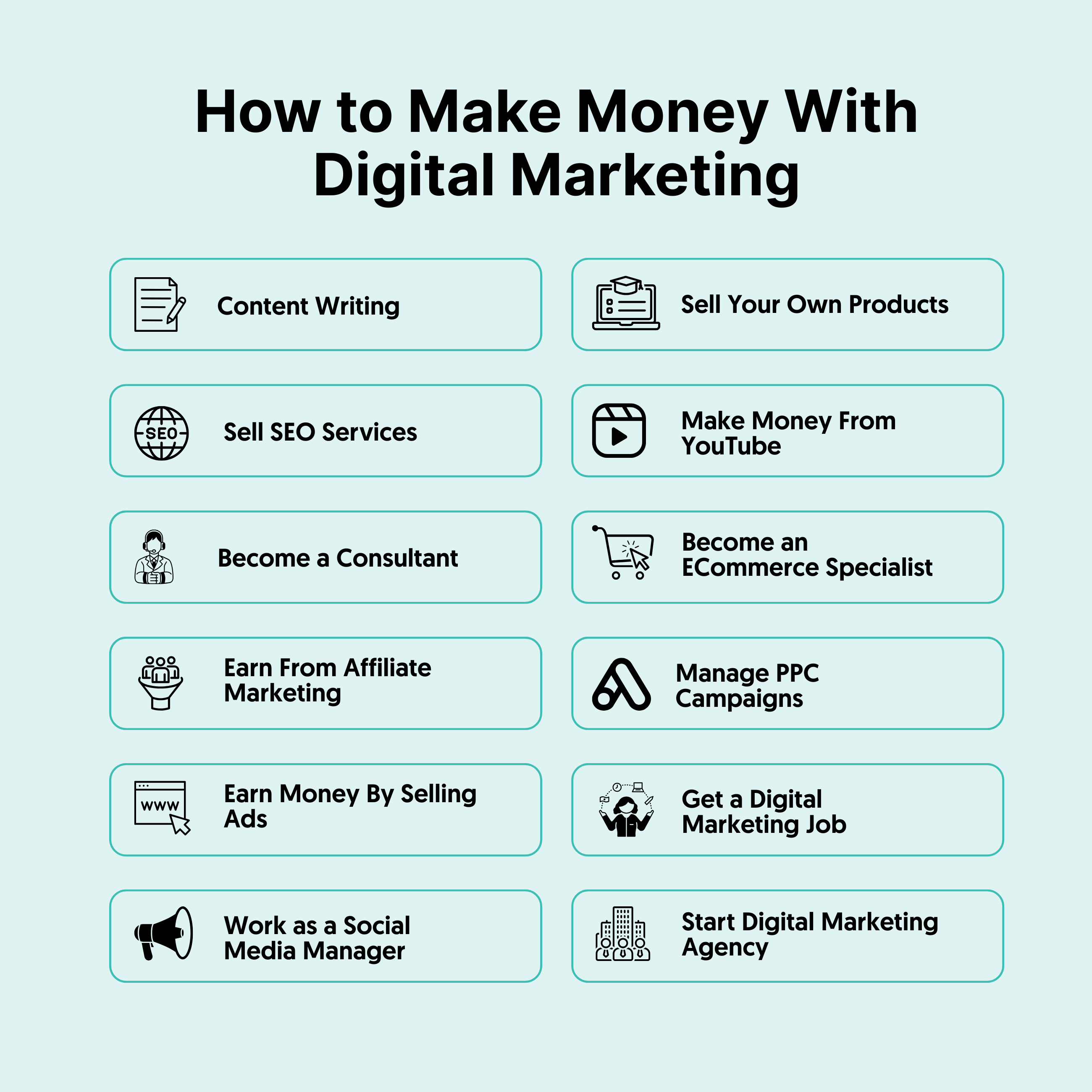
1. Active Income Optimization: Monetizing Expertise in the Digital Age
Active income remains the primary starting point for most wealth-building journeys. However, the modern approach to active income focuses on “high-ticket” skills and the “gig economy 2.0,” where professionals leverage technology to reach global markets.
High-Ticket Freelancing and Professional Services
The shift toward remote work has opened doors for specialized freelancers to earn significantly more than their salaried counterparts. To make substantial money in this sector, one must move away from generalist services and toward “high-ticket” niches. This includes specialized software development, high-level copywriting, digital marketing strategy, and technical consulting. By positioning yourself as an expert who solves high-value problems rather than a commodity provider, you can command premium rates. Platforms like Upwork and Toptal are starting points, but the real income potential lies in direct outreach and building a professional portfolio that demonstrates a clear Return on Investment (ROI) for clients.
The Rise of the Knowledge Entrepreneur
If you possess a specific set of professional skills, “consulting” is no longer limited to the corporate boardroom. Knowledge entrepreneurship involves packaging your expertise into a service-based business. This might take the form of business coaching, financial planning, or specialized technical training. The key to making money here is the “productization” of your service. Instead of billing by the hour, you bill by the project or the result. This aligns your incentives with your client’s success and allows you to increase your effective hourly rate as you become more efficient.
Mastering the Creator Economy
For those with a knack for communication and audience building, the creator economy offers a viable path to active income that eventually transitions into passive streams. Content creation on platforms like YouTube, LinkedIn, or specialized newsletters (like Substack) allows individuals to build personal brands that can be monetized through sponsorships, paid memberships, and direct product sales. While this path requires significant upfront time investment without immediate pay, the ceiling for earnings is virtually non-existent.
2. Digital Assets: Building Scalable Passive Income Streams
The true secret to wealth is decoupling your income from your time. Digital assets allow you to build something once and sell it repeatedly, creating a scalable income stream that operates 24/7.
E-commerce and the Evolution of Retail
E-commerce remains one of the most potent ways to make money online. While traditional dropshipping has become highly competitive, the “Private Label” and “Direct-to-Consumer” (DTC) models continue to thrive. By identifying gaps in the market—often using tools to analyze Amazon search data or social media trends—you can develop unique products. Leveraging fulfillment services like Amazon FBA (Fulfillment by Amazon) allows you to automate the logistics, turning a product-based business into a largely passive income source once the initial supply chain and marketing are established.
Developing and Selling Digital Products
Digital products—such as online courses, eBooks, software-as-a-service (SaaS) tools, and stock photography—carry nearly zero marginal cost of production. Once the product is created, every additional sale is almost pure profit. To succeed here, focus on solving a specific “pain point.” For example, a specialized Excel template for real estate investors or a comprehensive guide on mastering a specific programming language provides immediate value. The scalability of digital products makes them a cornerstone of modern financial independence.
Affiliate Marketing and Strategic Partnerships
Affiliate marketing involves earning a commission by promoting other people’s or companies’ products. To make significant money in this niche, you must build a “trust bridge” with an audience. Successful affiliate marketers use SEO (Search Engine Optimization) to drive traffic to high-quality review sites or use social media influence to recommend tools they genuinely use. By focusing on high-ticket affiliate programs—such as enterprise software or high-end financial services—you can earn substantial commissions from a relatively small number of conversions.
3. Strategic Investing: Growing Wealth through Capital Markets
Making money is only half the battle; the other half is keeping it and making it grow. Strategic investing is the process of putting your earned income to work in the capital markets to benefit from compound interest and asset appreciation.
The Power of Passive Indexing and ETFs
For the majority of people, the most reliable way to make money over the long term is through the stock market via low-cost index funds or Exchange-Traded Funds (ETFs). By tracking the performance of the broader market (such as the S&P 500), you benefit from the collective growth of the world’s most successful companies. This strategy requires patience and discipline, but historically, it has been the most consistent way to build multi-generational wealth. Modern financial tools and “Robo-advisors” have made this more accessible than ever, allowing for automated contributions and rebalancing.
Real Estate and Tangible Assets
Real estate remains a favorite vehicle for wealth creation due to its unique combination of cash flow (rental income), appreciation, and tax advantages. Whether it is residential “fix-and-flips,” long-term rentals, or Real Estate Investment Trusts (REITs) for those who prefer a hands-off approach, the real estate market provides a hedge against inflation. For those just starting, “house hacking”—living in one unit of a multi-unit property while renting out the others—is a proven method to eliminate living expenses and begin generating monthly income.
Dividend Growth Investing
Dividend investing is the practice of buying shares in companies that regularly distribute a portion of their earnings to shareholders. By focusing on “Dividend Aristocrats”—companies that have increased their dividends for at least 25 consecutive years—investors can create a growing stream of passive income. When these dividends are reinvested, they buy more shares, which in turn produce more dividends, creating a powerful compounding effect that can eventually cover an individual’s entire cost of living.
4. Financial Architecture: Protecting and Sustaining Your Capital
Making money is a hollow victory if it is lost to inefficiency, taxes, or poor management. Building a robust financial architecture ensures that your income streams are protected and optimized.
Tax Optimization and Legal Structuring
As your income grows, your largest expense will likely be taxes. Understanding the difference between earned income, capital gains, and passive income is crucial. Utilizing tax-advantaged accounts (such as 401(k)s, IRAs, or HSAs in the US, or similar structures globally) can save hundreds of thousands of dollars over a lifetime. Furthermore, structuring your business activities through legal entities like LLCs or Corporations can provide both liability protection and potential tax benefits. Consulting with a tax professional is an essential step in the transition from “making money” to “managing wealth.”
Managing Cash Flow for Reinvestment
Many people fail to build wealth because they fall into the trap of “lifestyle inflation”—increasing their spending as their income rises. To truly make money work for you, you must maintain a high savings rate and a disciplined reinvestment strategy. Treat your personal finances like a business: track your cash flow, identify unnecessary “burn,” and allocate a percentage of every dollar earned back into your income-producing assets. This creates a virtuous cycle where your assets eventually generate enough income to fund your lifestyle.
The Importance of Continuous Skill Acquisition
In a rapidly changing economy, the most valuable asset you have is your “human capital.” The ability to adapt to new technologies (like AI and automation) and market shifts is the ultimate form of financial security. Investing in your own education—whether through certifications, seminars, or self-directed learning—directly increases your earning potential. The most successful earners are those who view themselves as lifelong students of the market.

Conclusion
Making money in the modern era is less about finding a single “job” and more about building an ecosystem of income streams. By maximizing your active income through high-value skills, creating scalable digital assets, and consistently investing in the capital markets, you create a diversified financial foundation. The journey from financial curiosity to financial freedom requires a shift in mindset: seeing money not just as a tool for consumption, but as a seed for future growth. With discipline, strategic planning, and a commitment to continuous learning, the question of “how to make money” transforms into a blueprint for lasting prosperity.
aViewFromTheCave is a participant in the Amazon Services LLC Associates Program, an affiliate advertising program designed to provide a means for sites to earn advertising fees by advertising and linking to Amazon.com. Amazon, the Amazon logo, AmazonSupply, and the AmazonSupply logo are trademarks of Amazon.com, Inc. or its affiliates. As an Amazon Associate we earn affiliate commissions from qualifying purchases.