
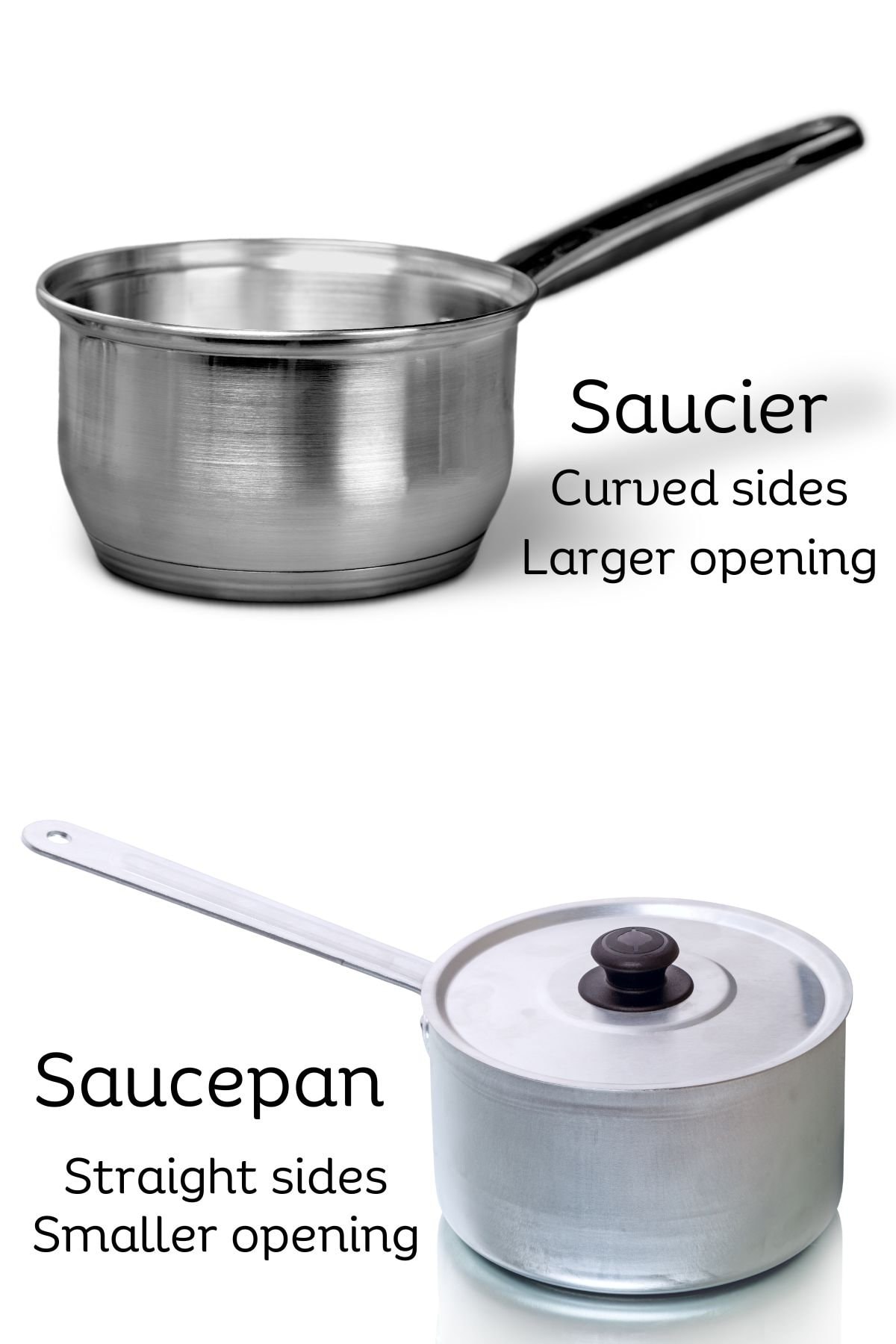
At its core, a saucepan is a fundamental kitchen vessel, a ubiquitous tool found in nearly every culinary space, from the humblest home kitchen to the most prestigious Michelin-starred restaurant. Defined by its deep, typically round shape, flat bottom, and a long handle designed for easy manipulation and pouring, the saucepan is engineered for tasks involving liquids. Whether simmering a delicate bisque, boiling pasta, reducing a robust sauce, or preparing grains, its primary purpose is to evenly distribute heat and efficiently cook, heat, or reduce food that requires significant liquid content.
While its form and function appear straightforward, the modern saucepan is far more than just a metal pot with a handle. In an era where technology constantly redefines our daily lives, where brands fiercely compete for consumer loyalty, and where financial savvy dictates purchasing decisions, the humble saucepan has surprisingly intricate connections to these broader themes. This article will delve beyond its basic definition, exploring how this essential piece of cookware intersects with cutting-edge technology, sophisticated branding strategies, and astute financial considerations, transforming it from a simple utensil into a product deeply embedded within the modern consumer landscape.

The Saucepan in the Age of Technology
The kitchen, once considered a sanctuary from the digital world, is rapidly becoming a hub of technological innovation. From smart appliances to AI-powered recipe generators, technology is reshaping how we cook, eat, and interact with our culinary tools. The saucepan, seemingly a relic of pre-industrial design, is not immune to these advancements, embodying them through its material science, manufacturing processes, and potential for integration into the smart home ecosystem.
Evolution of Materials and Manufacturing
The journey of the saucepan began with basic metals like cast iron and copper. While still valued for their specific properties, modern manufacturing techniques and material science have propelled cookware into a new era of performance and durability. Today’s saucepans are marvels of engineering, often featuring multi-ply construction (layers of different metals like stainless steel, aluminum, and copper for optimal heat distribution), advanced non-stick coatings (PTFE, ceramic, or diamond-infused surfaces), and specialized bases designed for induction compatibility.
The development of induction-ready cookware, for instance, is a direct technological response to a growing energy-efficient cooking trend. Induction cooktops rely on electromagnetic fields to directly heat the pan, demanding specific ferromagnetic materials in the saucepan’s base. This technological shift has spurred innovation in alloy development and bonding processes. Similarly, the evolution of non-stick coatings, moving from early, less durable solutions to robust, PFOA-free alternatives, showcases a blend of chemical engineering and consumer safety demands. Each iteration represents a significant investment in research and development, aiming to enhance heat efficiency, durability, ease of cleaning, and overall user experience. This continuous innovation positions the saucepan not just as a static tool, but as a product of ongoing technological refinement.
Smart Kitchen Integration and IoT Cookware
The rise of the Internet of Things (IoT) has brought connectivity to an array of household items, and the kitchen is no exception. While a fully “smart saucepan” might still seem futuristic, the groundwork for integrating cookware into a connected kitchen ecosystem is already being laid. Imagine saucepans equipped with embedded temperature sensors that communicate in real-time with an app on your smartphone, allowing for precise temperature control and preventing scorching or over-boiling. Some existing smart cooking systems already feature external temperature probes that clip onto pans, offering a glimpse into this integrated future.
Further innovations could include automated stirring mechanisms (perhaps integrated into a lid or base), weight sensors for precise ingredient measurement, or even visual recognition systems that analyze the contents of the pan. These “gadgets” within the saucepan category aim to automate repetitive tasks, ensure consistent results, and provide data-driven insights into cooking processes. Beyond mere convenience, such technological advancements promise enhanced safety (e.g., automatic shut-off when liquid evaporates) and greater precision, making complex culinary techniques accessible to a wider audience. The saucepan, traditionally a passive vessel, is poised to become an active participant in the digital kitchen.
Digital Productivity and Culinary AI
Beyond physical hardware, software and artificial intelligence are revolutionizing how we plan, execute, and even learn about cooking. AI-powered recipe apps can suggest meals based on dietary preferences, available ingredients, and even the type of cookware on hand. These applications often provide step-by-step instructions, complete with timers and prompts for when to add ingredients or adjust heat, implicitly guiding the user in their use of specific tools like a saucepan.
Productivity tools extend to digital grocery lists that integrate with recipes, inventory management systems that track pantry items, and even personalized cooking tutorials that adapt to a user’s skill level. For a saucepan, this means that its selection and optimal use can be guided by intelligent algorithms. An AI might recommend a specific size or material of saucepan for a particular dish to achieve the best results, or troubleshoot common cooking issues related to pan usage. By streamlining meal planning, execution, and learning, these digital tools enhance overall culinary productivity, ensuring that the humble saucepan is utilized to its fullest potential within a technologically augmented cooking workflow.
Crafting Identity: The Saucepan and Branding
In a saturated market, a product’s identity—its brand—is paramount. For something as seemingly utilitarian as a saucepan, branding goes far beyond a logo; it encompasses design, material choice, marketing narratives, and the perceived value it offers. Brands strategically differentiate their saucepans to appeal to various segments, transforming a simple cooking vessel into a statement of quality, style, or professional aspiration.
Brand Strategy in Cookware Design and Marketing
Leading cookware brands like All-Clad, Le Creuset, and T-fal exemplify diverse branding strategies. All-Clad positions itself as a premium, professional-grade brand, emphasizing multi-ply construction, superior heat distribution, and American manufacturing. Their marketing highlights durability and performance, often targeting serious home cooks and professional chefs willing to “invest” in their tools. Le Creuset, on the other hand, is synonymous with vibrant enamel-coated cast iron, focusing on heritage, aesthetic appeal, and the communal joy of cooking. Their brand strategy leans into lifestyle, design, and emotional connection, often featuring rich color palettes and classic French culinary traditions. T-fal, conversely, built its brand on innovation and accessibility, pioneering non-stick coatings and marketing convenience and ease of use to a broader, budget-conscious market.
The design of a saucepan—from the ergonomic curve of its handle to the material finish of its exterior—is a critical component of its brand identity. A brushed stainless steel finish conveys professionalism, while a brightly colored enameled exterior exudes warmth and personality. Marketing campaigns leverage these design elements, telling stories about the provenance of materials, the precision of craftsmanship, or the culinary experiences a specific saucepan enables. Through consistent messaging, design language, and strategic positioning, brands imbue their saucepans with distinct personalities and perceived values, shaping consumer choice beyond mere functionality.
The Saucepan as a Statement: Personal and Professional Branding
For many, especially those in the culinary sphere, the tools they use are an extension of their personal or professional brand. A renowned chef might exclusively use a certain brand of copper saucepans not just for their thermal properties, but because they align with their culinary philosophy and aesthetic. Food bloggers and social media influencers often curate their kitchenware, including their saucepans, to project a specific image—be it rustic charm, minimalist modernism, or high-tech sophistication.
In the realm of personal branding, the choice of a saucepan can signal values. Opting for ethically sourced, sustainably manufactured cookware might align with an individual’s commitment to eco-conscious living. For professional chefs, their choice of cookware contributes to their reputation for precision, quality, or a particular culinary style. A high-quality, well-maintained saucepan collection can signal dedication to craft and attention to detail. Thus, the saucepan transcends its utility to become a visual cue, a prop in culinary storytelling, and an embodiment of one’s identity within the broader food community, whether on screen or in a professional kitchen.
The Financial Savvy of Saucepan Selection
Beyond their functional and aesthetic roles, saucepans also represent a financial decision. Whether equipping a first apartment kitchen, upgrading an existing collection, or outfitting a commercial establishment, the selection of cookware involves considerations of initial cost, long-term value, and potential for generating income. Making informed choices about saucepans can therefore be an act of astute personal and business finance.
Investing in Durability: A Long-Term Financial Perspective
For many kitchen items, particularly those used frequently, the adage “buy cheap, buy twice” holds true. This is especially pertinent for saucepans. While a low-cost saucepan might seem appealing initially, it often leads to premature wear, uneven cooking, or the need for frequent replacement. Investing in a high-quality saucepan—one made from durable materials, with robust construction and a reputable brand—can be a more financially sound decision in the long run.
A premium saucepan, though pricier upfront, offers superior performance (better heat distribution, less scorching), greater longevity, and often comes with extensive warranties, minimizing future replacement costs. When considering the “total cost of ownership,” a saucepan that lasts 10-20 years can prove more economical than repeatedly purchasing cheaper alternatives every few years. This concept of investing in durability applies to personal finance in the kitchen, where a well-chosen saucepan becomes a valuable asset rather than a disposable commodity, contributing to both culinary pleasure and fiscal prudence. Savvy consumers analyze reviews, compare materials, and consider the lifespan of a product, treating their cookware purchases as a long-term investment.

Cookware as a Catalyst for Online Income and Side Hustles
In the digital age, culinary skills and kitchen tools can be direct avenues to generate online income and fuel side hustles. For content creators, the saucepan is an indispensable prop and tool. Food bloggers, YouTubers, and social media chefs rely on their cookware to produce appealing visual content and demonstrate recipes. A well-chosen saucepan, in this context, is not just for cooking but for creating marketable content. High-quality cooking demonstrations, enabled by reliable tools, attract viewership and engagement, which can be monetized through advertising, sponsorships, or affiliate marketing.
Beyond content creation, saucepans are central to various food-related side hustles. Home bakers or caterers starting small businesses from their kitchens require functional, professional-grade saucepans to prepare ingredients efficiently and consistently. For those engaged in product reviews or affiliate marketing, reviewing different brands and types of saucepans can generate commissions. Even selling homemade products online, such as specialty sauces or jams, directly involves the use of saucepans and transforms them into essential business assets. Thus, a saucepan can transition from a simple kitchen tool to a critical piece of equipment for entrepreneurs looking to leverage their culinary talents for financial gain.
In conclusion, the saucepan, an object seemingly straightforward in its design and purpose, reveals itself to be a complex nexus of innovation, identity, and investment. From the technological marvels embedded in its material science and its potential for smart integration, to the carefully crafted brand narratives that define its market presence, and the astute financial considerations that underpin its purchase and use in various income-generating ventures, the saucepan is far from simple. It stands as a testament to how even the most basic household items are shaped by and contribute to the broader trends of technology, branding, and finance in our modern world. Understanding “what is a saucepan” in the 21st century means appreciating these multifaceted connections that extend far beyond the kitchen counter.
aViewFromTheCave is a participant in the Amazon Services LLC Associates Program, an affiliate advertising program designed to provide a means for sites to earn advertising fees by advertising and linking to Amazon.com. Amazon, the Amazon logo, AmazonSupply, and the AmazonSupply logo are trademarks of Amazon.com, Inc. or its affiliates. As an Amazon Associate we earn affiliate commissions from qualifying purchases.