
The golden years of life should be a time of comfort, security, and continued engagement. However, for many seniors, maintaining independence while managing the increasing demands of daily living can become a significant challenge. This is where residential assisted living emerges as a vital solution, offering a bridge between independent living and more intensive medical care. But what exactly is residential assisted living, and how can we approach this important aspect of senior care through the lenses of technology, branding, and financial planning?
This article delves into the multifaceted world of residential assisted living, exploring its core offerings and then examining it through the strategic frameworks of the tech, brand, and money domains. By understanding how these areas intersect with senior care, we can make more informed decisions for ourselves and our loved ones, ensuring a higher quality of life during retirement.

Understanding the Core of Residential Assisted Living
At its heart, residential assisted living is a type of housing that provides a supportive environment for seniors who need assistance with everyday tasks but do not require 24/7 skilled nursing care. Unlike traditional nursing homes, which are primarily medical facilities, assisted living communities are designed to offer a home-like atmosphere combined with personalized support services.
The Spectrum of Support
The “assistance” in residential assisted living is not a one-size-fits-all proposition. It’s a spectrum of services tailored to individual needs. Common areas where residents receive support include:
- Personal Care: This encompasses help with activities of daily living (ADLs) such as bathing, dressing, grooming, toileting, and transferring. Trained caregivers are available to provide this support with dignity and respect.
- Medication Management: For seniors who have complex medication schedules or difficulty remembering to take their pills, assisted living communities often offer assistance with medication reminders and administration.
- Meal Preparation and Dining: Nutritious meals are typically provided in a communal dining area, fostering social interaction. Residents with dietary restrictions can usually be accommodated.
- Housekeeping and Laundry: Regular housekeeping and laundry services are usually included, freeing residents from these demanding chores.
- Transportation: Many communities offer scheduled transportation services for medical appointments, shopping trips, and outings.
- Social and Recreational Activities: A key component of assisted living is promoting an active and engaged lifestyle. Communities typically offer a range of activities, from fitness classes and bingo to arts and crafts and day trips, all designed to stimulate both mind and body and combat social isolation.
The “Residential” Aspect
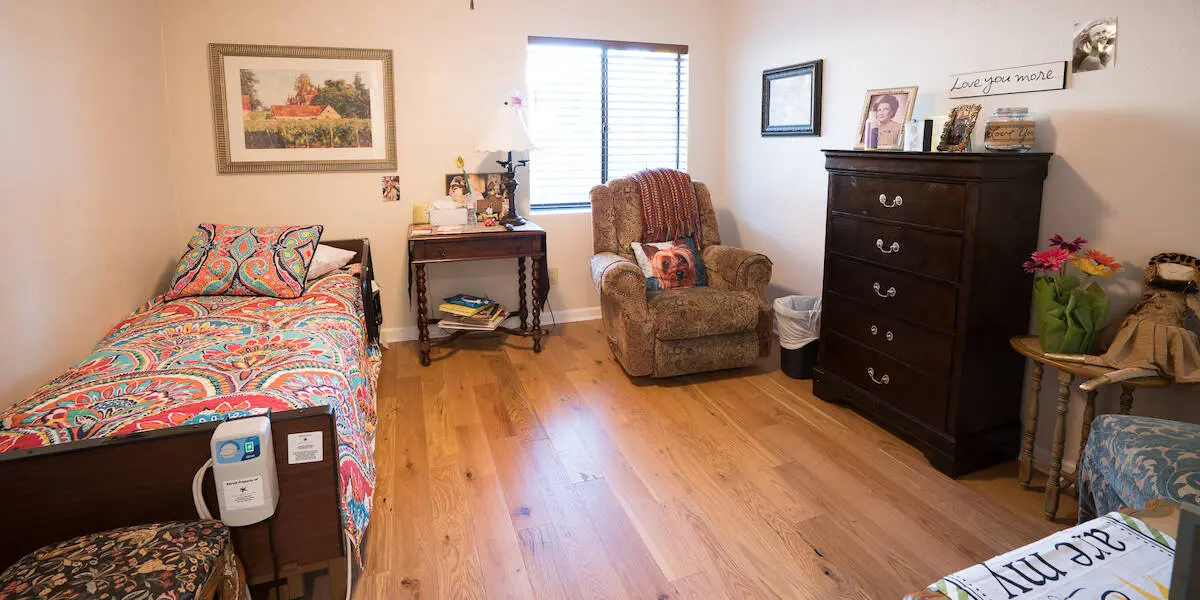
The “residential” element is crucial. These are not sterile hospital-like environments. Instead, they are typically apartment-style residences, often featuring private or semi-private living spaces, communal dining rooms, lounges, and outdoor areas. The goal is to create a comfortable, familiar, and engaging community where seniors can maintain a sense of independence and privacy while having access to the support they need.
Embracing Technology in Assisted Living: Enhancing Safety, Connection, and Efficiency
The integration of technology into residential assisted living is rapidly transforming the landscape of senior care. From ensuring resident safety to fostering social connections and streamlining operations, technology offers a powerful suite of tools that benefit both residents and providers.
Smart Solutions for Safety and Well-being
- Wearable Devices and Sensors: Wearable devices, often disguised as watches or pendants, can monitor vital signs, detect falls, and provide a quick way for residents to call for help. In-home sensors can track movement patterns, alerting staff to potential issues like prolonged inactivity or a resident wandering into a restricted area. These technologies offer peace of mind to families, knowing their loved ones are being monitored unobtrusively.
- Emergency Response Systems: Beyond personal alert devices, many communities are implementing sophisticated emergency call systems integrated into the living spaces, ensuring immediate assistance is always within reach.
- Smart Home Technology: Voice-activated assistants can help residents control lights, adjust thermostats, and even make calls, offering greater autonomy and convenience. For individuals with cognitive impairments, these tools can provide simple reminders for medication or appointments.
- Telehealth and Remote Monitoring: The rise of telehealth allows for virtual doctor’s visits, reducing the need for travel. Remote monitoring systems can track health data and transmit it to healthcare providers, enabling proactive interventions and personalized care plans.
Connecting Residents and Their Families
- Communication Platforms: Dedicated apps and online portals allow families to stay connected with their loved ones. These platforms can facilitate secure messaging, photo sharing, and even video calls, bridging geographical distances and fostering a stronger sense of community.
- Virtual Reality (VR) and Augmented Reality (AR): While still emerging, VR and AR technologies hold immense potential for assisted living. VR can offer immersive experiences, allowing residents to “travel” to places they can no longer physically visit, rekindling memories and providing stimulating engagement. AR can be used for memory aids, displaying photos or information about objects when a resident looks at them.
Streamlining Operations and Care Delivery
- Electronic Health Records (EHRs): Digitizing resident health records improves accuracy, accessibility, and efficiency. Caregivers can access up-to-date information on resident needs, preferences, and medical histories, leading to more personalized and effective care.
- AI-Powered Tools: Artificial intelligence is beginning to play a role in predicting resident needs, optimizing staffing schedules, and even personalizing activity recommendations. AI can analyze data to identify potential health risks before they become serious issues.
- Digital Wayfinding and Engagement Apps: For larger communities, digital wayfinding systems can help residents navigate the campus. Engagement apps can provide residents with a personalized schedule of activities and information about community events, encouraging participation.
The strategic adoption of technology in residential assisted living is not just about gadgets; it’s about leveraging innovation to create a safer, more connected, and higher-quality living experience for seniors.
Crafting a Resilient Brand for Residential Assisted Living Communities
In a sector as sensitive and personal as senior care, a strong and trustworthy brand is paramount. For residential assisted living communities, building and maintaining a compelling brand is not just about marketing; it’s about cultivating trust, conveying quality, and communicating a clear value proposition that resonates with both seniors and their families.

Defining the Core Brand Identity
The first step in building a strong brand is to clearly define its core identity. This involves understanding:
- Mission and Values: What is the fundamental purpose of the community? What principles guide its operations and resident care? Authenticity in these areas builds trust.
- Target Audience: While the ultimate resident is a senior, the decision-makers and influencers are often their adult children or other family members. Understanding their concerns, aspirations, and pain points is crucial.
- Unique Selling Proposition (USP): What makes this assisted living community stand out from the competition? Is it exceptional staff-to-resident ratios, specialized memory care programs, a vibrant social calendar, or a particular focus on holistic wellness?
Building Trust Through Transparency and Reputation
- Consistent Messaging: Every touchpoint, from the website and brochures to staff interactions and resident testimonials, should reflect the brand’s core identity. Inconsistencies erode trust.
- Online Reputation Management: In today’s digital age, online reviews and testimonials significantly influence decision-making. Communities must actively monitor their online presence, respond to feedback (both positive and negative) professionally, and encourage satisfied residents and families to share their experiences.
- Testimonials and Case Studies: Real-life stories of how the community has positively impacted residents’ lives are powerful branding tools. Highlighting successful transitions, improved well-being, and a renewed sense of purpose through well-crafted testimonials and case studies can be highly persuasive.
- Community Engagement: Actively participating in local community events, offering educational seminars on senior care, and fostering partnerships with local healthcare providers can enhance the brand’s visibility and reputation as a caring and engaged organization.
Visual Branding and Experiential Design
- Professional Design: The visual elements of a brand – logo, website design, interior décor, and marketing materials – play a significant role in perception. A warm, inviting, and professional aesthetic signals quality and care.
- The Resident Experience: The most potent branding occurs in the lived experience of residents. A friendly and attentive staff, a clean and well-maintained environment, engaging activities, and a palpable sense of community are the bedrock of a strong brand reputation. Positive word-of-mouth, driven by genuine satisfaction, is the most valuable form of marketing.
By strategically investing in branding, residential assisted living communities can cultivate a reputation that not only attracts new residents but also assures families that they are choosing a safe, supportive, and enriching environment for their loved ones.
Navigating the Financial Landscape of Residential Assisted Living
Making the decision to move into residential assisted living often involves significant financial considerations. Understanding the costs, available funding options, and financial planning strategies is crucial for ensuring this transition is as smooth and financially manageable as possible.
Understanding the Cost Structure
The cost of residential assisted living can vary widely based on factors such as location, the size and type of accommodation, the level of care required, and the amenities offered by the community. Generally, the monthly fee covers:
- Housing: This includes the private or semi-private living space, utilities, and maintenance.
- Personal Care Services: The core of the fee is for assistance with ADLs and other support services. These are often tiered, meaning costs can increase as a resident’s needs evolve.
- Meals: Typically, at least two to three meals per day are included.
- Activities and Amenities: Access to recreational programs, social events, and communal facilities.
- Transportation Services: Scheduled transport to appointments and errands.
Funding Options and Financial Planning
Navigating the funding for assisted living requires careful consideration of various sources:
- Private Funds: Many residents finance assisted living through personal savings, investments, or the sale of their homes. This is often the most straightforward method.
- Long-Term Care Insurance: This specialized insurance policy can help cover the costs of assisted living and other long-term care services. It’s crucial to understand the policy’s coverage details, waiting periods, and benefit limits.
- Veterans Benefits: Eligible veterans and surviving spouses may be able to access Aid and Attendance benefits, which can provide a monthly stipend to help cover the cost of care.
- Reverse Mortgages: For homeowners, a reverse mortgage can provide access to equity in their home, which can then be used to fund assisted living. However, this is a complex financial product with specific eligibility requirements and potential long-term implications.
- Life Settlements: In some cases, individuals may be able to sell their life insurance policy for a lump sum of cash, which can then be used to fund care. This is typically an option for those with significant life insurance policies and serious health conditions.
Making Informed Financial Decisions
- Budgeting and Financial Projections: It’s essential to create a realistic budget that accounts for current and projected expenses. Seeking advice from a financial advisor specializing in elder care can be invaluable.
- Understanding Contracts: Thoroughly review all contracts and service agreements with the assisted living community. Pay close attention to what is included in the base rate, potential extra charges, and the process for price increases.
- Exploring Tax Implications: Consult with a tax professional to understand any potential tax deductions or credits available for assisted living expenses.
By proactively engaging in financial planning and exploring all available funding avenues, seniors and their families can make the move to residential assisted living a financially sound decision that prioritizes well-being and security.
Conclusion: A Holistic Approach to Senior Living
Residential assisted living represents a vital and evolving sector within senior care, offering a balanced approach that preserves independence while providing essential support. By integrating cutting-edge technology, building strong and trustworthy brands, and navigating the financial aspects with savvy planning, we can ensure that this crucial stage of life is characterized by comfort, dignity, and continued joy. The intersection of these domains allows for a more informed, empowering, and ultimately, more fulfilling experience for seniors and their families.
aViewFromTheCave is a participant in the Amazon Services LLC Associates Program, an affiliate advertising program designed to provide a means for sites to earn advertising fees by advertising and linking to Amazon.com. Amazon, the Amazon logo, AmazonSupply, and the AmazonSupply logo are trademarks of Amazon.com, Inc. or its affiliates. As an Amazon Associate we earn affiliate commissions from qualifying purchases.