
In the complex landscape of higher education, prospective students and their families grapple with numerous decisions, from choosing a major to selecting the right campus environment. Amidst these crucial choices, one often overlooked but profoundly important factor stands out: accreditation. Specifically, understanding “regional accreditation” is not merely an academic nuance; it is a critical financial determinant that can make or break the value of your educational investment, your access to financial aid, and your long-term career prospects. This guide delves into what regional accreditation truly means and, more importantly, why it represents a cornerstone of sound financial planning for your academic journey.
The Foundation of Educational Quality and Financial Eligibility
At its core, regional accreditation serves as a rigorous stamp of approval, signifying that an educational institution meets or exceeds a set of quality standards established by an external, independent agency. This voluntary, peer-review process evaluates everything from an institution’s academic programs and faculty qualifications to its student services, financial stability, and mission fulfillment.
Defining Regional Accreditation in the Educational Landscape
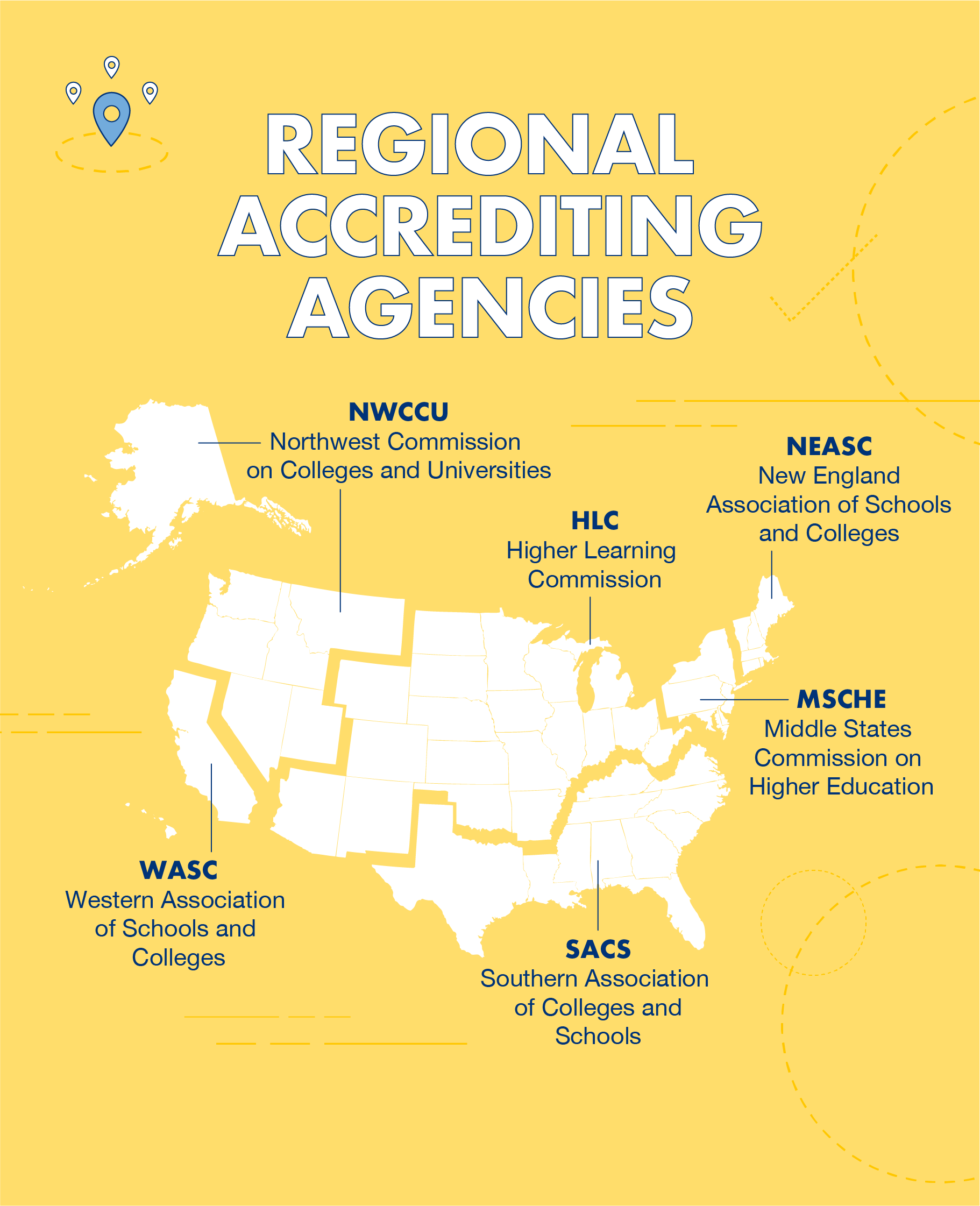
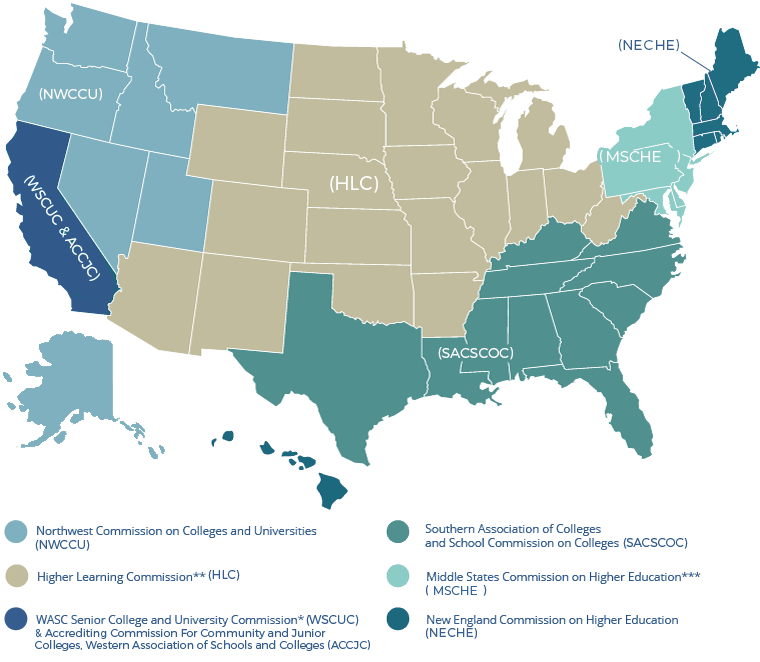
Regional accreditation is granted by one of seven U.S. regional accrediting agencies, each overseeing institutions within a specific geographic area. These agencies are recognized by the Council for Higher Education Accreditation (CHEA) and the U.S. Department of Education, providing a critical layer of oversight and quality assurance. Historically, these agencies have focused on comprehensive universities and colleges offering a broad range of degrees, from associate to doctoral levels.
The process is cyclical, involving self-studies, peer evaluations, and regular reviews, ensuring ongoing adherence to high standards. For students, this translates into an assurance that their educational experience is robust, respected, and designed to prepare them effectively for future academic or professional pursuits. It’s an assurance not just of academic rigor but also of the institution’s operational integrity, including its financial health, which indirectly protects student investments.
Distinguishing Regional vs. National Accreditation
While regional accreditation is the gold standard for most traditional non-profit colleges and universities, another type, national accreditation, also exists. National accreditors typically oversee career-focused institutions, vocational schools, and some for-profit colleges. The distinction between these two forms of accreditation carries significant financial implications:
- Perceived Value and Reputation: Regionally accredited institutions generally hold a higher academic prestige and are more widely recognized across the broader higher education community and by employers.
- Transferability of Credits: This is perhaps the most significant financial differentiator. Credits earned at regionally accredited institutions are far more likely to be accepted by other regionally accredited schools. Transferring credits from nationally accredited schools to regionally accredited ones can be exceedingly difficult, often resulting in students having to retake courses and effectively pay for their education twice—a substantial financial burden.
- Financial Aid Eligibility: While both types of accreditation can make an institution eligible for federal financial aid, the vast majority of federal financial aid dollars flow to regionally accredited institutions. The acceptance of regionally accredited degrees for professional licensure, graduate school admissions, and employment also tends to be universal, providing a much more secure financial future for graduates.
Why Accreditation Matters Financially for Students
Understanding accreditation is paramount for prospective students because it directly underpins access to vital financial resources and the ultimate return on investment in their education. Without regional accreditation, students often find themselves ineligible for the primary sources of funding that make higher education accessible:
- Federal Financial Aid: This includes Pell Grants, subsidized and unsubsidized Stafford Loans, Perkins Loans, and PLUS Loans. These programs collectively represent billions of dollars in student aid annually, and an institution must be accredited by a federally recognized agency to participate. Regional accreditation is the most common and widely accepted pathway to this eligibility.
- GI Bill Benefits: For veterans and their dependents, regional accreditation is a key requirement for using their hard-earned GI Bill benefits to cover tuition, housing, and other educational expenses.
- Other Funding Sources: Many state grants, institutional scholarships, and even some private student loan programs prioritize or exclusively fund students attending regionally accredited institutions, further emphasizing its financial importance.
The Financial Lifeline: How Regional Accreditation Impacts Student Funding
The sheer cost of higher education makes financial aid a necessity for millions of students. Regional accreditation acts as the primary gatekeeper to this financial assistance, directly influencing a student’s ability to afford college and pursue their educational aspirations without insurmountable debt.
Accessing Federal Student Aid (FAFSA): A Non-Negotiable Requirement
The Free Application for Federal Student Aid (FAFSA) is the gateway to the largest source of student financial aid in the country. However, only institutions accredited by agencies recognized by the U.S. Department of Education are eligible to disburse federal student aid. While national accreditation technically allows for federal aid eligibility, regional accreditation remains the dominant and preferred standard for institutions participating in these programs. For the vast majority of students aiming for a traditional college degree, attending a regionally accredited institution is a non-negotiable requirement for unlocking federal grants and loans that can significantly reduce out-of-pocket expenses. Choosing an unaccredited institution, or one with less widely recognized accreditation, means foregoing this critical financial lifeline.
The Role in State Grants, Scholarships, and Private Loans
Beyond federal aid, regional accreditation also plays a pivotal role in accessing other forms of financial assistance. Many state-funded grant programs, which are often need-based, limit eligibility to students attending regionally accredited colleges and universities within their state. Similarly, a multitude of private scholarships offered by foundations, corporations, and community organizations often stipulate that recipients must be enrolled in an institution with recognized regional accreditation.
Even private student lenders, while operating outside the federal system, frequently use regional accreditation as a critical benchmark for institutional legitimacy and quality. Lenders perceive a lower risk in financing education at schools that have undergone rigorous regional accreditation reviews, making it easier for students at these institutions to secure private educational loans if needed. This collective reliance on regional accreditation across various funding sources underscores its indispensable financial role.
Transferring Credits and the Avoidance of Wasted Tuition
One of the most insidious financial traps students can fall into is earning credits that cannot transfer to another institution. This often happens when students move from a nationally accredited school to a regionally accredited one, or from an unaccredited institution. Each non-transferable credit hour represents wasted tuition money, a direct financial loss for the student.
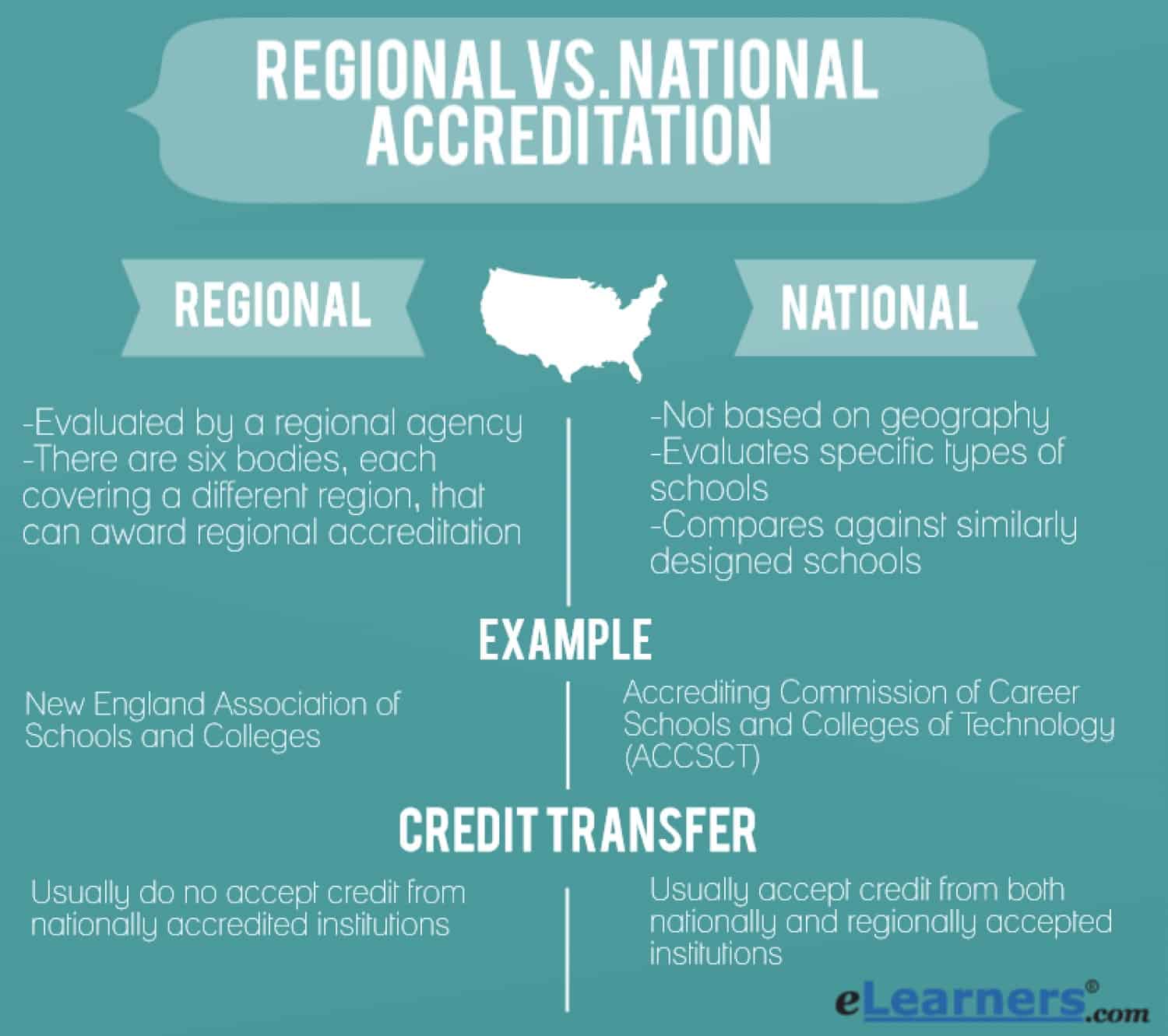
Regional accreditation, by contrast, facilitates much smoother credit transferability between institutions. When you attend a regionally accredited college, the credits you earn are far more likely to be accepted by other regionally accredited colleges and universities if you decide to transfer. This saves students from having to retake courses, delaying graduation, and incurring additional tuition, fees, and living expenses. For those who start at a community college and plan to transfer to a four-year university, ensuring both institutions are regionally accredited is a crucial financial decision that preserves the value of every dollar spent on tuition.
Protecting Your Investment: The Long-Term Financial Implications of a Regionally Accredited Degree
An education is arguably one of the most significant financial investments an individual can make. The type of accreditation your degree holds profoundly impacts the return on that investment, affecting everything from immediate job prospects to future career mobility and professional licensing.
Enhancing Earning Potential and Career Mobility
Employers, particularly those in competitive fields, often view degrees from regionally accredited institutions as more credible and indicative of a higher standard of education. This perception directly translates into enhanced earning potential. Graduates of regionally accredited programs are typically more competitive in the job market, often commanding higher starting salaries and enjoying greater opportunities for advancement. Conversely, a degree from an unaccredited or less recognized nationally accredited institution can be a red flag for employers, potentially limiting job prospects and depressing salary expectations, diminishing the financial value of the degree. The perceived quality associated with regional accreditation essentially acts as a financial endorsement for your skills and knowledge.
The Value Proposition for Graduate Studies and Professional Licensure
For many career paths, a bachelor’s degree is just the first step. Pursuing graduate studies (Master’s, Ph.D., professional degrees) or obtaining professional licensure (e.g., teaching, nursing, law, engineering, counseling) often hinges on having a degree from a regionally accredited institution. Most reputable graduate schools will only accept applicants with undergraduate degrees from regionally accredited universities.
Similarly, state licensing boards across various professions typically mandate that applicants’ degrees come from regionally accredited programs. Failing to meet this requirement can mean years of study and significant financial outlay for a degree that ultimately cannot be used for its intended professional purpose. For aspiring professionals, selecting a regionally accredited program is not just an academic choice; it’s a critical financial gateway to their chosen career.
Mitigating Financial Risk: Why Choosing Wisely Pays Off
Attending an unaccredited institution or one with only national accreditation can pose significant financial risks. Beyond the loss of federal financial aid and difficulties with credit transfer, there’s the risk of earning a degree that holds little to no value in the professional world. Students might invest tens of thousands of dollars and years of their life only to find their credentials are not recognized by employers, graduate schools, or licensing boards. This represents a catastrophic financial loss and a severe setback for career aspirations.
By prioritizing regional accreditation, students are essentially performing due diligence on a major life investment. They are choosing a path that maximizes their chances of accessing financial aid, transferring credits seamlessly, enhancing their career prospects, and securing the necessary credentials for professional advancement. This wise choice significantly mitigates financial risk and protects the substantial monetary and time investment in higher education.
Navigating the Accreditation Landscape: A Financial Planning Imperative
Given the profound financial implications, understanding and verifying an institution’s accreditation status is not merely an academic exercise—it is a vital component of responsible financial planning for education.
How to Verify an Institution’s Accreditation Status
Prospective students should always verify an institution’s accreditation. The most reliable sources are:
- Council for Higher Education Accreditation (CHEA): CHEA maintains a comprehensive database of recognized accrediting agencies and the institutions they accredit.
- U.S. Department of Education (USDE): The USDE also provides a database of accredited institutions and programs eligible for federal student aid.
- Institution’s Official Website: Reputable institutions proudly display their accreditation status on their “About Us” or “Accreditation” pages.
When checking, be specific: identify the accrediting agency and confirm it is one of the seven regional agencies if that’s your target. Be wary of institutions that are vague about their accreditation or only mention recognition by obscure bodies.
Understanding Accreditation as a Due Diligence Tool
Think of researching accreditation as a crucial step in financial due diligence, similar to researching a company before investing your money. Just as you wouldn’t invest in a company with questionable financials or no regulatory oversight, you shouldn’t invest in an education without verifying its accreditation. This foresight can save you from significant financial headaches down the line, ensuring that every dollar you spend on tuition is an investment in a recognized, valuable credential.
The Evolving Landscape: Online Education and Accreditation
The rise of online education has broadened access to learning but also introduced new questions about accreditation. It’s crucial to understand that reputable online programs from regionally accredited universities carry the same financial weight and recognition as their on-campus counterparts. Many traditional, regionally accredited institutions now offer a full suite of online degrees. The key is to ensure that the institution offering the online program holds regional accreditation, not just the online platform itself. This ensures that an online degree delivers the same financial and professional benefits as a traditional degree.
Investing in a Secure Educational Future
In conclusion, “what is regional accreditation” is far more than an academic question; it is a fundamental financial inquiry that underpins the entire value proposition of higher education. For students making one of the most significant investments of their lives, understanding and prioritizing regional accreditation is paramount. It ensures access to crucial financial aid, facilitates credit transfer, enhances career prospects, protects future earning potential, and mitigates substantial financial risks. By choosing a regionally accredited institution, you are not just selecting a place to learn; you are making a prudent financial decision that secures the long-term value and recognition of your educational journey. Invest wisely in your future by making regional accreditation a non-negotiable criterion in your college search.
aViewFromTheCave is a participant in the Amazon Services LLC Associates Program, an affiliate advertising program designed to provide a means for sites to earn advertising fees by advertising and linking to Amazon.com. Amazon, the Amazon logo, AmazonSupply, and the AmazonSupply logo are trademarks of Amazon.com, Inc. or its affiliates. As an Amazon Associate we earn affiliate commissions from qualifying purchases.