
In the early 20th century, a radical idea emerged from the mind of artist Marcel Duchamp, profoundly shaking the foundations of what art could be. His “readymades” – ordinary manufactured objects designated by the artist as works of art – didn’t just challenge artistic conventions; they ignited a conceptual revolution that questioned authorship, authenticity, and value itself. A urinal signed “R. Mutt” and titled “Fountain” wasn’t merely a plumbing fixture; it was a philosophical statement, prompting viewers to consider the role of the artist, the institution, and their own perception in defining what constitutes art.
While born in the hallowed halls of art galleries, the core principles of Duchamp’s readymades possess a startling relevance to the worlds of branding, marketing, and design in the 21st century. At its heart, readymade art is about recontextualization and the power of perception to imbue an object with new meaning and value. These are not just artistic gestures; they are fundamental strategies that underpin successful brand building, innovative design thinking, and compelling marketing narratives. Understanding the “readymade” framework offers a potent lens through which to analyze how brands transform the mundane into the meaningful, the ordinary into the extraordinary, and how they challenge preconceived notions to carve out unique identities in a crowded marketplace.
The Duchampian Legacy: From Art Gallery to Brand Strategy
The historical impact of Duchamp’s readymades extends far beyond art history textbooks. They represent a paradigm shift in how we understand creativity, ownership, and worth – concepts that are inherently central to branding. By taking an everyday object and simply presenting it as art, Duchamp shifted the focus from the artist’s craftsmanship to their conceptual choice. This audacious act laid groundwork for a century of artistic experimentation and, more subtly, provided a philosophical blueprint for how meaning and value can be constructed in commercial contexts.
A Conceptual Revolution: Understanding the Original “Readymade”
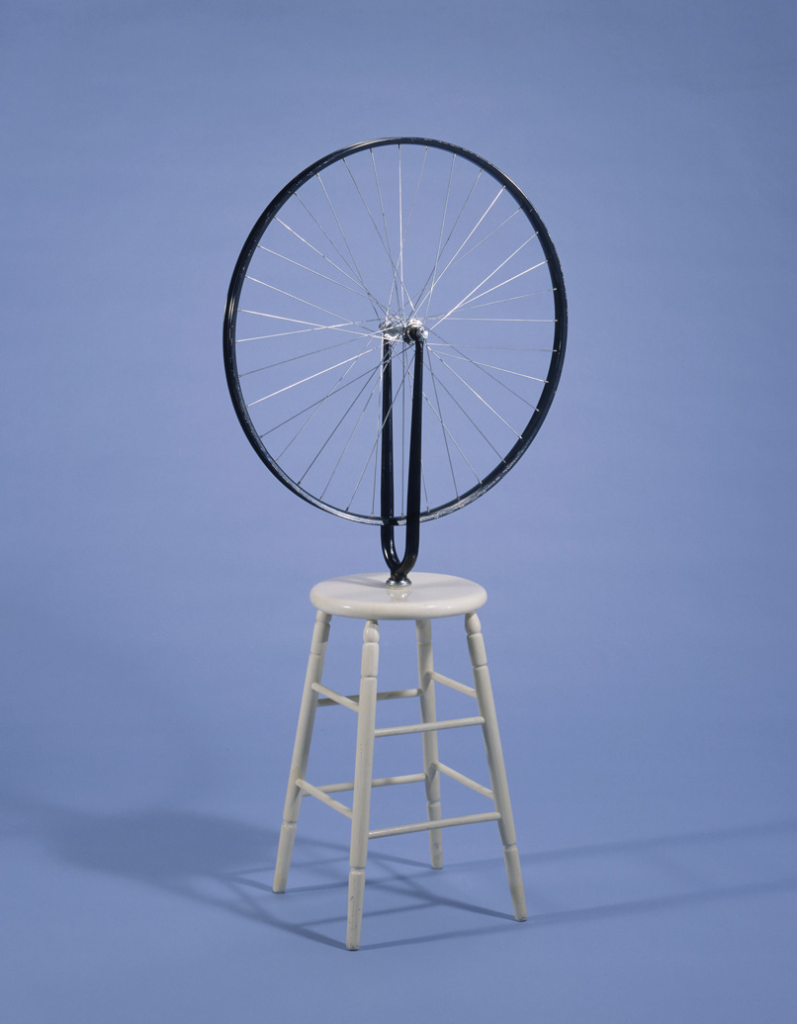
Duchamp’s earliest readymades, such as “Bicycle Wheel” (1913) and “Bottle Rack” (1914), were a direct affront to the prevailing aesthetics of his time. Art, before Duchamp, was largely defined by skill, effort, and aesthetic beauty. A painting required careful brushwork; a sculpture, meticulous carving. Duchamp, however, bypassed these traditional metrics entirely. He argued that the artistic act lay not in creation from scratch, but in selection and declaration. He proclaimed that an industrial object, devoid of any special aesthetic quality, could become art simply by his choice and signature. This wasn’t about beautification; it was about re-framing. The object itself remained unchanged, but its context, its intended purpose, and its perceived value were radically transformed. This conceptual pivot—from making to selecting, from craft to concept—is the essence of the readymade.
Authorship, Authenticity, and Value: Challenging Traditional Notions
The readymade concept forced a profound re-evaluation of authorship and authenticity. If an artist didn’t “make” the object, could they still be its author? If the object was mass-produced, how could it be authentic or unique? Duchamp’s genius lay in demonstrating that value isn’t solely intrinsic to the object’s material or the labor invested in it. Instead, he showed that extrinsic factors—the artist’s intention, the institutional endorsement, and the viewer’s interpretation—could be equally, if not more, powerful in conferring value.
In branding, this translates directly to the understanding that a product’s value isn’t just its raw material cost or manufacturing complexity. It’s the story told around it, the perception built, the emotional connection forged, and the unique identity assigned to it. A luxury handbag, for instance, isn’t just leather and thread; it’s a carefully constructed narrative of heritage, exclusivity, and aspiration. Brands, much like Duchamp, act as conceptualizers, taking existing materials, ideas, or services and imbuing them with new meaning and elevated value through strategic positioning and storytelling.
Readymade Principles in Modern Branding: Crafting Meaning from the Existing
The conceptual underpinnings of readymade art provide a robust framework for understanding contemporary branding strategies. Brands are constantly engaged in a process of recontextualization, transforming commonplace elements into distinctive identities, and leveraging perception to build unparalleled value.
Repurposing & Recontextualization: Transforming the Commonplace
At the heart of many successful brands is the art of repurposing and recontextualization. This involves taking existing ideas, products, or even aesthetic elements and presenting them in a new light or a novel combination to create something fresh and appealing. Think of how streetwear brands elevate basic garments like t-shirts and hoodies, transforming them into high-fashion statements through limited editions, collaborations, and aspirational marketing. The underlying “object” (a t-shirt) is readymade, but its presentation, its association, and its perceived value are entirely new.
Similarly, many digital brands don’t invent entirely new services but recontextualize existing human behaviors within a digital platform. Ride-sharing apps didn’t invent carpooling; they simply repurposed an existing activity with a new, convenient digital interface. Food delivery services didn’t invent takeout; they re-engineered the process for seamless, on-demand consumption. In each case, the core “readymade” action or item is given a new context that unlocks tremendous value and shifts perception.
The Power of Perception & Narrative: Building Value Beyond Features
Duchamp demonstrated that the context surrounding an object could fundamentally alter its meaning and perceived worth. In branding, this principle is paramount. A brand’s narrative—the story it tells, the values it embodies, the lifestyle it represents—often contributes more to its perceived value than its functional features alone. This is particularly true in saturated markets where product differentiation based purely on features becomes increasingly difficult.
Consider the craft beer movement. While the basic ingredients of beer remain the same, thousands of microbreweries have carved out unique niches by creating distinct narratives around their brewing process, local ingredients, community involvement, or edgy brand personalities. They are selling not just a beverage, but an experience, an identity, and a connection. The beer itself is a “readymade” in the sense that it follows established processes and uses common ingredients, but the brand elevates it through a carefully constructed perceptual framework and compelling storytelling that resonates with specific consumer segments.
Anti-Design as a Brand Statement: Leveraging Simplicity and Raw Aesthetics
Just as readymade art challenged elaborate artistic conventions, some brands embrace an “anti-design” philosophy, leveraging simplicity, rawness, or utilitarian aesthetics to make a powerful statement. This approach often strips away superfluous ornamentation, focusing on functionality, honesty of materials, or a deliberately understated look.
Brands adopting this strategy might use unpolished typography, minimalist packaging, or industrial-inspired visuals. They often communicate a sense of authenticity, transparency, or a rejection of mainstream commercialism. Think of brands that deliberately use recycled or reclaimed materials, showcasing their imperfections as badges of honor, or tech companies whose interfaces are strikingly clean and intuitive, prioritizing user experience over flashy graphics. This can be seen as a form of brand “readymade,” taking commonly available, often overlooked, or even “imperfect” elements and elevating them through a deliberate aesthetic choice, positioning them as sophisticated or environmentally conscious.
Personal Branding: Curating Your “Readymade” Persona
The principles of readymade art are not exclusive to corporate entities; they are profoundly applicable to the construction of personal brands. Individuals, like objects, are “readymade” with a unique set of skills, experiences, and innate qualities. The art of personal branding lies in strategically curating and recontextualizing these inherent attributes to create a compelling and distinctive professional or public persona.

Assembling Your Brand Identity: Leveraging Existing Assets
A personal brand is not something you invent from scratch; it’s something you assemble from your existing self. Your career history, educational background, unique talents, passions, values, and even your personality traits are all “readymade” components. The challenge, and the opportunity, lies in identifying which of these components to emphasize, how to connect them logically, and how to present them in a way that resonates with your target audience (employers, clients, collaborators, or a public following).
This involves a conscious process of selection, much like Duchamp selecting his “Fountain.” You choose which stories to tell, which experiences to highlight, and which aspects of your personality to foreground. A professional speaker might emphasize their eloquence and stage presence; a software developer, their problem-solving skills and technical expertise; a life coach, their empathy and motivational abilities. These are not fabricated traits but carefully selected and presented “readymades” from one’s personal repertoire.
The Authentic vs. Curated Self: Navigating Strategic Presentation
The “readymade” aspect of personal branding brings to the fore the tension between authenticity and strategic curation. While it’s crucial for a personal brand to feel genuine and aligned with one’s true self, it’s equally important to understand that a brand, by definition, is a curated presentation. No one reveals every facet of their being in a public or professional context.
The goal is not to be inauthentic but to strategically frame your authentic attributes. Just as Duchamp’s “Fountain” was a genuine urinal, its artistic meaning came from its recontextualization. Similarly, your professional LinkedIn profile or public social media presence is a carefully crafted narrative, a “readymade” version of yourself designed to achieve specific goals. It’s about deciding which existing “parts” of yourself serve your brand best and how to assemble them into a coherent, impactful story that communicates your value proposition clearly and memorably.
Marketing’s Readymade Moment: Leveraging Cultural Artifacts and Trends
In the realm of marketing, the “readymade” concept manifests in the astute ability to tap into existing cultural currents, societal trends, and user-generated content, transforming them into powerful communication tools. Marketers, like artists, are constantly looking for pre-existing elements they can leverage, reframe, and inject with new brand meaning.
Borrowed Interest & Cultural Resonance: Tapping into Existing Touchstones
Marketers frequently employ “borrowed interest” strategies, where they link their brand to something already popular, culturally significant, or emotionally resonant in the public consciousness. This could involve referencing classic films, popular memes, historical events, or shared cultural experiences. By associating their product with an already established “readymade” cultural artifact, brands can instantly tap into existing emotions, nostalgia, and recognition, fostering a deeper connection with their audience.
Consider how brands often leverage seasonal holidays, major sporting events, or viral social media challenges. They don’t create these cultural phenomena; they simply associate their messaging or products with them, adding their brand layer to an already potent “readymade” context. This technique allows brands to bypass the lengthy process of building new emotional connections from scratch, instead harnessing the pre-existing emotional capital of cultural touchstones.
User-Generated Content (UGC) as “Readymade” Marketing
Perhaps one of the most direct applications of the “readymade” principle in modern marketing is the widespread adoption of User-Generated Content (UGC). Instead of meticulously crafting every piece of marketing material, brands actively encourage and repurpose content created by their own customers. These photos, videos, testimonials, and reviews are, in essence, “readymade” marketing assets.
Brands curate, feature, and amplify UGC because it offers authenticity and relatability that traditional advertising often lacks. A customer’s unboxing video or a photo of them using a product often resonates more powerfully with potential buyers than a glossy, professional advertisement. The brand doesn’t “create” this content; it selects, spotlights, and recontextualizes it within its broader marketing strategy, transforming genuine customer experiences into powerful endorsement tools. This approach decentralizes content creation and leverages the “readymade” narratives of everyday users.
The Future of “Readymade” Thinking in Design and Marketing
The conceptual power of “readymade” thinking continues to evolve, finding new expressions in response to contemporary challenges and technological advancements. Its emphasis on recontextualization, perception, and inherent value will remain critical in shaping future brand strategies and design paradigms.
Sustainable Branding Through Repurposing: Environmental Consciousness
As environmental concerns grow, the “readymade” ethos of repurposing is becoming a cornerstone of sustainable branding. Brands are increasingly designing products and packaging with circularity in mind, using recycled materials, promoting upcycling, and offering repair or refill services. This isn’t just about resource management; it’s a powerful brand statement that resonates with environmentally conscious consumers.
Brands that reuse industrial waste, transform discarded textiles into fashion, or create new products from reclaimed components are essentially engaging in a sophisticated form of “readymade” design. They take what already exists – often deemed valueless or trash – and, through innovative design and compelling storytelling, imbue it with new purpose, desirability, and premium value. This approach not only minimizes environmental impact but also crafts a unique and responsible brand identity.
AI and Algorithmic “Readymades”: Reconfiguring Data and Elements
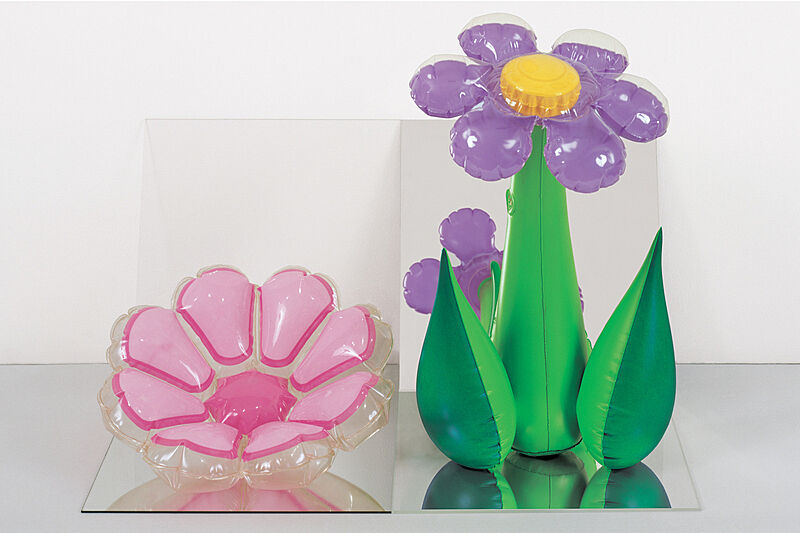
In the age of artificial intelligence, the concept of the “readymade” is gaining new dimensions. AI tools, particularly generative AI, operate by reconfiguring vast datasets of existing information, images, texts, and designs to create novel outputs. Whether it’s an AI generating marketing copy, designing logos, or even creating entire ad campaigns, the AI isn’t necessarily inventing from a void; it’s drawing upon, remixing, and recontextualizing “readymade” digital elements and patterns it has learned from.
This presents a future where brands can leverage AI to rapidly generate and test countless “readymade” variations of content, visual elements, or even product concepts, each a unique reassembly of pre-existing data. The skill will lie not just in programming the AI, but in the human curation and conceptual framing of its outputs – the ultimate act of selecting and declaring meaning, much like Duchamp’s original gesture. The “artist” (or brand strategist) becomes the director, choosing which algorithmically generated “readymade” best communicates their vision and resonates with their audience.
In conclusion, Marcel Duchamp’s “readymade art” was far more than an artistic prank; it was a profound philosophical statement that continues to echo through the corridors of contemporary culture. Its core tenets – the power of recontextualization, the creation of value through perception, and the challenge to traditional notions of authorship and authenticity – are indispensable tools for brands seeking to differentiate themselves, forge deeper connections, and carve out meaningful spaces in the hearts and minds of their audiences. By understanding and strategically applying the principles of the “readymade,” brands can transform the ordinary into the iconic, crafting identities that are not merely seen, but profoundly felt and understood.
aViewFromTheCave is a participant in the Amazon Services LLC Associates Program, an affiliate advertising program designed to provide a means for sites to earn advertising fees by advertising and linking to Amazon.com. Amazon, the Amazon logo, AmazonSupply, and the AmazonSupply logo are trademarks of Amazon.com, Inc. or its affiliates. As an Amazon Associate we earn affiliate commissions from qualifying purchases.