
The term “Pythonic” is one that frequently surfaces in discussions about Python programming. It’s more than just a buzzword; it represents a philosophy, a way of thinking, and a set of best practices that distinguish elegant, readable, and efficient Python code from its less refined counterparts. But what exactly does it mean to be “Pythonic”? And how does this concept extend beyond the realm of pure coding to influence our approach to technology, branding, and even finance?
At its core, being Pythonic means writing code that aligns with the inherent design principles of Python. This language, known for its readability and simplicity, encourages developers to express complex ideas in a clear and concise manner. It’s about leveraging Python’s built-in features and idiomatic expressions to achieve solutions that are not only functional but also maintainable, scalable, and enjoyable to work with. This pursuit of elegance and efficiency, however, can serve as a powerful metaphor for how we engage with the broader technological landscape, build our personal and corporate identities, and manage our financial lives.
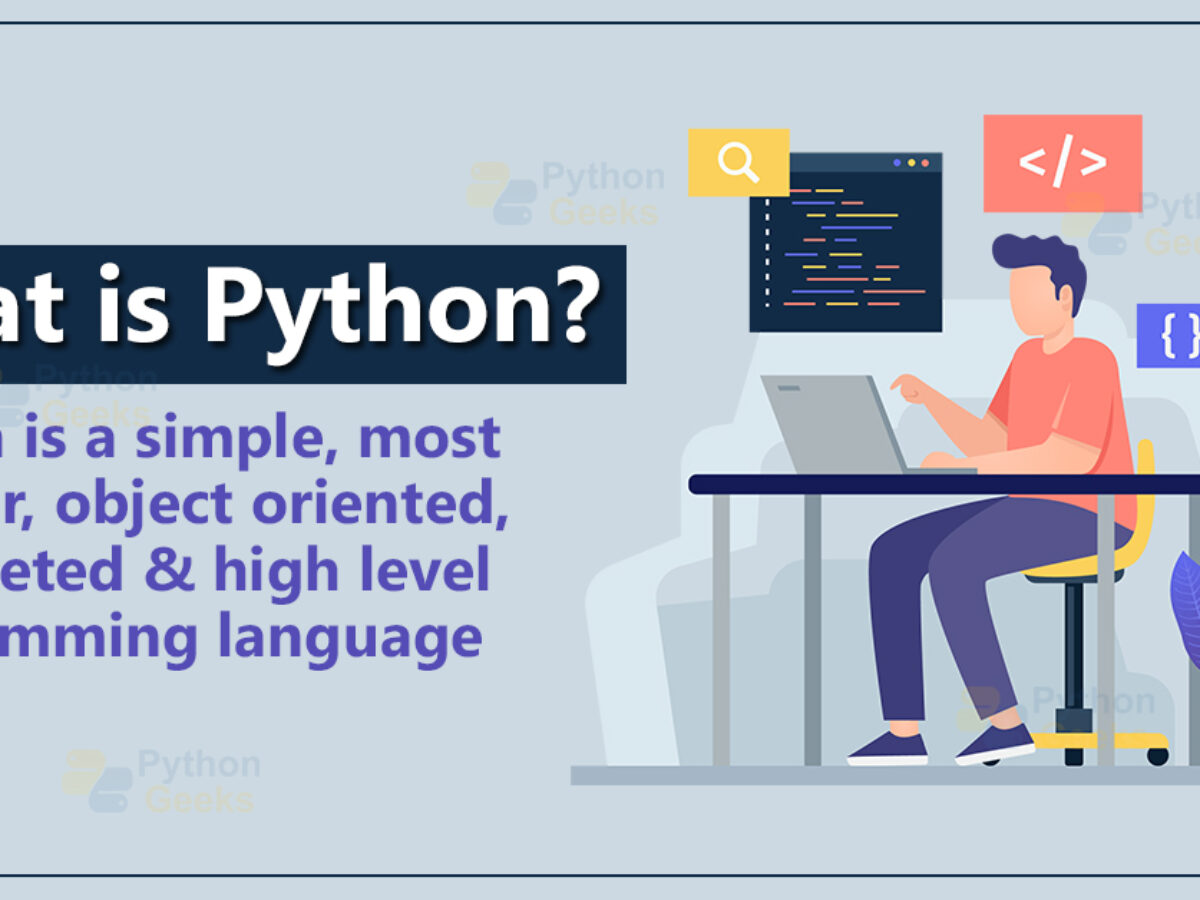
The Essence of Pythonic Code: Readability, Simplicity, and Efficiency
Python’s creator, Guido van Rossum, famously outlined the Zen of Python, a set of guiding principles accessible by typing import this in a Python interpreter. These principles – “Beautiful is better than ugly,” “Explicit is better than implicit,” “Simple is better than complex,” and “Readability counts” – are the bedrock of Pythonic programming.
Beautiful is Better Than Ugly
Ugly code is often a tangled mess of convoluted logic, inconsistent naming conventions, and unnecessary complexity. Pythonic code, in contrast, strives for beauty. This translates to code that is well-structured, logically organized, and easy to follow. It’s about choosing clear variable names, breaking down complex tasks into smaller, manageable functions, and adhering to established style guides like PEP 8. The aesthetic appeal of code isn’t just for show; it directly impacts how quickly and accurately developers can understand and modify it, reducing the likelihood of introducing bugs.
Explicit is Better Than Implicit
Implicit behavior can be a breeding ground for confusion. Pythonic code favors explicitness, meaning that the intent of the code should be readily apparent. This might involve explicitly stating conditions rather than relying on implicit truthiness, or clearly defining the purpose of functions and variables. For example, instead of relying on a variable count to be implicitly understood as the number of items, a more Pythonic approach might be to name it item_count for absolute clarity. This directness minimizes guesswork and promotes understanding.
Simple is Better Than Complex
While Python is capable of handling incredibly complex tasks, Pythonic code avoids unnecessary complexity in its implementation. It favors straightforward solutions that leverage the language’s strengths. This might mean using list comprehensions for concise data transformations, employing generator expressions for memory-efficient iteration, or utilizing built-in functions and standard library modules rather than reinventing the wheel. The goal is to achieve functionality with the least amount of cognitive overhead.
Readability Counts
This principle is perhaps the most crucial. Python’s syntax is designed to be highly readable, resembling natural language more than many other programming languages. Pythonic code fully embraces this by prioritizing clarity above all else. When code is readable, it’s easier to debug, maintain, and collaborate on. This involves consistent indentation, meaningful comments where necessary, and a consistent coding style throughout a project.
Pythonic Constructs and Idioms:
To truly grasp what it means to be Pythonic, one needs to be familiar with common Python idioms and constructs:
- List Comprehensions and Generator Expressions: These provide a concise and efficient way to create lists or iterators based on existing sequences. For example,
[x*2 for x in range(10)]is far more Pythonic than a traditionalforloop with.append(). - Context Managers (
withstatement): Essential for managing resources like files or network connections, ensuring they are properly acquired and released.with open('file.txt', 'r') as f:is the Pythonic way to handle file I/O. - Iterators and Generators: Understanding how to work with iterators and create custom generators allows for efficient handling of large datasets without loading them entirely into memory.
- Dictionary Comprehensions: Similar to list comprehensions, these offer a concise way to create dictionaries.
- Enumerate and Zip: These built-in functions simplify iterating over sequences while keeping track of indices (
enumerate) or iterating over multiple sequences simultaneously (zip). isvs.==: Understanding the difference between identity comparison (is) and value comparison (==) is key to writing correct and efficient Python.
Beyond Code: Pythonic Principles in Technology, Branding, and Finance
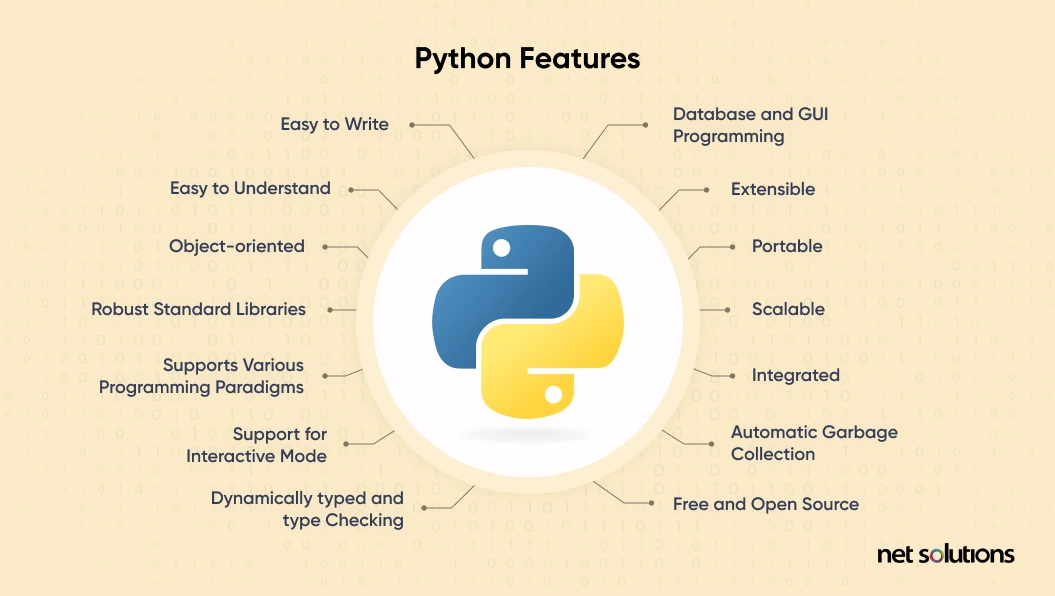
The elegance, efficiency, and clarity that define Pythonic code are not confined to the programming world. These principles offer a powerful framework for approaching challenges and optimizing outcomes in various domains.
Pythonic Technology: Streamlined Tools and Intuitive Experiences
In the realm of Tech, “Pythonic” translates to embracing tools and technologies that are intuitive, efficient, and designed for ease of use. This means favoring software that minimizes unnecessary complexity, offers clear and direct functionality, and integrates seamlessly into workflows.
Consider the rise of AI tools. A Pythonic approach to AI would involve selecting tools that are well-documented, easy to set up, and provide clear explanations of their outputs. Instead of wrestling with opaque algorithms, we seek AI that is transparent and accessible, allowing users to understand why a certain outcome is produced. This echoes the “explicit is better than implicit” principle.
Similarly, in app development and gadget design, a Pythonic ethos would prioritize user experience above all. This means intuitive interfaces, streamlined navigation, and features that directly address user needs without overwhelming them with options. It’s about creating a digital environment that feels natural and efficient to interact with, much like well-written Python code feels natural to read.
Digital security also benefits from a Pythonic perspective. Instead of complex, cumbersome security protocols, we aim for solutions that are robust yet simple to implement and manage. Think of multi-factor authentication methods that are easy for users to understand and utilize, rather than convoluted systems that hinder productivity. Productivity tools themselves should embody Pythonic principles: elegant design, efficient workflows, and a focus on achieving goals with minimal friction.
Pythonic Branding: Authenticity, Clarity, and Resonance
The principles of Pythonic design can be powerfully applied to Brand strategy. A Pythonic brand is one that is clear, authentic, and resonates deeply with its target audience.
Brand Strategy and Personal Branding: Just as Pythonic code is explicit and readable, a Pythonic brand is transparent and honest about its values, mission, and offerings. It avoids jargon and ambiguity, communicating its message with directness and clarity. This applies equally to corporate identity and personal branding. An authentic personal brand, for instance, is built on genuine strengths and communicated consistently, without artificial embellishments.
Marketing and Design: In marketing, a Pythonic approach would focus on creating campaigns that are targeted, impactful, and easy to understand. Instead of bombarding audiences with generic messages, it emphasizes precise communication that speaks directly to their needs and desires. Design follows suit, prioritizing aesthetic appeal and functional clarity. Visually, a Pythonic brand might lean towards clean lines, intuitive layouts, and a consistent visual language, mirroring the “beautiful is better than ugly” principle.
Case Studies and Reputation: When showcasing work through case studies, a Pythonic approach involves presenting clear, concise narratives that highlight achievements and lessons learned. The focus is on tangible results and transparent processes. Building a strong reputation, in turn, is about consistently delivering on promises and maintaining integrity – a form of implicit commitment that is powerfully delivered through explicit actions.
Pythonic Finance: Simplicity, Accessibility, and Empowerment
The pursuit of financial well-being can also be guided by Pythonic principles, particularly in the areas of Money.
Personal Finance: For individuals, a Pythonic approach to personal finance means demystifying complex financial concepts and making them accessible. It’s about embracing simple, effective strategies for budgeting, saving, and managing debt. Instead of getting lost in intricate investment jargon, it favors clear, actionable steps. Tools that provide intuitive visualizations of spending, savings goals, and investment performance are inherently Pythonic.
Investing and Online Income: In the world of investing, a Pythonic approach would advocate for understanding the fundamentals before diving into complex strategies. It encourages diversification, long-term thinking, and a clear understanding of risk tolerance. Similarly, exploring online income opportunities should be about identifying genuine, sustainable methods rather than chasing get-rich-quick schemes. The emphasis is on building income streams with a clear rationale and manageable effort, much like a well-structured Python script.
Business Finance and Financial Tools: For businesses, Pythonic finance means having clear visibility into financial operations. This translates to adopting financial tools that are user-friendly, provide insightful reporting, and simplify complex processes like accounting and payroll. The goal is to reduce the cognitive load associated with financial management, allowing business owners to focus on growth and strategy. Ultimately, being Pythonic in finance is about empowering individuals and businesses with the knowledge and tools to make informed decisions, fostering financial clarity and success.

Conclusion: A Philosophy for the Modern World
The concept of “Pythonic” extends far beyond the confines of code. It represents a valuable philosophy that encourages us to seek elegance, simplicity, and efficiency in all aspects of our lives. Whether we are developing software, building a brand, or managing our finances, adopting a Pythonic mindset can lead to more effective, enjoyable, and ultimately, more successful outcomes. It’s a call to embrace clarity, prioritize readability, and strive for elegant solutions that stand the test of time. In a world increasingly defined by complexity, the Pythonic approach offers a refreshing path towards understanding and mastery.
aViewFromTheCave is a participant in the Amazon Services LLC Associates Program, an affiliate advertising program designed to provide a means for sites to earn advertising fees by advertising and linking to Amazon.com. Amazon, the Amazon logo, AmazonSupply, and the AmazonSupply logo are trademarks of Amazon.com, Inc. or its affiliates. As an Amazon Associate we earn affiliate commissions from qualifying purchases.