
In the intricate landscape of modern healthcare, the role of a nurse extends far beyond dispensing medication and monitoring vital signs. It’s a profession demanding constant adaptation, strategic thinking, and a deep understanding of various patient care interventions. While the term “prone position” might sound straightforward, its application in nursing is a nuanced practice that intertwines with technological advancements, brand building within healthcare systems, and even the financial implications of patient outcomes. This article delves into the multifaceted world of prone positioning in nursing, exploring its significance, execution, and the broader context within which this vital intervention operates.
The Fundamentals of Prone Positioning: More Than Just Lying Down
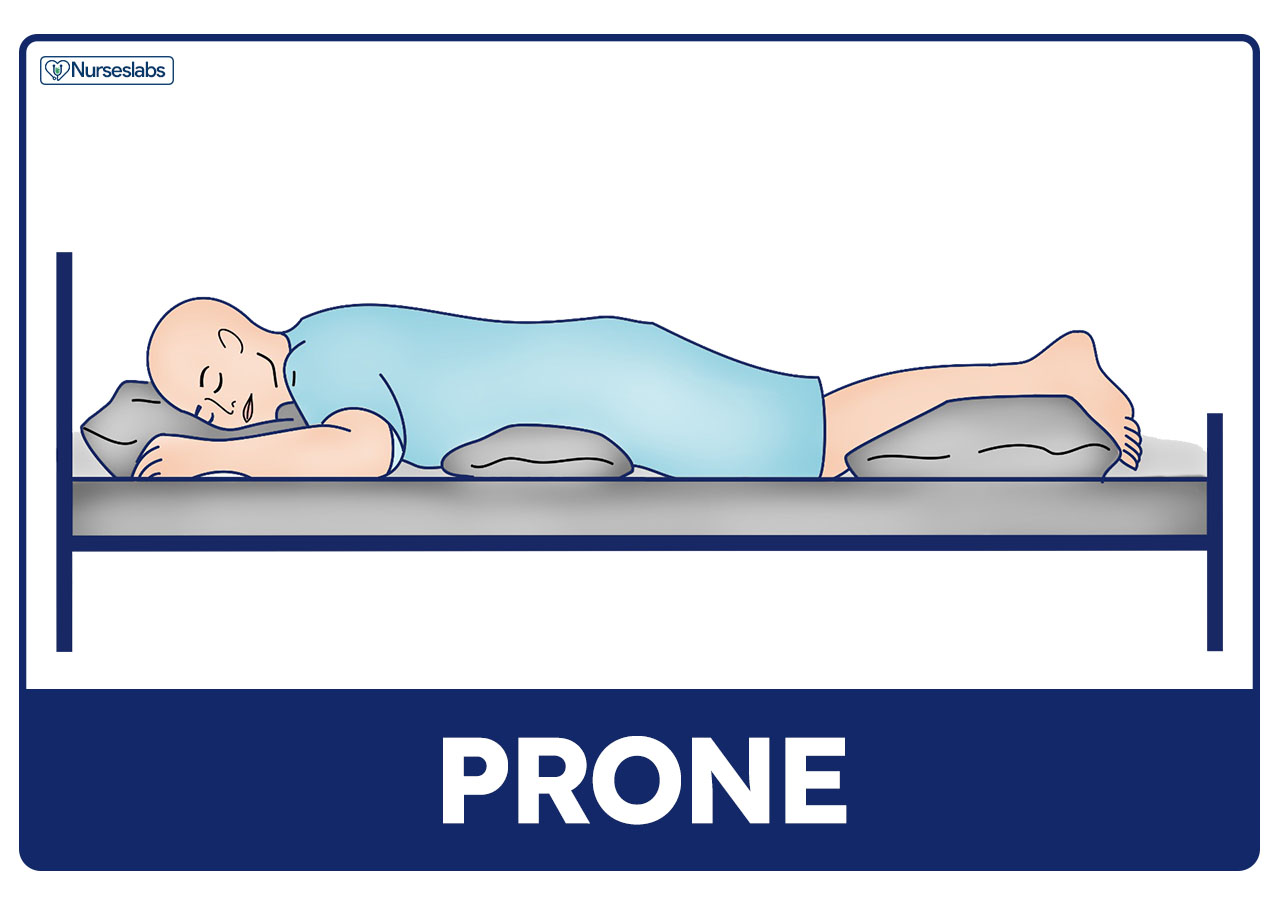
At its core, prone position refers to the act of placing a patient on their abdomen, face downwards. In nursing, this is not a casual maneuver but a deliberate therapeutic strategy employed for a variety of clinical reasons. Understanding the ‘why’ and ‘how’ of prone positioning is crucial for nurses to ensure patient safety, optimize treatment effectiveness, and contribute to positive health outcomes.
Why Prone? The Therapeutic Rationale
The decision to place a patient in the prone position is driven by specific physiological benefits that can significantly impact their recovery.
Enhancing Ventilation and Oxygenation
One of the primary indications for prone positioning is to improve gas exchange in patients with severe respiratory distress. Conditions such as Acute Respiratory Distress Syndrome (ARDS) often lead to widespread lung inflammation and fluid accumulation, making it difficult for the lungs to adequately oxygenate the blood.
- Lung Mechanics: In a supine (lying on the back) position, the posterior sections of the lungs are compressed by gravity and the weight of the chest and abdomen. This can lead to atelectasis (collapse of lung tissue) and V/Q mismatch (imbalance between ventilation and perfusion). When a patient is turned prone, the pressure distribution shifts. The anterior (front) portions of the lungs, which are generally more compliant, bear the weight. This allows the posterior lung segments, which are often the most affected in ARDS, to expand more freely, improving airflow and oxygen uptake.
- Recruitment of Alveoli: Prone positioning can help to “open up” collapsed alveoli, increasing the functional lung capacity. This is particularly beneficial in diffuse lung injuries where multiple areas are compromised.
- Reduced Work of Breathing: By optimizing lung mechanics, prone positioning can decrease the effort required for a patient to breathe, reducing their overall work of breathing and conserving energy.
Alleviating Pressure Ulcer Risk
While seemingly counterintuitive, prone positioning can be a valuable tool in preventing and managing pressure ulcers, especially for patients with limited mobility who spend extended periods in bed.
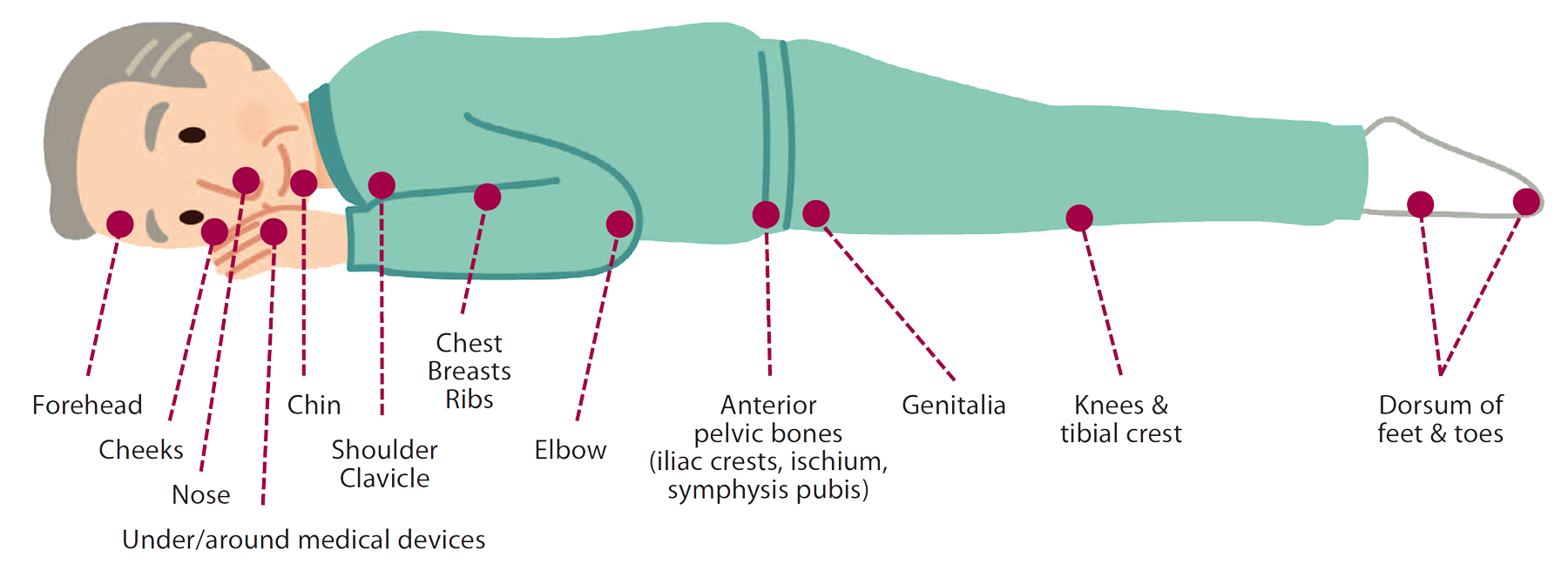
- Redistribution of Pressure: The sacrum, heels, and ischial tuberosities are common sites for pressure ulcers when a patient is supine. Prone positioning shifts the primary pressure points away from these vulnerable areas, distributing the weight more evenly across the anterior chest and abdomen.
- Improved Skin Perfusion: By reducing sustained pressure on boney prominences, blood flow to the skin is improved, making it less susceptible to ischemic damage.
- Facilitating Wound Care: For patients with existing pressure ulcers on their back or sacral area, prone positioning can facilitate healing by relieving direct pressure on the wound and allowing for better airflow and dryness.
Other Clinical Applications
Beyond respiratory support and pressure ulcer management, prone positioning has found utility in other clinical scenarios:
- Post-Surgical Recovery: In certain surgeries, particularly those involving the spine or posterior structures, prone positioning may be used post-operatively to reduce strain on surgical sites and promote healing.
- Abdominal Surgeries: In some cases, prone positioning after abdominal surgery can help to decrease intra-abdominal pressure, potentially reducing the risk of complications like ileus (intestinal paralysis).
- Neurological Patients: For some neurological conditions, prone positioning might be considered to manage intracranial pressure or facilitate postural drainage.
The Technical Aspects of Prone Positioning
Implementing prone positioning requires careful planning, skilled execution, and the utilization of appropriate equipment. This is where technology and skilled nursing practice converge.
Patient Preparation and Safety Measures
Before turning a patient into the prone position, a thorough assessment is paramount.
- Respiratory Status: A complete respiratory assessment, including oxygen saturation, respiratory rate, and the need for mechanical ventilation, guides the decision.
- Hemodynamic Stability: Patients on mechanical ventilation are often the primary candidates for prone positioning. Their hemodynamic stability, including blood pressure and heart rate, needs to be monitored closely, as the position can sometimes impact cardiovascular function.
- Skin Integrity: A pre-positioning skin assessment is vital to identify any existing breakdown or areas of concern.
- Lines and Tubes: All intravenous lines, monitoring catheters, nasogastric tubes, and endotracheal tubes must be carefully secured and managed to prevent dislodgement or kinking. This often involves meticulous coordination with other healthcare professionals.
- Pain Management: Patients in prone position may experience discomfort. Adequate pain management strategies are essential.
The Turning Procedure: A Coordinated Effort
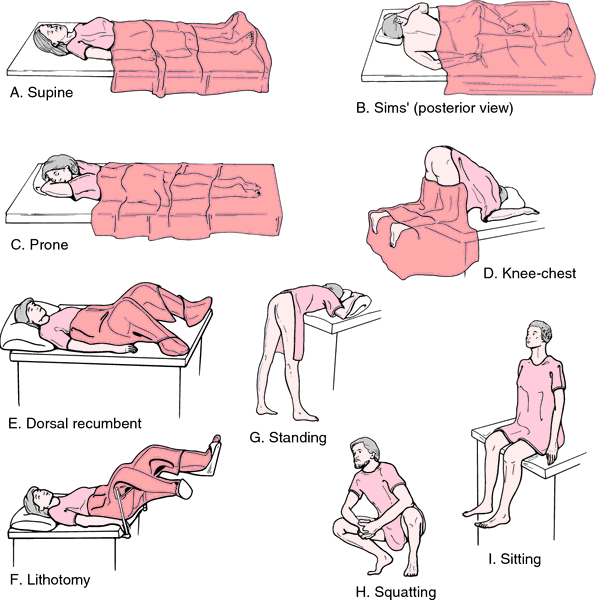
Turning a patient into the prone position, especially if they are obese, critically ill, or require extensive monitoring, is a team effort.
- Staffing: Adequate staffing is crucial. It typically requires a minimum of three to four nurses to safely turn and position a patient.
- Equipment: Specialized positioning devices, such as specialized pillows, wedges, and even articulated beds, can significantly aid in achieving and maintaining the prone position comfortably and safely. These devices are designed to offload pressure points and support anatomical structures.
- Systematic Approach: The turning process is usually performed in a systematic manner, with nurses communicating clearly and coordinating their movements to minimize any sudden jerks or movements that could cause injury.
- Monitoring During Transition: Continuous monitoring of vital signs and patient comfort during the turning process is essential.
Maintaining the Prone Position: Ongoing Vigilance
Once in the prone position, regular repositioning and diligent care are necessary.
- Pillow Placement: Strategic placement of pillows is critical to support the chest, pelvis, and ankles, ensuring comfort and preventing pressure on sensitive areas like the face and knees. Special attention is paid to the head to prevent airway obstruction and facial pressure.
- Skin Care: Frequent skin assessment for redness, breakdown, or irritation is a priority, particularly around pressure points and areas where lines and tubes are secured.
- Hygiene: Maintaining oral hygiene and managing secretions are crucial while the patient is in the prone position.
- Monitoring: Continuous monitoring of respiratory status, hemodynamics, and neurological function remains paramount.
Prone Positioning in the Context of Modern Healthcare: Technology, Brand, and Finance
The practice of prone positioning is not an isolated clinical skill. It is intricately linked to broader trends in healthcare, impacting how technology is leveraged, how healthcare institutions build their reputation, and the financial implications of patient care.
The Role of Technology in Optimizing Prone Positioning
Technology is revolutionizing how nurses approach and manage prone positioning, enhancing both efficiency and patient safety.
- Advanced Monitoring Systems: Modern ICU environments are equipped with sophisticated patient monitoring systems that provide real-time data on oxygen saturation, respiratory parameters, and hemodynamic stability. This allows nurses to make informed decisions about initiating, maintaining, or discontinuing prone positioning with greater confidence.
- Smart Beds and Positioning Aids: The development of smart beds with integrated turning capabilities or beds designed specifically for prone positioning can significantly reduce the physical strain on nursing staff and improve the precision of patient positioning. Specialized cushions and bolsters are also available that can be adjusted to provide optimal support and pressure relief.
- Telehealth and Remote Monitoring: While direct patient care remains crucial, the integration of telehealth and remote monitoring can play a role in supporting proning protocols, especially in resource-limited settings. Data from monitoring devices can be transmitted to specialists for review, aiding in decision-making.
- AI-Powered Decision Support: Emerging AI tools are being developed to analyze patient data and predict the likelihood of success or complications associated with prone positioning. These tools can assist nurses in making more evidence-based decisions.
- Robotics in Patient Handling: While still in its nascent stages for complex procedures like proning, advancements in robotics for patient handling could, in the future, offer solutions to assist with the physical demands of turning and repositioning patients, thereby enhancing nurse safety and reducing the risk of injury.
The integration of these technologies not only streamlines the process of proning but also provides valuable data for research and continuous quality improvement, solidifying the hospital’s reputation as a technologically advanced and patient-centered facility.
Building a Brand Through Compassionate and Effective Care
In today’s competitive healthcare landscape, the quality of patient care is a cornerstone of an institution’s brand. The skilled and compassionate application of interventions like prone positioning directly contributes to this.
- Demonstrating Expertise: When a hospital consistently achieves positive outcomes for patients requiring prone positioning, it signals a high level of clinical expertise and a commitment to evidence-based practice. This builds trust among patients, families, and referring physicians.
- Patient Experience and Satisfaction: The way patients experience interventions like proning significantly impacts their overall satisfaction. Nurses who are well-trained, communicative, and gentle during the proning process contribute to a more positive patient experience, even in a challenging situation. This fosters positive word-of-mouth and online reviews, enhancing the institution’s reputation.
- Brand Differentiation: A strong brand in healthcare is built on delivering superior patient care. Hospitals that excel in managing complex conditions like ARDS through effective proning strategies can differentiate themselves from competitors. This can be highlighted in marketing materials, case studies, and public relations efforts.
- Staff Training and Development: Investing in comprehensive training programs for nurses on proning techniques not only improves patient care but also signals an investment in staff development. This can attract and retain top nursing talent, further strengthening the brand.
- Focus on Patient-Centered Care: Ultimately, the decision to use prone positioning is driven by the patient’s needs. A healthcare brand that emphasizes patient-centered care will naturally incorporate such interventions when they offer the greatest benefit, showcasing a genuine commitment to individual well-being.
The Financial Implications of Effective Prone Positioning
The financial aspects of healthcare are undeniable, and the effective implementation of clinical interventions like prone positioning has a direct impact on both operational costs and patient outcomes, which in turn influence financial performance.
- Reduced Length of Stay: By improving oxygenation and facilitating recovery, prone positioning can contribute to shorter lengths of stay in the ICU and hospital. This directly reduces the cost of care per patient.
- Decreased Need for Advanced Therapies: Successfully managing respiratory failure with prone positioning might, in some cases, avert the need for more invasive and costly interventions like extracorporeal membrane oxygenation (ECMO), further optimizing resource utilization.
- Prevention of Complications: Proactive measures like proning to prevent pressure ulcers can avoid the significant costs associated with treating these complex and often prolonged complications, including wound care, infection management, and extended hospital stays.
- Resource Allocation and Staffing Efficiency: While prone positioning requires adequate staffing, optimized protocols and the use of technology can ensure that nursing resources are allocated efficiently. Understanding the benefits and optimal timing for proning helps in making informed staffing decisions.
- Reimbursement and Value-Based Care: In systems moving towards value-based care, demonstrating positive patient outcomes and efficient resource utilization is critical for favorable reimbursement. Successful management of conditions requiring proning contributes to these metrics.
- Cost of Equipment and Training: While there are upfront costs associated with specialized equipment and ongoing training for proning, these investments are often outweighed by the long-term savings achieved through improved patient outcomes and reduced complications.
Conclusion: A Strategic Pillar of Nursing Excellence
Prone positioning in nursing is far more than a simple patient repositioning technique. It represents a sophisticated clinical intervention that, when executed with expertise and supported by technological advancements, significantly impacts patient recovery and overall healthcare outcomes. From enhancing ventilation to preventing pressure ulcers, its therapeutic benefits are well-established. Furthermore, the adept application of prone positioning aligns seamlessly with the strategic imperatives of modern healthcare: leveraging technology for better care, building a strong and trusted brand through demonstrated excellence, and managing the financial realities of healthcare delivery efficiently. As nursing continues to evolve, the understanding and skillful implementation of such crucial interventions will remain a hallmark of nursing excellence, contributing to both individual patient well-being and the broader success of healthcare institutions.
aViewFromTheCave is a participant in the Amazon Services LLC Associates Program, an affiliate advertising program designed to provide a means for sites to earn advertising fees by advertising and linking to Amazon.com. Amazon, the Amazon logo, AmazonSupply, and the AmazonSupply logo are trademarks of Amazon.com, Inc. or its affiliates. As an Amazon Associate we earn affiliate commissions from qualifying purchases.