
In today’s fast-paced, multi-faceted world, our visual demands are constantly evolving. From scrutinizing code on a dual-monitor setup to scrolling through social media on our smartphones, and then shifting focus to a colleague across the office, our eyes are doing a remarkable amount of work. For many, this ever-changing visual landscape presents a growing challenge: presbyopia, the age-related loss of near focusing ability. Traditionally, bifocals or trifocals offered a solution, but they often felt clunky and visually disruptive. Enter progressive eyeglasses, a sophisticated technological advancement designed to seamlessly bridge the gap between near, intermediate, and distance vision, offering a more natural and intuitive visual experience.
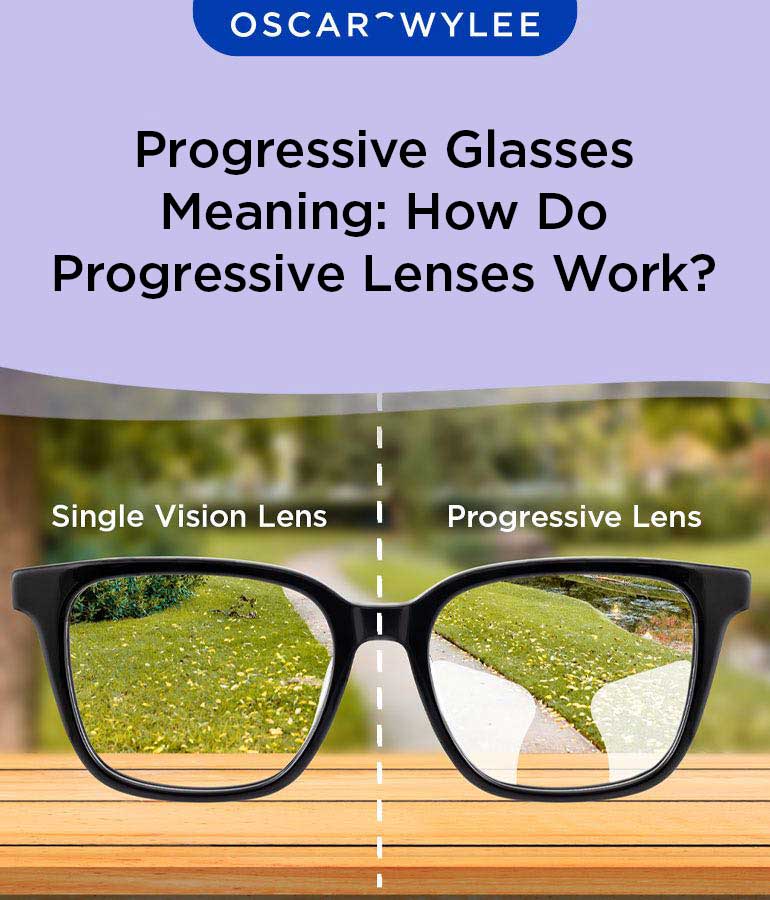
This article will delve into the world of progressive eyeglasses, exploring what they are, how they work, and why they’ve become an indispensable tool for many in our tech-saturated lives. We’ll examine the underlying technology, the benefits they offer in various scenarios, and how choosing the right pair ties into a broader understanding of personal well-being and productivity.
The Evolution of Vision Correction: From Monolithic Lenses to Gradual Transitions
The journey to progressive lenses is a testament to human innovation in addressing a fundamental aspect of our daily lives: clear vision. For centuries, correcting vision was a relatively blunt instrument. Single-vision lenses were designed for one specific distance, meaning individuals needing correction for both near and far would require multiple pairs of glasses or lenses with distinct segments.
The Bifocal Breakthrough: A Step Towards Multi-Distance Correction
The invention of bifocal lenses by Benjamin Franklin in the late 18th century marked a significant leap forward. By physically dividing a lens into two distinct sections, one for distance and one for near, bifocals provided a more convenient solution for presbyopic individuals. However, these lenses had a noticeable line separating the two prescriptions, which could be visually jarring and even create a “jump” in vision as the wearer’s gaze shifted from one segment to the other.
The Trifocal Advancement: Adding an Intermediate Zone
Building upon the bifocal concept, trifocal lenses were developed to incorporate a third segment for intermediate vision, typically used for tasks like computer work. While offering a broader range of visual correction, trifocals still featured visible lines and could present a fragmented visual field. The “jump” effect was still present, albeit less pronounced than with bifocals.
The Dawn of Progressivity: Seamless Vision with Modern Technology
The true revolution arrived with the development of progressive lenses, often referred to as “no-line bifocals” or “invisible bifocals.” Instead of distinct segments, progressive lenses feature a smooth, gradual transition of lens power from the top (distance vision) to the bottom (near vision). This gradient is meticulously designed to accommodate intermediate vision in the middle portion of the lens. The absence of visible lines is a significant aesthetic and functional improvement, allowing for a more natural and uninterrupted visual experience.
The underlying technology behind progressive lenses is a marvel of optical engineering. The lens surface is not uniform but sculpted with a precise curvature that changes progressively. This intricate design ensures that as your eye moves down the lens, the optical power gradually increases, enabling clear focus at various distances without the need to tilt your head or switch glasses.
How Progressive Eyeglasses Work: The Science Behind the Seamless Shift
Understanding the mechanics of progressive lenses reveals the sophisticated technology that makes them so effective. It’s not simply a matter of blending two prescriptions; it’s a precisely calculated optical design that caters to the natural movement of the eye.
The Three Vision Zones: Distance, Intermediate, and Near
Progressive lenses are characterized by three distinct viewing zones, each serving a specific visual need:
- Distance Zone: Located in the upper portion of the lens, this area is designed for clear vision at a distance, such as driving, watching television, or recognizing faces across a room.
- Intermediate Zone: Situated in the middle of the lens, this corridor provides clear focus for tasks performed at arm’s length, like using a computer, reading a menu, or working at a workbench.
- Near Zone: Found at the bottom of the lens, this section is optimized for reading books, newspapers, or focusing on small details up close.
The magic of progressive lenses lies in the seamless transition between these zones. As your gaze moves downwards, the lens power gradually increases, allowing your eyes to naturally find the correct focal point for the task at hand. This gradual change minimizes the visual “jump” experienced with older multi-focal designs, leading to a smoother and more comfortable visual experience.
Understanding Lens Aberrations and Peripheral Distortion
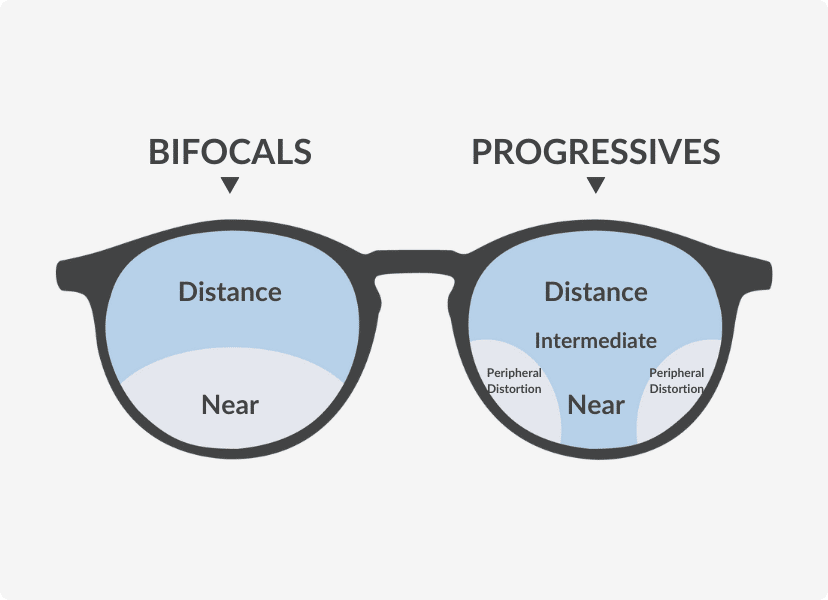
While the design of progressive lenses is highly advanced, it’s important to acknowledge that the transition areas, particularly the sides of the lens, can introduce some optical distortions or aberrations. These are often referred to as “swim” or “blur” and are a byproduct of the complex curvature required to achieve the progressive power change.
Opticians and lens manufacturers continuously work to minimize these aberrations through advanced design software and manufacturing techniques. The degree of peripheral distortion can vary significantly depending on the quality of the lens, the specific design (different manufacturers offer various “corridor widths” and “distortion levels”), and how well the lenses are fitted to your unique facial anatomy and prescription. Modern high-definition progressive lenses are engineered to reduce these distortions to a minimum, offering a wider field of clear vision.
The Role of the Pupillary Distance (PD) and Fitting Height
The effectiveness and comfort of progressive lenses are heavily reliant on precise measurements taken by your optometrist or optician. Two crucial measurements are the pupillary distance (PD) and the fitting height:
- Pupillary Distance (PD): This is the distance between the centers of your pupils. It ensures that the optical center of each lens aligns correctly with your pupils, crucial for accurate vision, especially in the distance portion.
- Fitting Height: This measurement determines the vertical position of the optical center of your lenses on your face. For progressive lenses, it dictates where the top of the distance portion, the intermediate corridor, and the near portion begin. An incorrect fitting height can lead to difficulties in adapting to the lenses, as the zones may not align with your natural line of sight.
Proper fitting is paramount. A skilled optician will not only take these measurements accurately but also consider your lifestyle and visual habits to recommend the most suitable progressive lens design for your needs. This might involve discussing your typical daily activities, such as extensive computer use, frequent driving, or hobbies that require specific visual tasks.
The Benefits of Progressive Eyeglasses: Enhancing Productivity and Well-being in a Digital World
The advantages of progressive eyeglasses extend far beyond mere vision correction. They offer a significant enhancement to daily life, impacting productivity, comfort, and overall well-being, particularly in our increasingly screen-dependent world.
Seamless Visual Acuity for Diverse Tasks
In a world where we constantly switch between looking at a computer screen, a smartphone, a document, and then glancing up at a colleague, progressive lenses provide a smooth, uninterrupted visual experience. The gradual power change means you can maintain clear focus whether you’re typing an email, participating in a video conference, or reading a report, without needing to constantly adjust your head or remove your glasses. This fluidity can significantly reduce eye strain and fatigue, especially for professionals who spend extended periods in front of digital devices.
For those working in tech, where rapid context switching is the norm, progressive lenses can be a game-changer. Imagine debugging code on a high-resolution monitor, then needing to quickly consult a printed manual, and then looking at a whiteboard across the room – all within a few minutes. Progressive lenses allow for this effortless transition, preventing the visual disruption and mental fatigue that can accompany traditional multi-focal solutions.
Improved Ergonomics and Reduced Physical Strain
The “jump” effect in bifocals and trifocals can lead to awkward head movements as individuals try to find the clearest part of the lens for each distance. This can contribute to neck and shoulder strain over time. Progressive lenses, by offering a continuous range of vision, eliminate the need for these compensatory movements. Your head remains in a more natural, comfortable position, reducing physical strain and promoting better posture, especially during prolonged periods of work or study.
From a personal finance perspective, investing in well-fitting progressive lenses can also be seen as an investment in your long-term health and productivity. Reducing physical discomfort and eye strain can lead to fewer sick days, improved concentration, and ultimately, a greater capacity for earning and managing your finances effectively.
Enhanced Aesthetics and Confidence
The absence of visible lines on progressive lenses offers a significant aesthetic advantage over bifocals and trifocals. They look like regular single-vision glasses, allowing wearers to maintain a more youthful and sophisticated appearance. This can boost confidence and reduce any self-consciousness that might be associated with wearing older-style multi-focal eyewear. In the realm of personal branding, presenting a polished and confident image is crucial, and visually appealing eyewear plays a part in that.

A Smarter Investment in Your Visual Health
While progressive lenses may have a higher upfront cost compared to single-vision lenses, their long-term benefits often make them a wise investment. They eliminate the need for multiple pairs of glasses for different tasks, saving money and reducing the hassle of managing several prescriptions. Furthermore, by providing comfortable and efficient vision correction, they can contribute to sustained productivity, which in turn can positively impact earning potential and financial well-being.
When considering the purchase of progressive eyeglasses, it’s wise to research different lens manufacturers and designs, as well as consult with your optician about the latest technological advancements. Brands are increasingly focusing on personalized progressive designs that cater to specific visual demands, from extensive computer use to specific sports activities. This level of customization ensures you are getting the most tailored and effective solution for your unique needs.
In conclusion, progressive eyeglasses represent a significant advancement in vision correction, offering a seamless, natural, and comfortable way to navigate the diverse visual demands of modern life. By understanding how they work and the profound benefits they offer, individuals can make informed decisions that enhance not only their vision but also their productivity, well-being, and overall quality of life.
aViewFromTheCave is a participant in the Amazon Services LLC Associates Program, an affiliate advertising program designed to provide a means for sites to earn advertising fees by advertising and linking to Amazon.com. Amazon, the Amazon logo, AmazonSupply, and the AmazonSupply logo are trademarks of Amazon.com, Inc. or its affiliates. As an Amazon Associate we earn affiliate commissions from qualifying purchases.