
In an increasingly interconnected and mobile world, the ability to travel, work, or study abroad has become a coveted aspiration for many. However, this freedom often comes with a bureaucratic hurdle: the need for a Police Clearance Certificate (PCC). While its name might sound straightforward, understanding what a PCC truly is, why it’s required, and how to obtain it can be a complex and often confusing process. This article aims to demystify the Police Clearance Certificate, exploring its purpose, its various applications across different sectors, and providing insights into the modern technologies and strategies that can streamline the often-arduous acquisition process.

The Cornerstone of Trust: Understanding the Police Clearance Certificate
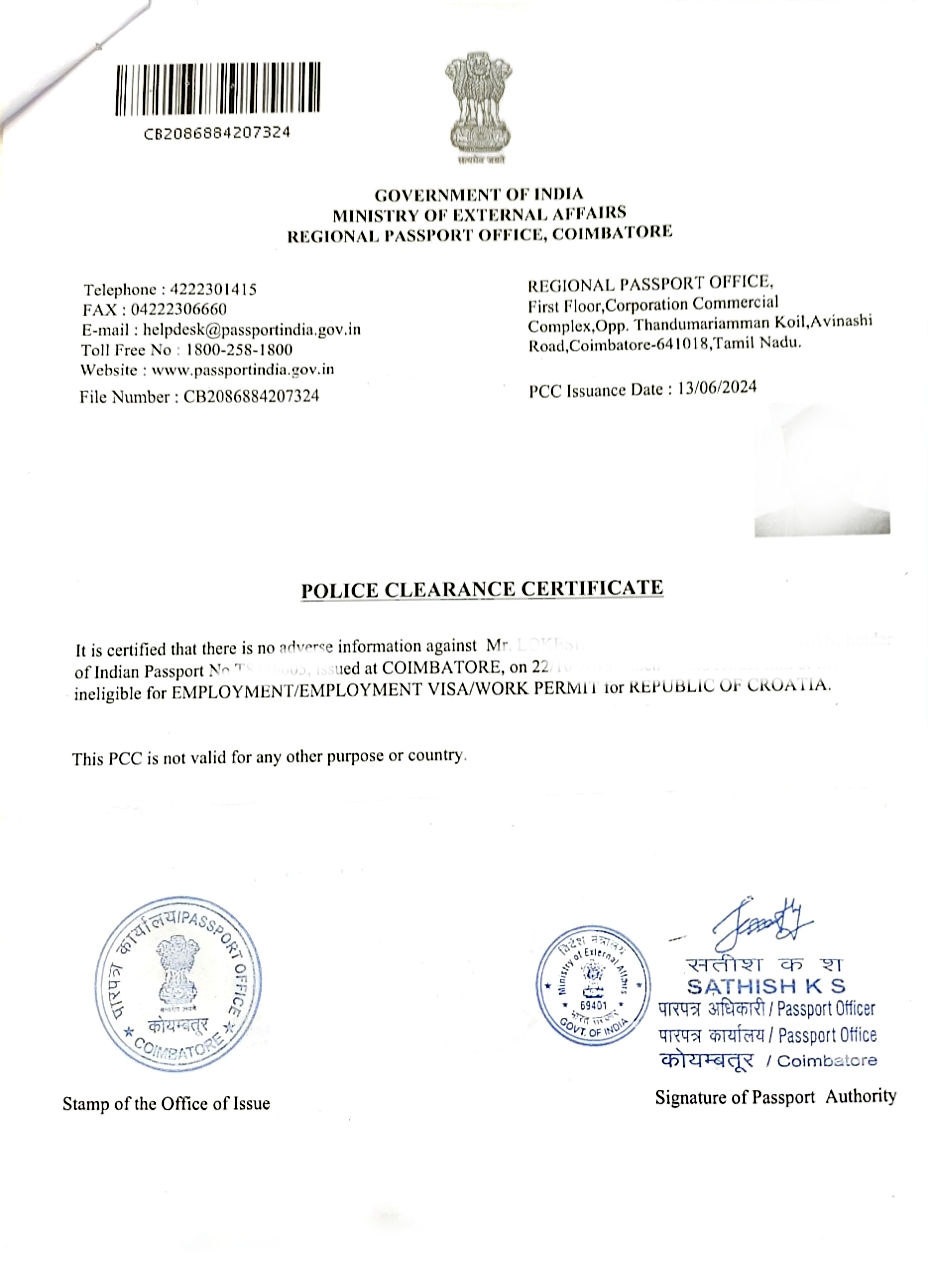
At its core, a Police Clearance Certificate is an official document issued by law enforcement agencies that certifies whether an individual has a criminal record. It serves as a testament to an applicant’s good character and absence of any pending criminal investigations or convictions within a specific jurisdiction. Think of it as a professional and official endorsement of your background, assuring parties that you do not pose a security risk.
The concept of a PCC is rooted in the fundamental need for trust and security in various societal interactions. Whether it’s an employer hiring a new employee, an immigration authority processing a visa application, or an educational institution admitting international students, understanding the applicant’s background is paramount. A PCC acts as a crucial piece of evidence, providing a standardized and verifiable way to assess this background.
The Purpose and Significance of a PCC
The significance of a PCC cannot be overstated, as it plays a vital role in numerous aspects of an individual’s life, particularly when crossing borders or engaging in sensitive professions. Its primary purpose is to:
- Ensure Public Safety and Security: By vetting individuals for criminal histories, governments and organizations can mitigate risks associated with crime and ensure that individuals entering their jurisdictions or taking on critical roles do not have a past that jeopardizes public safety.
- Facilitate International Mobility: For those seeking to live, work, or study in a foreign country, a PCC is almost universally a mandatory requirement for visa applications. It demonstrates to the host country that the applicant has no history that would make them an undesirable resident.
- Uphold Professional Integrity: Many professions, especially those involving children, vulnerable individuals, or sensitive data, require a PCC to ensure that only trustworthy individuals are employed. This includes roles in education, healthcare, finance, and law enforcement itself.
- Support Immigration Processes: Immigration authorities rely on PCCs to assess an applicant’s suitability for permanent residency or citizenship. A clean record is often a prerequisite for a successful immigration journey.
- Verify Character for Specific Engagements: Beyond formal employment or immigration, PCCs can be requested for various other purposes, such as adopting a child, obtaining certain licenses, or even in some volunteer positions.
Variations in PCC Requirements and Terminology
It’s important to note that the term “Police Clearance Certificate” might be used interchangeably with other similar documents depending on the country or region. While the fundamental purpose remains the same, the specific names and issuing authorities can differ. For instance, you might encounter:
- Criminal Record Check: A general term that can encompass PCCs.
- Police Certificate: Commonly used in many English-speaking countries.
- Certificate of Good Conduct: Often used in African nations.
- Background Check: A broader term that may include more than just criminal records, but a PCC is a specific type of background check.
- Etc. (Specific local terminology): Each country has its own nuances. For example, in some European countries, a “Führungszeugnis” is the German equivalent, while in Australia, it might be an “Australian National Police Check.”
Understanding the exact terminology and the issuing authority in the country where you need the PCC is crucial for a smooth application process.
Navigating the Process: Obtaining Your Police Clearance Certificate
The process of obtaining a PCC typically involves several steps, and while the specifics vary by country, a general framework can be outlined. This is where modern technological advancements and smart branding strategies can significantly ease the burden.
The Traditional Application Pathway
Historically, obtaining a PCC involved a more manual and time-consuming process:
- Gathering Required Documents: This usually includes proof of identity (passport, national ID), proof of address, and sometimes even fingerprint records.
- Visiting the Police Station/Issuing Authority: Applicants often had to physically visit the local police station or the designated government agency responsible for issuing PCCs. This could involve long queues and significant waiting times.
- Filling Out Application Forms: Detailed application forms, often in triplicate, needed to be completed accurately.
- Biometric Data Collection (Sometimes): In some cases, fingerprinting or other biometric data might be collected on-site.
- Payment of Fees: A fee is typically associated with the application process.
- Waiting Period: The actual processing time for a PCC could range from a few days to several weeks or even months, depending on the efficiency of the issuing authority and the volume of applications.
- Collection of the Certificate: Applicants would often need to return to the issuing authority to collect their certificate in person.

Leveraging Technology for Efficiency
In today’s digital age, many countries are adopting more streamlined and technologically advanced methods for PCC applications, aiming to reduce bureaucracy and improve accessibility.
- Online Application Portals: Many government websites now offer online portals where applicants can initiate their PCC applications. This allows for the submission of documents, payment of fees, and tracking of application status from the comfort of their homes. This digital shift aligns perfectly with the “Tech” pillar of modern business operations, emphasizing efficiency and user-friendliness.
- Digital Fingerprinting and Biometrics: Advancements in biometric technology allow for faster and more accurate fingerprint capture. In some regions, applicants can visit designated centers for digital fingerprinting, which are then securely transmitted to the relevant authorities.
- E-Certificates and Digital Signatures: The issuance of e-certificates with digital signatures is becoming increasingly common. This not only speeds up the delivery process but also enhances the security and authenticity of the document. This integration of digital security is a key aspect of the “Tech” focus.
- Mobile Apps and Online Tracking: Some countries are developing dedicated mobile apps or robust online tracking systems that allow applicants to monitor the progress of their PCC application in real-time. This transparency fosters trust and reduces anxiety.
- Third-Party Verification Services: For individuals abroad or those seeking a PCC from a country they are no longer in, some services offer assistance in navigating the application process remotely. These services often leverage technology to facilitate communication and document submission.
Branding Your PCC Application: Strategies for Success
While the technical aspects of obtaining a PCC are crucial, approaching the process with a strategic mindset can also be beneficial. This is where the “Brand” pillar comes into play, focusing on how you present yourself and navigate the system.
- Accuracy and Completeness: Treat your PCC application as an extension of your personal brand. Ensure all information provided is accurate, truthful, and complete. Any discrepancies or omissions can lead to delays or outright rejection.
- Understanding the “Why”: When applying, be clear about the purpose of the PCC. This understanding will help you gather the correct documentation and present your case effectively. If an employer requires it, highlighting your clean record emphasizes your suitability and reliability – a strong personal brand trait.
- Proactive Planning: Don’t wait until the last minute to apply for your PCC. Research the requirements well in advance and start the process early. This demonstrates foresight and responsibility, mirroring good personal branding principles of being prepared and organized.
- Leveraging Digital Presence (Where Applicable): In some contexts, having a strong, professional online presence (e.g., LinkedIn) can indirectly support your application by showcasing your positive professional history. While not a direct substitute for a PCC, it contributes to an overall impression of trustworthiness.
- Professional Assistance (When Needed): For complex cases or applications in foreign jurisdictions, consider seeking advice from immigration consultants or legal professionals who specialize in these matters. This is akin to seeking expert advice for brand development – investing in quality assistance for a critical outcome.
Beyond the Certificate: The Value of a Clean Record in the Digital Age
The Police Clearance Certificate is more than just a bureaucratic requirement; it’s a tangible representation of an individual’s standing within society and their adherence to its laws. In the current era, characterized by rapid technological advancement and global interconnectedness, the value of a clean record is amplified.
The Financial Implications of a PCC
The “Money” pillar of our digital landscape intersects with PCCs in several critical ways, highlighting the financial implications of having or not having a clean record.
- Employment Opportunities and Salary Potential: A PCC is often a gateway to better-paying jobs, especially in international markets or specialized sectors. A clean record can unlock higher earning potential and career advancement, contributing directly to personal finance goals. Conversely, a criminal record can severely limit employment options and impact earning capacity.
- Investment and Business Ventures: For entrepreneurs looking to secure funding or engage in international business partnerships, a PCC can be a crucial document. Investors and partners want assurance that their money and ventures are not exposed to undue risk. A clean record fosters confidence and can facilitate access to capital and business opportunities.
- Visa and Immigration Costs: The cost of obtaining a PCC is often a necessary investment as part of a larger financial outlay for visas, relocation, and international living. While there’s an upfront fee, the alternative – being denied entry or employment due to a lack of clearance – carries far greater financial consequences.
- Insurance and Risk Assessment: In some specialized fields or for certain types of insurance, a clean criminal record can influence premium rates or even eligibility. This is because a history of criminal activity can be associated with higher risk.
The Evolving Landscape of Background Verification
As technology continues to advance, the methods of background verification are also evolving. While the PCC remains a cornerstone, other digital tools and techniques are emerging.
- AI-Powered Background Checks: Artificial intelligence is beginning to be used to analyze vast amounts of data for background checks, potentially speeding up the process and identifying patterns that might be missed by traditional methods. However, ethical considerations and data privacy are paramount in this domain.
- Digital Footprint Analysis: In some contexts, particularly for high-security roles, organizations may look at an individual’s digital footprint – their online activity and social media presence. While not a replacement for a PCC, it can be a supplementary source of information. Maintaining a positive and professional digital presence is, therefore, increasingly important.
- Blockchain Technology for Verifiable Credentials: The concept of using blockchain technology to store and verify credentials, including a PCC, is being explored. This could create a secure, immutable, and easily verifiable record that individuals control.
Conclusion: A Foundation for Trust in a Connected World
The Police Clearance Certificate, despite its sometimes-complex application process, stands as a vital tool for fostering trust and security in our increasingly interconnected world. Whether you’re a student aspiring to study abroad, a professional seeking global career opportunities, or an individual looking to immigrate, understanding and obtaining a PCC is a critical step.
By embracing technological advancements, adopting strategic application approaches, and recognizing the profound financial and professional value of a clean record, individuals can navigate this process with greater confidence and ease. In the digital age, where information travels at the speed of light, a Police Clearance Certificate remains a fundamental credential, a cornerstone of trust that opens doors to a world of possibilities.
aViewFromTheCave is a participant in the Amazon Services LLC Associates Program, an affiliate advertising program designed to provide a means for sites to earn advertising fees by advertising and linking to Amazon.com. Amazon, the Amazon logo, AmazonSupply, and the AmazonSupply logo are trademarks of Amazon.com, Inc. or its affiliates. As an Amazon Associate we earn affiliate commissions from qualifying purchases.