
In today’s rapidly evolving business landscape, the ability to execute projects effectively and consistently is no longer a competitive advantage; it’s a fundamental requirement for survival and growth. Whether a company is developing groundbreaking software, launching an innovative marketing campaign, or optimizing its financial operations, successful project delivery hinges on robust management. This is where the Project Management Office, or PMO, enters the scene, often serving as the strategic backbone that ensures projects align with overarching business objectives and are executed with maximum efficiency.
But what precisely is a PMO role? Beyond a mere administrative function, a PMO is a crucial organizational entity that standardizes project-related governance processes and facilitates the sharing of resources, methodologies, best practices, and tools. Its impact resonates across the core pillars of any successful enterprise: Tech, Brand, and Money. By establishing a framework for how projects are initiated, planned, executed, monitored, and closed, a PMO empowers organizations to navigate complex initiatives, mitigate risks, and ultimately achieve their strategic goals.
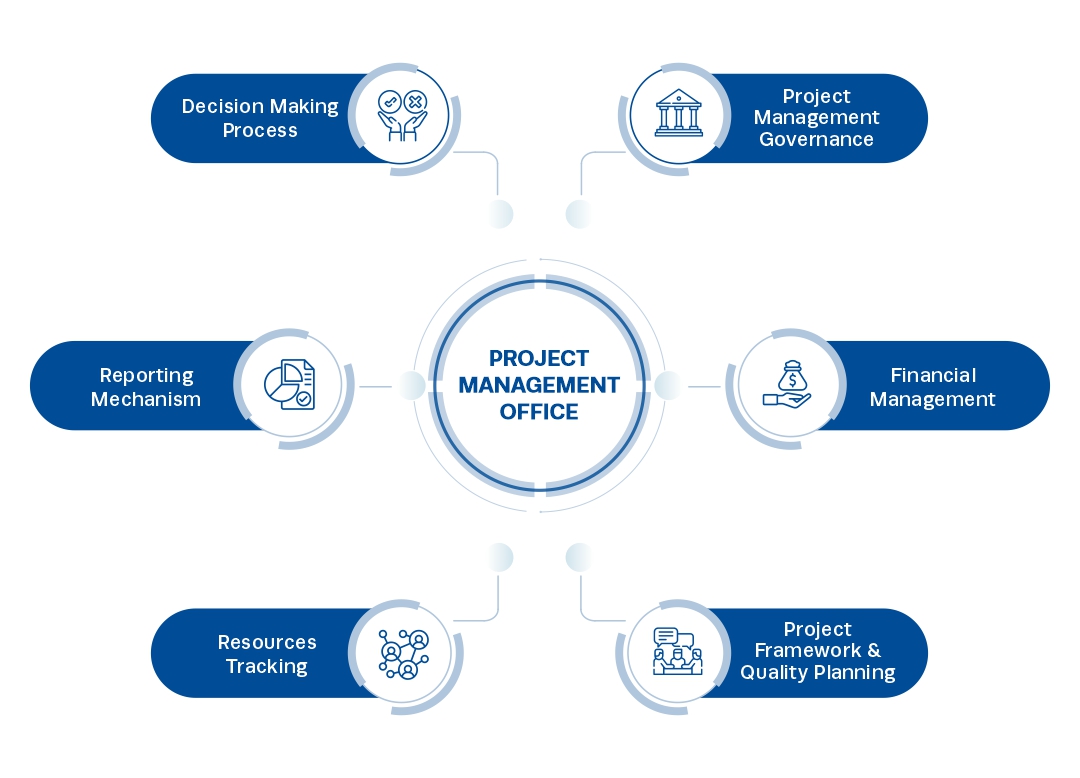
This article will delve into the multifaceted nature of a PMO role, exploring its various functions, benefits, and how it acts as a central nervous system, connecting and optimizing efforts within technology development, brand building, and financial management.
The Foundational Pillars: Understanding the PMO’s Purpose
At its core, the PMO is about bringing order, consistency, and strategic alignment to the often chaotic world of projects. Imagine a company embarking on multiple technology upgrades, a significant rebranding effort, and a new investment strategy simultaneously. Without a unifying structure, these initiatives could operate in silos, competing for resources, duplicating efforts, and potentially derailing each other. The PMO steps in to prevent this, acting as a central hub for all project-related activities.
Standardizing Project Governance
One of the primary functions of a PMO is to establish and enforce standardized project governance. This means defining clear processes for how projects are proposed, selected, prioritized, and managed throughout their lifecycle. This standardization ensures that:
- Consistent Methodologies: Whether agile, waterfall, or a hybrid approach, the PMO can champion and enforce methodologies best suited for different project types, ensuring predictable outcomes.
- Clear Roles and Responsibilities: Every project stakeholder understands their contribution and accountability, minimizing confusion and fostering collaboration.
- Effective Decision-Making: A defined governance structure allows for timely and informed decisions regarding project scope, budget, and resources.
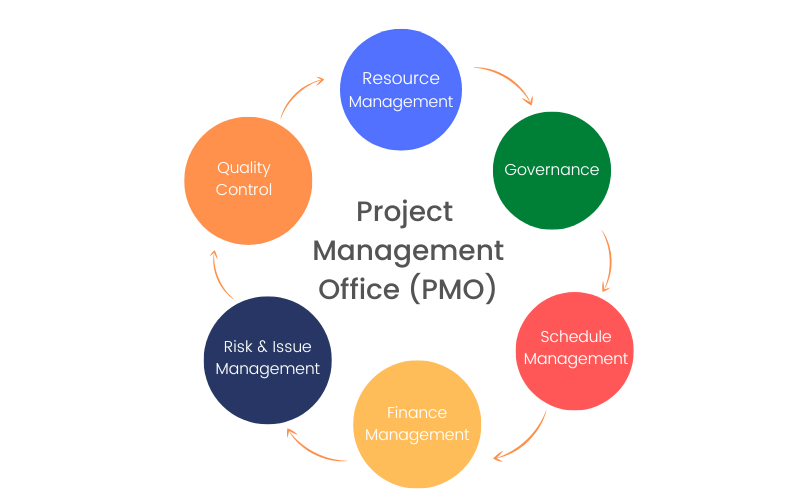
- Risk Management Frameworks: Proactive identification and mitigation of risks become embedded in the project process, preventing small issues from escalating into major problems.
Facilitating Resource and Knowledge Sharing
Projects rarely exist in isolation. They draw upon shared resources, expertise, and historical knowledge. The PMO plays a pivotal role in optimizing this sharing:
- Resource Allocation: By having an overview of all ongoing and upcoming projects, the PMO can strategically allocate human capital, financial resources, and technological tools to ensure that the most critical initiatives receive the necessary support. This prevents bottlenecks and ensures that valuable skills are utilized effectively.
- Best Practices and Lessons Learned: The PMO acts as a repository for project knowledge. It collects data on what worked well and what didn’t in past projects, disseminating this information to future teams. This continuous learning loop drives improvement and prevents teams from reinventing the wheel.
- Tool and Template Standardization: Providing common project management software, reporting templates, and collaboration tools streamlines communication and ensures consistency in how project progress is tracked and reported.
The PMO’s Impact Across Key Business Domains
The strategic value of a PMO is most evident in its direct contribution to the success of initiatives within the Tech, Brand, and Money spheres.
Driving Tech Innovation and Excellence
In the fast-paced world of technology, project success is paramount. From developing cutting-edge software and implementing AI tools to managing the rollout of new gadgets and ensuring digital security, projects are the lifeblood of innovation. A PMO’s role here is critical:
Strategic Alignment of Technology Projects
A key function is ensuring that technology projects are not undertaken in a vacuum but are directly aligned with the company’s overall strategic objectives. This means a PMO will work closely with IT leadership and business stakeholders to:
- Prioritize Development Efforts: Identifying which software development projects will deliver the highest ROI or best support new market opportunities. This might involve evaluating the potential impact of new AI tools on operational efficiency or customer engagement.
- Manage App and Gadget Development Cycles: Overseeing the complex product development lifecycle, from conception and prototyping to testing and launch, ensuring timely delivery of innovative apps and gadgets.
- Champion Digital Security Initiatives: Ensuring that robust cybersecurity measures are integrated into all technology projects from the outset, protecting sensitive data and company infrastructure.
- Oversee Infrastructure and System Upgrades: Managing the successful implementation of critical IT infrastructure upgrades or software updates, minimizing disruption to ongoing operations.
- Facilitate Knowledge Transfer for Technical Teams: Ensuring that learnings from one tech project – be it a successful deployment of a new AI tool or a challenging software bug fix – are documented and shared to benefit future endeavors. This includes fostering an environment where developers and engineers can share technical expertise and best practices.
Optimizing Technology Project Execution
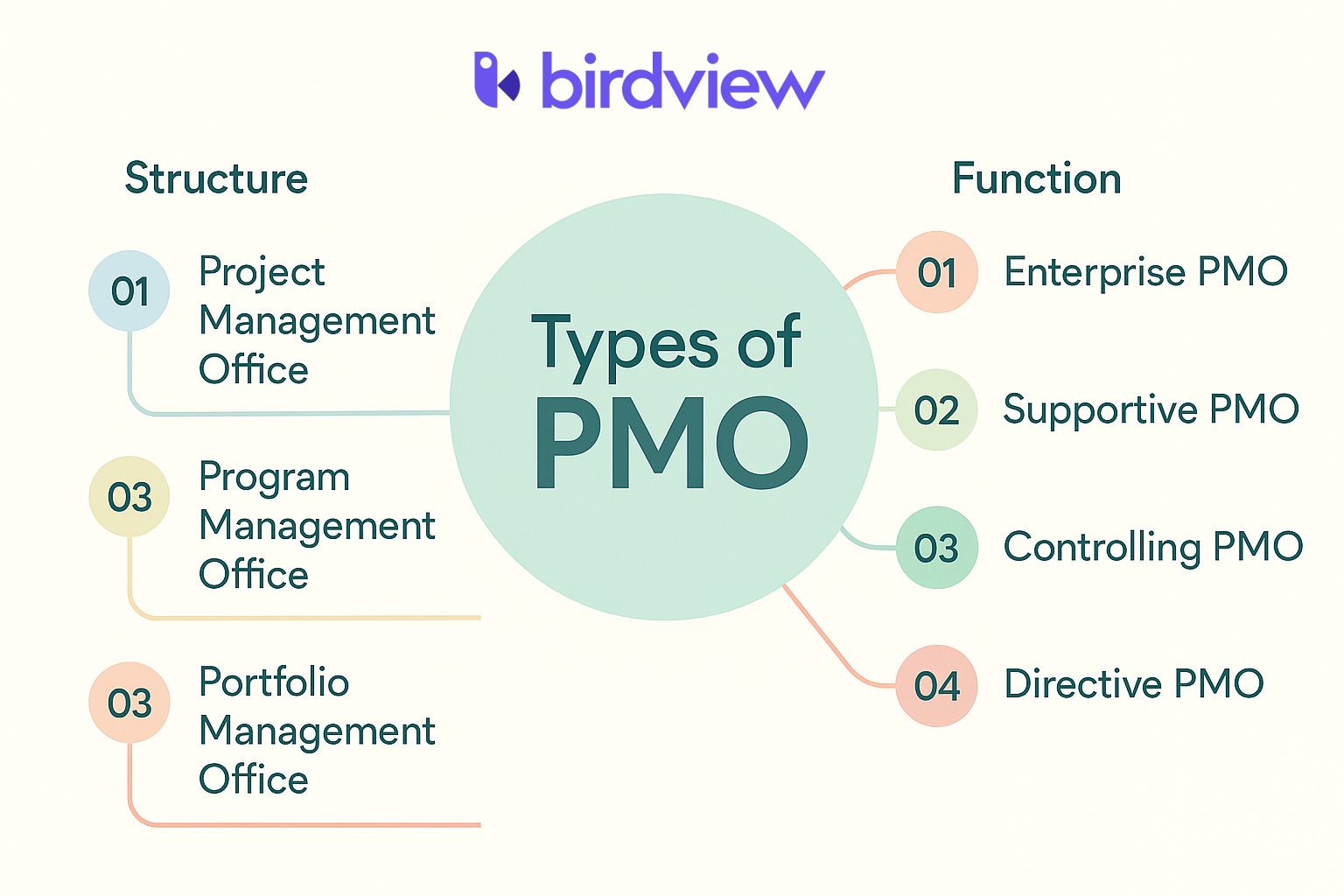
Beyond alignment, the PMO ensures that technology projects are executed efficiently and effectively. This involves:
- Adopting Agile Methodologies for Software Development: Guiding development teams in adopting and refining agile practices to deliver software iteratively, enabling faster feedback loops and greater adaptability to changing requirements.
- Implementing Robust Testing and Quality Assurance: Establishing clear testing protocols and quality assurance processes to ensure the reliability and performance of all tech deliverables.
- Managing Vendor Relationships for Tech Solutions: Overseeing the selection, contracting, and performance management of external vendors providing software, hardware, or IT services.
- Tracking and Reporting on Technology Project Metrics: Defining and monitoring key performance indicators (KPIs) for tech projects, such as on-time delivery, budget adherence, bug resolution rates, and system uptime.
- Ensuring Seamless App and Gadget Launches: Coordinating all aspects of product launches, from marketing and sales enablement to customer support readiness, ensuring a smooth entry into the market.
Enhancing Brand Strategy and Reputation
In today’s competitive marketplace, a strong brand is an invaluable asset. Projects related to brand strategy, personal branding, corporate identity, marketing, and design are critical for building recognition, fostering customer loyalty, and managing reputation. The PMO plays a vital role in orchestrating these initiatives:
Strategic Integration of Branding Initiatives
The PMO ensures that all brand-related projects are aligned with the company’s overarching brand strategy and mission. This includes:
- Prioritizing Marketing Campaigns: Directing resources towards marketing initiatives that have the greatest potential to reach target audiences and achieve desired brand perception outcomes.
- Managing Corporate Identity Overhauls: Overseeing large-scale projects involving logo redesigns, brand guideline updates, and the implementation of new visual identities across all touchpoints.
- Ensuring Consistency in Personal and Corporate Branding: Guiding initiatives that aim to create cohesive personal brands for key individuals and a unified corporate identity, reinforcing the company’s values and message.
- Overseeing Reputation Management Projects: Coordinating efforts to proactively monitor and respond to public perception, managing crisis communications, and implementing strategies to enhance brand reputation.
- Facilitating Cross-Functional Collaboration for Brand Initiatives: Ensuring that marketing, design, sales, and customer service teams are aligned and working collaboratively on brand-related projects.
Optimizing Brand Project Execution
The PMO provides the structure and discipline needed to execute brand-building projects effectively:
- Standardizing Design and Content Approval Processes: Establishing clear workflows for the creation, review, and approval of marketing collateral, website content, and design assets, ensuring brand consistency.
- Managing Creative Project Timelines: Overseeing the complex timelines involved in developing advertising campaigns, producing video content, or launching new brand initiatives.
- Tracking Brand Awareness and Engagement Metrics: Defining and monitoring KPIs related to brand visibility, customer engagement, social media sentiment, and campaign performance.
- Ensuring Brand Guidelines Adherence: Implementing mechanisms to ensure that all internal and external communications and collateral adhere to established brand guidelines, maintaining a unified brand image.
- Facilitating Case Study Development and Knowledge Sharing: Overseeing the process of documenting successful brand campaigns and initiatives through case studies, allowing for replication of success and continuous improvement in marketing efforts.
Strengthening Financial Management and Profitability
Financial success is the ultimate measure of business performance. Projects within personal finance, investing, online income, side hustles, and business finance are all areas where a PMO can drive significant value:
Strategic Financial Project Planning and Prioritization
The PMO ensures that financial projects are aligned with the company’s financial goals and risk appetite. This involves:
- Prioritizing Investment Opportunities: Working with finance leadership to evaluate and prioritize investment projects, such as mergers, acquisitions, or capital expenditures, based on their potential return and strategic fit.
- Managing Financial System Implementations: Overseeing the implementation of new accounting software, enterprise resource planning (ERP) systems, or financial planning tools.
- Optimizing Online Income and Side Hustle Strategies: For organizations that support or offer side hustle opportunities, the PMO can help structure and manage these initiatives for maximum efficiency and profitability.
- Ensuring Compliance with Financial Regulations: Overseeing projects designed to ensure adherence to relevant financial regulations and reporting standards.
- Facilitating Cost Optimization Projects: Identifying and managing projects aimed at reducing operational costs and improving profit margins.
Disciplined Execution of Financial Initiatives
The PMO brings rigor and accountability to the execution of financial projects:
- Implementing Robust Budgeting and Forecasting Processes: Establishing standardized methods for financial planning, budgeting, and forecasting across all projects.
- Tracking Financial Project Performance: Monitoring project spending against budget, analyzing variances, and reporting on the financial health of all initiatives.
- Managing Risk in Financial Projects: Implementing frameworks for identifying and mitigating financial risks, such as market volatility, credit risk, or operational inefficiencies.
- Ensuring Timely and Accurate Financial Reporting: Overseeing projects that aim to improve the accuracy and timeliness of financial reporting to stakeholders.
- Streamlining Business Finance Operations: Managing projects focused on improving efficiency and effectiveness in areas like accounts payable, accounts receivable, and payroll.
The Evolving PMO: From Support to Strategic Partner
Historically, PMOs were often seen as administrative support functions, focused primarily on tracking schedules and generating reports. However, the modern PMO has evolved significantly. Today’s PMOs are increasingly strategic partners, deeply integrated into business decision-making. They move beyond simple oversight to actively influence project selection, resource allocation, and risk management, thereby directly contributing to the achievement of organizational objectives in Tech, Brand, and Money.
The success of a PMO hinges on strong leadership, clear mandate, and effective communication. By embracing best practices, leveraging technology, and fostering a culture of continuous improvement, a PMO can become the indispensable engine that drives project success and propels an organization towards its strategic vision. Understanding the PMO role is therefore not just about comprehending a function; it’s about recognizing a critical catalyst for organizational excellence.
aViewFromTheCave is a participant in the Amazon Services LLC Associates Program, an affiliate advertising program designed to provide a means for sites to earn advertising fees by advertising and linking to Amazon.com. Amazon, the Amazon logo, AmazonSupply, and the AmazonSupply logo are trademarks of Amazon.com, Inc. or its affiliates. As an Amazon Associate we earn affiliate commissions from qualifying purchases.