
Tesla, Inc. (TSLA) stands as one of the most polarizing and closely watched companies on Wall Street. For retail investors and institutional fund managers alike, the question of “when is Tesla earnings” is more than just a calendar query—it is a pivotal moment that often dictates the momentum of the broader technology and automotive sectors. As a centerpiece of the “Magnificent Seven,” Tesla’s financial health serves as a barometer for consumer discretionary spending, the viability of the electric vehicle (EV) transition, and the valuation of AI-driven growth narratives.
Understanding the timing, the metrics, and the market psychology surrounding Tesla’s quarterly reports is essential for anyone looking to navigate the volatility of the stock market. This guide provides a deep dive into the Tesla earnings cycle, the financial indicators that matter most, and how to position a portfolio ahead of the next release.
Understanding Tesla’s Earnings Calendar and Reporting Cycle
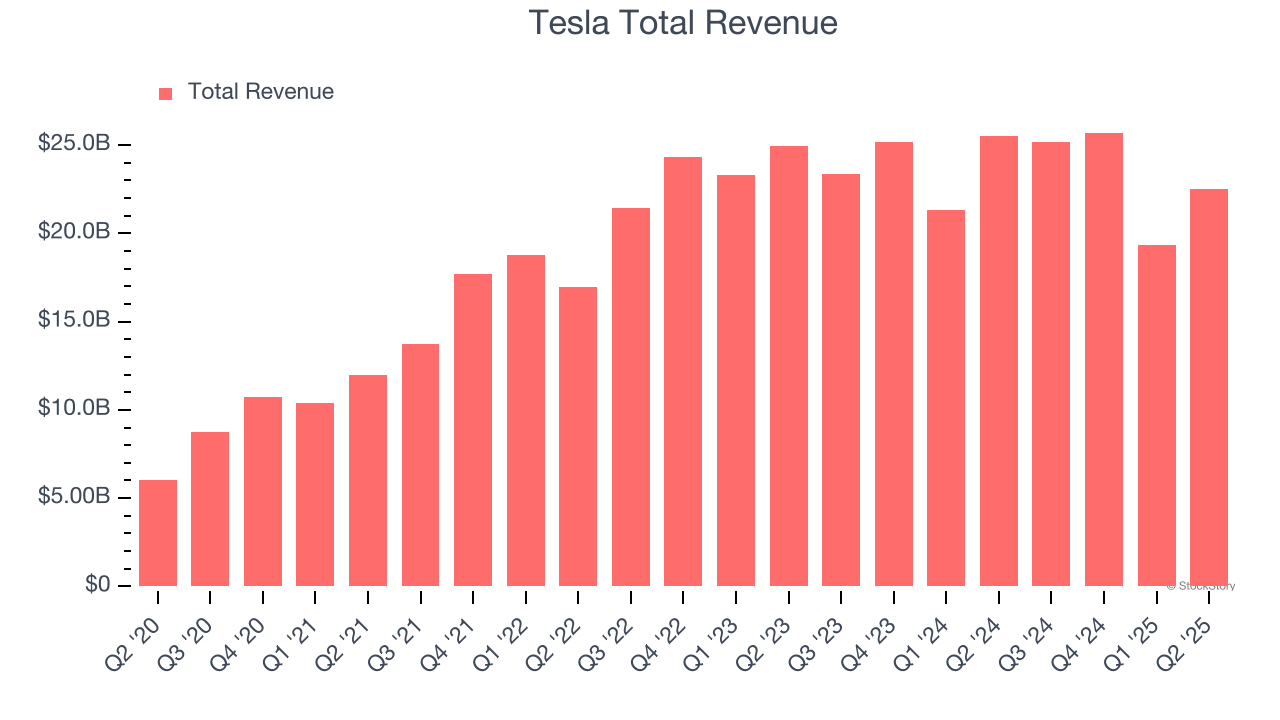
Tesla operates on a standard fiscal year that aligns with the calendar year, ending on December 31. Consequently, the company releases its financial results four times a year, typically in the month following the close of a quarter. Because Tesla is a high-growth company with a massive retail following, these dates are etched into the calendars of traders worldwide.
When Does Tesla Typically Report?
While the exact date is usually confirmed by Tesla’s Investor Relations department about two to three weeks in advance, the company follows a predictable pattern. Historically, Tesla reports its earnings on a Wednesday in the latter half of the month following a quarter’s end.
- Q1 Earnings (January–March): Usually reported in late April.
- Q2 Earnings (April–June): Usually reported in late July.
- Q3 Earnings (July–September): Usually reported in late October.
- Q4 and Full Year Earnings (October–December): Usually reported in late January of the following year.
The earnings call typically takes place after the market closes (4:00 PM ET), with a live Q&A session involving CEO Elon Musk and other top executives following shortly thereafter.
How to Find the Exact Date for Upcoming Quarters
For investors seeking the most current information, the official Tesla Investor Relations website is the primary source. However, savvy investors also look for the “Production and Delivery” report, which Tesla releases within the first few days of a new quarter. This preliminary data release—detailing how many cars were built and shipped—often acts as a precursor to the earnings date announcement. If deliveries beat expectations, the market often rallies in anticipation of the formal earnings report; if they miss, the “when” of the earnings call becomes a countdown to a period of potential damage control.
The Significance of the “Earnings Whisper”
In the days leading up to the official announcement, the financial community discusses the “whisper number.” This is an unofficial expectation of earnings per share (EPS) held by analysts and traders that may differ from the official consensus estimate. For Tesla, where sentiment often outweighs spreadsheets, the gap between the official estimate and the whisper number can create significant pre-earnings volatility.
Key Financial Metrics to Watch in a Tesla Earnings Call
To truly understand Tesla’s value, an investor must look beyond the top-line revenue. Tesla is unique because it is valued as a software company, an energy firm, and a car manufacturer all at once. This complexity requires a granular look at specific financial indicators.
Gross Margins and the Impact of Price Wars
For the past several years, the most scrutinized metric in Tesla’s earnings has been its automotive gross margin (excluding regulatory credits). As Tesla has slashed prices to maintain market share against rising competition from legacy automakers and Chinese rivals like BYD, its margins have come under pressure.
Investors look for a “floor” in these margins. A stabilizing or rising margin suggests that Tesla’s manufacturing efficiencies (such as the “unboxed” manufacturing process or Giga Press technology) are successfully offsetting the lower selling prices. If margins continue to slide, it signals that the company’s pricing power is waning, which can lead to a revaluation of the stock’s premium P/E (price-to-earnings) ratio.
Regulatory Credits: The Hidden Profit Driver
Tesla earns “regulatory credits” because it produces only zero-emission vehicles. It sells these credits to other automakers who cannot meet government emissions standards. In many quarters, these credits have represented a significant portion of Tesla’s net income. While this is pure profit, analysts often strip these out to see how the core business is performing. A healthy earnings report is one where Tesla is profitable on the merits of its vehicle sales and energy products alone, rather than relying on credit sales to bridge the gap.
R&D Spending and the AI Narrative
Tesla’s capital expenditure and Research & Development (R&D) spending are critical for long-term investors. Unlike a traditional car company, Tesla invests heavily in artificial intelligence, the “Optimus” humanoid robot project, and Full Self-Driving (FSD) software. During the earnings call, management provides updates on the “compute” power they are building out (using NVIDIA H100s or their own Dojo chips). From a money perspective, this spending is a double-edged sword: it reduces immediate cash flow but builds the “moat” that justifies Tesla’s high valuation compared to Ford or Toyota.
Why Tesla Earnings Volatility Matters for Your Portfolio
Tesla is renowned for its “implied move”—the percentage the stock is expected to swing up or down following an earnings report based on options market pricing. It is not uncommon for TSLA to move 5% to 10% in a single trading session post-earnings.
The “Beat and Raise” Phenomenon
In the world of investing, a “beat and raise” is the gold standard. This occurs when a company beats Wall Street’s expectations for the previous quarter and simultaneously raises its guidance for the future. For Tesla, guidance often revolves around production targets (e.g., the goal of 1.8 million or 2 million vehicles per year). If Tesla beats earnings but lowers its forward-looking delivery guidance, the stock often falls. Investors buy the future, not the past.
Post-Earnings Trading Strategies
For retail investors, there are three common ways to approach the “when is Tesla earnings” window:
- The Buy-and-Hold Strategy: Long-term investors often ignore the quarterly “noise,” viewing any post-earnings dip as an opportunity to “dollar-cost average” into their position.
- Hedging with Options: Investors holding a large position in Tesla may buy “put options” ahead of earnings. This acts as an insurance policy; if the earnings report is poor and the stock price crashes, the profit from the put options offsets the loss in the stock value.
- The “Wait and See” Approach: Many conservative investors wait until 48 hours after the earnings call. This allows the initial emotional reaction of the market to settle and gives analysts time to publish their updated price targets.
The Broader Economic Context of Tesla’s Financials
Tesla does not operate in a vacuum. Its earnings are heavily influenced by global macroeconomic factors that every investor should monitor.
Interest Rates and Auto Loan Demand
Most consumers finance their vehicle purchases. When the Federal Reserve raises interest rates, the cost of an auto loan increases, making a Tesla more expensive even if the sticker price remains the same. In recent earnings calls, Elon Musk has been vocal about the impact of high interest rates on demand. Investors should listen for commentary on how the current interest rate environment is affecting Tesla’s “order intake” and whether they are seeing an increase in lease vs. buy options.
Global Competition and Market Share in China
China is Tesla’s most important market outside of the United States, both as a manufacturing hub (Giga Shanghai) and a consumer base. The financial performance of Tesla is increasingly tied to its ability to compete with local Chinese brands that offer lower-priced EVs. Earnings reports provide a breakdown of regional revenue, allowing investors to see if Tesla is losing ground in the East. A decline in Chinese revenue is often viewed as a major red flag for the company’s global growth thesis.
The Energy Storage Growth Pillar
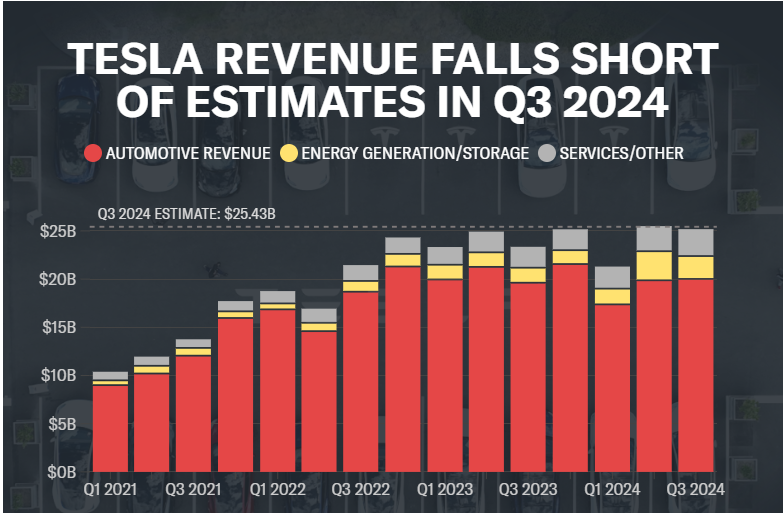
While cars get the headlines, Tesla’s “Energy Generation and Storage” business is a rapidly growing segment. This includes Powerwalls for homes and Megapacks for utility-scale projects. In recent quarters, the growth rate of the energy business has occasionally outpaced the automotive business. For an investor, this diversification is crucial because it provides a high-margin revenue stream that is less sensitive to the cyclical nature of the car market.
Conclusion: Staying Informed for Long-Term Wealth
The question of “when is Tesla earnings” is the starting point for a comprehensive financial check-up on one of the world’s most influential companies. For the disciplined investor, these quarterly reports are not just about the numbers; they are about the narrative. Is Tesla still a hyper-growth tech company, or is it maturing into a high-efficiency industrial giant?
By focusing on gross margins, the impact of interest rates, and the progress of high-margin software ventures like FSD, investors can look past the headlines and make informed decisions. Whether you are a day trader looking to capitalize on volatility or a long-term investor building a retirement nest egg, Tesla’s earnings provide the essential data needed to navigate the complexities of the modern financial landscape. Stay vigilant, watch the dates, and always look for the story behind the spreadsheets.
aViewFromTheCave is a participant in the Amazon Services LLC Associates Program, an affiliate advertising program designed to provide a means for sites to earn advertising fees by advertising and linking to Amazon.com. Amazon, the Amazon logo, AmazonSupply, and the AmazonSupply logo are trademarks of Amazon.com, Inc. or its affiliates. As an Amazon Associate we earn affiliate commissions from qualifying purchases.