
Paris, a city synonymous with romance, art, and unparalleled fashion, also serves as a pivotal hub for global travel. For millions of visitors each year, the journey to or from the French capital begins and ends at its primary aerial gateway. But when one asks, “What is Paris’s main airport?” the answer isn’t as simple as a single name. Paris is served by a complex and robust network of airports, with two standing out as the dominant players for international and domestic traffic. Understanding these key gateways is crucial for any traveler, impacting everything from flight prices and travel times to the overall experience of arriving in or departing from this iconic European metropolis.

This exploration delves into the primary airports serving Paris, focusing on their significance, operational characteristics, and the broader implications for travelers. We’ll dissect what makes each airport a “main” contender, considering passenger volume, airline operations, and their strategic importance. Furthermore, we will briefly touch upon how developments in airport infrastructure and passenger experience are increasingly intertwined with technological advancements, brand perception, and the financial considerations of both airlines and travelers.
Charles de Gaulle Airport (CDG): The Global Gateway
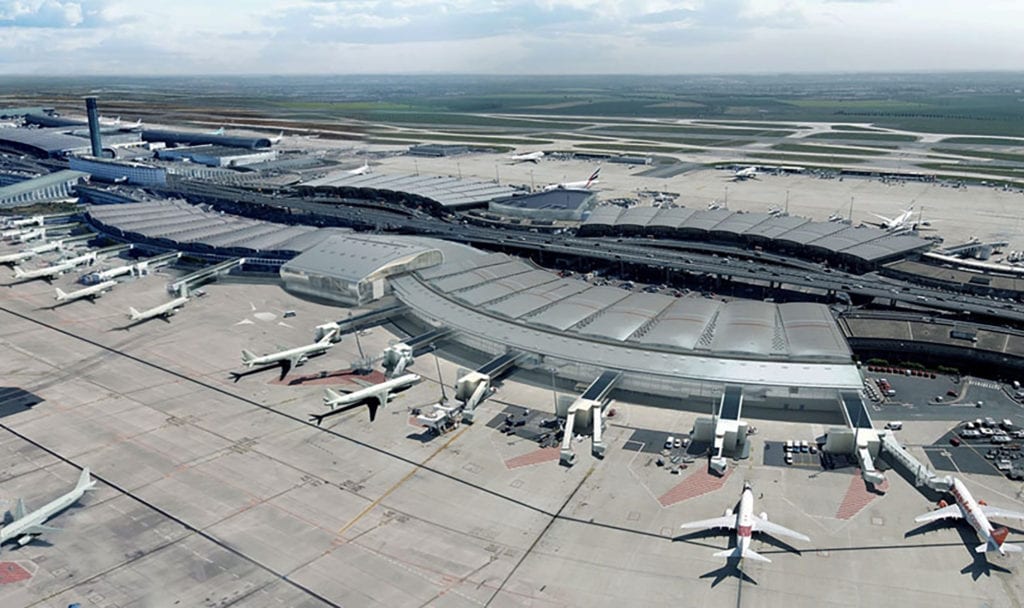
Without a doubt, Paris-Charles de Gaulle Airport (CDG), often referred to as Roissy Airport, is the undisputed heavyweight in Parisian aviation. It is the largest and busiest airport in France and the second busiest in Europe by passenger traffic, trailing only London Heathrow. Named after Charles de Gaulle, the esteemed leader of the Free French Forces and founder of the French Fifth Republic, CDG embodies France’s ambition and global reach in the aviation sector.
A Hub of International Connectivity
CDG’s sheer scale and operational capacity make it the primary international gateway for Paris. It serves as a major hub for Air France, the national flag carrier, and a significant base for many other international airlines. The airport’s strategic location northeast of Paris, approximately 25 kilometers (16 miles) from the city center, facilitates direct flights to hundreds of destinations worldwide. For business travelers and tourists alike, CDG offers unparalleled connectivity, making it the first port of call for those arriving from distant continents.
The airport’s infrastructure is designed to handle this immense volume. It comprises multiple terminals, each with its own unique architecture and operational focus. Terminal 1, the oldest and most distinctive with its iconic, star-shaped design, was a pioneering example of modern airport design. Subsequent terminals, including the sprawling Terminal 2 (itself divided into sub-terminals like 2E, 2F, and 2G) and the more contemporary Terminal 3, have been developed to accommodate the ever-increasing demands of air travel. This multi-terminal structure allows for the efficient segregation of airlines, flight types, and passenger flows, aiming to streamline the passenger journey.
Technological Integration and Passenger Experience
In the competitive landscape of global aviation, airports are increasingly judged not just by their capacity but by their efficiency and the quality of the passenger experience. CDG, like many leading international airports, is continually investing in technology to enhance its operations and passenger services. From advanced baggage handling systems that utilize sophisticated sorting and tracking to real-time flight information displayed across numerous digital screens, technology is at the forefront of CDG’s operational strategy.
The adoption of AI tools is subtly, yet significantly, impacting airport operations. AI can be used for predictive maintenance of infrastructure, optimizing air traffic control, and even analyzing passenger flow to identify potential bottlenecks and improve efficiency. For passengers, this translates to smoother transitions, reduced wait times, and more accurate information. The integration of digital security measures is also paramount, ensuring the safety and integrity of both passenger data and the airport’s operational systems.
Furthermore, the development of user-friendly mobile apps allows passengers to navigate the vast expanse of CDG with greater ease. These apps can provide personalized flight updates, terminal maps, information on amenities, and even allow for pre-booking services like lounge access or fast-track security. Such advancements are not merely about convenience; they are about creating a seamless and positive impression of the airport, contributing to its overall brand reputation.
Financial Dynamics and Airline Operations
The financial ecosystem of an airport like CDG is incredibly complex, driven by passenger fees, landing charges, retail concessions, and airline partnerships. The sheer volume of passengers translates into significant revenue streams. For airlines, choosing CDG as a base or a key destination is a strategic decision tied to market access, operational costs, and passenger demand. The financial stability and growth of CDG are directly linked to the success of the airlines it hosts.
From a money perspective, understanding the pricing structures at CDG is vital for both airlines and travelers. Airline ticket prices are influenced by landing fees, passenger service charges, and the airline’s own operational costs at the airport. For passengers, the ancillary revenue generated through retail and dining outlets within the airport also plays a role in the overall airport economy. While not directly paying for these services, their presence contributes to the airport’s profitability, which can, in turn, fund infrastructure upgrades and technological investments.
Orly Airport (ORY): The Second Pillar of Parisian Aviation
While CDG may hold the title of the largest, Paris-Orly Airport (ORY) plays a crucial, complementary role in serving the Parisian region. Located to the south of Paris, historically it was the city’s primary airport before the opening of CDG. Today, Orly has carved out a distinct niche, particularly for domestic and short-haul European flights, as well as serving as a base for a variety of airlines, including many low-cost carriers.
A Focus on European and Domestic Routes
Orly’s strategic positioning and its evolution over the years have made it a preferred choice for a significant portion of air traffic within France and across Europe. It handles a substantial volume of passengers, making it the second busiest airport in France. Its terminals, while less grand than CDG’s most modern offerings, are efficient and well-suited for its primary flight segments. This focus on shorter routes allows for a different operational rhythm, often prioritizing quick turnaround times for aircraft.
The airport is undergoing a significant transformation aimed at modernizing its facilities and enhancing passenger experience. This redevelopment project includes consolidating terminals and improving connectivity, signaling Orly’s continued importance in the Parisian air travel landscape. The ambition is to create a more cohesive and contemporary airport that can compete effectively for European traffic.
Innovation in Passenger Flow and Services
Similar to CDG, Orly is embracing technology to optimize its operations and passenger journey. The modernization efforts are deeply intertwined with implementing smart solutions for passenger flow management, baggage handling, and information dissemination. The goal is to create a more intuitive and less stressful experience for travelers, especially those on shorter, more frequent trips.
The digital transformation at Orly extends to how passengers interact with the airport before they even arrive. Online check-in, mobile boarding passes, and real-time updates are now standard. The integration of digital security protocols is crucial for maintaining a safe and efficient environment. As Orly modernizes, it’s also looking at how to enhance its retail and service offerings, recognizing that these contribute significantly to the passenger experience and the airport’s brand identity.
Economic Significance and Traveler Choices
From a money perspective, Orly’s focus on short-haul and low-cost carriers often translates into more competitive airfares for travelers. This makes it an attractive option for budget-conscious travelers and for those making frequent domestic or intra-European journeys. The airport’s economic contribution to the region is significant, supporting local businesses and employment.
The presence of two major airports, each with its strengths and specialties, offers travelers a greater range of choices. This competition benefits consumers by potentially driving down prices and improving service quality. Understanding which airport serves which routes and airlines is therefore a fundamental aspect of planning any trip to Paris, impacting the overall cost and convenience of travel.
Beyond the Main Two: Beauvais and Other Airports
While CDG and Orly are the undisputed main airports serving Paris, it’s worth acknowledging other facilities that contribute to the region’s air traffic. Beauvais-Tillé Airport (BVA), located significantly further from Paris (around 85 kilometers north), is primarily used by low-cost carriers, most notably Ryanair. Despite its distance, it’s often marketed as a “Paris” airport due to its appeal to budget travelers seeking to reach the French capital.
The Role of Secondary Airports
These secondary airports, like Beauvais, serve a specific market segment – those prioritizing the lowest possible airfare over travel time and convenience to the city center. While not experiencing the same level of international traffic or passenger volume as CDG or Orly, they are vital components of the wider Parisian air transport ecosystem. Their operational models are often leaner, focused on efficient turnaround for their specific fleet and route networks.
Technological and Brand Considerations
From a technology standpoint, these airports may not boast the same cutting-edge infrastructure as their larger counterparts, but they leverage essential digital tools for operational efficiency. Online booking, automated check-in, and digital communication are standard. Their brand identity is strongly linked to affordability and accessibility, appealing to a different demographic of travelers.
Financial Implications for Travelers
The money aspect is the primary driver for passengers choosing airports like Beauvais. The lower operational costs for airlines at these more distant airports often translate into significantly cheaper flight tickets. However, travelers must factor in the additional cost and time of ground transportation from these airports to Paris, which can sometimes offset the initial flight savings.

Conclusion: Navigating Paris’s Aviation Landscape
When seeking to answer “What is Paris’s main airport?”, the definitive answer points towards Charles de Gaulle Airport (CDG) as the primary international gateway and the largest, busiest airport serving the region. However, Paris-Orly Airport (ORY) is an indispensable secondary hub, vital for domestic and European travel. Together, these two airports form the backbone of Paris’s aviation infrastructure, catering to diverse passenger needs and airline operations.
The evolution of these airports is a fascinating interplay of technology, brand building, and money management. From AI-driven operational efficiencies and robust digital security to strategic marketing and the financial considerations of airlines and travelers, the modern airport is a complex ecosystem. Understanding the nuances of Paris’s main airports is not just about knowing where to fly; it’s about appreciating the intricate network that facilitates global connectivity and shapes the initial impression of countless visitors to the magnificent City of Lights. For any traveler, a clear understanding of CDG and Orly, and the services they offer, is the first step to a smoother and more enjoyable Parisian adventure.
aViewFromTheCave is a participant in the Amazon Services LLC Associates Program, an affiliate advertising program designed to provide a means for sites to earn advertising fees by advertising and linking to Amazon.com. Amazon, the Amazon logo, AmazonSupply, and the AmazonSupply logo are trademarks of Amazon.com, Inc. or its affiliates. As an Amazon Associate we earn affiliate commissions from qualifying purchases.