
In the complex ecosystem of personal finance, few tasks are as critical—or as potentially stressful—as the annual filing of a federal tax return. For decades, the answer to “where do I send my federal tax return” was straightforward: you placed it in a stamped envelope and mailed it to a specific regional Internal Revenue Service (IRS) center. Today, however, the concept of “where” has evolved. In an era defined by digital transformation, the destination for your tax data might be a secure server, a private software portal, or one of several geographically specific IRS processing centers.
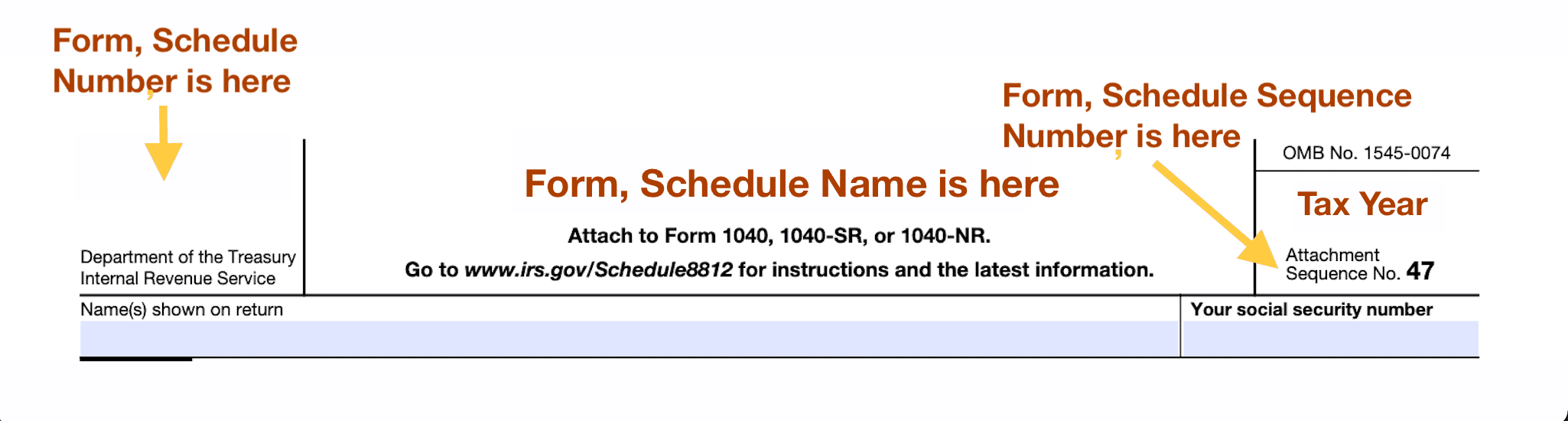
Understanding the nuances of where and how to submit your tax return is more than just a clerical necessity; it is a fundamental component of proactive financial management. Submitting your return to the wrong location or via an insecure channel can lead to processing delays, missed refund deadlines, or even the risk of identity theft. This guide explores the multifaceted landscape of federal tax submission, ensuring your financial documentation reaches its destination safely and efficiently.
1. The Digital Frontier: Understanding E-Filing Destinations
For the vast majority of modern taxpayers—approximately 90% of the filing population—the “where” of tax filing is no longer a physical address. Instead, the destination is a secure digital gateway. E-filing has become the standard for personal finance management due to its speed, accuracy, and the immediacy of receipt.
The Role of Authorized E-File Providers
When you use popular tax preparation software or work with a Certified Public Accountant (CPA), you are not sending your return directly to the IRS in a single step. Instead, your data is transmitted to an authorized e-file provider. These entities act as secure intermediaries, ensuring that your Form 1040 and all accompanying schedules are formatted correctly according to IRS specifications before being transmitted to the IRS Modernized e-File (MeF) system. From a financial planning perspective, this is the most efficient route, as it typically cuts the processing time from weeks to days.
IRS Free File and the New “Direct File” Pilot
The IRS has recently expanded the digital “where” by introducing the Direct File pilot program in select states. This allows taxpayers to bypass third-party software entirely and send their data directly to the government’s own systems. Additionally, the IRS Free File program provides a portal to various high-end software providers for those who meet certain income thresholds. Choosing the right digital portal is a key financial decision, as it impacts both the cost of filing and the security of your most sensitive financial data.
2. Navigating the Physical Mail: IRS Addresses for Paper Returns
Despite the digital shift, thousands of taxpayers still prefer or are required to file paper returns. The IRS maintains a complex network of processing centers, and the specific address you must use depends on two primary factors: your geographic location (the state where you live) and whether or not you are enclosing a payment.
Geographic Jurisdictions and Processing Centers
The IRS divides the United States into various regions, each served by specific processing centers, primarily located in Austin, TX; Kansas City, MO; and Ogden, UT. For example, a taxpayer living in New York will send their return to a different facility than a taxpayer living in California. It is vital to check the current year’s instructions for Form 1040, as the IRS occasionally shifts workloads between centers to manage volume. Sending your return to the wrong center won’t necessarily result in a rejection, but it will significantly delay your processing and any potential refund.
The “Payment vs. No Payment” Distinction
Perhaps the most common error in physical filing is failing to distinguish between returns that include a check or money order and those that do not. The IRS utilizes different zip codes and street addresses for these two categories to streamline their internal accounting. If you are sending a payment, your return usually goes to a “lockbox” at a financial institution that handles the deposit immediately. If you are not sending a payment, the return goes directly to an IRS processing center. Mixing these up can lead to your check sitting in a mailroom while your return is delayed, potentially triggering late-payment penalties.
Utilizing Private Delivery Services (PDS)
While the United States Postal Service (USPS) is the standard for mailing returns, the IRS also designates certain private delivery services—such as FedEx, UPS, and DHL—that meet the “Timely Mailing Treated as Timely Filing/Paying” rule. However, these services cannot deliver to IRS P.O. Boxes. If you choose to use a private carrier for your financial documents, you must use the specific “Submission Processing Center” street addresses provided on the IRS website rather than the standard mailing addresses listed in the Form 1040 instructions.

3. Financial Security and Verification: Ensuring Successful Delivery
In the realm of personal finance, the “where” of your tax return is only as good as the proof you have that it arrived. Whether filing digitally or through the mail, establishing a “paper trail” is essential for protecting your financial interests and providing a defense in the event of an audit or lost documentation.
The Importance of Certified Mail and Return Receipts
For those opting for paper filing, the only legal proof of filing is a USPS Certified Mail receipt. From a business and personal finance standpoint, this small investment is a form of insurance. If the IRS claims they never received your return, that stamped receipt is your “get out of jail free” card regarding late-filing penalties. It serves as an official timestamp that validates you have fulfilled your civic and financial obligation on time.
Digital Confirmation and the Electronic Postmark
When filing through digital channels, your “receipt” is the electronic acknowledgement (ACK) file generated by the IRS. After you hit “submit” on your software, the destination server processes the data and sends back a confirmation number. It is a critical financial habit to save this confirmation as a PDF or physical printout. This electronic postmark is the digital equivalent of a certified mail receipt and is your primary evidence that your return has reached its intended destination.
4. Post-Submission Logistics: Tracking Your Return’s Journey
Once you have determined where to send your federal tax return and have successfully transmitted it, the focus shifts to tracking. In modern finance, visibility into the status of your assets—including expected tax refunds—is a hallmark of good management.
Utilizing the “Where’s My Refund?” Tool
The IRS provides a dedicated digital portal known as “Where’s My Refund?” which allows taxpayers to track the status of their return starting 24 hours after e-filing or four weeks after mailing a paper return. To use this tool, you must have your Social Security Number, your filing status, and the exact whole-dollar amount of your refund. This tool provides a window into the IRS processing system, showing when the return has been received, approved, and when the refund has been sent.
Managing Delays and Correspondence
Sometimes, even when sent to the correct location, a return can be flagged for “manual review.” This often happens if there are inconsistencies in reported income or if the return is being screened for potential identity theft. In these cases, the “where” of your return shifts to a specific department within the IRS. If you receive a notice (such as a CP2000), it will provide a specific address or fax number for your response. It is crucial to respond directly to the address provided in the notice rather than the general filing addresses, as these specialized departments are the only ones authorized to resolve the specific discrepancy in your file.
5. Strategic Considerations for Future Filing
Choosing where to send your return is a decision that should be reviewed annually as part of your broader financial strategy. As technology advances and IRS protocols change, staying informed ensures that you remain in compliance while minimizing the time your capital is tied up in the tax system.
Transitioning to a Fully Digital Financial Workflow
For individuals looking to optimize their personal finance, moving toward a 100% digital filing process is highly recommended. Digital filing eliminates the physical risks of the mail system, provides immediate verification of receipt, and allows for direct deposit of refunds—which is significantly faster and more secure than receiving a check in the mail. By integrating your tax filing destination with your digital banking and record-keeping software, you create a seamless financial ecosystem that is easier to manage and audit.
The Impact of Filing Location on Audit Trails
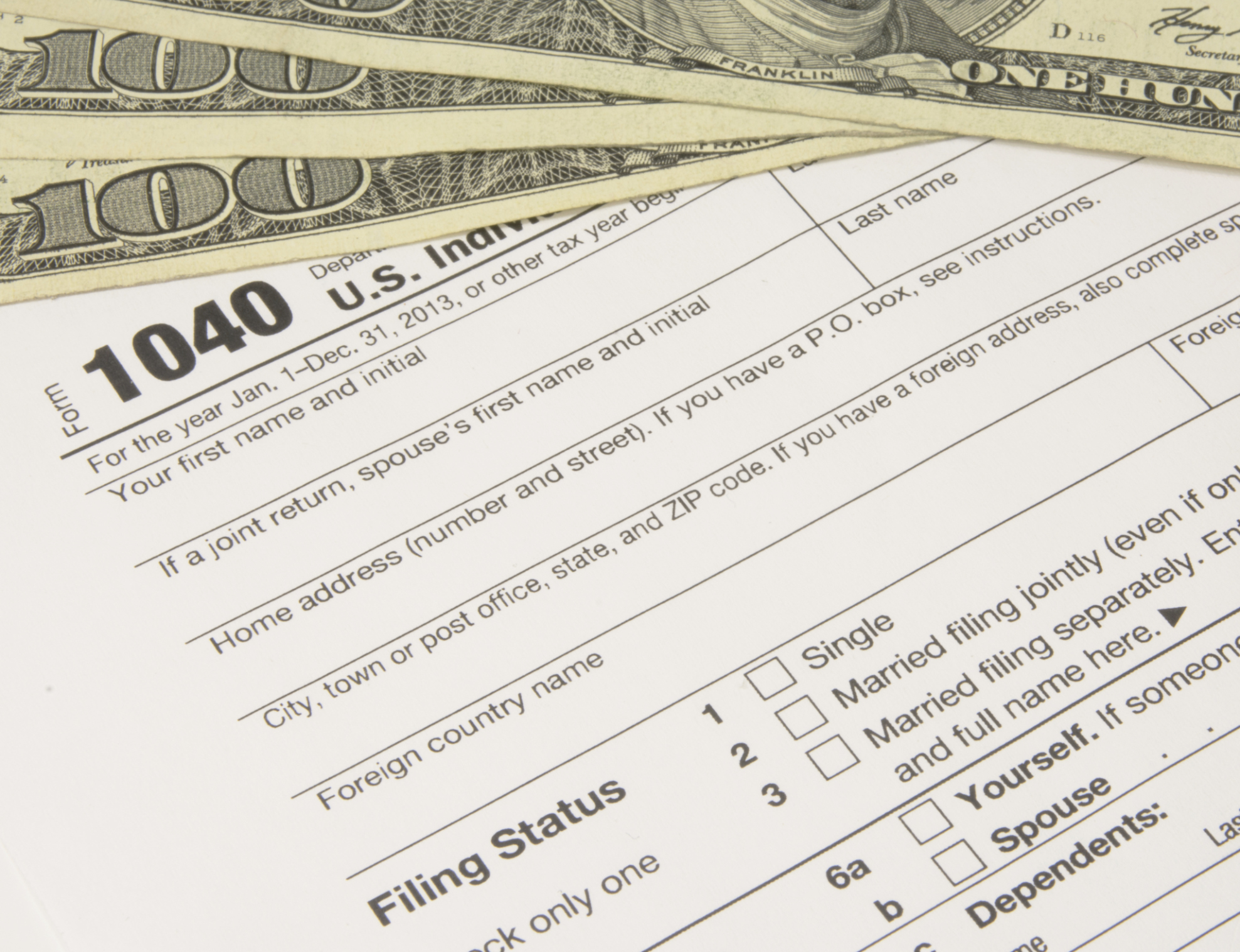
Finally, maintain a consistent record of where and how you filed each year. If you are ever required to provide a history of your financial standing—for a mortgage application, a business loan, or a legal matter—having a clear, documented history of your tax submissions is invaluable. Whether your return went to a server in Virginia or a processing center in Texas, the “where” is a vital chapter in your financial story. By mastering these logistics, you take full control of your relationship with the federal government and ensure your financial health remains on a solid foundation.
aViewFromTheCave is a participant in the Amazon Services LLC Associates Program, an affiliate advertising program designed to provide a means for sites to earn advertising fees by advertising and linking to Amazon.com. Amazon, the Amazon logo, AmazonSupply, and the AmazonSupply logo are trademarks of Amazon.com, Inc. or its affiliates. As an Amazon Associate we earn affiliate commissions from qualifying purchases.