
The journey of pregnancy is a time of immense transformation, anticipation, and often, a surge of questions. In today’s hyper-connected world, many of these questions turn to the digital realm for answers. While “NT” in the context of pregnancy most commonly refers to Nuchal Translucency, a vital ultrasound measurement, the abbreviation itself can also spark curiosity about the broader landscape of technology, branding, and financial considerations that surround modern expectant parenthood. This article delves into what NT in pregnancy signifies, and how the intersecting worlds of technology, brand consciousness, and financial planning play an increasingly significant role in the modern pregnancy experience.
Understanding Nuchal Translucency (NT) Scans
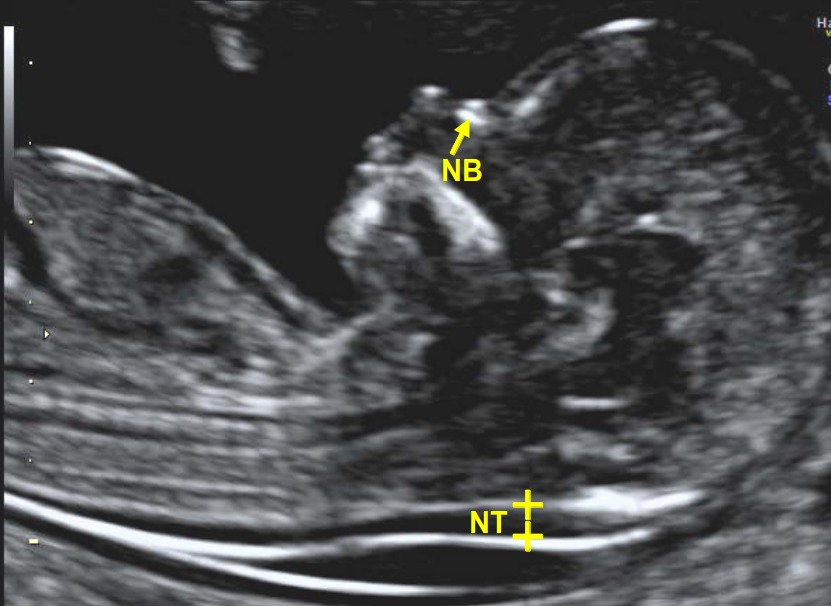
The term “NT” in pregnancy is intrinsically linked to a specific medical procedure: the Nuchal Translucency scan. This non-invasive prenatal screening test is typically performed between 11 and 14 weeks of gestation. Its primary purpose is to assess the risk of chromosomal abnormalities in the developing fetus, such as Down syndrome, Trisomy 13, and Trisomy 18.
The Science Behind the NT Scan
What the NT Measurement Entails
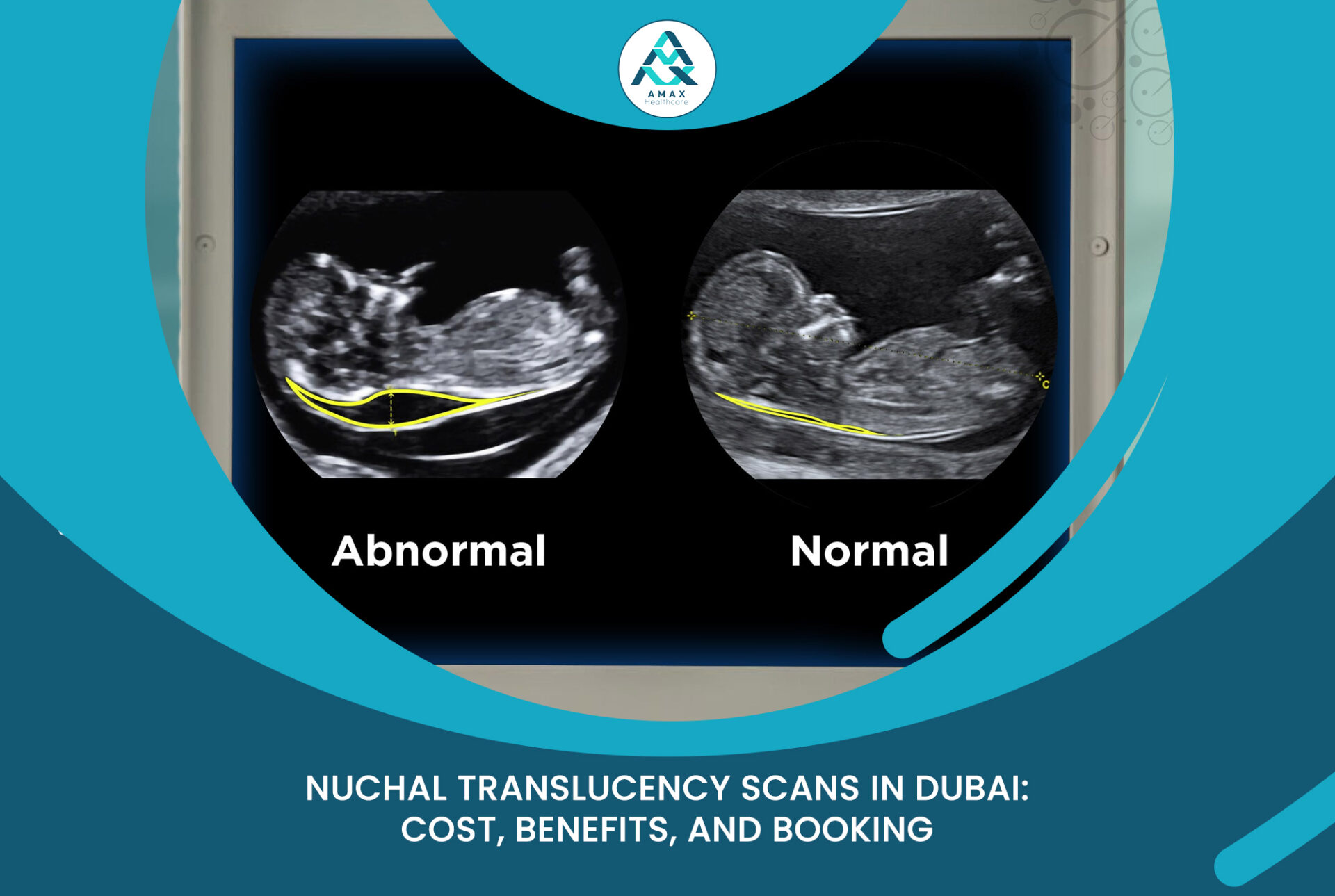
The NT scan involves an ultrasound examination, usually performed transabdominally, though a transvaginal ultrasound might be used in some cases. The sonographer carefully measures the thickness of the fluid-filled space at the back of the baby’s neck. This measurement, the nuchal translucency, is then analyzed in conjunction with other factors, including the mother’s age, blood test results (which assess levels of specific hormones like PAPP-A and free beta-hCG), and the nasal bone’s presence.
Interpreting the NT Results
It is crucial to understand that an NT scan is a screening test, not a diagnostic one. A thickened NT measurement does not definitively mean the baby has a chromosomal abnormality, nor does a normal measurement guarantee the absence of one. Instead, the results provide a risk assessment. If the NT measurement is within the normal range (typically less than 2.5mm to 3mm, depending on gestational age and individual laboratory standards), the risk of certain chromosomal abnormalities is considered low. Conversely, an increased NT measurement raises the suspicion for these conditions, prompting further discussion with healthcare providers about more definitive diagnostic tests like chorionic villus sampling (CVS) or amniocentesis.
The Role of Technology in NT Scans
The accuracy and accessibility of NT scans are a testament to advancements in medical technology. High-resolution ultrasound machines, sophisticated imaging software, and standardized training for sonographers have all contributed to improving the reliability of these measurements. Furthermore, the integration of these findings with maternal bloodwork is often facilitated by digital systems, allowing for more comprehensive risk assessment and seamless communication between laboratories and healthcare providers. This technological integration is a harbinger of how deeply technology permeates every aspect of modern pregnancy.
Beyond the Scan: Tech’s Pervasive Influence on Pregnancy
While the NT scan is a specific technological application, the broader influence of technology on pregnancy is far more expansive. From the moment a couple begins trying to conceive to the delivery room and beyond, digital tools and platforms are reshaping the experience of expectant parents.
Pregnancy Apps and Digital Companions
Tracking and Information Hubs
The market is flooded with pregnancy tracking apps, each offering a unique suite of features. These apps act as digital companions, providing daily updates on fetal development, week-by-week descriptions of the baby’s growth, and often, personalized advice for the expectant mother. They can help manage symptoms, track weight gain, monitor kick counts, and even remind users about upcoming prenatal appointments and essential tests like the NT scan. Many apps also offer curated articles, tips from medical professionals, and forums for connecting with other expectant parents, fostering a sense of community and shared experience.
AI-Powered Insights and Personalized Guidance
The burgeoning field of Artificial Intelligence (AI) is also beginning to make inroads into pregnancy care. AI tools are being developed to analyze vast amounts of data from pregnancies, identifying patterns and potentially offering personalized insights. This could range from predicting the likelihood of certain pregnancy complications to providing tailored nutritional advice based on individual needs and reported symptoms. While still in its nascent stages, AI holds the promise of more proactive and personalized prenatal care, further integrating technology into the biological journey of pregnancy.
Wearable Technology and Health Monitoring
Wearable devices, such as smartwatches and fitness trackers, are increasingly being adopted by expectant mothers. These devices can monitor vital signs like heart rate, sleep patterns, and activity levels. While not specifically designed for pregnancy, the data they collect can provide valuable insights into overall well-being, which is crucial during this period of heightened physiological change. Future developments might see wearables offering more specialized pregnancy-related monitoring, further blurring the lines between personal health and technological oversight.
Digital Security and Privacy Concerns
As more personal and sensitive health information is shared through apps and digital platforms, concerns around digital security and privacy become paramount. Expectant parents need to be aware of the data collection policies of the apps they use and ensure their information is protected. Understanding the terms of service and the security measures in place is an essential aspect of navigating the digital pregnancy landscape responsibly.
The Brand of Parenthood: Shaping Expectations and Experiences
The concept of “Brand” extends far beyond corporate logos and marketing campaigns; it also encompasses the way we perceive and present ourselves, and the expectations we hold. In the context of pregnancy, the “brand of parenthood” is increasingly influenced by media, societal narratives, and personal aspirations.
Curated Pregnancy Journeys and Social Media Influence
The Idealized Pregnancy Narrative
Social media platforms often present a highly curated and idealized version of pregnancy. Perfectly posed bump photos, glowing expectant mothers, and seemingly effortless transitions into motherhood can create unrealistic expectations. This can lead to feelings of inadequacy or pressure for those whose experiences don’t align with these polished narratives. Understanding that these are often highlight reels, rather than the full picture, is crucial for maintaining a healthy perspective.
Building a Personal Brand as an Expectant Parent
Many individuals, consciously or unconsciously, build a personal brand around their pregnancy journey. This might involve sharing their experiences online, documenting their progress, and establishing a voice or persona. This can be a powerful way to connect with others, seek support, and even gain influence within online communities. However, it also requires careful consideration of how one wants to be perceived and the authenticity of the presented narrative.
The “Brand” of Baby Products and Services
The market for baby products and services is a prime example of branding at its most potent. From strollers to maternity wear to infant formula, brands compete fiercely for the attention of expectant parents. Extensive marketing campaigns, celebrity endorsements, and the creation of aspirational lifestyles surrounding these products all contribute to shaping purchasing decisions. Expectant parents often seek out brands that align with their values, their desired aesthetic, or a perceived promise of quality and safety.
Navigating Marketing and Making Informed Choices
In a landscape saturated with branded options, expectant parents must develop strong critical thinking skills to navigate marketing claims and make informed choices. Understanding the underlying brand strategies and differentiating between genuine value and superficial allure is essential. This often involves extensive research, seeking independent reviews, and relying on trusted sources of information rather than solely on brand recognition.
The Financial Blueprint of Bringing a Baby Home
Pregnancy, while a profoundly emotional and biological event, also comes with significant financial implications. The “Money” aspect of pregnancy is multifaceted, encompassing everything from prenatal care costs to preparing for a newborn’s arrival and planning for future expenses.
Estimating and Budgeting for Pregnancy Expenses
The Costs of Prenatal and Postnatal Care
The financial burden of pregnancy begins long before the baby arrives. Prenatal visits, ultrasounds (including the NT scan), potential specialist consultations, and the cost of childbirth itself can vary significantly depending on insurance coverage, location, and the type of birth. Understanding your insurance plan, exploring financing options, and budgeting for out-of-pocket expenses are critical steps.
Preparing for the Baby’s Arrival: Gear and Essentials
The sheer volume of items needed for a new baby can be overwhelming and expensive. From cribs and car seats to diapers and clothing, parents often face a substantial initial outlay. Smart budgeting involves prioritizing essential items, exploring secondhand options, accepting hand-me-downs, and taking advantage of baby registries and gift-giving occasions.
The Long-Term Financial Outlook: Childcare and Beyond
The financial responsibilities of parenthood extend far beyond the newborn stage. Childcare costs, education savings, and the general expenses associated with raising a child represent a significant long-term financial commitment. Financial planning during pregnancy should ideally include a discussion about future financial goals and strategies for meeting them.
Financial Tools and Resources for Expectant Parents
Numerous financial tools and resources are available to assist expectant parents. Budgeting apps, financial planning software, and online calculators can help track expenses and forecast future needs. Seeking advice from a financial advisor can also be invaluable in developing a comprehensive financial plan that accounts for the arrival of a child. Furthermore, many employers offer benefits like parental leave and flexible spending accounts that can help mitigate some of the financial strain.
Conclusion: Embracing a Tech-Savvy, Brand-Aware, and Financially Prudent Pregnancy
The abbreviation “NT” in pregnancy, while specifically referring to the Nuchal Translucency scan, serves as a gateway to understanding the broader, intricate tapestry of modern expectant parenthood. Technology offers unprecedented tools for monitoring, information access, and connection, shaping how we navigate the physical and emotional journey. Simultaneously, the pervasive influence of brands, both in the products we consume and the narratives we internalize, impacts our expectations and choices. And underpinning it all is the crucial reality of financial planning, ensuring a secure foundation for the growing family.
By understanding the scientific significance of NT scans, embracing the benefits of technology while remaining mindful of its potential pitfalls, critically evaluating brand influences, and proactively managing finances, expectant parents can approach this transformative period with greater knowledge, confidence, and preparedness. The journey of pregnancy, amplified by the digital age, presents both opportunities and challenges, and a holistic approach that integrates these key elements is vital for a healthy and fulfilling experience.
aViewFromTheCave is a participant in the Amazon Services LLC Associates Program, an affiliate advertising program designed to provide a means for sites to earn advertising fees by advertising and linking to Amazon.com. Amazon, the Amazon logo, AmazonSupply, and the AmazonSupply logo are trademarks of Amazon.com, Inc. or its affiliates. As an Amazon Associate we earn affiliate commissions from qualifying purchases.