
The seemingly mundane act of urination is far more than a biological necessity; it’s a vital diagnostic tool, a subtle indicator of our internal well-being. When we ask “what is normal output of urine?”, we’re not just seeking a number, but a deeper understanding of what our body is trying to tell us. While the internet offers a deluge of information, navigating the nuances of urine production can be as complex as understanding the latest AI algorithm or crafting a compelling brand strategy. This article will demystify normal urine output, exploring the factors that influence it, the implications of deviations, and how you can leverage technology and a mindful approach to monitor your health.

In essence, understanding “normal” urine output involves a holistic perspective, much like a successful business integrates technology, brand identity, and financial acumen. It’s about recognizing patterns, understanding variables, and knowing when to seek expert advice.
The Metrics of Normal: Quantifying Your Output
Before diving into the “why” and “what if,” let’s establish a baseline for what constitutes a typical day’s urine output. This isn’t a rigid, one-size-fits-all figure, but rather a range influenced by several key factors.
How Much is “Normal”? Defining the Range
Generally, a healthy adult produces between 0.8 to 2 liters (approximately 27 to 68 fluid ounces) of urine per day. This translates to roughly 4 to 8 times you might need to visit the restroom over a 24-hour period. However, it’s crucial to understand that this is a broad average.
Several elements contribute to this variability:
- Fluid Intake: This is the most significant factor. The more you drink, the more urine your kidneys will produce to excrete excess fluid. Conversely, if you’re dehydrated, your urine output will naturally decrease.
- Diet: Certain foods and beverages can influence urine production and appearance. For example, high-sodium foods can lead to water retention and potentially reduced urine output, while diuretics like coffee and alcohol can increase it.
- Activity Level: Intense physical activity, especially in warm environments, leads to increased fluid loss through sweat. Your body will conserve water, thus reducing urine output.
- Age: As we age, our kidneys may become less efficient at concentrating urine, and bladder capacity can decrease, potentially leading to more frequent but smaller voids.
- Medications: Many medications, including diuretics, can directly impact urine production.
- Underlying Health Conditions: As we’ll explore later, various medical conditions can significantly alter urine output.
The Visual Clues: Beyond the Volume
While volume is a primary metric, the appearance of your urine offers additional insights. A “normal” urine color typically ranges from pale yellow to amber. This color is due to a pigment called urochrome, a byproduct of red blood cell breakdown.
Here’s what different colors might suggest:
- Clear or Colorless: Often indicates you’re drinking a lot of fluids and are well-hydrated. However, consistently clear urine could also signal overhydration, which can dilute essential electrolytes.
- Pale Yellow: This is the ideal and most common color, signifying good hydration.
- Dark Yellow or Honey-Colored: This usually suggests you need to drink more fluids.
- Amber: Deeper shades of amber can also indicate dehydration.
- Pink or Red: This is a significant deviation and can be caused by beets or berries in your diet, but it can also be a sign of blood in the urine (hematuria), which warrants medical attention.
- Orange: Can be due to certain medications, B vitamins, or a high intake of beta-carotene.
- Blue or Green: Rare, but can be caused by certain dyes in foods or medications.
- Cloudy or Murky: Can indicate a urinary tract infection (UTI) or the presence of crystals or mucus.
- Foamy or Bubbly: Occasional foam is normal, but persistent foaminess could indicate excess protein in the urine, a potential sign of kidney issues.
The smell of urine can also provide clues. Typically, it has a mild, slightly ammonia-like odor. A strong, pungent smell could indicate dehydration or a UTI, while a sweet smell might point to diabetes.
Factors Influencing Your Daily Output: The Personal Equation
Understanding “normal” urine output is an exercise in personal data analysis. Just as a tech company analyzes user behavior to optimize an app, and a brand manager scrutinizes market trends, we need to understand the variables that affect our individual urine production.
Hydration: The Cornerstone of Urine Production
Fluid intake is the most direct determinant of urine output. The kidneys’ primary role is to filter waste products from the blood and excrete them in urine. To perform this function efficiently, they need an adequate supply of water.
Recommended Daily Intake
The widely cited recommendation of eight 8-ounce glasses of water per day (about 2 liters) is a good starting point, but it’s not a rigid rule. Your individual needs can vary significantly based on:
- Climate: In hot or humid weather, you’ll need more fluids to compensate for sweat loss.
- Exercise: During and after physical activity, replenish fluids lost through perspiration.
- Health Status: Fever, vomiting, or diarrhea increase fluid loss and necessitate increased intake. Conversely, certain medical conditions, like heart failure or kidney disease, might require fluid restriction.
- Pregnancy and Breastfeeding: These periods increase a woman’s fluid requirements.
The Impact of Dehydration and Overhydration
- Dehydration: When your body lacks sufficient fluids, your kidneys conserve water, leading to reduced urine output and darker-colored urine. Symptoms of dehydration can include thirst, dry mouth, fatigue, dizziness, and headaches. Chronic dehydration can contribute to kidney stones and urinary tract infections.
- Overhydration (Hyponatremia): While less common, drinking excessive amounts of water in a short period can dilute the body’s sodium levels, leading to a potentially dangerous condition called hyponatremia. Symptoms can include nausea, vomiting, confusion, and even seizures. This highlights the importance of balanced fluid intake, not just quantity.
Dietary Influences: What You Eat and Drink Matters
Your diet plays a surprisingly significant role in both the volume and characteristics of your urine.
Sodium, Caffeine, and Alcohol
- Sodium: High sodium intake can lead to water retention, meaning your body holds onto more fluid, potentially reducing urine output. Conversely, a low-sodium diet can help manage blood pressure and fluid balance.
- Caffeine: Found in coffee, tea, and some sodas, caffeine is a mild diuretic. This means it can increase urine production in the short term.
- Alcohol: Alcohol is also a diuretic, inhibiting the release of antidiuretic hormone (ADH), which normally helps your kidneys reabsorb water. This leads to increased urine production and can contribute to dehydration.
Other Food and Beverage Considerations
- Fruits and Vegetables: Many fruits and vegetables, such as watermelon, cucumber, and celery, have high water content, contributing to your overall fluid intake and urine production.
- Artificial Sweeteners and Dyes: Some artificial sweeteners and food dyes can affect urine color.
- Vitamin Supplements: High doses of B vitamins, particularly B2 (riboflavin), can turn urine a bright, almost neon yellow.
When to Seek Professional Advice: Recognizing Red Flags
While variations in urine output are often benign and easily explained by lifestyle factors, certain changes can signal underlying health issues that require medical attention. Think of this as your personal “health dashboard” – when a critical warning light appears, it’s time to consult the experts.
Significant Deviations in Volume
- Anuria (Little to No Urine Output): Producing less than 100 ml of urine in 24 hours is a serious concern and can indicate acute kidney failure, severe dehydration, or a blockage in the urinary tract.
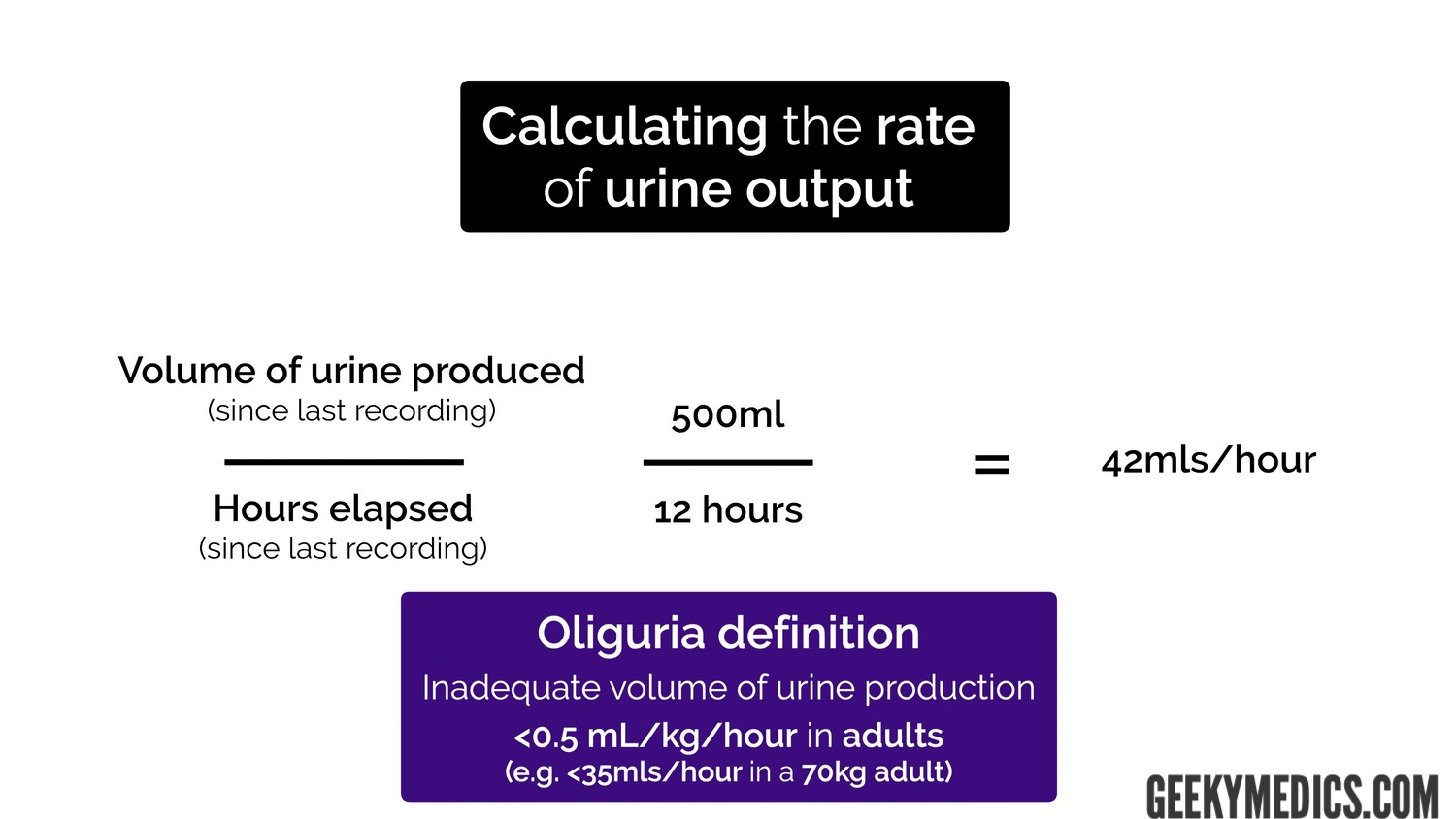
- Oliguria (Reduced Urine Output): Producing less than 400-500 ml of urine in 24 hours can be a sign of dehydration, kidney problems, or certain medical conditions like heart failure or shock.
- Polyuria (Excessive Urine Output): Consistently producing more than 2.5 to 3 liters of urine per day, especially if it’s not explained by increased fluid intake, could be indicative of:
- Diabetes Mellitus: High blood sugar levels overwhelm the kidneys’ ability to reabsorb glucose, leading to increased urine production.
- Diabetes Insipidus: A rare condition where the kidneys are unable to conserve water, leading to excessive thirst and urination.
- Certain Medications: Diuretics are designed to increase urine output.
- Kidney Disease: Some forms of kidney disease can lead to polyuria.
Changes in Urine Appearance and Smell
As discussed earlier, persistent changes in urine color, clarity, or odor that aren’t attributable to diet or hydration status should be investigated.
- Blood in Urine (Hematuria): This is never normal. It can be a sign of kidney stones, infections, bladder cancer, or other serious conditions.
- Cloudy Urine: Beyond occasional cloudiness, persistent turbidity can signal infection or other issues.
- Strong or Unusual Odors: Persistent foul or sweet smells warrant medical evaluation.
Associated Symptoms
Changes in urine output often come with other symptoms that provide a more complete picture of your health. If you notice any of the following alongside altered urine production, consult a doctor:
- Frequent Urge to Urinate: Especially if it’s accompanied by burning or pain.
- Pain or Burning During Urination: A classic sign of a UTI.
- Difficulty Urinating or Incomplete Bladder Emptying: Can indicate prostate issues, blockages, or nerve problems.
- Swelling in Legs, Ankles, or Feet: Can be a sign of kidney disease or heart problems.
- Fever, Chills, or Back Pain: May indicate a kidney infection.
- Unexplained Thirst: Can be a symptom of diabetes.
Leveraging Technology for Health Monitoring
In today’s digital age, technology offers powerful tools to help us understand and monitor our bodies, including our urine output. Just as you might use apps to track your investments or manage your brand’s social media presence, you can leverage technology for personal health insights.
Smart Water Bottles and Hydration Trackers
These gadgets are designed to help you stay adequately hydrated. They can remind you to drink water, track your daily intake, and even adjust recommendations based on your activity level or the weather. While they don’t directly measure urine output, consistent hydration is a primary driver of normal urine production.
Wearable Health Trackers
Many modern smartwatches and fitness trackers can monitor your activity levels and even estimate your fluid loss through sweat. This information can help you tailor your fluid intake more accurately, indirectly influencing your urine output.
Health Apps and Digital Journals
There are numerous health and wellness apps that allow you to log your fluid intake, diet, and even track your bathroom habits. By keeping a digital journal, you can identify patterns and changes in your urine output and other bodily functions over time. This data can be invaluable when discussing your health with your doctor.
The Future of Urine Analysis: At-Home Testing
While still evolving, at-home urine testing kits are becoming more sophisticated. These kits can provide basic insights into parameters like pH, protein levels, and the presence of certain cells or bacteria. While they don’t replace a doctor’s diagnosis, they can serve as an early warning system for potential issues. Imagine an AI-powered app that analyzes your logged urine data and provides personalized health insights – this future is rapidly approaching.

Connecting Health Data for a Holistic View
The real power of technology lies in integrating data from various sources. Imagine connecting your hydration tracker, activity monitor, and even a future at-home urine analysis device to a single platform. This would provide a comprehensive, real-time overview of your body’s functioning, allowing for proactive health management. This mirrors the way businesses integrate data from marketing campaigns, sales figures, and customer feedback to refine their strategy and build a stronger brand.
In conclusion, understanding “normal output of urine” is an ongoing conversation between your body and your awareness. It’s about recognizing the baseline, understanding the influencing factors, and knowing when to seek expert advice. By embracing a mindful approach to hydration, diet, and by leveraging the ever-expanding capabilities of technology, you can gain valuable insights into your health and ensure your body is functioning optimally, one healthy void at a time.
aViewFromTheCave is a participant in the Amazon Services LLC Associates Program, an affiliate advertising program designed to provide a means for sites to earn advertising fees by advertising and linking to Amazon.com. Amazon, the Amazon logo, AmazonSupply, and the AmazonSupply logo are trademarks of Amazon.com, Inc. or its affiliates. As an Amazon Associate we earn affiliate commissions from qualifying purchases.