
In the complex landscape of human biology, hormones play a crucial role in regulating a myriad of bodily functions, from growth and metabolism to reproduction and mood. Among these vital chemical messengers, Follicle-Stimulating Hormone (FSH) stands out, particularly for its significant impact on reproductive health in both men and women. Understanding what constitutes a “normal” FSH range is essential for diagnosing various conditions and making informed decisions about fertility and overall well-being.
While the immediate association with FSH often leans towards female reproductive health, its importance extends to men as well. For women, FSH is a key player in the menstrual cycle, stimulating the growth and maturation of ovarian follicles, which in turn contain eggs. For men, FSH is critical for sperm production within the testes. Fluctuations or deviations from the normal range can signal underlying health issues that require medical attention.
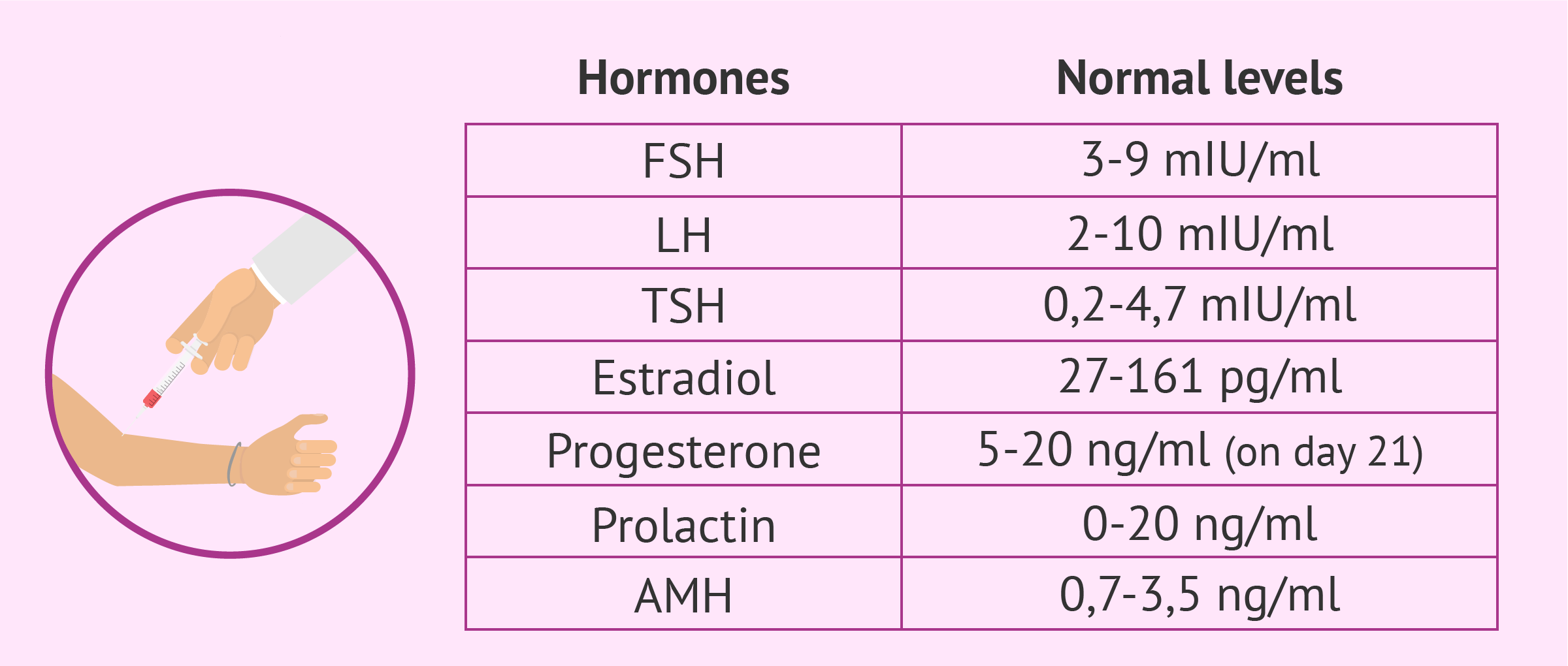
This article will delve into the intricacies of FSH, exploring its role in the body, the factors that influence its levels, and the typical ranges considered normal. We will also touch upon the implications of abnormal FSH levels and the diagnostic approaches used to assess them, all while considering how insights from technology, branding, and finance can indirectly inform our understanding of health and well-being.
Understanding Follicle-Stimulating Hormone (FSH)
FSH, as its name suggests, is a gonadotropin, a type of hormone produced by the anterior pituitary gland in the brain. This gland acts as a master control center for many endocrine functions, and its secretion of FSH is a finely tuned process, influenced by a complex interplay of signals from the hypothalamus and the gonads (ovaries in women and testes in men).
FSH in Women: The Menstrual Cycle Maestro
In women, FSH’s primary role is to initiate and regulate the development of ovarian follicles during the follicular phase of the menstrual cycle. At the beginning of each cycle, FSH levels rise, signaling to the ovaries to begin developing several immature follicles. As these follicles grow, they produce estrogen. The rising estrogen levels then exert a feedback mechanism, typically suppressing further FSH release. However, as one dominant follicle matures, it produces a surge of estrogen, which paradoxically triggers a massive surge in FSH (and Luteinizing Hormone, LH), ultimately leading to ovulation – the release of a mature egg.
After ovulation, the corpus luteum (the remnant of the follicle) produces progesterone and estrogen. If fertilization does not occur, the corpus luteum degenerates, leading to a drop in progesterone and estrogen. This drop, in turn, signals the pituitary to increase FSH production again, starting a new cycle. The entire process is a delicate dance of hormones, and FSH is a key conductor.
FSH in Men: The Sperm Production Engine
In males, FSH plays a vital role in spermatogenesis, the process of sperm production. It acts on the Sertoli cells within the seminiferous tubules of the testes. These Sertoli cells are crucial for nurturing developing sperm cells. FSH stimulates these cells to produce Androgen-Binding Protein (ABP), which binds to testosterone. This binding is essential for maintaining a high concentration of testosterone within the testes, a necessary condition for continuous sperm production. Without adequate FSH, sperm production can be significantly impaired, leading to infertility.
What Constitutes a “Normal” FSH Range?
Defining a “normal” FSH range is not as straightforward as providing a single set of numbers. Several factors can influence FSH levels, including age, sex, and the specific phase of a woman’s menstrual cycle. Therefore, FSH values are typically presented with reference ranges, which can vary slightly between different laboratories due to variations in testing methodologies and units of measurement.
FSH Ranges for Women: A Cycle-Dependent Spectrum
For premenopausal women, FSH levels fluctuate significantly throughout the menstrual cycle.
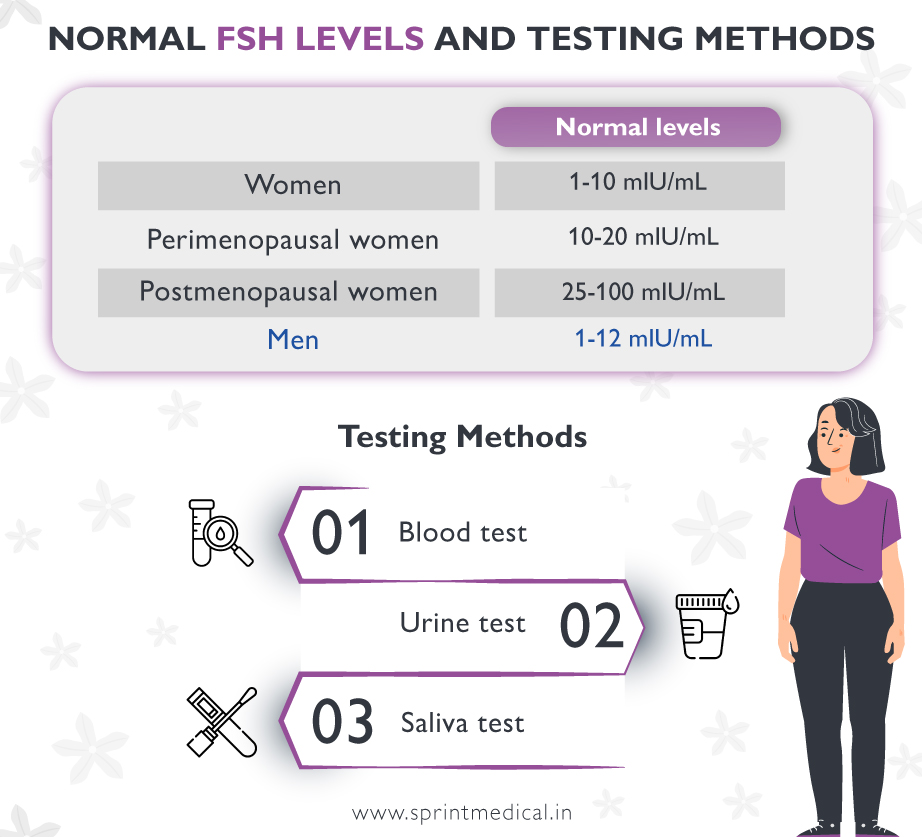
- Early Follicular Phase (Days 1-3 of the menstrual cycle): This is when FSH levels are typically at their highest, signaling the start of follicular development. The normal range here can generally be between 3.0 and 10.0 mIU/mL (milli-international units per milliliter). Some sources might extend this slightly, with ranges like 1.4 to 11.0 mIU/mL.
- Mid-Follicular Phase: As follicles develop and produce estrogen, FSH levels tend to decrease.
- Ovulatory Phase: Just before ovulation, there is a sharp surge in FSH, which is critical for egg release. This surge can reach levels much higher than the baseline.
- Luteal Phase: After ovulation, FSH levels are typically low, suppressed by the higher levels of estrogen and progesterone produced by the corpus luteum.
Postmenopausal Women: Once a woman enters menopause, her ovaries stop producing significant amounts of estrogen and progesterone. Without this negative feedback, the pituitary gland releases much higher levels of FSH in an attempt to stimulate the inactive ovaries. Therefore, in postmenopausal women, FSH levels are significantly elevated, often exceeding 25-30 mIU/mL, and can range up to 100-150 mIU/mL or even higher. This high FSH level is a key indicator of menopause.
FSH Ranges for Men: A More Stable Picture
In adult men, FSH levels are generally more stable than in premenopausal women. The normal range for adult males is typically between 1.4 and 15.5 mIU/mL. However, it’s important to note that this range can also have slight variations depending on the laboratory.
Factors Influencing FSH Levels
Beyond age and biological sex, several other factors can influence FSH levels, making it crucial to interpret results within a broader clinical context.
Lifestyle and Environmental Factors

- Stress: Chronic stress can disrupt the hypothalamic-pituitary-gonadal axis, leading to fluctuations in FSH and other reproductive hormones.
- Diet and Nutrition: Severe malnutrition or significant weight fluctuations can impact hormone production.
- Exercise: While moderate exercise is beneficial, extremely intense or prolonged exercise can sometimes affect reproductive hormone balance.
- Medications: Certain medications, including hormonal contraceptives, can suppress FSH levels. Other drugs might have different effects.
- Underlying Medical Conditions: Conditions such as pituitary tumors, hypothalamic dysfunction, certain genetic disorders (like Turner syndrome in women or Klinefelter syndrome in men), and autoimmune diseases can all affect FSH secretion.
Reproductive Health Considerations
- Fertility Testing: FSH is a cornerstone of fertility evaluations for both men and women. In women, high FSH levels in the early follicular phase can indicate diminished ovarian reserve, suggesting a lower number of viable eggs. In men, elevated FSH alongside low testosterone can point to primary testicular failure.
- Menopause Assessment: As mentioned, significantly elevated FSH levels are a key indicator of a woman entering or having entered menopause.
Interpreting Abnormal FSH Levels and Diagnostic Approaches
When FSH levels fall outside the expected ranges, it warrants further investigation by a healthcare professional. The interpretation of these results is rarely done in isolation and is typically considered alongside other hormone levels, clinical symptoms, and medical history.
Implications of Low FSH
- In Women: Low FSH levels can indicate issues with the pituitary gland or hypothalamus, leading to a lack of stimulation for ovarian follicle development. This can result in irregular or absent periods and infertility. It might also be associated with conditions like Kallmann syndrome or pituitary tumors.
- In Men: Low FSH can lead to reduced sperm production and infertility. Similar to women, it can be a sign of pituitary or hypothalamic problems.
Implications of High FSH
- In Women: High FSH levels in premenopausal women, especially when consistently elevated in the early follicular phase, are often indicative of diminished ovarian reserve. This means the ovaries have fewer eggs remaining and may not respond as well to fertility treatments. Very high FSH levels are characteristic of menopause.
- In Men: High FSH in men, especially when accompanied by low testosterone, often suggests a problem within the testes themselves (primary testicular failure). The pituitary is trying harder (hence high FSH) to stimulate the testes, but the testes are not responding effectively. Causes can include genetic conditions, infections, or damage to the testes.
Diagnostic Tools and Technologies
Diagnosing hormonal imbalances, including those related to FSH, relies on a combination of medical history, physical examination, and laboratory testing.
- Blood Tests: The primary method for measuring FSH is through a simple blood test. This test is usually performed at specific times, especially for women, to account for cyclical variations.
- Hormone Profiling: Often, FSH is measured alongside other reproductive hormones such as LH, estrogen, progesterone (in women), and testosterone (in men) to gain a comprehensive understanding of the hormonal milieu.
- Imaging Techniques: If pituitary or hypothalamic issues are suspected, imaging techniques like MRI scans of the brain might be employed to visualize these glands.
- Genetic Testing: In cases of suspected genetic conditions affecting reproductive development, genetic testing may be recommended.
Bridging Health Insights with Broader Principles
While the immediate focus is on biological markers, the broader principles of understanding trends, brand perception, and financial prudence can offer a valuable lens through which to view our health journey.
Technology and Health Monitoring
The advancements in technology are revolutionizing how we monitor our health. Just as we use apps and gadgets to track our fitness, sleep, and nutrition, the future holds promise for more accessible and integrated health monitoring. Wearable devices are becoming increasingly sophisticated, and while direct FSH monitoring at home is not yet mainstream, the trend towards proactive health management through technology is undeniable. From AI-powered diagnostic tools assisting physicians to user-friendly apps that help track menstrual cycles and potential hormonal shifts, technology is democratizing health information and empowering individuals. Understanding the “normal” range of a biomarker like FSH becomes more impactful when we have the tools to monitor our own trends over time and discuss them intelligently with healthcare providers.
Personal Branding and Health Narrative
In a world where personal branding is paramount, our health can be viewed as an integral part of our overall narrative. Understanding our hormonal health, including FSH levels, contributes to our self-awareness and allows us to proactively manage our well-being. This self-knowledge can empower us to advocate for our health needs, build a stronger relationship with our healthcare providers, and present a more informed and resilient self. It’s about building a personal brand of health consciousness and proactive self-care.
Financial Prudence and Health Investments
Investing in our health is one of the most significant financial decisions we can make. Understanding the implications of abnormal FSH levels can guide us in making prudent choices regarding fertility treatments, medical interventions, and preventative care. Just as a financial advisor helps us navigate investment portfolios, understanding our hormonal health empowers us to make informed “investments” in our long-term well-being. This includes understanding the costs associated with fertility treatments, genetic counseling, or ongoing management of hormonal conditions, allowing for better financial planning and prioritization of healthcare needs.
Conclusion
Understanding the normal FSH range is a crucial step in assessing reproductive health and diagnosing various conditions in both men and women. For women, FSH levels are dynamic, fluctuating significantly throughout the menstrual cycle and rising sharply post-menopause. For men, FSH levels are more stable, playing a vital role in sperm production. Deviations from these normal ranges can signal underlying issues that require medical evaluation.
By combining our knowledge of biological markers with the proactive insights offered by technological advancements, a robust personal health narrative, and sound financial planning, we can navigate our health journeys with greater confidence and achieve optimal well-being. Consulting with healthcare professionals remains paramount for accurate diagnosis and personalized treatment plans, ensuring that our understanding of “normal” leads to informed and effective health decisions.
aViewFromTheCave is a participant in the Amazon Services LLC Associates Program, an affiliate advertising program designed to provide a means for sites to earn advertising fees by advertising and linking to Amazon.com. Amazon, the Amazon logo, AmazonSupply, and the AmazonSupply logo are trademarks of Amazon.com, Inc. or its affiliates. As an Amazon Associate we earn affiliate commissions from qualifying purchases.