
While the website’s primary focus might be on the cutting edge of technology, the intricacies of brand building, and the dynamic world of finance, understanding fundamental aspects of personal well-being is undeniably linked to all these domains. Our ability to be productive, innovative, and financially savvy is deeply intertwined with our physical and mental health. And in the realm of male health, few hormones play as pivotal a role as testosterone, and specifically, free testosterone.
You’ve likely encountered discussions about testosterone in fitness circles, in health magazines, or even in passing conversations. But what exactly is “normal” when it comes to this vital hormone, and why should you care about its free form? This article delves into the nuances of free testosterone levels, explaining its significance, the factors that influence it, and what constitutes a healthy range, all through a lens that considers its impact on your overall capacity for success in the areas our site explores.

The Foundation: Understanding Total vs. Free Testosterone
To truly grasp what “normal” free testosterone levels are, we first need to differentiate it from its more commonly measured counterpart: total testosterone.
Total Testosterone: The Big Picture
When you get a blood test for testosterone, the initial figure you’ll often see is your total testosterone. This number represents the sum of all testosterone circulating in your bloodstream. However, a significant portion of this total testosterone isn’t readily available for your body’s cells to use. It’s bound to proteins.
Free Testosterone: The Bioavailable Powerhouse
This is where free testosterone comes into play. It’s the testosterone that is not bound to any proteins, particularly sex hormone-binding globulin (SHBG) and albumin. Because it’s unbound, free testosterone is readily accessible to your body’s tissues and cells. It’s this bioavailable fraction that directly influences many of the functions attributed to testosterone, such as muscle growth, bone density, mood regulation, libido, and cognitive function.
Think of it like this: total testosterone is like all the money in your bank account. Free testosterone is the cash you have readily available in your wallet – the money you can immediately spend to make things happen. While having a healthy total testosterone level is important, the free testosterone is the critical driver of many of its effects.
Why the Distinction Matters for Productivity and Performance
In the context of our website’s focus on tech, brand, and money, understanding free testosterone is surprisingly relevant.
- For Tech Professionals: Maintaining optimal energy levels, focus, and cognitive function is paramount for anyone working in demanding tech roles, developing AI tools, or managing complex software projects. Lower free testosterone can contribute to fatigue, brain fog, and reduced motivation, hindering productivity.
- For Brand Builders: Confidence, assertiveness, and a sense of drive are often associated with healthy testosterone levels. These qualities can be invaluable when building a personal brand, strategizing for a corporate identity, or navigating the competitive landscape of marketing and design.
- For Financial Pursuits: Whether you’re managing personal finances, exploring online income streams, or making critical business investment decisions, mental clarity, risk assessment, and sustained effort are key. Mood stability and energy, influenced by free testosterone, can significantly impact your ability to make sound financial choices and pursue your financial goals with vigor.
Therefore, understanding your free testosterone levels isn’t just about physical health; it’s about optimizing your capacity to excel in all aspects of your professional and personal life.
Defining “Normal”: A Range, Not a Single Number
The question, “What is normal free testosterone levels?” doesn’t have a single, definitive answer. Instead, it’s defined by a reference range, which can vary slightly between laboratories and is influenced by several factors.
Understanding Reference Ranges
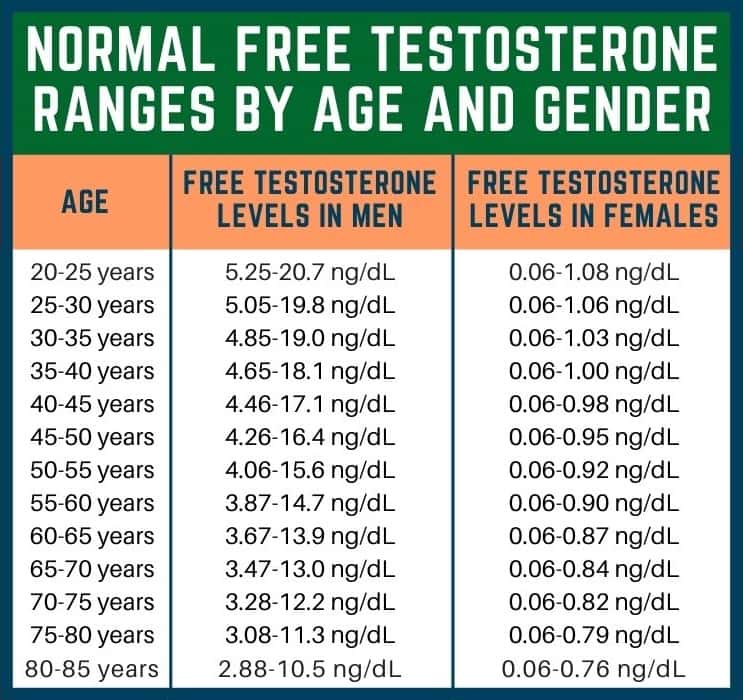
Laboratory reference ranges are established by testing a large, healthy population and determining the range of values that most individuals fall within. For free testosterone, these ranges are typically expressed in picograms per milliliter (pg/mL) or nanograms per deciliter (ng/dL).
A typical reference range for free testosterone in adult males might fall somewhere between:
- 40 to 210 pg/mL
- 9 to 30 ng/dL
Important Note: These are general ranges. Always refer to the specific reference range provided on your lab report. Your doctor will interpret your results within this context, taking into account your individual health, age, and symptoms.
Factors Influencing Free Testosterone Levels
Several factors can cause fluctuations in your free testosterone levels, making the concept of “normal” dynamic rather than static.
Age: The Natural Decline
One of the most significant factors influencing testosterone levels is age. Free testosterone naturally begins to decline gradually in men starting in their late 20s or early 30s, typically decreasing by about 1-2% per year. This is a normal physiological process.
Time of Day: Morning Highs
Testosterone levels, including free testosterone, exhibit a diurnal rhythm. They are generally highest in the morning and gradually decline throughout the day. This is why blood tests for testosterone are often recommended to be performed in the early morning, before eating.
Laboratory and Testing Methods
As mentioned, different laboratories use different assay methods to measure free testosterone. Some directly measure free testosterone, while others calculate it based on total testosterone, SHBG, and albumin levels. This can lead to variations in reported results and reference ranges.
Lifestyle Factors: The Controllable Variables
Beyond age, a multitude of lifestyle factors can significantly impact your free testosterone. These are the areas where you have the most control:
- Diet and Nutrition: A balanced diet rich in healthy fats, lean proteins, and essential vitamins and minerals (like zinc and vitamin D) is crucial. Diets high in processed foods, sugar, and unhealthy fats can negatively affect hormone production.
- Exercise and Physical Activity: Regular physical activity, particularly strength training, has been shown to boost testosterone levels. However, excessive, prolonged, or overtraining can sometimes have the opposite effect. Finding a sustainable and balanced exercise routine is key.
- Sleep Quality: Sufficient, high-quality sleep is vital for hormone regulation. Sleep deprivation can disrupt the production of testosterone. Aim for 7-9 hours of quality sleep per night.
- Stress Management: Chronic stress elevates cortisol levels, a stress hormone that can suppress testosterone production. Effective stress management techniques are therefore crucial for hormonal balance.
- Body Composition: Being overweight or obese, particularly with excess abdominal fat, is often associated with lower testosterone levels. Losing excess weight can help improve these levels.
- Alcohol Consumption: Excessive alcohol intake can negatively impact testosterone production. Moderate consumption may have less of an effect, but it’s best to be mindful of your intake.
- Environmental Endocrine Disruptors: Exposure to certain chemicals in plastics, pesticides, and personal care products (endocrine disruptors) can interfere with hormone function. Being mindful of your environment and choosing cleaner products can be beneficial.
Understanding these influencing factors is empowering. It means that while some factors like age are beyond our control, many others are within our ability to manage, offering pathways to optimize your free testosterone levels.
The Significance of Optimal Free Testosterone Levels
Why is maintaining a healthy range of free testosterone so important? Its influence permeates many areas of male health and well-being, impacting everything from physical vitality to mental acuity – qualities essential for success in our technologically driven, brand-conscious, and financially oriented world.
Physical Performance and Body Composition
Free testosterone is a primary anabolic hormone, meaning it plays a critical role in building and repairing tissues, most notably muscle.
- Muscle Mass and Strength: Higher free testosterone levels are associated with greater muscle mass, increased strength, and improved recovery from exercise. This is beneficial for athletes, fitness enthusiasts, and anyone looking to maintain a healthy and functional physique.
- Bone Density: Testosterone also contributes to bone health by promoting bone formation and reducing bone resorption, helping to prevent osteoporosis later in life.
- Energy Levels and Stamina: Adequate free testosterone is linked to sustained energy levels and reduced feelings of fatigue. This directly translates to greater endurance and capacity for physical activity, whether it’s a demanding workout or simply navigating a busy day.
Mood, Cognitive Function, and Mental Well-being
The impact of free testosterone extends far beyond the physical. It plays a crucial role in our mental and emotional states.
- Mood Regulation: Low free testosterone can be associated with increased irritability, low mood, and symptoms of depression. Conversely, optimal levels can contribute to a more positive outlook and improved emotional resilience.
- Cognitive Function: Testosterone influences cognitive abilities such as spatial reasoning, memory, and focus. For professionals in tech and finance, where sharp mental acuity is essential, maintaining healthy levels can support optimal cognitive performance.
- Libido and Sexual Health: This is perhaps the most well-known role of testosterone. Free testosterone is a primary driver of sex drive (libido) and plays a role in erectile function.
Motivation and Drive
A sense of drive, ambition, and motivation can also be influenced by testosterone. While many factors contribute to these traits, hormonal balance is a significant underlying component. For entrepreneurs, innovators, and ambitious professionals, maintaining optimal free testosterone can contribute to the energy and focus needed to pursue goals relentlessly.
When to Consider Testing Your Free Testosterone Levels
Given the broad impact of free testosterone, there are several reasons why you might consider getting your levels checked.
Experiencing Symptoms of Low Testosterone (Hypogonadism)
If you are experiencing persistent symptoms that could indicate low testosterone, consulting a healthcare professional for testing is a wise step. Common symptoms include:
- Decreased libido (sex drive)
- Erectile dysfunction
- Fatigue and low energy
- Depressed mood or irritability
- Difficulty concentrating or brain fog
- Loss of muscle mass and strength
- Increased body fat
- Reduced bone density (diagnosed via DEXA scan)
It’s important to note that these symptoms can have other causes, so a proper diagnosis from a doctor is essential.
As Part of a General Health Check-up
For men concerned about their long-term health and well-being, particularly as they age, incorporating free testosterone testing into their regular health assessments can be proactive. This can help establish a baseline and identify any potential issues early on.
For Individuals Focused on Peak Performance
Professionals in high-stakes fields, athletes, or anyone striving for peak physical and mental performance might consider monitoring their free testosterone levels. Understanding how your hormones are trending can inform lifestyle adjustments aimed at optimizing your capabilities.

If You Are Considering Specific Treatments
If you are considering treatments for conditions that may affect testosterone levels or if you are exploring therapeutic options related to hormonal health, testing is a prerequisite.
The Importance of Professional Interpretation
It cannot be stressed enough: interpreting your free testosterone levels should always be done in consultation with a qualified healthcare professional. They will consider your individual medical history, symptoms, age, and the specific reference range of the laboratory that performed the test. Self-diagnosing or attempting to manage hormone levels without medical guidance can be detrimental to your health.
By understanding what normal free testosterone levels entail, the factors that influence them, and their profound impact on your physical and mental well-being, you are empowered to take a proactive approach to your health. This, in turn, can enhance your ability to thrive in the fast-paced worlds of technology, brand development, and financial success.
aViewFromTheCave is a participant in the Amazon Services LLC Associates Program, an affiliate advertising program designed to provide a means for sites to earn advertising fees by advertising and linking to Amazon.com. Amazon, the Amazon logo, AmazonSupply, and the AmazonSupply logo are trademarks of Amazon.com, Inc. or its affiliates. As an Amazon Associate we earn affiliate commissions from qualifying purchases.