
Navigating the complexities of the federal tax system is a cornerstone of sound personal finance and business management. For many, the mention of “tax season” evokes a sense of urgency, yet understanding the specific timelines mandated by the Internal Revenue Service (IRS) is about more than just avoiding penalties—it is about maintaining liquidity, optimizing cash flow, and ensuring long-term financial stability. Whether you are a W-2 employee, a freelance entrepreneur, or a corporate entity, knowing exactly when federal taxes are due is the first step in a proactive financial strategy.
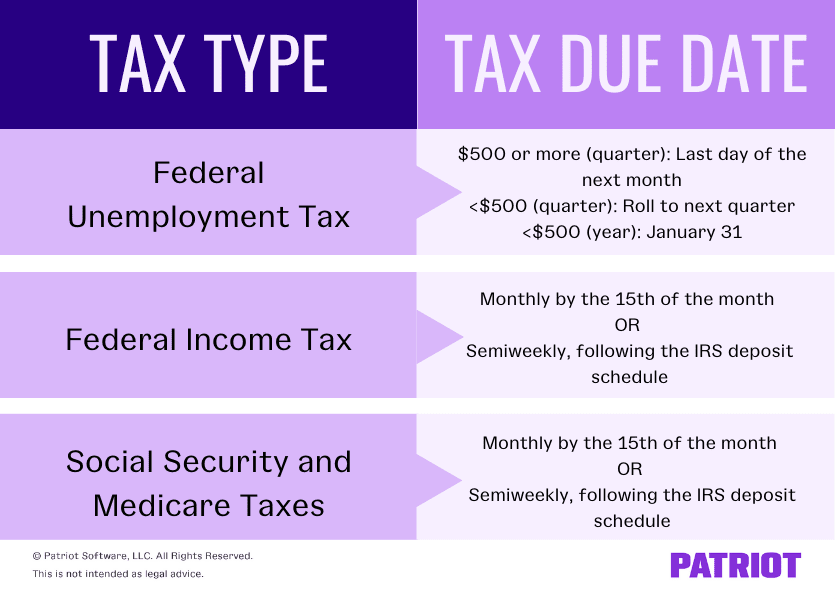
The Standard Tax Calendar: Navigating the April Deadline
The most recognizable date in the American financial calendar is April 15th. This date serves as the primary deadline for individual income tax returns. However, the “Tax Day” deadline is not as static as it might seem, and understanding its nuances is essential for avoiding last-minute stress.
Tax Day: The April 15th Milestone
For the vast majority of individual taxpayers, federal income tax returns (Form 1040) are due by April 15th of the year following the tax year in question. This deadline applies to the filing of the return itself and, more importantly, to the payment of any taxes owed. Even if you are a high-net-worth investor with complex capital gains or a side-hustler with modest additional income, this date remains the central pivot point for your annual financial reconciliation.
Weekends, Holidays, and the Emancipation Day Factor
The IRS deadline can shift if April 15th falls on a Saturday, Sunday, or a legal holiday. Specifically, the IRS observes holidays recognized in Washington, D.C. One such holiday that frequently impacts tax deadlines is Emancipation Day, celebrated on April 16th. If April 15th falls on a Friday and Emancipation Day is observed on that same day, the filing deadline is pushed to the following Monday. Similarly, if April 15th is a Sunday, the deadline moves to Tuesday if Monday is a holiday. For the 2024 tax year (filing in 2025), taxpayers should always verify the calendar to ensure they aren’t caught off guard by these minor but significant shifts.
Quarterly Estimated Taxes: The Pay-As-You-Go System
While April 15th is the big day for annual filings, the United States operates on a “pay-as-you-go” tax system. This means the government expects to receive tax payments throughout the year as you earn or receive income. For those whose income is not subject to employer withholding—such as freelancers, small business owners, and those with significant investment income—quarterly estimated tax payments are a mandatory requirement.
Who Needs to Pay Quarterly?
Generally, you must make estimated tax payments if you expect to owe $1,000 or more in taxes when you file your return. This includes self-employment tax, alternative minimum tax, and income tax. From a financial management perspective, failing to make these payments can result in underpayment penalties. For entrepreneurs, this requires a disciplined approach to bookkeeping, ensuring that a portion of every invoice received is set aside in a high-yield savings account to cover these periodic obligations.
The Four Critical Quarterly Deadlines
Estimated tax payments are divided into four distinct periods, each with its own due date:
- April 15: Covers income earned from January 1 to March 31.
- June 15: Covers income earned from April 1 to May 31.
- September 15: Covers income earned from June 1 to August 31.
- January 15 (of the following year): Covers income earned from September 1 to December 31.
It is a common misconception that these periods are of equal length; as shown above, the second “quarter” is only two months long. Managing cash flow to meet the June 15th deadline can be particularly challenging for seasonal businesses, making it vital to plan for these outflows well in advance.
Extensions and Penalties: What Happens When You Miss the Date

Life is unpredictable, and sometimes the April deadline is simply not feasible. The IRS provides a mechanism for taxpayers to gain more time, but it is a “filing extension,” not a “payment extension.” Understanding this distinction is one of the most critical aspects of personal finance.
Filing Form 4868 for an Automatic Extension
If you cannot file your return by the April deadline, you can request an automatic six-month extension by filing Form 4868. This pushes your filing deadline to October 15th. This is an incredibly useful tool for individuals waiting on complex K-1 forms from partnerships or those who need additional time to ensure the accuracy of their records. However, the IRS is very clear: this extension only applies to the paperwork.
Payment vs. Filing: The October 15th Trap
The most frequent mistake taxpayers make is assuming that a filing extension gives them more time to pay. If you owe taxes, that payment is still due on April 15th. To avoid interest and late-payment penalties, you must estimate your tax liability and pay that amount by the original April deadline. If you wait until October to pay, you will likely face an “underpayment of estimated tax” penalty and accrued interest, which can significantly erode your net worth over time. Professional financial planning involves calculating this estimated liability by March to ensure the funds are liquid and ready for transfer.
Exceptional Filing Scenarios: International Residents and Disaster Relief
The IRS recognizes that certain groups face unique challenges that make the standard April 15th deadline difficult to meet. These exceptions are designed to provide relief for those in extraordinary circumstances.
Americans Living and Working Abroad
U.S. citizens and resident aliens living outside the United States and Puerto Rico are granted an automatic two-month extension to file their returns and pay any taxes due. This moves their deadline to June 15th. While interest still accrues on any tax not paid by April 15th, they are generally not subject to late-payment penalties if they pay by the June date. This is a vital consideration for “digital nomads” and expatriates who may be navigating foreign tax credits and complex international income reporting.
Disaster Relief Extensions
In the event of federally declared disasters—such as hurricanes, wildfires, or floods—the IRS frequently issues tax relief by postponing filing and payment deadlines. These extensions are often localized by county. For business owners in affected areas, this relief provides much-needed breathing room to focus on recovery without the immediate pressure of tax compliance. It is essential to monitor the IRS “Around the Nation” page for news specific to your locality during times of natural crisis.
Financial Strategy: Preparing for Tax Season Year-Round
Viewing tax deadlines as isolated events is a reactive approach that can lead to financial strain. Instead, high-performing individuals and businesses treat tax preparation as a continuous process integrated into their broader financial strategy.
Leveraging Technology and Record-Keeping
In the modern economy, “Money” and “Tech” are inextricably linked. Using financial tools such as cloud-based accounting software or dedicated tax-tracking apps allows for real-time monitoring of tax liabilities. By categorizing expenses as they occur, you can estimate your “Tax Day” bill months in advance. This prevents the “April Surprise” where a taxpayer discovers they owe a significant sum they haven’t saved for.
Optimizing Your Cash Flow for Tax Liability
A sophisticated financial plan includes a “Tax Sinking Fund.” This is a dedicated account where you deposit a percentage of your gross income—typically 25% to 30% for the self-employed—specifically for federal and state obligations. By doing this, the money is already “spent” in your mind, ensuring that when the quarterly or annual deadlines arrive, the payment is a non-event for your household or business budget. Furthermore, for those who expect a refund, filing early is a savvy move to regain control of your capital, allowing you to move that money into interest-bearing investments rather than letting the government hold it interest-free.
The Safe Harbor Rule
To avoid underpayment penalties, savvy taxpayers utilize the “Safe Harbor” rule. Generally, the IRS will not penalize you if you pay at least 90% of the tax you owe for the current year or 100% of the tax shown on your return for the prior year (whichever is smaller). For high-income earners (those with an adjusted gross income over $150,000), the requirement is 110% of the prior year’s tax. Understanding these thresholds allows you to manage your cash flow with precision, keeping more of your money working for you in the market until the very last moment.
In conclusion, “when are federal taxes due” is a question with multiple answers depending on your financial profile. By mastering the standard April deadline, staying disciplined with quarterly payments, and utilizing extensions and safe harbor rules wisely, you transform tax compliance from a source of anxiety into a manageable component of your financial success. Professionalism in one’s finances demands a calendar-first approach; don’t wait for April to start thinking about the IRS.
aViewFromTheCave is a participant in the Amazon Services LLC Associates Program, an affiliate advertising program designed to provide a means for sites to earn advertising fees by advertising and linking to Amazon.com. Amazon, the Amazon logo, AmazonSupply, and the AmazonSupply logo are trademarks of Amazon.com, Inc. or its affiliates. As an Amazon Associate we earn affiliate commissions from qualifying purchases.