
The humble saucepan, the trusty frying pan – these are the workhorses of any kitchen. For generations, they’ve been the silent partners in culinary creation, from a simple fried egg to a complex gourmet meal. However, in recent decades, a revolution has quietly taken place in our cookware, a revolution that has made cooking, cleaning, and even our diets significantly easier: the rise of non-stick cookware. But what exactly is non-stick cookware, and how has this technological advancement reshaped our cooking experience?
From a brand and marketing perspective, “non-stick” has become a powerful keyword, instantly communicating convenience and ease. For consumers bombarded with marketing messages, understanding the technology behind this seemingly simple feature is crucial for making informed purchasing decisions. This article will delve into the world of non-stick cookware, exploring its evolution, the science behind its performance, the different types available, and how to best care for these modern kitchen essentials. We’ll also touch upon the financial implications of investing in quality non-stick options and the brands that have made their name in this space.

The Science Behind the Slick: Unpacking Non-Stick Technology
At its core, non-stick cookware is about reducing adhesion – the tendency for food to stick to the cooking surface. This is achieved through specialized coatings applied to the interior of the pan. The most prevalent and historically significant of these coatings is based on Polytetrafluoroethylene (PTFE), a synthetic fluoropolymer.
From Industrial Marvel to Kitchen Staple: The PTFE Revolution
PTFE, famously marketed by DuPont under the brand name Teflon, was discovered accidentally in 1938. Its remarkable properties – extreme slipperiness, chemical inertness, and resistance to heat – made it ideal for a wide range of industrial applications, from lining pipelines to coating electrical wires. It wasn’t until the late 1950s that its potential for cookware was recognized, fundamentally changing the way home cooks approached their kitchens.
The science behind PTFE’s non-stick properties is fascinating. Its molecular structure is characterized by a chain of carbon atoms, each bonded to two fluorine atoms. Fluorine is a highly electronegative element, meaning it has a strong pull on electrons. In PTFE, these fluorine atoms effectively shield the carbon backbone, creating a surface with very low intermolecular forces. This means that food molecules have very little to “cling” to, resulting in that signature slick surface.
The application process for PTFE coatings has also evolved. Early methods involved spraying a PTFE dispersion onto a prepared metal surface, followed by baking at high temperatures to cure the coating. Modern manufacturing techniques often involve multiple layers, sometimes incorporating ceramic particles or other additives to enhance durability and heat distribution.
Key Properties of PTFE-Based Non-Stick Coatings:
- Exceptional Slipperiness: Food releases with minimal effort, even delicate items like fish or eggs.
- Chemical Inertness: PTFE is highly resistant to acids, bases, and solvents, meaning it won’t react with food.
- Heat Resistance: While there are temperature limits, PTFE coatings can withstand typical cooking temperatures. However, overheating can lead to degradation.
- Ease of Cleaning: The non-stick surface makes wiping away food residue incredibly simple.
Beyond PTFE: Exploring Newer Non-Stick Innovations
While PTFE has dominated the non-stick market for decades, advancements in material science have led to the development of alternative non-stick technologies. These innovations aim to address some of the perceived limitations of PTFE, such as concerns about high-heat degradation and the desire for more “natural” or “eco-friendly” options.
Ceramic Non-Stick Coatings: A Greener Alternative?
Ceramic non-stick coatings have gained significant popularity in recent years. These coatings are typically derived from silicon and oxygen, often incorporating sol-gel processes to create a durable, glass-like surface. They are manufactured without the use of PTFE or PFOA (perfluorooctanoic acid, a chemical used in the manufacturing of PTFE that has faced environmental and health scrutiny).
The non-stick properties of ceramic coatings stem from their smooth, dense structure, which minimizes surface area for food to adhere to. They are often lauded for their attractive appearance, often coming in vibrant colors, and their perceived eco-friendliness due to the absence of certain chemicals.
Considerations for Ceramic Non-Stick:
- Durability: While modern ceramic coatings are much improved, some users find they can degrade in performance over time, particularly with heavy use or improper care, compared to high-quality PTFE.
- Heat Tolerance: Ceramic coatings generally have good heat resistance, but extreme, rapid temperature changes can sometimes affect their longevity.
- Cleaning: Like PTFE, they are easy to clean, but abrasive scrubbers should still be avoided.
Hybrid and Advanced Coatings: The Best of Both Worlds?
The cookware industry is constantly innovating. We’re now seeing hybrid coatings that combine elements of different technologies, or advanced formulations designed to offer enhanced durability and heat resistance. Some brands are developing proprietary non-stick technologies that may not fit neatly into the PTFE or ceramic categories, often focusing on multi-layer systems with reinforced surfaces.
These newer technologies often aim to offer a balance of non-stick performance, durability, and specific cooking applications, such as induction compatibility or oven-safe designs.
Navigating the Market: Types of Non-Stick Cookware and Their Applications
The concept of “non-stick” has been applied to a wide array of cookware types, each designed for specific culinary tasks. Understanding these differences is key to building a versatile and effective kitchen arsenal.

Frying Pans and Skillets: The Everyday Heroes
The frying pan is perhaps where non-stick technology has had its most profound impact. From perfectly flipped omelets to browned chicken breasts, a good non-stick skillet is indispensable.
- Material: The underlying material of a non-stick pan is crucial for heat distribution and retention. Aluminum is common for its excellent heat conductivity, often with an anodized finish for added durability. Stainless steel is also used, offering superior durability and heat retention, though sometimes with a less even heat distribution unless combined with an aluminum core.
- Size and Shape: Available in various diameters, from small egg pans to large family-sized skillets, the choice depends on your typical cooking needs. Deeper sides are useful for sautéing and shallow frying.
Saucepans and Stockpots: Simmering and Stewing with Ease
While not as immediately obvious as in frying pans, non-stick coatings on saucepans and stockpots can greatly simplify tasks like making sauces, cooking grains, or simmering soups. The reduction in sticking means less stirring and a cleaner final product.
- Handles: Look for comfortable, heat-resistant handles that provide a secure grip. Oven-safe handles are a bonus for finishing dishes in the oven.
- Lids: Tight-fitting lids are essential for retaining heat and moisture, crucial for simmering and steaming.
Specialty Cookware: Beyond the Basics
The non-stick revolution extends to a range of specialized cookware designed for specific culinary niches.
- Woks: The high heat and rapid movements in stir-frying benefit immensely from a non-stick surface, allowing ingredients to glide and brown without sticking.
- Grill Pans: These pans feature raised ridges that mimic a barbecue grill, imparting those desirable char marks. A non-stick surface here prevents delicate proteins from adhering to the ridges.
- Baking Pans and Sheets: Non-stick coatings on muffin tins, cake pans, and baking sheets ensure that your baked goods release cleanly, reducing breakage and making cleanup a breeze.
Investing in Quality: The Brand and Money Aspect
The world of non-stick cookware is vast, with brands ranging from budget-friendly options to premium lines. While it can be tempting to opt for the cheapest option, investing in quality non-stick cookware often pays dividends in terms of performance, durability, and overall cooking satisfaction.
The Brand Hierarchy: Reputation and Innovation
Several brands have established themselves as leaders in the non-stick cookware market, building their reputation on innovation, quality, and marketing prowess.
- Established Giants: Brands like Tefal, Circulon, and Scanpan have long been associated with reliable non-stick performance, often utilizing advanced PTFE formulations or proprietary ceramic technologies. Their extensive research and development efforts have led to continuous improvements in coating durability and heat distribution.
- Premium Offerings: Higher-end brands may offer more robust construction, advanced multi-layer coatings, and sophisticated designs, often catering to serious home cooks and culinary enthusiasts. These brands might emphasize specific aspects like induction compatibility or unique ergonomic features.
- Emerging Innovators: The market is also populated by brands that focus on specific niches or introduce novel approaches to non-stick technology, often emphasizing sustainability or specific health benefits.
The Financial Perspective: Value Over Price
When considering the cost of non-stick cookware, it’s important to think about value for money rather than just the initial price tag.
- Durability and Longevity: Cheaper non-stick pans may require replacement more frequently as their coatings degrade. Investing in a well-made, higher-quality pan, even if more expensive upfront, can save money in the long run.
- Performance: A superior non-stick surface translates to better cooking results, requiring less oil and fat, which can also contribute to healthier meals.
- Ease of Use and Cleaning: The time saved on scrubbing and the reduced frustration with sticking food can be considered a valuable return on investment for busy individuals.
When purchasing, look for warranties offered by manufacturers, as these can be indicators of the brand’s confidence in the durability of their non-stick coatings. Researching reviews and understanding the materials used in the pan’s construction (e.g., heavy-gauge aluminum, hard-anodized aluminum, stainless steel core) can also help you make a financially sound decision.
Care and Maintenance: Maximizing the Life of Your Non-Stick Cookware
Even the most advanced non-stick coating can be compromised by improper care. Understanding how to maintain your non-stick cookware is crucial for ensuring its longevity and optimal performance.
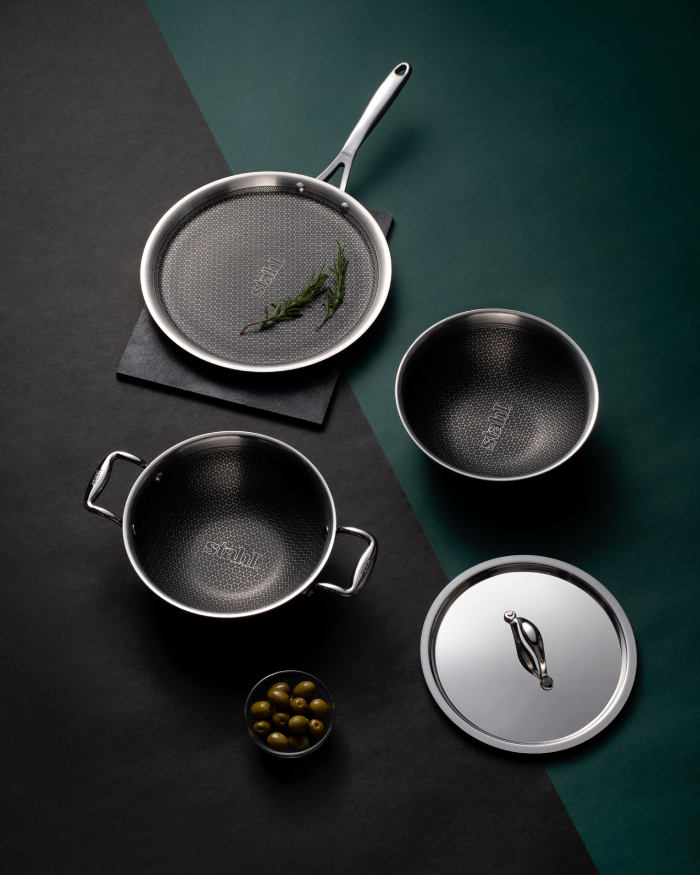
The Golden Rules of Non-Stick Care:
- Avoid High Heat: While many non-stick pans can withstand moderate heat, excessive temperatures (often above 500°F or 260°C) can degrade PTFE coatings and compromise ceramic surfaces. Always start with medium heat and increase only if necessary.
- Use the Right Utensils: Metal utensils can scratch and damage non-stick surfaces. Opt for silicone, wood, or nylon utensils.
- Pre-heat Gently: Allow your non-stick pan to heat up gradually over medium heat before adding food. This helps prevent thermal shock and ensures even heating.
- Use a Little Fat: While non-stick means less oil is needed, a small amount of butter or oil can enhance flavor, improve browning, and further protect the coating.
- Hand Wash Recommended: While many non-stick pans are labeled as dishwasher safe, hand washing with a soft sponge or cloth and mild dish soap is the best way to preserve the coating. The harsh detergents and high heat of dishwashers can, over time, wear down the non-stick properties.
- Avoid Abrasives: Never use steel wool, abrasive scouring pads, or harsh cleaning chemicals, as these will scratch and damage the non-stick surface.
- Store with Care: If stacking pans, place a pan protector or paper towel between them to prevent scratching.
By following these simple guidelines, you can ensure that your non-stick cookware continues to perform beautifully for years to come, making every cooking experience a little bit easier and a lot more enjoyable. The technology behind non-stick cookware has come a long way, transforming our kitchens and our cooking habits for the better.
aViewFromTheCave is a participant in the Amazon Services LLC Associates Program, an affiliate advertising program designed to provide a means for sites to earn advertising fees by advertising and linking to Amazon.com. Amazon, the Amazon logo, AmazonSupply, and the AmazonSupply logo are trademarks of Amazon.com, Inc. or its affiliates. As an Amazon Associate we earn affiliate commissions from qualifying purchases.