
In the ever-evolving world of business, where innovation and strategic oversight are paramount, the role of a non-executive has become increasingly vital. While often less visible than their executive counterparts, non-executives play a crucial part in shaping a company’s direction, ensuring good governance, and fostering sustainable growth. This article delves into the essence of what a non-executive is, exploring their responsibilities, the skills they bring to the table, and their impact across various domains relevant to today’s dynamic business environment, from cutting-edge technology and robust branding to sound financial management.

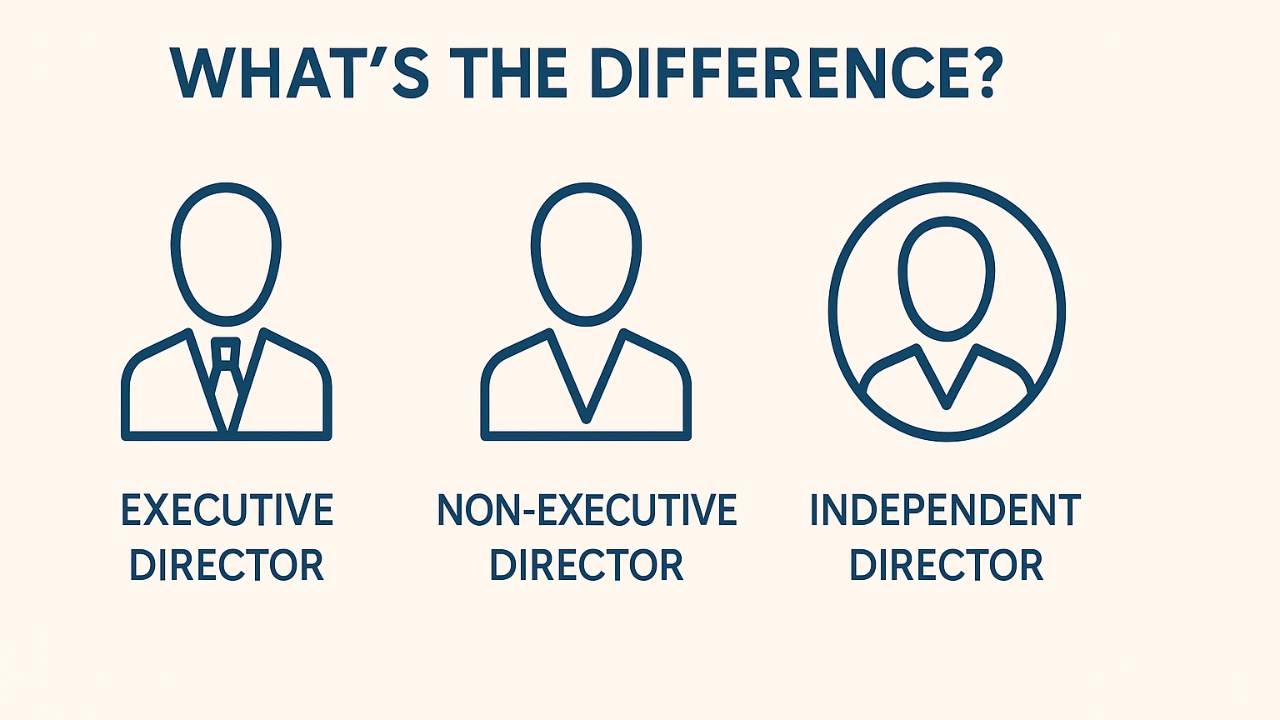
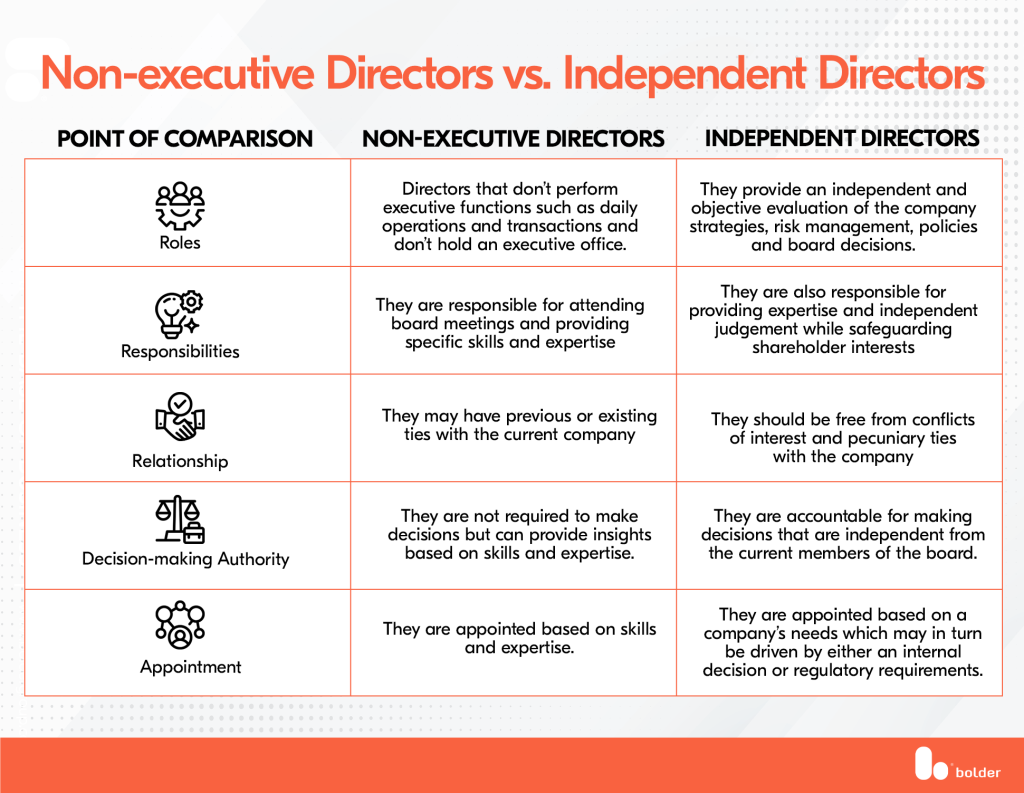
The term “non-executive” can sometimes evoke images of passive observers or simply board members attending meetings. However, a deeper understanding reveals a more active and impactful contribution. At its core, a non-executive is an individual appointed to the board of directors of a company who is not part of the executive management team. This distinction is fundamental. Executive directors are deeply involved in the day-to-day operations of the business, holding specific management roles such as CEO, CFO, or CTO. Non-executives, on the other hand, provide an independent perspective, offering guidance and challenge based on their broader experience and expertise.
The Strategic Pillars of Non-Executive Influence
The impact of a non-executive is felt across multiple facets of a company. Their oversight and strategic input are particularly crucial in areas that define a company’s long-term success and public perception.
Navigating the Tech Frontier: Innovation and Governance
In the current climate, technology is no longer just a departmental concern; it’s a strategic imperative. From the latest AI tools transforming workflows to the ever-present need for robust digital security, the tech landscape is complex and rapidly changing. A non-executive, particularly one with a strong background or keen interest in technology, can be instrumental in several ways:
- Strategic Technology Adoption: Non-executives can challenge executive teams on their technology roadmaps. Are they investing in the right software and AI tools? Is their digital security posture sufficient to ward off emerging threats? Their independent perspective can identify potential blind spots or encourage exploration of groundbreaking technologies that might otherwise be overlooked due to internal focus. They can ask probing questions about return on investment for tech spending, the scalability of new solutions, and the long-term implications of technological choices on the business model.
- Risk Management in a Digital Age: The proliferation of data, the increasing sophistication of cyberattacks, and the ethical considerations surrounding AI present significant risks. Non-executives, with their duty of care, are responsible for ensuring that the company has adequate systems in place to manage these risks. They can scrutinize the effectiveness of cybersecurity protocols, data privacy policies, and the ethical frameworks governing the use of AI. This is not about day-to-day technical implementation but about ensuring that the company has the right governance and risk mitigation strategies in place at the board level.
- Fostering an Innovative Culture: Beyond specific technologies, non-executives can champion a culture of innovation. They can encourage the executive team to embrace experimentation, learn from failures, and stay ahead of emerging trends in software, gadgets, and apps. Their experience from other industries or companies can offer valuable insights into how innovation has been successfully fostered elsewhere, inspiring new approaches within the organization. Reviews and tutorials on new tech might not be their direct responsibility, but understanding the implications of such advancements for the business is.
Building and Protecting Brand Equity: Identity and Reputation
In a crowded marketplace, a strong brand is a company’s most valuable asset. Non-executives play a critical role in shaping and safeguarding this asset, ensuring that the company’s identity resonates with its target audience and that its reputation remains unblemished.
- Brand Strategy Oversight: Non-executives, especially those with expertise in marketing and branding, can offer invaluable guidance on the overall brand strategy. They can challenge assumptions, encourage long-term thinking, and ensure that the brand message is consistent across all touchpoints. This involves scrutinizing marketing campaigns, evaluating the effectiveness of design choices, and assessing how the brand is perceived by stakeholders. They can ask critical questions about the alignment between the company’s actions and its stated brand values.
- Corporate Identity and Personal Branding: Beyond corporate branding, non-executives can also influence the development of personal branding for key executives. This is not about micromanaging individual online presence but about ensuring that the leadership team collectively represents the company in a positive and credible light. They can advise on how leadership communications and actions contribute to the overall corporate identity and reputation.
- Reputation Management and Crisis Preparedness: A company’s reputation can be built over years and lost in moments. Non-executives are essential in ensuring that robust reputation management strategies are in place. This includes having clear protocols for responding to negative publicity, social media crises, or ethical lapses. They can guide the board in establishing a culture that prioritizes transparency, accountability, and ethical conduct, which are the bedrock of a strong reputation. Case studies of how other companies have managed (or mismanaged) reputational crises can provide valuable learning points for the board.
Steering Financial Health: Investment, Income, and Business Acumen
Financial prudence and strategic financial planning are core to any business’s sustainability. Non-executives, particularly those with a strong financial background, are vital in ensuring fiscal responsibility and strategic wealth creation.
- Oversight of Financial Strategy and Performance: A primary responsibility of any board member, including non-executives, is to oversee the company’s financial health. This involves scrutinizing financial statements, challenging financial projections, and ensuring that the executive team is making sound financial decisions. Non-executives can provide an independent check on budgeting, expenditure, and capital allocation. They are crucial in ensuring that the company’s financial goals are aligned with its overall strategic objectives.
- Guidance on Investing and Fundraising: For companies looking to grow, investment decisions are critical. Non-executives can offer expertise on evaluating investment opportunities, understanding market trends, and navigating the complexities of fundraising, whether through venture capital, private equity, or public markets. They can bring experience from previous roles or their understanding of financial tools to bear on these decisions.
- Promoting Sustainable Online Income and Side Hustles (for applicable businesses): In today’s digital economy, many businesses are exploring diversified revenue streams, including online income and the potential for employees to engage in legitimate side hustles that don’t conflict with their primary employment. While this might seem niche, a forward-thinking non-executive can ensure that the company has a policy framework that addresses these emerging trends responsibly, encouraging ethical entrepreneurship where appropriate while mitigating risks. They can help the board understand the financial implications and governance challenges of these new models.
- Business Finance and Financial Tools: Non-executives can bring a wealth of experience in business finance, advising on everything from cash flow management and debt financing to strategic mergers and acquisitions. They can also offer insights into the effective use of various financial tools and software that can improve efficiency and decision-making.
The Essential Qualities of an Effective Non-Executive
What makes a non-executive truly effective? It’s a combination of inherent qualities and cultivated experience.
- Independence and Objectivity: This is the cornerstone of the non-executive role. They must be free from conflicts of interest and able to offer unbiased opinions, even if they are critical of the executive team. This objectivity allows them to see the bigger picture and make decisions based on what is best for the company as a whole, rather than being swayed by internal politics or short-term pressures.
- Strategic Thinking and Vision: A non-executive should possess the ability to think strategically, anticipating future trends and challenges. They should be able to look beyond the immediate operational concerns and contribute to shaping the long-term vision of the company. This often stems from a broad range of experiences in different industries or business functions.
- Expertise and Experience: While independence is key, non-executives also bring valuable expertise. This could be in areas like finance, law, technology, marketing, human resources, or specific industry knowledge. Their experience allows them to ask insightful questions, offer practical advice, and challenge conventional wisdom.
- Integrity and Ethical Judgment: Non-executives are guardians of the company’s ethical standards and corporate governance. They must possess a high degree of integrity and be able to make sound ethical judgments, particularly in complex situations. Their commitment to ethical conduct sets the tone for the entire organization.
- Communication and Interpersonal Skills: Effective communication is vital. Non-executives need to be able to articulate their views clearly, listen actively, and engage constructively with executive directors and other board members. They should also be able to build rapport and foster a collaborative board environment.
The Evolving Landscape of Non-Executive Roles
The traditional perception of a non-executive as solely a financial or legal expert is broadening. Today, there’s a growing demand for non-executives with specialized knowledge in areas like technology, sustainability, cybersecurity, and diversity and inclusion. Companies are increasingly seeking individuals who can bring fresh perspectives and ensure the board is equipped to handle the multifaceted challenges of the modern business world.
In essence, a non-executive is a strategic partner, a critical friend, and a guardian of good governance. Their independent oversight, broad experience, and commitment to the company’s long-term success are invaluable assets. As businesses navigate increasingly complex technological landscapes, strive to build resilient brands, and manage their financial futures with precision, the role of the non-executive will only continue to grow in importance, shaping the trajectory of companies for years to come.
aViewFromTheCave is a participant in the Amazon Services LLC Associates Program, an affiliate advertising program designed to provide a means for sites to earn advertising fees by advertising and linking to Amazon.com. Amazon, the Amazon logo, AmazonSupply, and the AmazonSupply logo are trademarks of Amazon.com, Inc. or its affiliates. As an Amazon Associate we earn affiliate commissions from qualifying purchases.