
In the complex landscape of personal finance, business operations, and digital interactions, understanding crucial identification numbers is paramount. The question “What is my federal identification number?” often arises when navigating various official processes, from filing taxes to opening business accounts. This article aims to demystify federal identification numbers, exploring their significance, how they are obtained, and their relevance across the interconnected domains of Tech, Brand, and Money.
The Core of Federal Identification: Understanding the EIN and SSN
At its heart, the concept of a “federal identification number” in the United States typically points to two primary identifiers, each serving distinct but vital purposes: the Social Security Number (SSN) for individuals and the Employer Identification Number (EIN) for businesses. While the phrasing “federal identification number” can be a broad umbrella term, these two are the most common and impactful.
The Social Security Number (SSN): Your Personal Digital Fingerprint
The Social Security Number (SSN) is a nine-digit number issued by the Social Security Administration (SSA) primarily to U.S. citizens, permanent residents, and temporary (working) residents. Originally created to track earnings for Social Security benefits, the SSN has evolved into a de facto national identifier.
-
For Individuals: Your SSN is fundamental to your financial life. It’s used by employers to report your wages, by financial institutions to track your investments and loans, and by the Internal Revenue Service (IRS) for tax purposes. Without an SSN, it’s incredibly difficult, if not impossible, to:
- Secure Employment: Employers are legally required to collect your SSN to report your earnings and withhold taxes.
- Open Bank Accounts: Banks need your SSN to comply with “Know Your Customer” (KYC) regulations and report interest earned.
- Obtain Credit: Credit bureaus use your SSN to track your credit history, which is essential for obtaining loans, credit cards, and even renting an apartment.
- File Taxes: The IRS uses your SSN to match your income with reported earnings and to process your tax returns.
- Access Government Benefits: Beyond Social Security itself, your SSN is often required for other government programs and benefits.
-
The Importance of Digital Security: Given its pervasive use, the SSN is a prime target for identity theft. Protecting your SSN is a critical aspect of digital security. This involves:
- Never Sharing it Unnecessarily: Be wary of requests for your SSN over the phone, via email, or on unsecured websites.
- Monitoring Your Credit Reports: Regularly checking your credit reports for any suspicious activity can alert you to potential identity theft.
- Securing Physical Documents: Shred any documents containing your SSN when you no longer need them.
- Using Strong Passwords and Two-Factor Authentication: This is crucial for online accounts where your SSN might be stored or linked.
The Employer Identification Number (EIN): The Business’s Digital Signature
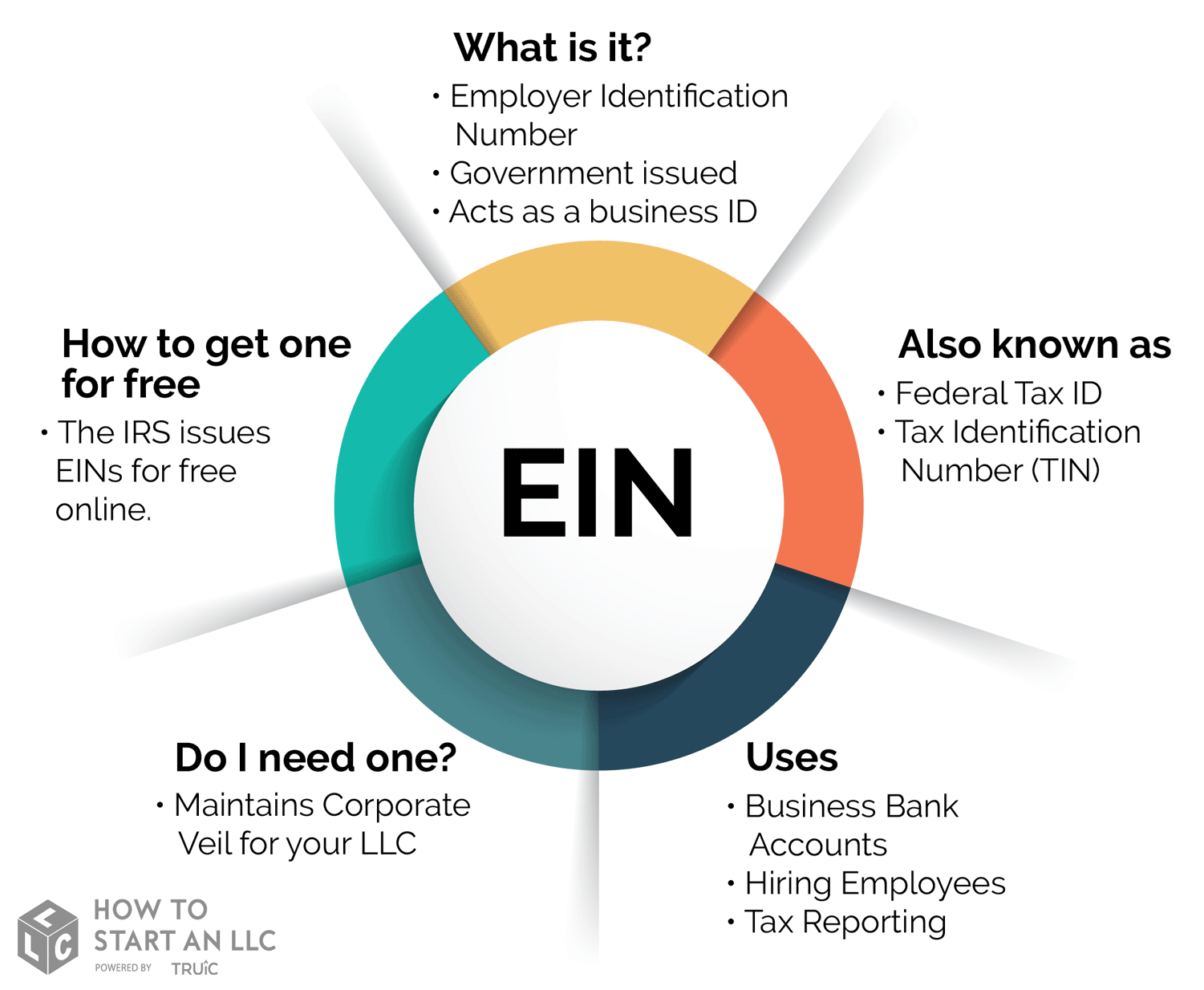
The Employer Identification Number (EIN), also known as the Federal Tax Identification Number (FTIN), is a nine-digit number issued by the IRS to business entities operating in the United States. It serves as the business equivalent of an SSN.
-
Who Needs an EIN? Generally, any business that falls into the following categories will need an EIN:
- Sole Proprietorships: If you operate a sole proprietorship and have employees or file certain excise tax returns, you’ll likely need an EIN. Even if you don’t have employees, some banks may require an EIN to open a business bank account for a sole proprietorship.
- Partnerships and Corporations: All partnerships and corporations are required to have an EIN.
- Limited Liability Companies (LLCs): Multi-member LLCs always need an EIN. Single-member LLCs may need one if they elect to be taxed as a corporation or if they have employees.
- Estates and Trusts: These entities typically require an EIN.
- Non-profit Organizations: Churches, charities, and other non-profit organizations need an EIN to operate and apply for tax-exempt status.
-
Why is an EIN Crucial for Businesses? The EIN is indispensable for a wide range of business operations, directly impacting your business’s financial and branding efforts:
- Opening Business Bank Accounts: This is one of the most common reasons businesses apply for an EIN. It helps separate business and personal finances, a cornerstone of sound business finance and personal branding for the business owner.
- Filing Business Tax Returns: The IRS uses your EIN to track your business’s tax obligations and filings.
- Hiring Employees: You need an EIN to report wages paid to employees and to withhold and pay employment taxes.
- Operating as a Corporation or Partnership: These business structures are legally required to have an EIN.
- Applying for Business Licenses and Permits: Many state and local government agencies require an EIN to issue necessary licenses and permits.
- Establishing Business Credit: An EIN is often a prerequisite for establishing a business credit profile, separate from the owner’s personal credit. This is vital for securing business loans and vendor accounts.
Obtaining Your Federal Identification Numbers: A Step-by-Step Guide
The process of acquiring your SSN and EIN is straightforward, but it’s important to understand the correct channels and requirements. Navigating these processes efficiently can save you time and prevent potential headaches.
Getting Your Social Security Number (SSN)
The Social Security Administration (SSA) manages the issuance of SSNs.
-
For U.S. Citizens and Permanent Residents:
- Gather Necessary Documents: You’ll need proof of identity (e.g., driver’s license, state ID), proof of age (e.g., birth certificate), and proof of U.S. citizenship or lawful alien status (e.g., U.S. birth certificate, U.S. passport, Permanent Resident Card).
- Complete Form SS-5: This is the Application for a Social Security Card. You can download it from the SSA website or obtain it at a local SSA office.
- Submit Your Application: You can apply in person at an SSA office or by mail. It’s generally recommended to apply in person if possible, as it can expedite the process.
- Wait for Your Card: Once your application is approved, your Social Security card will be mailed to you. This can take a few weeks.
-
For Non-Citizens Authorized to Work in the U.S.:
- The process is similar, but you will need to provide documentation proving your lawful immigrant status and authorization to work from the Department of Homeland Security (DHS).
- It’s crucial to have your work authorization document before applying for an SSN.
Applying for an Employer Identification Number (EIN)
The Internal Revenue Service (IRS) is responsible for issuing EINs. The fastest and easiest way to obtain an EIN is online.
-
Online Application (Recommended):
- Visit the IRS Website: Go to the official IRS website (IRS.gov).
- Navigate to the EIN Application: Look for the “Apply for an Employer ID Number (EIN) Online” link.
- Complete the Online Application: You will be asked to provide information about your business entity, including its name, address, type of business, and responsible party’s information.
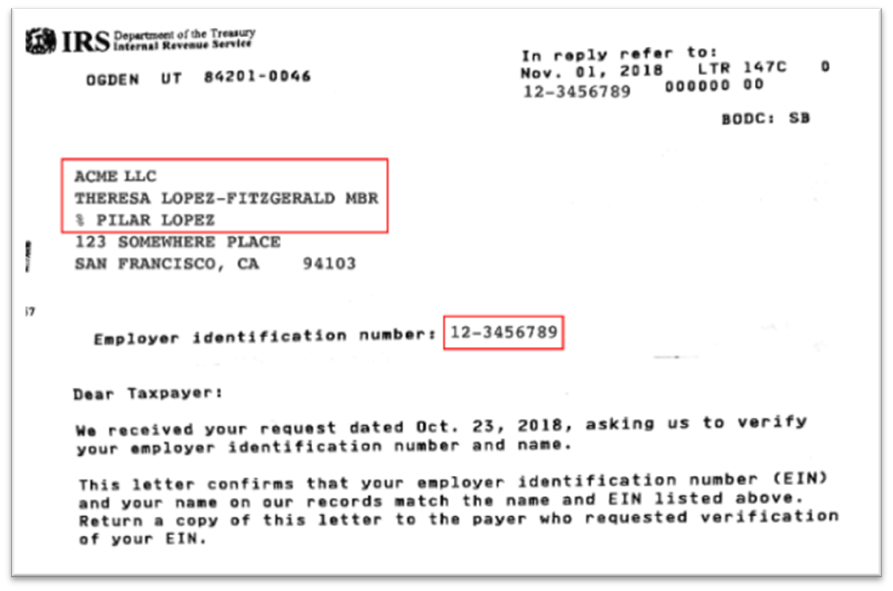
- Receive Your EIN Instantly: Upon successful completion of the application, you will be assigned an EIN immediately. You can print a confirmation letter.
-
Other Application Methods:
- Fax or Mail: You can download and complete Form SS-4, Application for Employer Identification Number, and fax or mail it to the IRS. This method can take several weeks to process.
- Phone: If you are an international applicant, you may be able to apply by phone.
Important Note: Applying for an EIN is free. Be wary of any websites that charge a fee for this service.
Federal Identification Numbers in the Context of Tech, Brand, and Money
Understanding your federal identification numbers is not just about compliance; it’s intrinsically linked to how you interact with the modern technological, branding, and financial worlds.
Tech and Digital Security
As mentioned earlier, the security of your SSN is paramount in the digital age. This number is often used as a primary key to verify your identity across numerous online platforms.
- Data Breaches: The constant threat of data breaches means that sensitive information like your SSN is at risk. Understanding where your SSN is stored and how it’s protected by companies you interact with is crucial.
- AI Tools and Verification: With the rise of AI, imagine sophisticated phishing attacks that use stolen SSNs to impersonate you. The more digital footprints you have, the more important it is to secure your core identifiers.
- Productivity Apps: Many productivity and financial management apps require you to link bank accounts, which are directly tied to your SSN or your business’s EIN. Secure authentication methods for these apps are therefore critical.
Brand Strategy and Corporate Identity
For businesses, the EIN is foundational to their brand and identity.
- Brand Legitimacy: Operating under a registered business entity with an EIN lends legitimacy to your brand. It signifies that you are a formal, tax-paying entity, which builds trust with customers, partners, and investors.
- Corporate Identity: Your EIN is part of your corporate identity, distinguishing you from other businesses. It’s used in legal documents, contracts, and official communications.
- Marketing and Reputation: A consistent and professional approach to your business’s legal and financial standing, underscored by the proper use of your EIN, contributes to a positive brand reputation. Conversely, issues related to tax compliance or incorrect identification can severely damage a brand.
- Personal Branding (for Entrepreneurs): For entrepreneurs, their business’s EIN and their personal SSN are often closely intertwined, especially in the early stages. Separating these identities through proper business registration and financial management is key to building a strong personal brand that is distinct from their company, yet supported by its structure.
Money and Financial Management
The link between federal identification numbers and personal and business finance is undeniable.
- Personal Finance: Your SSN is the lynchpin for nearly all financial activities: opening checking and savings accounts, applying for mortgages and car loans, managing investments, and even claiming tax deductions.
- Investing: Investment platforms require your SSN for reporting investment income to the IRS. For businesses, the EIN is used to manage corporate investments and report profits.
- Online Income and Side Hustles: Even for individuals earning income through side hustles or freelancing, their SSN is essential for reporting this income accurately to the IRS. For more established side businesses that grow into formal entities, an EIN becomes necessary.
- Business Finance: The EIN is the bedrock of business finance. It enables businesses to secure loans, manage payroll, pay taxes, and establish credit lines, all of which are critical for financial health and growth. Without an EIN, managing business finances effectively and compliantly is virtually impossible.

Conclusion
Understanding “what is my federal identification number” is more than just a bureaucratic query; it’s a fundamental step in managing your personal and professional life in the modern world. Whether you are an individual seeking to secure your financial future or a business owner building an empire, your Social Security Number and Employer Identification Number are critical tools. They are the keys to unlocking financial opportunities, establishing credibility, and navigating the intricate digital and regulatory landscapes. By safeguarding these numbers and understanding their significance across technology, branding, and finance, you empower yourself to operate with confidence and security.
aViewFromTheCave is a participant in the Amazon Services LLC Associates Program, an affiliate advertising program designed to provide a means for sites to earn advertising fees by advertising and linking to Amazon.com. Amazon, the Amazon logo, AmazonSupply, and the AmazonSupply logo are trademarks of Amazon.com, Inc. or its affiliates. As an Amazon Associate we earn affiliate commissions from qualifying purchases.