
In the vast and intricate tapestry of global aviation, every airport possesses a unique identifier – a three-letter code that transcends language barriers and simplifies complex logistics. Among these, “MSY” stands out, not merely as a functional tag for the airport serving New Orleans, Louisiana, but as a critical element of its brand identity, marketing strategy, and the very narrative it tells the world. This code, far from being just a technical designation, is a cornerstone in the branding of a vibrant city and a bustling aviation gateway. Understanding “what is MSY airport code” requires looking beyond its literal meaning to appreciate its profound role in brand strategy, corporate identity, and the broader communication ecosystem of travel.

The Brand Identity of an Aviation Gateway
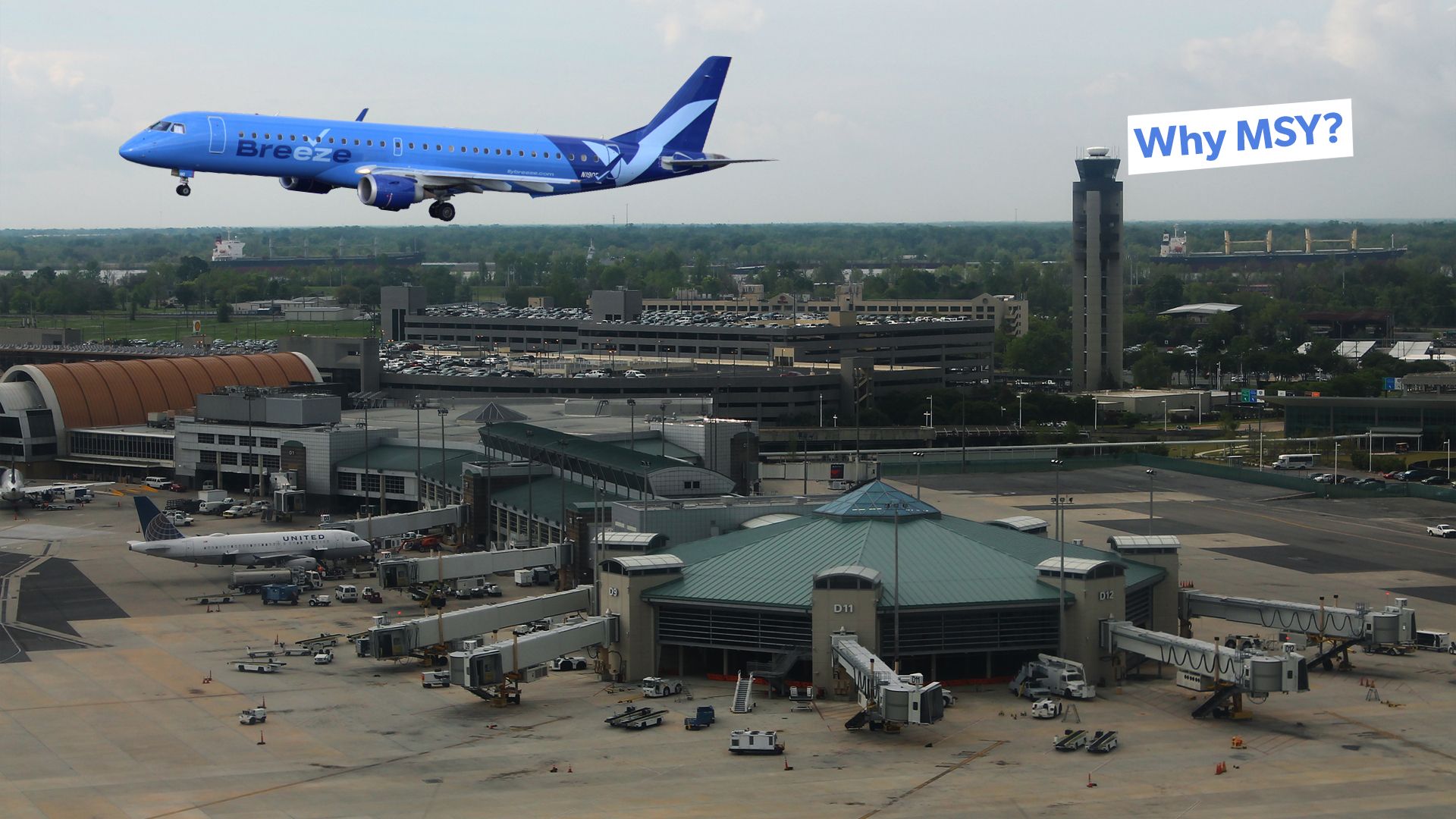
At its core, MSY represents the Louis Armstrong New Orleans International Airport. Yet, its significance extends far beyond a geographical pin. In the realm of branding, an airport code acts as a powerful shorthand, a symbol instantly recognizable to millions of travelers, airlines, and logistics professionals worldwide. It encapsulates the airport’s essence, linking it directly to the unique cultural heartbeat of New Orleans.
Decoding MSY: Beyond Just Letters
The three letters “MSY” are the International Air Transport Association (IATA) code for Louis Armstrong New Orleans International Airport. While many airport codes are direct acronyms or derived from the city’s name (e.g., LAX for Los Angeles, JFK for New York’s John F. Kennedy), MSY carries a slightly different historical lineage, which ironically strengthens its brand narrative. The code “MSY” is an abbreviation for Moisant Stock Yards, a tribute to the original site of the airport, which was named after pioneering aviator John Moisant. This historical tie-in, though not immediately obvious to every traveler, provides a layer of depth to the airport’s identity.
IATA codes are not just random letters; they are meticulously assigned to ensure global consistency, prevent confusion, and streamline countless operational processes. From flight bookings and baggage handling to air traffic control and airport security, these codes are the fundamental building blocks of international aviation. For an airport, its IATA code is its primary identifier on a global stage, making it an indispensable component of its corporate identity. It’s the name by which the world’s most sophisticated travel networks recognize it, and therefore, a crucial element in establishing its brand presence.
MSY as a Brand Symbol for New Orleans
An airport is often the first and last impression a visitor has of a city. Consequently, its brand identity is inextricably linked to the destination it serves. MSY, as the gateway to New Orleans, embodies the city’s spirit and character. The code itself becomes a brand symbol that immediately evokes images of jazz, historic architecture, vibrant culinary scenes, and unparalleled cultural richness. When travelers see “MSY,” they aren’t just seeing an airport code; they are seeing an invitation to an experience.
This connection between airport identity and city branding is a powerful strategic asset. For New Orleans, a city heavily reliant on tourism, MSY serves as a vital brand ambassador. The airport’s facilities, services, and overall atmosphere are designed to reflect the unique charm of the city. The integration of local art, music, and culinary experiences within the airport itself reinforces the “MSY brand” as synonymous with the “New Orleans brand.” This synergistic relationship ensures that the moment a traveler interacts with “MSY,” either online or in person, they begin to experience the distinctive brand essence of the Crescent City. The emotional and practical weight of an airport code, therefore, extends beyond mere logistics to shape perceptions, build anticipation, and solidify the destination’s appeal.
Marketing and Communication Through Airport Codes
In the highly competitive world of travel, effective marketing and clear communication are paramount. Airport codes, particularly those with strong recognition like MSY, play a pivotal role in these efforts. They provide a universal language that streamlines processes for businesses and consumers alike, serving as a constant touchstone in the travel journey.
Airlines and Travel Brands Leveraging MSY
Airlines are perhaps the most direct users and beneficiaries of airport codes in their marketing and communication strategies. From the moment a traveler searches for a flight, “MSY” is prominently displayed in booking systems, flight schedules, and boarding passes. This consistent usage builds brand familiarity and trust. Airlines integrate MSY into their route maps, promotional campaigns, and loyalty programs, using the code to signify a destination that is part of their network and value proposition. For an airline, offering flights to MSY isn’t just about accessing a market; it’s about connecting their brand with the allure of New Orleans.
Beyond airlines, a vast ecosystem of travel agencies, online travel aggregators (OTAs), hotel chains, and car rental companies also leverage MSY in their marketing. Websites like Expedia, Booking.com, or Kayak use the code as a primary search parameter, demonstrating its universality. This reliance on a standardized code ensures consistency and clarity in global travel communication, making it easier for consumers to plan and book their trips. For these brands, associating with MSY means tapping into a well-established travel brand and offering a recognizable and desirable destination to their customers. The code facilitates seamless data exchange, marketing automation, and ultimately, a smoother customer journey from initial search to final destination.
Building a Unique Airport Identity
While all airports share the fundamental function of facilitating air travel, each strives to cultivate a unique identity that sets it apart. MSY’s code contributes significantly to this differentiation. In a saturated market, a memorable and recognized code can become a powerful brand asset, distinguishing the airport from countless others. The familiarity of “MSY” helps build a distinct mental image, reinforcing its position as a primary gateway in the Gulf South.

The role of the code extends into the physical realm of the airport experience, particularly in wayfinding and user experience design. Clear signage utilizing the MSY code, coupled with the airport’s official branding (logos, colors, architectural style), guides travelers efficiently through terminals, baggage claim, and ground transportation. This consistent visual and informational branding, anchored by the MSY code, reduces stress for travelers and enhances their perception of an organized and professional operation. Public perception and recognition are vital for an airport’s brand success. When “MSY” is mentioned, whether in news reports, travel blogs, or casual conversations, it instantly conjures images of the airport and, by extension, the city of New Orleans. This pervasive recognition solidifies its brand equity and reinforces its position as a significant player in the national and international aviation landscape.
The Evolution of Airport Branding and MSY’s Place
The concept of an airport as a “brand” has evolved considerably over the decades. What began as purely functional facilities are now viewed as complex commercial entities, often competing for airlines, passengers, and cargo. This shift has placed greater emphasis on strategic branding, with airport codes like MSY playing a foundational role.
From Functional Identifier to Strategic Asset
Historically, airport codes were conceived primarily as operational necessities – concise identifiers for air traffic control, flight planning, and logistical coordination. Their design was purely utilitarian. However, as the aviation industry matured and became increasingly consumer-centric, airports began to recognize the broader potential of these codes. They transitioned from being mere functional identifiers to strategic brand assets.
This shift reflects a broader trend in corporate identity where every touchpoint, no matter how small, is leveraged to communicate brand values. For airports, this means consciously cultivating an image that goes beyond simply moving people from point A to point B. It involves creating a memorable experience, fostering loyalty, and projecting an identity that resonates with both travelers and stakeholders. MSY, through its enduring code and strategic integration into its marketing, epitomizes this evolution. The Louis Armstrong New Orleans International Airport has invested significantly in its facilities, services, and local cultural integration, all of which coalesce around the established brand represented by “MSY.” The code becomes the shorthand for this comprehensive brand promise, signaling efficiency, hospitality, and a unique sense of place.
MSY in the Digital Age of Travel
The digital revolution has amplified the importance of an airport’s brand identity, and codes like MSY have found new relevance in the online sphere. In an era dominated by online booking, digital information, and social media, the three-letter code serves as a vital digital marker. MSY is frequently used as a hashtag on platforms like Instagram and Twitter, allowing travelers to share their experiences and connect with others. It functions as a crucial search term in search engines, directing users to flight information, airport services, and local attractions.
For the airport’s marketing team, MSY is a powerful tool for online engagement and digital storytelling. It’s integrated into the airport’s official website, mobile apps, and email newsletters, ensuring brand consistency across all digital touchpoints. This digital presence is not just about providing information; it’s about building a community, fostering a relationship with travelers, and showcasing the airport as an integral part of the New Orleans experience. The code’s simplicity makes it ideal for digital interfaces, where clarity and conciseness are paramount. By seamlessly embedding MSY into its digital strategy, the airport ensures its brand remains prominent and accessible in the ever-evolving online travel landscape.
The Future of Airport Codes and Brand Storytelling
As the aviation industry continues to innovate, the role of airport codes in brand storytelling will likely evolve further. The challenge for airports like MSY will be to maintain relevance and adapt their branding strategies to meet changing traveler expectations while preserving the established equity of their core identifier.
Navigating Change and Maintaining Relevance
The future of airport branding lies in its ability to navigate technological advancements, shifting consumer behaviors, and global challenges. Iconic codes like MSY, with their deep historical roots and strong recognition, offer a stable foundation amidst this change. However, airports must continuously adapt their broader branding strategies to remain relevant. This could involve enhanced digital services, personalized traveler experiences, or renewed emphasis on sustainability and community engagement.
For MSY, maintaining relevance means continually innovating its offerings while staying true to its New Orleans identity. The power of the simple three-letter code lies in its adaptability; it can be integrated into new marketing campaigns, digital platforms, and customer service initiatives. Challenges might include competing with new regional airports or adapting to major infrastructure changes. Yet, the enduring power of MSY as a brand identifier allows the airport to tell a consistent story, building upon years of brand equity rather than starting anew. This ongoing power of a simple code in a complex industry demonstrates its fundamental importance to corporate identity and brand longevity.
Crafting the Traveler’s Brand Journey
Ultimately, the airport code, such as MSY, is often the first and last tangible touchpoint for many travelers in their journey. It initiates their experience of a place and marks their departure. Therefore, the way the airport integrates this code into a holistic brand journey is crucial. From the moment a traveler sees “MSY” on a boarding pass to the design elements reflecting local culture within the terminal, every interaction contributes to the overall brand perception.
At Louis Armstrong New Orleans International Airport, the brand journey extends beyond mere transportation. It encompasses the integration of local music, art installations, and authentic New Orleans cuisine, transforming the airport into a microcosm of the city itself. This strategic integration ensures that the “code” is not just a label but a gateway to a rich, immersive “experience.” By connecting the functional identifier (MSY) with a distinctive and memorable travel experience, the airport reinforces its brand promise. This continuous effort to enhance the traveler’s journey, making it intrinsically linked to the spirit of New Orleans, ensures that MSY remains not just an airport code, but a vibrant and essential part of the global travel brand landscape. In an increasingly interconnected world, the strategic deployment and careful nurturing of such an identifier are more crucial than ever for an airport’s long-term success and enduring appeal.
aViewFromTheCave is a participant in the Amazon Services LLC Associates Program, an affiliate advertising program designed to provide a means for sites to earn advertising fees by advertising and linking to Amazon.com. Amazon, the Amazon logo, AmazonSupply, and the AmazonSupply logo are trademarks of Amazon.com, Inc. or its affiliates. As an Amazon Associate we earn affiliate commissions from qualifying purchases.