
Mid-century modern design is more than just a style; it’s a philosophy that emerged in the mid-20th century, roughly from the 1940s to the 1960s. It’s a period of immense societal change, driven by post-war optimism, technological advancements, and a desire for a fresh, functional, and forward-looking approach to living. For those interested in the intersection of technology, branding, and finance, understanding mid-century modern design offers fascinating insights into how aesthetics, functionality, and user experience have evolved, and how these principles can still influence our modern lives.
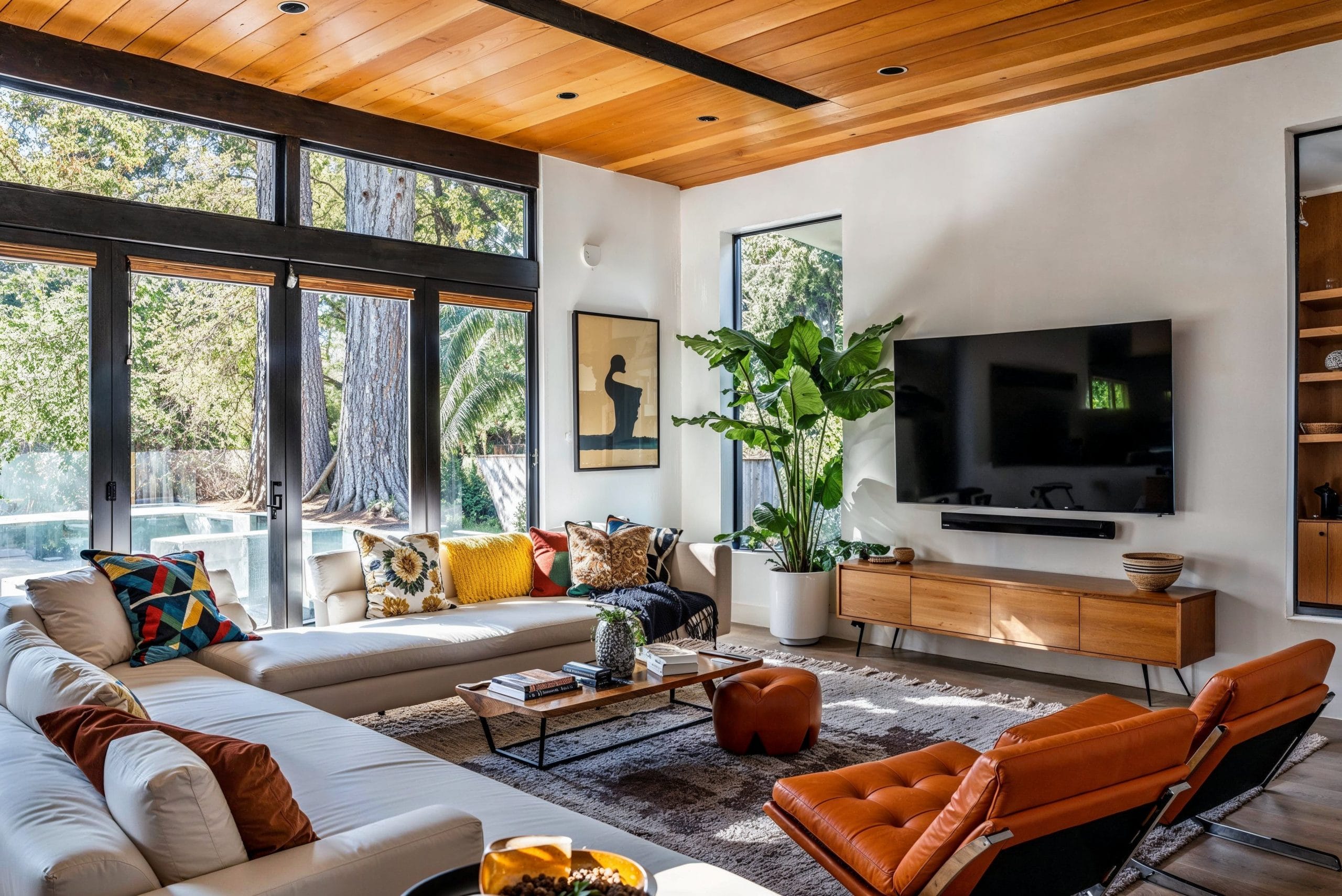
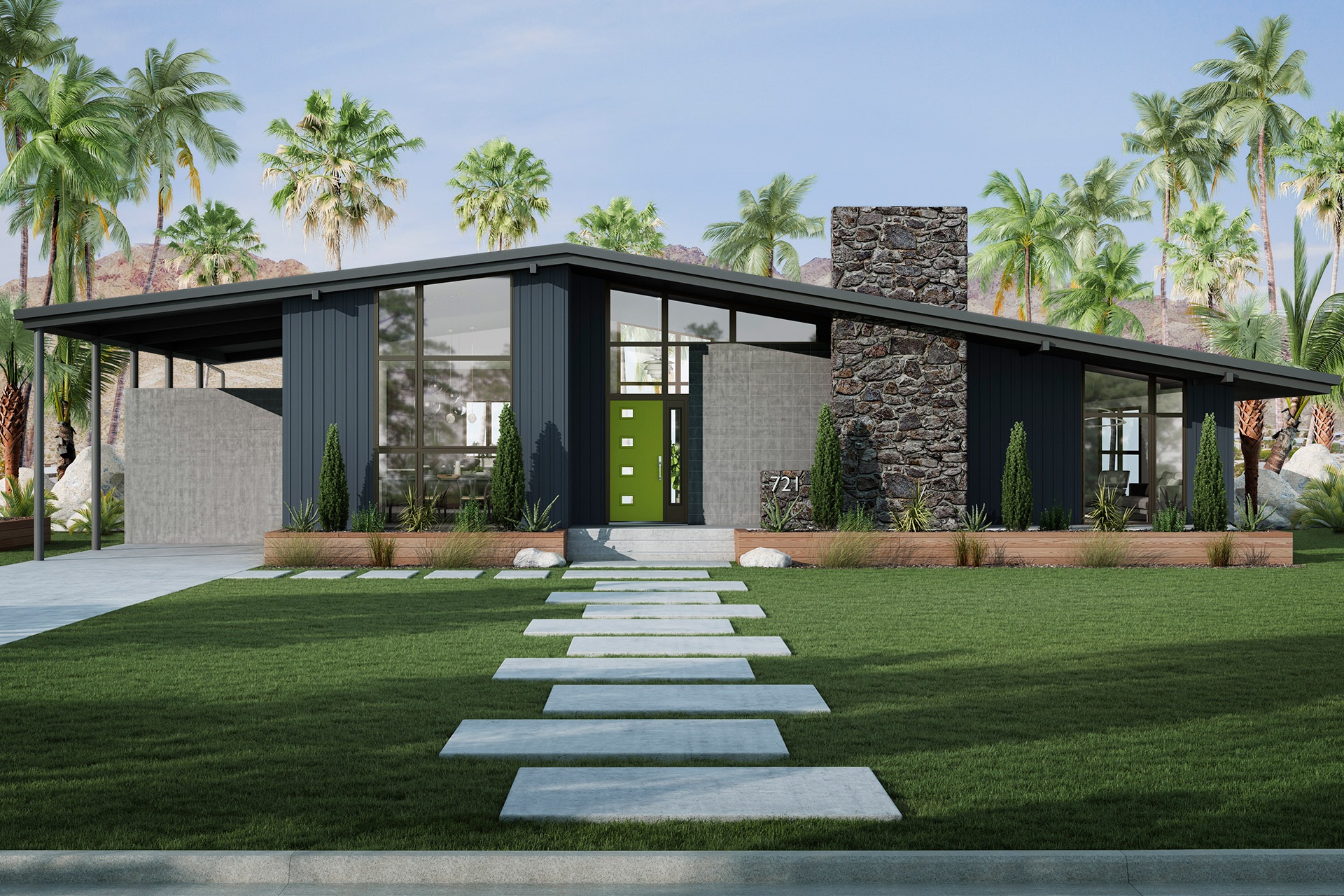
This design movement, initially rooted in architecture, quickly permeated furniture, interiors, and even graphic design. Its enduring appeal lies in its timeless simplicity, its focus on natural materials, and its seamless integration of indoor and outdoor spaces. While the term “mid-century modern” might conjure images of Eames chairs and Sputnik chandeliers, its essence is far broader, encompassing a specific set of principles that continue to resonate in contemporary design and lifestyle choices.

The Technological Underpinnings of Mid-Century Modernity
The mid-century modern era coincided with a surge in technological innovation. This period saw the rise of new materials and manufacturing techniques that directly influenced the design aesthetic. Understanding these technological advancements is crucial to appreciating the radical departure from previous design styles.
Innovation in Materials and Manufacturing
The post-war period brought about a revolution in material science and production. Plastics, for instance, became more accessible and versatile, allowing for the creation of molded furniture and innovative structural components. Plywood, treated and molded into curves, became a hallmark of iconic mid-century furniture, offering both strength and flexibility.
Think about it: Today, we’re immersed in the world of AI tools and software that automate complex tasks and enhance our productivity. Similarly, mid-century designers leveraged emerging technologies to streamline production, make design more accessible, and create objects that were both aesthetically pleasing and mass-producible. This focus on efficiency and accessibility is a thread that connects the technological spirit of the mid-century to our current digital age.
The Rise of the “Smart Home” (of its Time)
While not a “smart home” in the Alexa-and-Google-Assistant sense, mid-century modern architecture often incorporated forward-thinking technological elements. The integration of heating, ventilation, and air conditioning (HVAC) systems was becoming more common, allowing for more open floor plans and larger windows without sacrificing comfort. Architects embraced the potential of electricity, integrating lighting seamlessly into the design, often with subtle, indirect illumination.
Consider the parallels: Just as we now seek integrated tech solutions that enhance our living spaces, mid-century architects were pioneering ways to embed functionality into the very structure of homes. This wasn’t just about gadgets; it was about designing for a more comfortable, efficient, and enjoyable way of life, a sentiment that drives much of today’s tech innovation, from smart appliances to energy-efficient building materials.
Branding and the Mid-Century Modern Aesthetic
The mid-century modern aesthetic had a profound impact on branding and corporate identity. Its clean lines, bold typography, and optimistic color palettes became synonymous with innovation, progress, and a modern, forward-thinking company.
The Visual Language of Progress
Companies during this era sought to project an image of modernity and reliability. Mid-century modern design provided the perfect visual language for this. Think of the logos and advertisements of major corporations from the 1950s and 60s. They often featured simplified forms, geometric shapes, and a sense of dynamism. This wasn’t accidental; it was a deliberate branding strategy to align with the era’s spirit of advancement.
For brand strategists and marketers: The mid-century modern approach to visual communication is a masterclass in clarity and impact. The emphasis on clean typography, uncluttered layouts, and memorable iconography laid the groundwork for much of what we consider effective branding today. It’s about distilling a message to its essence and presenting it in a visually compelling way. The success of these brands demonstrates the power of a consistent and recognizable visual identity.
Personal Branding in the Mid-Century Context
Even at a personal level, the mid-century modern aesthetic influenced how individuals presented themselves. The sleek lines of clothing, the minimalist jewelry, and the stylish interiors of homes all contributed to an overall image of sophistication and success. This was a time when personal presentation was closely tied to one’s perceived place in a rapidly evolving society.
For those building their personal brand: The lessons from mid-century personal branding are about intentionality and coherence. It’s about curating an image that reflects your values and aspirations. The mid-century emphasis on quality, simplicity, and a touch of flair can be translated into how you present yourself online and offline today, whether it’s through your social media profiles, your professional attire, or the curated content you share.
Financial Implications and Investment in Mid-Century Modern Homes
The enduring popularity of mid-century modern homes also has significant financial implications. These properties are often sought after by buyers for their unique style, functionality, and historical significance, leading to strong resale values.
The Investment Value of Timeless Design
Mid-century modern homes are often seen as investments, not just as places to live. Their classic appeal transcends fleeting trends, making them attractive to a wide range of buyers. The emphasis on quality construction, durable materials, and functional layouts contributes to their longevity and desirability.
For investors and homeowners: The mid-century modern market is a testament to the fact that quality and timeless design hold their value. When considering real estate, understanding the principles that make these homes so enduring can inform decisions about renovation, maintenance, and appreciation. It’s about investing in something that is not only beautiful but also inherently practical and long-lasting.
The Cost of Authenticity vs. Modernization
Owning a mid-century modern home can come with its own set of financial considerations. While their original features are highly prized, they may also require specialized maintenance or upgrades to meet modern living standards and energy efficiency requirements.
For those managing personal finance and business finance: This presents a unique financial balancing act. On one hand, preserving original features can increase a home’s historical and aesthetic value. On the other hand, modernizing systems like plumbing, electrical, or insulation can improve comfort, reduce utility costs, and prevent future problems. Deciding where to invest, whether in authentic restoration or modern upgrades, requires careful budgeting and consideration of long-term return on investment. This is akin to deciding whether to invest in cutting-edge software for a business or stick with a reliable, albeit older, system.
Side Hustles and the Mid-Century Market
The demand for authentic mid-century modern furniture and decor has also fueled a thriving secondary market. This presents opportunities for individuals interested in sourcing, restoring, and reselling these iconic pieces.
For those exploring online income and side hustles: The mid-century modern market is ripe with entrepreneurial potential. From finding vintage treasures at estate sales to expertly restoring a beloved piece of furniture, there are numerous ways to turn a passion for mid-century design into a profitable venture. Understanding the provenance and value of these items, much like understanding market trends in tech or finance, is key to success.
The Enduring Legacy: Mid-Century Modern in the Digital Age
The principles that defined mid-century modern design – functionality, simplicity, integration, and a forward-looking spirit – continue to influence contemporary life. Whether we’re discussing the intuitive interfaces of our favorite apps, the branding strategies of innovative tech companies, or the financial planning for a sustainable future, the echoes of mid-century modernity are undeniable.
This design philosophy offers a valuable lens through which to view our modern world. It reminds us that true innovation often lies in finding elegant solutions to practical problems, in creating experiences that are both beautiful and meaningful, and in building a future that is both functional and aspirational. As we continue to navigate the ever-evolving landscape of technology, branding, and finance, the timeless lessons of the mid-century modern home provide a solid foundation for understanding what makes design, and indeed life, truly remarkable.
aViewFromTheCave is a participant in the Amazon Services LLC Associates Program, an affiliate advertising program designed to provide a means for sites to earn advertising fees by advertising and linking to Amazon.com. Amazon, the Amazon logo, AmazonSupply, and the AmazonSupply logo are trademarks of Amazon.com, Inc. or its affiliates. As an Amazon Associate we earn affiliate commissions from qualifying purchases.