
The world is in constant flux. From the smallest personal choices to the grandest societal shifts, change is the only constant. While we often hear about sweeping technological revolutions or major economic downturns, there’s a subtler, yet equally powerful force at play: microtrends. These are the nascent, often overlooked currents that, when observed and understood, can reveal the future of how we live, work, and consume. In a landscape dominated by rapid evolution in Tech, Brand, and Money, grasping the essence of microtrends is no longer optional; it’s a strategic imperative for staying relevant and thriving.
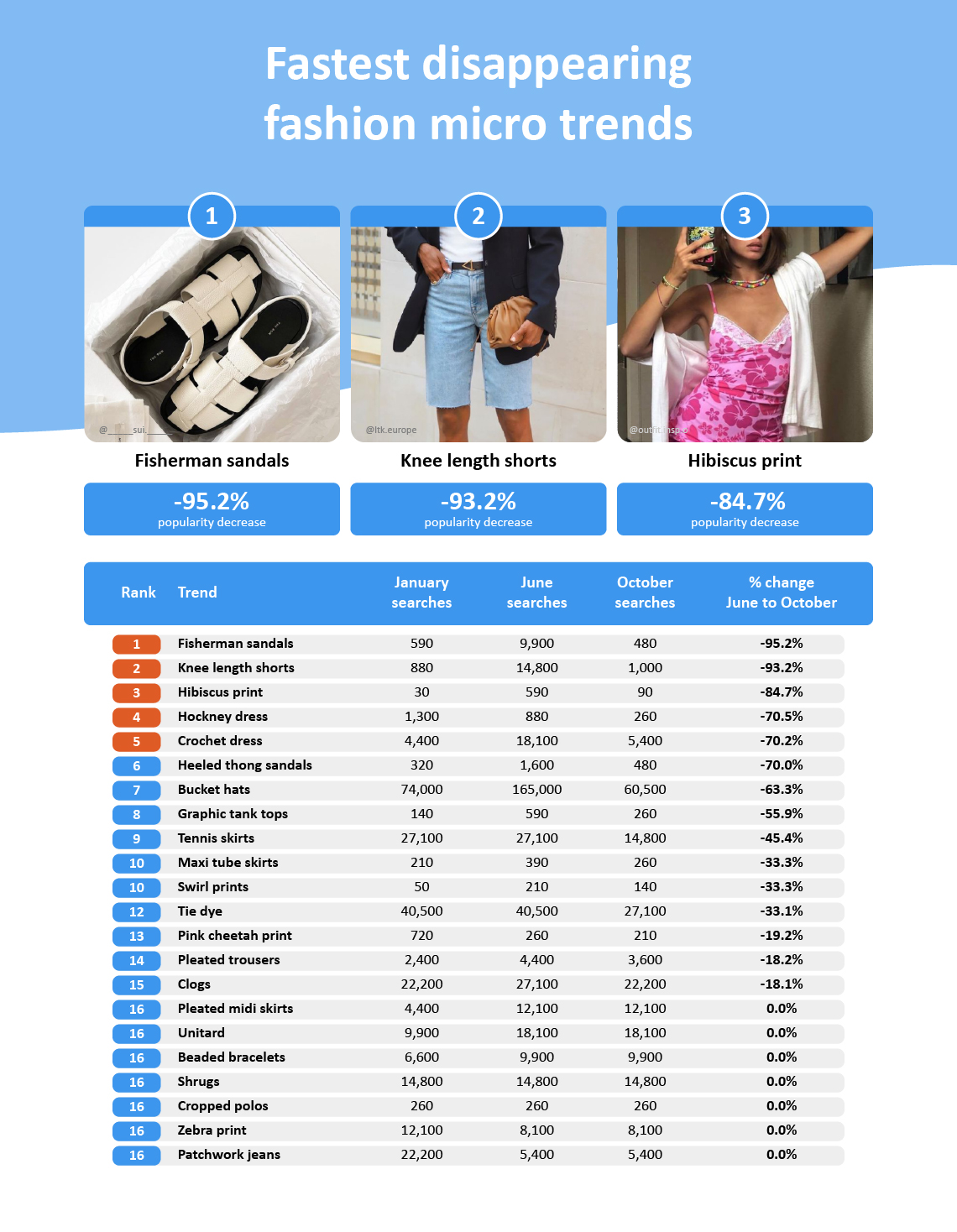
Unpacking the Essence of Microtrends
At its core, a microtrend is a small, observable, and often short-lived shift in consumer behavior, cultural preferences, or technological adoption. Unlike macrotrends, which are broad, sweeping forces like globalization or climate change, microtrends are more granular and specific. They are the early whispers of what might become mainstream, the subtle deviations from the norm that signal a potential future direction.
Think of them as the “leading indicators” of change. They might appear in niche online communities, emerge from unexpected product innovations, or even manifest in the way a small group of people adapt a piece of technology for a novel purpose. Their power lies not in their immediate impact, but in their potential to aggregate, influence, and ultimately shape larger societal and market movements.
The Microtrend Lifecycle: From Fad to Foundation
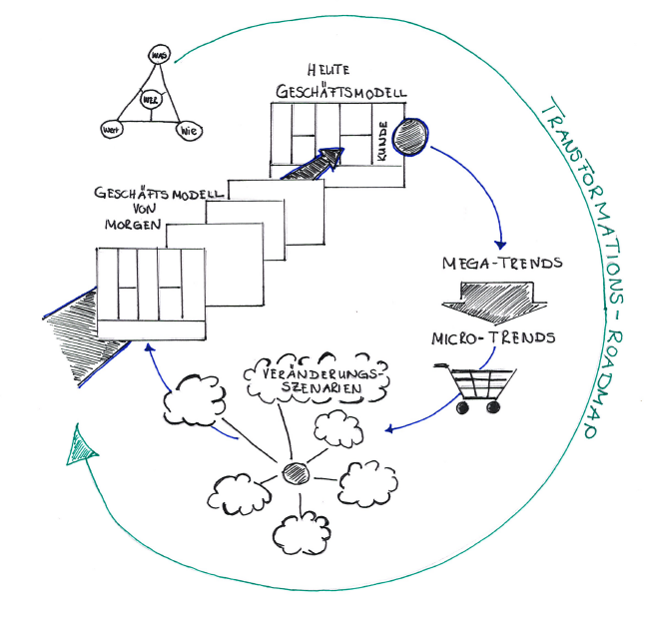
Microtrends don’t typically appear fully formed. They often go through a lifecycle, evolving from nascent ideas to established practices.
The Spark of Novelty: Early Adoption and Experimentation
The initial stage of a microtrend is characterized by early adopters and innovators. These are individuals or groups who are naturally inclined to experiment with new ideas, technologies, or behaviors. They might be the first to try a new AI tool for a specific task, develop a unique personal branding strategy that diverges from the norm, or discover an unconventional online income stream. This phase is often marked by a degree of informality and experimentation. A new app might be used in a way its creators never intended, a niche social media platform might gain traction among a specific demographic, or a particular investment strategy might be shared within a tight-knit online community.
The Ripple Effect: Growing Awareness and Adaptation
As early adopters demonstrate the value or appeal of a microtrend, a ripple effect begins. More people become aware of the phenomenon, and some start to adapt it for themselves. This stage is where the microtrend begins to transcend its niche origins. For instance, a productivity hack initially popularized by a few tech enthusiasts might be adopted by a wider audience seeking to optimize their workflows. A unique marketing approach that resonated with a specific brand’s target audience might inspire others to experiment with similar tactics. In the realm of personal finance, a novel way to generate online income might be discussed and replicated by more individuals.
The Consolidation Phase: Refinement and Mainstreaming
If a microtrend possesses genuine utility, desirability, or solves a prevalent problem, it can enter a consolidation phase. During this stage, the microtrend becomes more refined, its benefits are better understood, and it starts to gain broader acceptance. This might involve the development of more user-friendly tools, the creation of clearer guidelines or best practices, or the integration of the microtrend into existing systems. For example, an AI tool initially used by developers for complex coding might evolve into a more accessible application for everyday users. A personal branding approach that was once experimental might become a standard practice taught in marketing courses. A side hustle that was once obscure might become a recognized and viable income stream.
The Plateau or Transformation: Integration and Legacy
The ultimate fate of a microtrend can vary. It might plateau, becoming a permanent fixture within its respective domain, much like smartphones or online banking. Alternatively, it might evolve and integrate into a larger, more established trend, losing its distinct “micro” identity but contributing to a broader shift. For example, the early fascination with specific social media platforms might have eventually contributed to the broader trend of digital social interaction and community building. The early experiments with remote work technologies paved the way for the widespread adoption of flexible work arrangements.
The Trifecta of Influence: Tech, Brand, and Money
The interconnectedness of microtrends across the domains of Tech, Brand, and Money is crucial for understanding their collective impact.
The Tech Crucible: Where Innovation Takes Flight
Technology is often the fertile ground from which microtrends sprout. The relentless pace of innovation in software, AI tools, apps, and gadgets creates constant opportunities for new behaviors and usages to emerge.
- AI Tools: The rapid development of AI tools, from advanced language models to sophisticated image generators, is a prime example. Initially, these tools might be adopted by a select group of developers or researchers for highly specialized tasks. However, as they become more accessible and user-friendly, microtrends emerge in how everyday individuals and businesses leverage them for content creation, problem-solving, personalized learning, and even artistic expression. A microtrend might be the specific way an AI writing assistant is prompted to generate creative marketing copy, or how an AI image generator is used to conceptualize product designs.
- Software & Apps: The sheer volume of software and apps available means that niche solutions and novel applications of existing tools are constantly appearing. A microtrend might be the emergence of a specific type of productivity app that focuses on a particular workflow optimization, or a new social networking app designed for a very specific interest group. The “gamification” of productivity, where elements of game design are incorporated into non-game contexts, is another example of a microtrend originating in software and apps.
- Gadgets: Beyond the mainstream smartphones and wearables, innovative gadgets that address niche needs or offer unique functionalities can spark microtrends. Think of specialized smart home devices, advanced personal audio equipment, or portable creative tools. The adoption of these gadgets by specific communities can lead to new ways of interacting with our environment or expressing ourselves.
- Digital Security & Productivity: Within these broader tech categories, microtrends also emerge in how we approach digital security and productivity. The discovery of novel cybersecurity techniques by ethical hackers, or the development of highly effective, personalized productivity systems by individuals, can set off ripples of adoption.
The Brand Canvas: Shaping Perception and Preference
Microtrends are deeply intertwined with branding, influencing how companies and individuals position themselves, communicate their value, and connect with their audiences.
- Brand Strategy & Personal Branding: In a crowded marketplace, standing out requires an understanding of emerging preferences. A microtrend in brand strategy might involve a shift towards hyper-personalization in customer communication, or the adoption of a more transparent and ethical marketing approach. For individuals, microtrends in personal branding might include the rise of authentic storytelling on social media, or the emphasis on showcasing niche skills and expertise.
- Corporate Identity & Design: Visual microtrends can emerge in logo design, color palettes, typography, and overall brand aesthetics. For example, a move towards minimalist, eco-conscious design elements, or the adoption of retro-inspired visual styles, can be considered microtrends that influence corporate identity.
- Marketing & Case Studies: The effectiveness of certain marketing tactics can lead to microtrends. This might be the rise of influencer marketing within a specific niche, the innovative use of augmented reality in advertising, or the development of highly targeted community-building campaigns. Case studies often document the initial success of these microtrends, paving the way for broader adoption.
- Reputation Management: The way brands build and manage their reputation is also subject to microtrends. This could involve proactive engagement with online communities, the use of user-generated content to build trust, or the rapid response to customer feedback on social media.
The Money Maze: Unlocking New Opportunities and Strategies
Financial microtrends reflect evolving attitudes towards money, earning, spending, and investing. They are often catalyzed by technological advancements and changing societal values.
- Personal Finance & Investing: The way individuals manage their money is constantly being reshaped. Microtrends might include the rise of specific micro-investing apps, the popularity of decentralized finance (DeFi) platforms for niche investment strategies, or the emergence of new budgeting techniques facilitated by AI-powered financial tools. The growing interest in ethical and sustainable investing can also manifest as microtrends within the broader investment landscape.
- Online Income & Side Hustles: The digital economy has democratized earning potential, leading to a proliferation of microtrends in how people generate income. This could be the unexpected success of niche affiliate marketing strategies, the rise of specialized freelancing platforms, or the innovative monetization of digital content on emerging platforms. The gig economy itself, with its ever-evolving array of service-based opportunities, is a fertile ground for financial microtrends.
- Business Finance & Financial Tools: For businesses, microtrends in finance can involve the adoption of new payment processing solutions, the utilization of AI-driven forecasting tools for specific market segments, or the exploration of alternative funding models. The increasing availability of user-friendly financial management software for small businesses also contributes to the emergence of microtrends in operational efficiency.
Harnessing the Power of Microtrends: From Observation to Action
Understanding microtrends is not just an academic exercise; it’s about developing a strategic advantage. By actively observing and analyzing these subtle shifts, individuals and organizations can position themselves for future success.
The Art of Observation: Cultivating a Microtrend Radar
Developing the ability to identify microtrends requires a conscious effort to broaden your observational scope. This involves:
- Active Listening and Engagement: Paying close attention to online discussions, niche forums, and social media conversations within your areas of interest.
- Experimentation and Exploration: Being willing to try new technologies, explore unconventional approaches, and step outside your comfort zone.
- Cross-Disciplinary Analysis: Recognizing that microtrends often emerge at the intersection of different domains, such as how a new AI tool impacts personal branding or how a shift in online income strategies influences consumer spending.
- Data Interpretation: Looking beyond the surface-level data to identify underlying patterns and deviations from the norm.
Strategic Application: Turning Insights into Impact
Once a potential microtrend is identified, the next step is to consider its strategic implications:
- Early Adoption: For individuals and businesses willing to take calculated risks, early adoption of a promising microtrend can lead to first-mover advantages. This might involve integrating a new AI tool into your workflow, experimenting with a novel marketing approach, or exploring a new online income stream.
- Adaptation and Refinement: For those less inclined to be pioneers, the ability to adapt and refine a microtrend as it evolves can be equally valuable. This involves learning from early adopters and integrating the trend in a way that aligns with your existing goals and resources.
- Innovation and Disruption: For forward-thinking organizations, understanding microtrends can fuel innovation and lead to disruptive new products, services, or business models. By identifying unmet needs or emerging desires, companies can create solutions that capture future market share.
- Risk Mitigation: Conversely, recognizing declining microtrends or the emergence of counter-trends can help individuals and businesses avoid investing resources in obsolete or fading phenomena.
In conclusion, microtrends are the subtle yet significant indicators of change that permeate our technologically driven, brand-conscious, and financially evolving world. By honing our ability to observe, analyze, and strategically respond to these currents, we can navigate the complexities of modern life with greater foresight, adaptability, and ultimately, success. The future is not just built on grand pronouncements; it is sculpted by the countless micro-evolutions that, when understood, reveal the path forward.
aViewFromTheCave is a participant in the Amazon Services LLC Associates Program, an affiliate advertising program designed to provide a means for sites to earn advertising fees by advertising and linking to Amazon.com. Amazon, the Amazon logo, AmazonSupply, and the AmazonSupply logo are trademarks of Amazon.com, Inc. or its affiliates. As an Amazon Associate we earn affiliate commissions from qualifying purchases.