
Methanol fuel, a seemingly simple alcohol, is quietly emerging as a significant player in the global energy landscape. While not as widely discussed as its more common cousin, ethanol, methanol possesses a unique set of characteristics that position it as a versatile and potentially crucial component in our quest for cleaner and more sustainable energy solutions. This exploration delves into the essence of methanol fuel, examining its technological underpinnings, its strategic implications for branding and industry, and its financial prospects, all viewed through the lens of a dynamic and evolving digital world.
The Technical Backbone: Understanding Methanol’s Properties and Production
At its core, methanol (CH₃OH) is the simplest alcohol, composed of a methyl group (CH₃) linked to a hydroxyl group (OH). This chemical structure grants it several key properties that make it attractive as a fuel:

Chemical Properties and Combustion
Methanol has a high octane rating, meaning it resists knocking or premature detonation in internal combustion engines. This allows for higher compression ratios, potentially leading to increased engine efficiency and power output. Its energy density, while lower than gasoline, is still substantial and can be effectively utilized with engine modifications or in dedicated fuel systems.
A significant advantage of methanol combustion is its cleaner burning profile compared to traditional fossil fuels. It produces fewer particulate emissions, sulfur oxides (SOx), and nitrogen oxides (NOx) when combusted. Crucially, it has a much lower carbon footprint, especially when produced from renewable sources. This inherent characteristic makes it a strong contender in efforts to mitigate air pollution and combat climate change.
Production Pathways: From Fossil Fuels to Renewables
Historically, methanol has been primarily produced from natural gas and coal through processes like steam reforming. This “grey” or “brown” methanol, while commercially established, still carries a significant carbon footprint. However, the narrative around methanol fuel is rapidly evolving with the advent of greener production methods:
- Green Methanol: This is the most exciting development. Green methanol is produced using renewable energy sources and sustainable feedstocks. Key pathways include:
- Biomass Gasification: Converting organic matter like agricultural waste, forestry residues, or dedicated energy crops into syngas (a mixture of hydrogen and carbon monoxide), which is then synthesized into methanol.
- Power-to-Methanol (e-Methanol): Utilizing renewable electricity (from solar, wind, or hydropower) to electrolyze water, producing hydrogen. This “green hydrogen” is then combined with carbon dioxide (captured from industrial processes or the atmosphere) to synthesize methanol. This closed-loop system offers the potential for near-zero emissions.
- Blue Methanol: This pathway involves producing methanol from natural gas but with carbon capture, utilization, and storage (CCUS) technologies employed to trap the CO2 emissions generated during production. While not as environmentally pristine as green methanol, it represents a significant improvement over traditional production methods.
The choice of production pathway has a profound impact on methanol’s sustainability credentials, directly influencing its role in decarbonization efforts. The scalability and cost-effectiveness of these renewable production methods are critical factors in the broader adoption of methanol fuel.
The Strategic Canvas: Branding and Industry Positioning
The rise of methanol fuel isn’t just a technological story; it’s also a strategic one. As industries grapple with increasingly stringent environmental regulations and a growing consumer demand for sustainable products, methanol offers a compelling narrative for branding and corporate identity.
Revitalizing Industries: From Shipping to Aviation
Methanol is particularly well-suited for applications where traditional electrification is challenging due to weight, range, or refueling infrastructure limitations. The shipping industry, for instance, is a prime candidate for methanol adoption. Methanol can be readily stored and handled, and its lower combustion temperatures can be accommodated by modifying existing engine designs or by developing new dual-fuel engines. This opens up significant opportunities for shipping companies to brand themselves as pioneers in sustainable maritime transport, attracting environmentally conscious clients and investors.
Similarly, the aviation sector is exploring methanol as a potential aviation fuel (SAF). While significant technological hurdles remain, its characteristics make it a more viable near-term alternative than pure hydrogen for certain applications. Airlines that invest in and adopt methanol-powered aircraft, even for shorter routes initially, can build a strong brand around innovation and environmental responsibility.
Personal Branding and Consumer Perception
For individuals, embracing methanol might be more about supporting companies that utilize it or advocating for its wider adoption. As the awareness of methanol fuel grows, consumers may begin to associate it with forward-thinking brands and a commitment to a greener future. This can translate into personal branding opportunities for individuals involved in the methanol value chain, whether as engineers, researchers, entrepreneurs, or investors. Highlighting expertise and involvement in this emerging fuel technology can enhance professional credibility and marketability.
Case Studies and Reputation Building
Successful case studies of methanol adoption, such as the first methanol-powered container ships or the development of efficient methanol fueling stations, serve as powerful marketing tools. These examples demonstrate the viability and benefits of methanol fuel, building trust and enhancing the reputation of companies involved. This can lead to increased market share, stronger investor confidence, and positive public perception. The ability to showcase tangible proof of concept is invaluable in the competitive landscape of sustainable energy.
The Financial Equation: Investment, Income, and Economic Opportunities
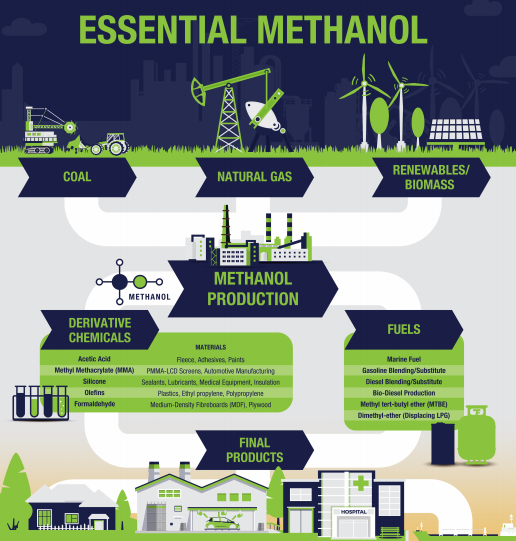
The evolving landscape of methanol fuel presents a complex but potentially rewarding financial picture. From individual investment opportunities to broad economic impacts, understanding the financial implications is crucial.
Investment Avenues: Fueling the Future
Investing in methanol fuel can take several forms:
- Direct Investment in Production: This involves investing in companies that are developing and scaling up green or blue methanol production facilities. This can be a higher-risk, higher-reward proposition, but with significant potential for growth as demand increases.
- Companies Utilizing Methanol: Investing in companies that are actively transitioning their fleets or operations to methanol power. This could include shipping companies, airlines, or industrial manufacturers.
- Technology Providers: Supporting companies that are developing the critical technologies for methanol production, storage, and utilization, such as advanced electrolyzers, carbon capture systems, or specialized engine designs.
- Renewable Energy Infrastructure: Since green methanol production relies heavily on renewable electricity, investing in solar, wind, or other renewable energy projects indirectly supports the methanol ecosystem.
The “online income” aspect might not be directly tied to methanol fuel for individuals in the traditional sense, but rather through broader market participation. However, opportunities exist in developing digital platforms or services that support the methanol industry, such as data analytics for production efficiency, supply chain management software, or educational resources about methanol.
Business Finance and Economic Growth
For businesses, methanol fuel presents opportunities for cost savings and new revenue streams. Companies that can produce or utilize methanol efficiently may gain a competitive edge. The development of a robust methanol economy could also lead to significant job creation in manufacturing, research and development, logistics, and infrastructure.
The transition to methanol fuel necessitates investment in new infrastructure, including production plants, storage facilities, and refueling stations. This, in turn, stimulates economic activity and creates demand for specialized engineering and construction services. Governments and international bodies are increasingly looking at methanol as a key component of their decarbonization strategies, which can lead to significant public investment and incentives for private sector involvement.
Personal Finance and Side Hustles
For individuals looking for “side hustles” related to methanol fuel, opportunities might arise in areas such as:
- Consulting: If you have expertise in chemistry, engineering, or sustainable energy, offering consulting services to businesses exploring methanol adoption.
- Content Creation: Developing educational content, articles, videos, or podcasts about methanol fuel for online platforms. This can generate income through advertising, sponsorships, or affiliate marketing.
- Investing in Related Funds: While direct investment in methanol companies might be for sophisticated investors, there might be ETFs or mutual funds that include companies involved in the broader hydrogen or renewable fuel sectors, which could offer a more accessible entry point.
The financial landscape of methanol fuel is dynamic, with evolving costs of production, regulatory frameworks, and market demand. Thorough research and due diligence are essential for anyone looking to participate financially in this emerging sector.
The Road Ahead: Challenges and Opportunities
While the prospects for methanol fuel are promising, its widespread adoption is not without its challenges.
Navigating the Technical and Infrastructure Hurdles
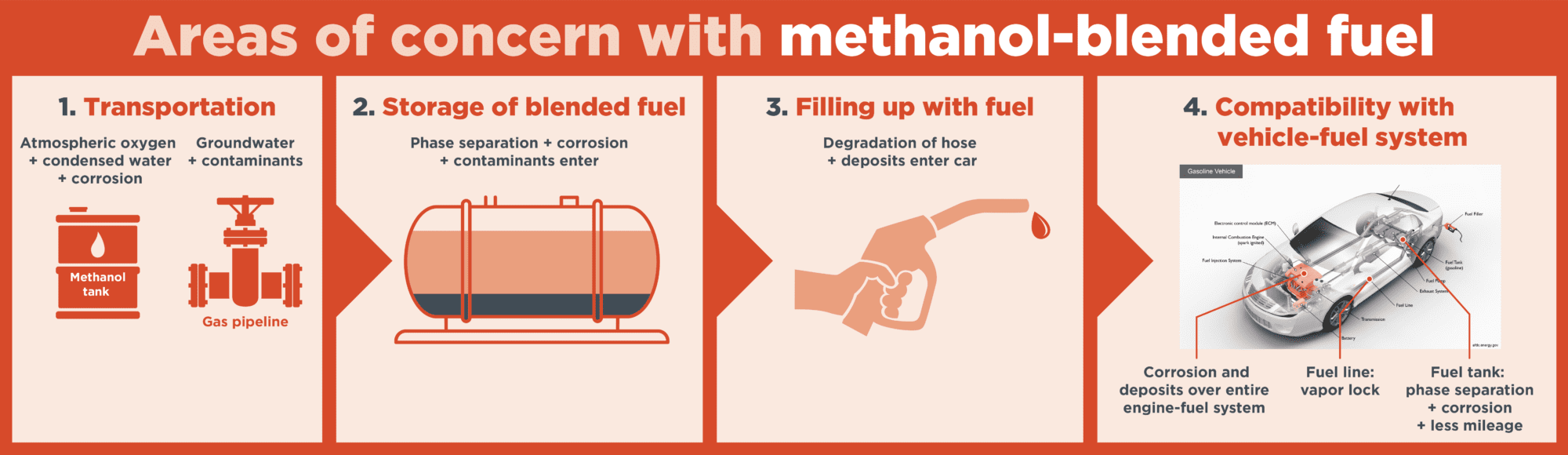
The primary technical hurdle for green methanol production is the cost and scalability of renewable hydrogen generation and CO2 capture. Developing efficient and affordable electrolyzers and robust CO2 capture technologies is paramount. Furthermore, the establishment of a comprehensive global infrastructure for methanol production, storage, and distribution will require significant investment and coordinated efforts.
Policy and Regulatory Support
Clear and consistent government policies are crucial to incentivize the production and adoption of methanol fuel. This includes carbon pricing mechanisms, subsidies for renewable production, and the establishment of international standards for methanol fuel quality and safety. Without strong policy backing, the economic viability of methanol can be undermined by the continued dominance of established fossil fuels.
Public Perception and Education
Public understanding and acceptance of methanol fuel are also important. Educating consumers and industries about its benefits, safety, and environmental advantages will be key to overcoming any potential skepticism. This ties back to the branding and marketing efforts that will be essential in shaping the narrative around methanol.
Despite these challenges, the momentum behind methanol fuel is undeniable. Its versatility, coupled with the growing urgency to decarbonize the global economy, positions it as a fuel of the future. As technology advances, production costs decrease, and policy support strengthens, methanol fuel is poised to play a significant role in shaping a cleaner and more sustainable energy landscape. The confluence of technological innovation, strategic branding opportunities, and evolving financial landscapes makes methanol fuel a sector worth watching closely.
aViewFromTheCave is a participant in the Amazon Services LLC Associates Program, an affiliate advertising program designed to provide a means for sites to earn advertising fees by advertising and linking to Amazon.com. Amazon, the Amazon logo, AmazonSupply, and the AmazonSupply logo are trademarks of Amazon.com, Inc. or its affiliates. As an Amazon Associate we earn affiliate commissions from qualifying purchases.