
Methamphetamine, a potent and highly addictive stimulant, can have devastating consequences on an individual’s life. While the immediate euphoria and energy boost it provides are intensely sought after, the subsequent withdrawal period is a stark and often agonizing reality that many users face. This article delves into what meth withdrawal is like, exploring the multifaceted physical and psychological challenges that arise when the body and mind are deprived of this powerful drug. Understanding these symptoms is crucial for individuals struggling with addiction, their loved ones, and healthcare professionals aiming to provide effective support and treatment.
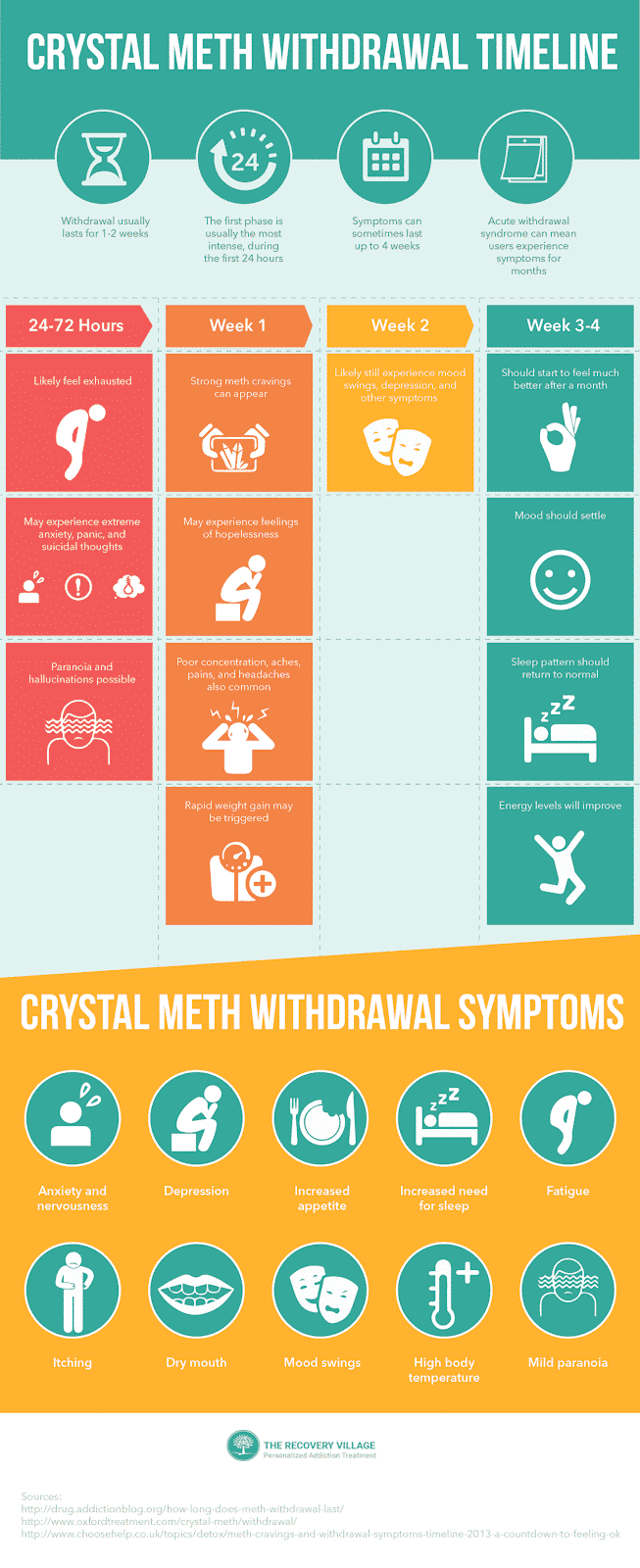
The journey through meth withdrawal is not a singular experience; it is a dynamic and often brutal process that can manifest in a spectrum of symptoms. These symptoms can vary in intensity and duration depending on factors such as the duration and frequency of meth use, the individual’s overall health, and their personal biology. However, certain core experiences are commonly reported, painting a grim picture of what it means to be physically and psychologically dependent on methamphetamine.
The Unraveling Body: Physical Manifestations of Meth Withdrawal
One of the most immediate and unsettling aspects of meth withdrawal is the profound disruption to the body’s systems. After prolonged use, the brain’s natural production of dopamine, the neurotransmitter associated with pleasure, motivation, and reward, becomes significantly impaired. Methamphetamine artificially floods the brain with dopamine, leading to an intense, albeit temporary, sense of euphoria. When the drug is stopped, the depleted dopamine levels can trigger a cascade of uncomfortable and often painful physical symptoms.
The Crushing Weight of Fatigue and Lethargy
Perhaps the most pervasive physical symptom is an overwhelming sense of fatigue and lethargy. The stimulant effects of meth keep the body in a hyper-aroused state, burning through energy reserves at an accelerated rate. Once the drug is removed, the body’s response is to rebound into a state of extreme exhaustion. Individuals may find themselves unable to get out of bed, struggling with even the simplest tasks. This profound lack of energy is not just a feeling of tiredness; it can be a debilitating physical condition that makes engaging with life outside of the withdrawal experience feel impossible.
The Agony of Muscle Aches and Pains
Beyond the sheer lack of energy, many individuals report experiencing significant muscle aches and pains. The body, accustomed to the heightened physical activity and suppressed pain signals that meth can provide, can react to its absence with widespread discomfort. These can range from dull, persistent aches in the limbs to sharp, shooting pains. The inability to find a comfortable position can exacerbate sleep disturbances, further compounding the overall misery of the withdrawal process.
The Unseen Battles: Gastrointestinal Distress and Appetite Changes
Methamphetamine significantly impacts the digestive system. Users may experience appetite suppression during active use, leading to weight loss and nutritional deficiencies. Upon withdrawal, this can often flip to the opposite extreme. Some individuals report intense cravings for food and a ravenous appetite, while others may continue to struggle with nausea and vomiting, making it difficult to maintain adequate nutrition. This gastrointestinal distress can add another layer of physical discomfort and make it harder for the body to begin healing.
Other Physical Hallmarks: Headaches, Sweating, and Tremors
Headaches are another common complaint, often described as throbbing and persistent. The body’s struggle to rebalance its neurochemistry can manifest in various ways, including excessive sweating, even in cool environments, and noticeable tremors or shaking, particularly in the hands. These physical symptoms, while perhaps less immediately life-threatening than some other withdrawal effects, contribute significantly to the overall distress and discomfort experienced by individuals going through meth withdrawal.
The Descent into Darkness: Psychological and Emotional Turmoil
While the physical symptoms of meth withdrawal are undeniably challenging, the psychological and emotional toll can be even more profound and, for some, more dangerous. The disruption to brain chemistry, particularly concerning dopamine and serotonin, can lead to a range of severe mood disturbances and cognitive impairments.
The Shadow of Depression and Anhedonia
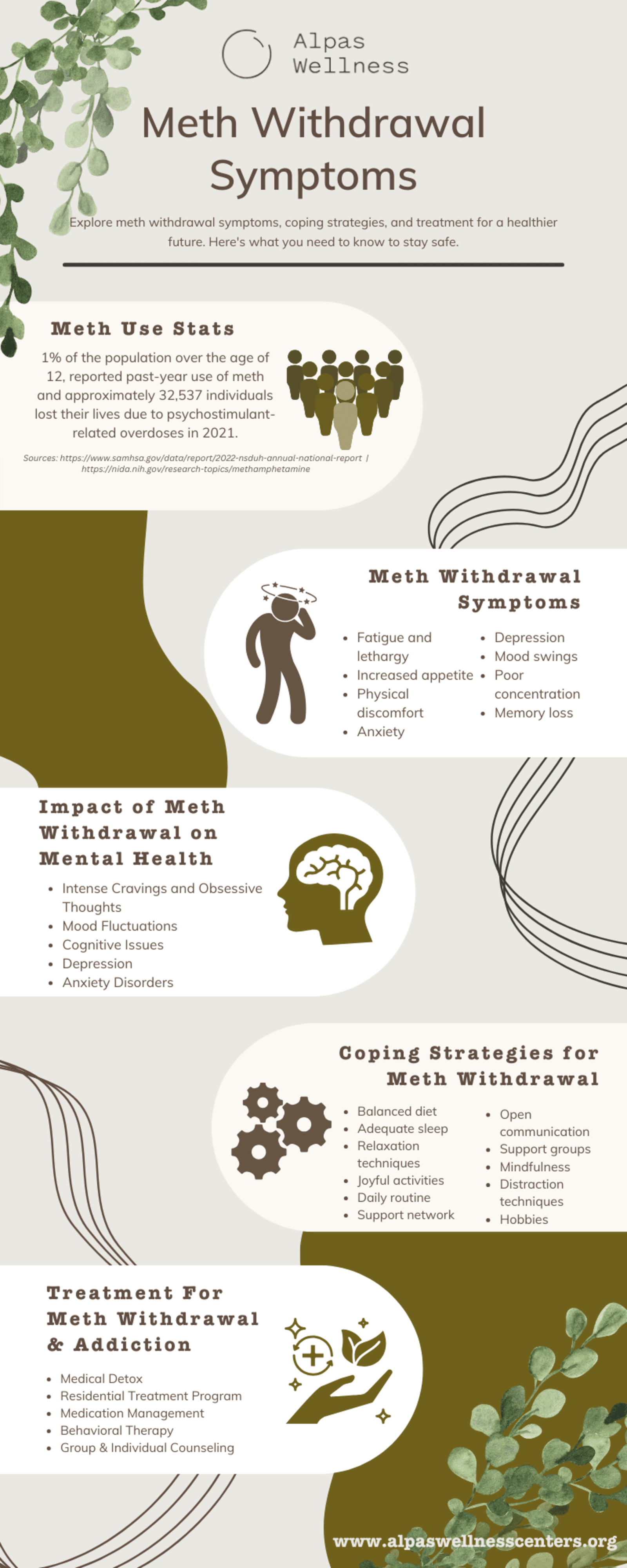
One of the most prevalent and severe psychological symptoms is profound depression. The absence of the artificial dopamine surge can leave individuals feeling utterly hopeless, empty, and devoid of any pleasure. This state of anhedonia, the inability to experience enjoyment, can be crushing. Everyday activities that once brought a sense of satisfaction now feel meaningless. The overwhelming sadness and despair can be difficult to overcome, making individuals vulnerable to suicidal thoughts and behaviors.
The Fiery Grip of Anxiety and Irritability
Alongside depression, anxiety and irritability are often intense during meth withdrawal. The body and mind are in a state of shock, and this can manifest as heightened nervousness, restlessness, and an overwhelming sense of unease. Individuals may become easily agitated, snapping at loved ones or experiencing panic attacks. This emotional volatility can strain relationships and make it challenging for individuals to seek or accept support.
The Haunting Echoes: Cravings and Intense Psychological Dependence
The psychological dependence on methamphetamine is incredibly powerful. Even after the acute physical symptoms begin to subside, the intense cravings for the drug can persist for weeks, months, or even longer. These cravings are often triggered by environmental cues, stress, or negative emotions, making relapse a constant threat. The memory of the drug’s intense effects can be a powerful psychological lure, making it incredibly difficult for individuals to resist the urge to use again, even when aware of the devastating consequences.
Cognitive Fog and Impaired Functioning
Methamphetamine use can also impair cognitive functions, and these deficits can be exacerbated during withdrawal. Individuals may experience difficulty concentrating, problems with memory, and slowed thinking. This “brain fog” can make it challenging to engage in rational thought processes, problem-solve, or make sound decisions, further complicating the process of recovery and reintegration into daily life.
Navigating the Storm: The Importance of Support and Treatment
The experience of meth withdrawal is a deeply distressing and potentially dangerous period. It is crucial to recognize that enduring these symptoms alone is not only incredibly difficult but can also increase the risk of relapse and further harm. Therefore, seeking professional help and robust support systems is paramount.
The Role of Medical Detoxification
For many, the initial phase of withdrawal is best managed under medical supervision. Detoxification facilities offer a safe and controlled environment where individuals can be monitored by healthcare professionals. This allows for the management of severe physical symptoms, such as dehydration, nausea, and seizures, and can provide medication to alleviate some of the more intense psychological distress, like anxiety and depression. Medical detox provides a crucial foundation for recovery, ensuring the individual is medically stable before moving on to longer-term treatment.
The Pillars of Long-Term Recovery: Therapy and Aftercare
Once the acute withdrawal phase has passed, the focus shifts to long-term recovery. This typically involves a combination of therapies designed to address the underlying causes of addiction and equip individuals with the coping mechanisms needed to prevent relapse.
- Individual Therapy: This allows individuals to explore their personal history, identify triggers, and develop strategies for managing cravings and difficult emotions. Cognitive Behavioral Therapy (CBT) and Dialectical Behavior Therapy (DBT) are often effective in helping individuals change their thought patterns and behaviors.
- Group Therapy and Support Groups: Sharing experiences with others who are on a similar journey can be incredibly validating and empowering. Support groups like Narcotics Anonymous (NA) provide a sense of community and ongoing accountability.
- Family Therapy: Addiction impacts not just the individual but also their loved ones. Family therapy can help mend damaged relationships, improve communication, and create a supportive home environment for recovery.
- Aftercare Programs: Relapse prevention is a lifelong commitment. Aftercare programs offer continued support through outpatient services, sober living houses, and regular check-ins, ensuring that individuals have a safety net as they navigate the challenges of maintaining sobriety.
Conclusion: A Glimpse into the Struggle, A Beacon of Hope
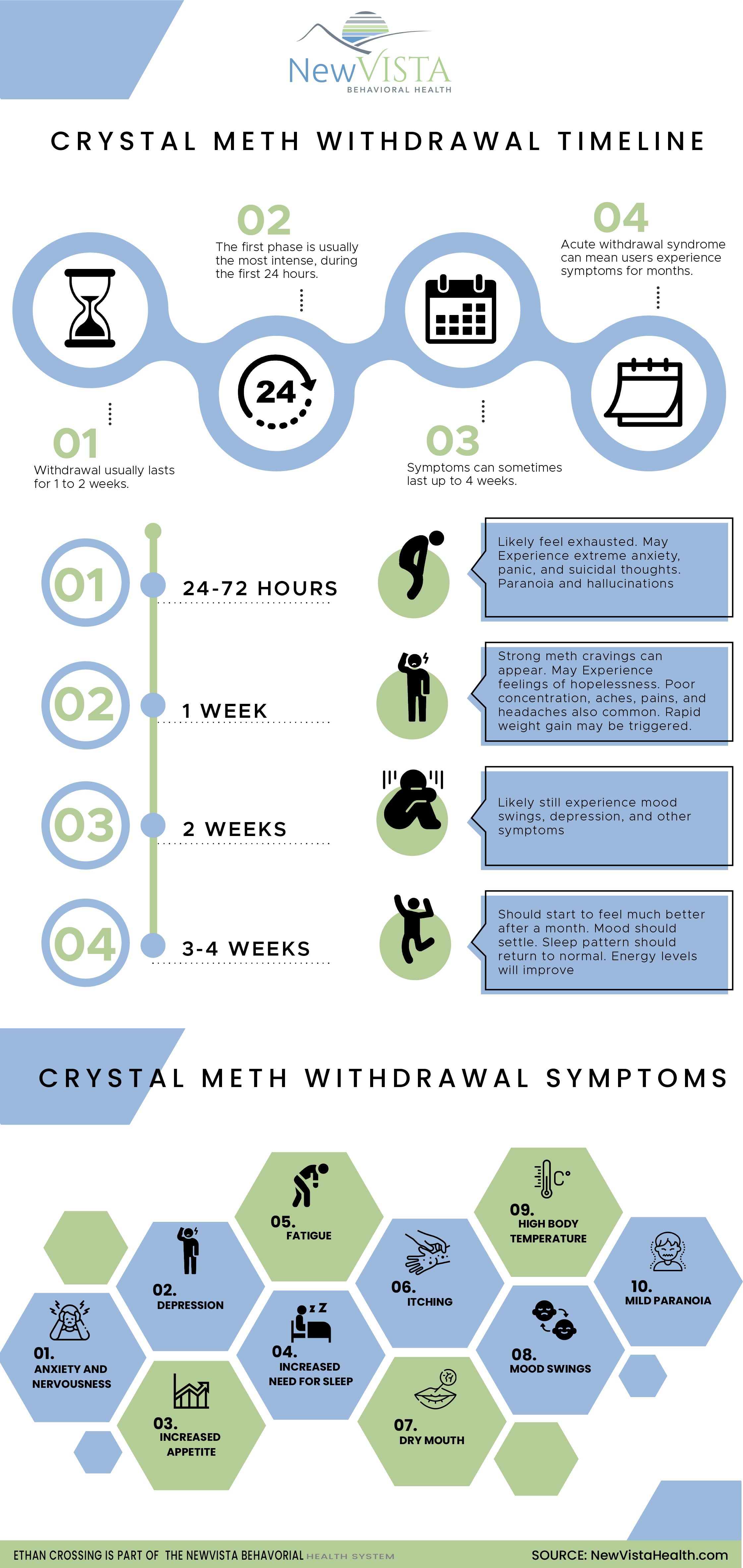
What is meth withdrawal like? It is a stark and painful confrontation with the body’s and mind’s desperate plea for balance after being subjected to the relentless assault of methamphetamine. It is characterized by debilitating physical exhaustion, agonizing aches, and profound emotional distress, including crushing depression, searing anxiety, and persistent cravings. However, while the journey through meth withdrawal is arduous, it is not insurmountable. With the right support, professional medical care, and a commitment to long-term recovery, individuals can emerge from the darkness of addiction and reclaim their lives. Understanding the realities of meth withdrawal is the first step towards offering compassion, facilitating access to crucial resources, and ultimately, fostering a path towards healing and sustained sobriety.
aViewFromTheCave is a participant in the Amazon Services LLC Associates Program, an affiliate advertising program designed to provide a means for sites to earn advertising fees by advertising and linking to Amazon.com. Amazon, the Amazon logo, AmazonSupply, and the AmazonSupply logo are trademarks of Amazon.com, Inc. or its affiliates. As an Amazon Associate we earn affiliate commissions from qualifying purchases.