
The term “maida” might sound familiar to anyone with an interest in South Asian cuisine. It’s a staple ingredient, the foundation of countless flatbreads, pastries, and fried delicacies. But when venturing into English-language discussions about cooking, baking, or even international food trends, the question arises: what exactly is maida called in English? This seemingly simple query opens a door to understanding ingredient equivalencies, the nuances of flour types, and even touches upon the broader themes of globalization and the sharing of culinary knowledge – themes that resonate with the core topics of technology, branding, and money.
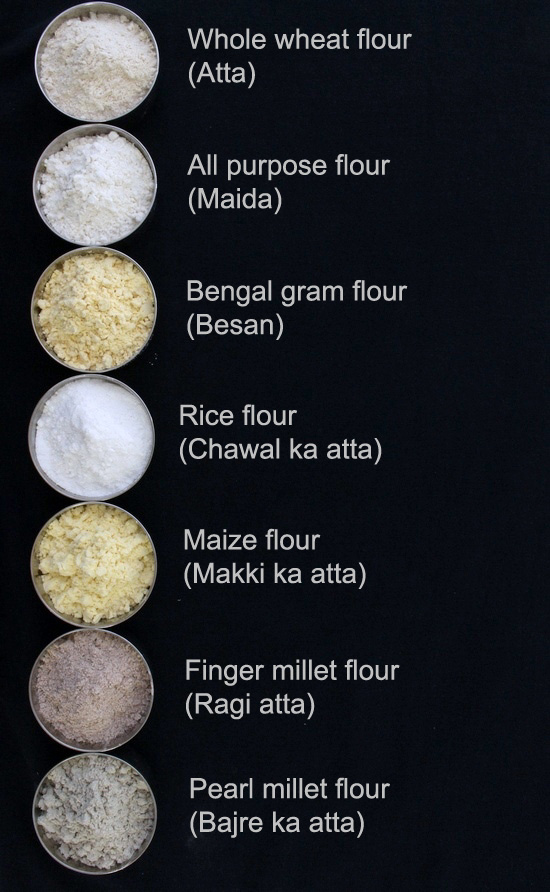
While there isn’t a single, universally agreed-upon English word that perfectly encapsulates “maida” in every context, the most common and accurate translation is refined wheat flour. This might seem straightforward, but delving deeper reveals the importance of understanding why it’s refined and what that signifies in the world of baking and cooking.
The Essence of Maida: Refined Wheat Flour Explained
At its heart, maida is a type of flour made from wheat. However, its distinctive characteristics come from the refining process it undergoes. In the production of maida, the wheat grain is typically subjected to a milling process that removes the bran and germ, leaving behind primarily the starchy endosperm. This results in a flour that is very fine, white, and low in fiber content.
Understanding the Refining Process: Bran, Germ, and the Endosperm
To truly grasp what maida is, it’s crucial to understand the components of a wheat kernel:
- Bran: This is the outer layer of the wheat grain. It’s rich in fiber, B vitamins, and minerals. In the production of maida, the bran is meticulously removed.
- Germ: This is the embryo of the wheat plant, containing nutrients like healthy fats, vitamins, and minerals. Like the bran, the germ is also removed during the maida-making process.
- Endosperm: This is the starchy, nutrient-rich inner part of the wheat kernel. It’s the primary source of carbohydrates in the wheat grain and is what remains after the bran and germ are removed. The endosperm is then finely ground to produce maida.
The removal of the bran and germ is what gives maida its characteristic white color and its soft, silky texture. This refining process also impacts its gluten content and baking properties.
Gluten’s Role: The Elasticity of Maida
One of the key factors contributing to maida’s popularity in certain cuisines is its gluten content. While the exact gluten percentage can vary depending on the type of wheat used, maida generally possesses a moderate to high gluten content. Gluten is a protein that forms an elastic network when flour is mixed with water and kneaded. This network traps gases produced during fermentation (like in bread making) and gives baked goods their structure and chewiness.
The refined nature of maida, with the bran and germ removed, means that the gluten proteins are more readily accessible and can develop their elastic properties effectively. This is why maida is ideal for creating pliable doughs that can be stretched thin, as is often required for rotis, parathas, and puris.
English Equivalents and Nuances: Beyond “Refined Wheat Flour”
While “refined wheat flour” is the most accurate translation, depending on the specific context and the type of cuisine being discussed, other English terms might be used, or further clarification might be helpful.
All-Purpose Flour vs. Maida: A Subtle Distinction

In many Western countries, all-purpose flour is the closest readily available equivalent to maida. However, there are some subtle differences to consider. All-purpose flour is typically made from a blend of hard and soft wheat, aiming for a balance of protein content. This makes it versatile for a wide range of baking applications, from cookies to cakes to bread.
Maida, on the other hand, is often milled from softer varieties of wheat, or the processing might be geared towards a higher extraction rate of the endosperm, resulting in a finer texture and a specific gluten profile that is particularly suited for South Asian flatbreads. While you can often substitute all-purpose flour for maida in many recipes with reasonable success, experienced bakers or cooks might notice slight textural differences in the final product. For instance, breads made with maida might have a slightly different crumb or chew compared to those made with all-purpose flour.
Cake Flour and Bread Flour: Other Wheat Flour Varieties
It’s important to distinguish maida from other common types of wheat flour found in English-speaking markets:
- Cake Flour: This flour is milled from soft wheat and has a very low protein content (typically 7-9%). It’s designed to produce tender, delicate baked goods like cakes and pastries. Maida, with its higher gluten potential, is not suitable for creating the same delicate crumb as cake flour.
- Bread Flour: This flour is milled from hard wheat and has a high protein content (typically 12-14%). This high gluten content is ideal for developing strong dough structures needed for chewy breads and pizzas. While maida has a good gluten content, bread flour’s higher protein makes it even more suitable for yeast-leavened breads requiring significant rise and structure.
Therefore, when looking for maida in an English-speaking context, “refined wheat flour” is the most precise term. If you’re using it in a recipe that calls for it, and all-purpose flour is the only readily available option, it will likely work, but be aware of potential minor variations.
The “Maida” Question in a Globalized Culinary Landscape
The question of “what is maida called in English” is more than just a culinary query; it reflects the interconnectedness of our globalized world and the increasing accessibility of diverse cuisines. As food trends and recipes travel across borders, understanding ingredient equivalencies becomes paramount.
Technology and Culinary Knowledge Sharing
In today’s digital age, technology plays a pivotal role in bridging these culinary gaps. Online recipe databases, food blogs, and social media platforms allow home cooks and professional chefs alike to share their knowledge and discoveries. When someone encounters a recipe from South Asia that calls for maida, they can easily search for its English equivalent. This ease of access to information empowers individuals to experiment with new dishes and broaden their culinary horizons. AI-powered translation tools and vast online encyclopedias also contribute significantly to this knowledge dissemination, making global cuisine more approachable than ever before.
Branding and the Global Palate
The branding of food products also influences how these terms are understood. As South Asian ingredients become more widely available in international supermarkets, their packaging might sometimes include English translations or descriptions. However, the original term “maida” is often retained, especially if the brand aims to cater to a diaspora or a niche market seeking authentic ingredients. This highlights the power of branding in preserving culinary heritage while also acknowledging the need for clear communication in a global market. The success of a brand in introducing a specific ingredient to a new audience often hinges on its ability to educate consumers about its properties and uses, which in turn relies on clear and accessible language.
Financial Implications: Sourcing and Cost
From a financial perspective, understanding ingredient equivalencies can also have implications for home cooks and small businesses. The cost of specific flours can vary, and knowing if a more readily available and potentially cheaper flour can be substituted can be a significant consideration. For example, if maida is expensive or difficult to source in a particular region, knowing that all-purpose flour is a viable alternative can make a recipe more accessible and economically feasible. For businesses looking to import or export ingredients, precise terminology and understanding of local product names are crucial for customs, labeling, and marketing. This intersects with the “Money” pillar, where smart sourcing and ingredient management can impact profitability.
Conclusion: Bridging the Culinary Divide
In summary, while “maida” translates most accurately to refined wheat flour in English, understanding its characteristics – its fineness, its low fiber content, and its moderate to high gluten – is key. This knowledge allows for informed substitutions and a deeper appreciation of its role in various culinary traditions. The question of what maida is called in English serves as a microcosm of the broader trends in our interconnected world: the power of technology to facilitate knowledge sharing, the strategic importance of branding in a globalized market, and the practical financial considerations that influence our choices in the kitchen. By demystifying terms like “maida,” we not only expand our culinary repertoire but also gain a greater understanding of the diverse and delicious ways in which food connects us all.
aViewFromTheCave is a participant in the Amazon Services LLC Associates Program, an affiliate advertising program designed to provide a means for sites to earn advertising fees by advertising and linking to Amazon.com. Amazon, the Amazon logo, AmazonSupply, and the AmazonSupply logo are trademarks of Amazon.com, Inc. or its affiliates. As an Amazon Associate we earn affiliate commissions from qualifying purchases.