
The human liver, a powerhouse organ, plays a crucial role in countless bodily functions, from detoxification and metabolism to producing essential proteins. While we often focus on its functional aspects, its physical size is a significant indicator of its health and can reveal underlying issues. In a world increasingly shaped by technology, where digital tools and data analytics are revolutionizing healthcare, understanding fundamental biological markers like liver size is more important than ever. This article will delve into what constitutes a normal liver size, how it can be assessed, and what variations might signify, all within the context of our modern, tech-infused lives.
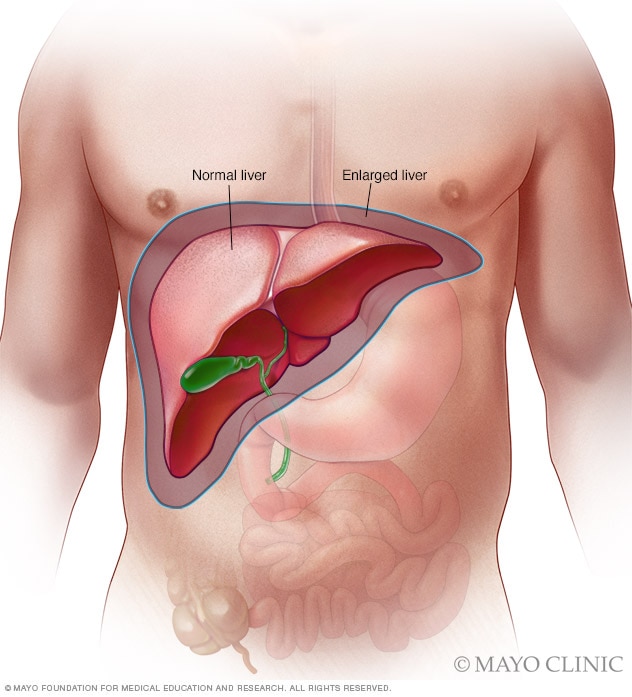
The notion of “liver size” might seem straightforward, but it’s a nuanced metric that requires careful consideration. It’s not a static measurement but can fluctuate due to a variety of factors, including age, sex, body composition, and, importantly, the presence of disease. For individuals, understanding these variations can be the first step towards proactive health management. For brands in the health tech sector, this fundamental knowledge informs the development of diagnostic tools and personalized health platforms. For those navigating the financial landscape of healthcare, recognizing the implications of liver size can guide investment in preventative care and health-related technologies.
The Normal Liver: A Biological Baseline
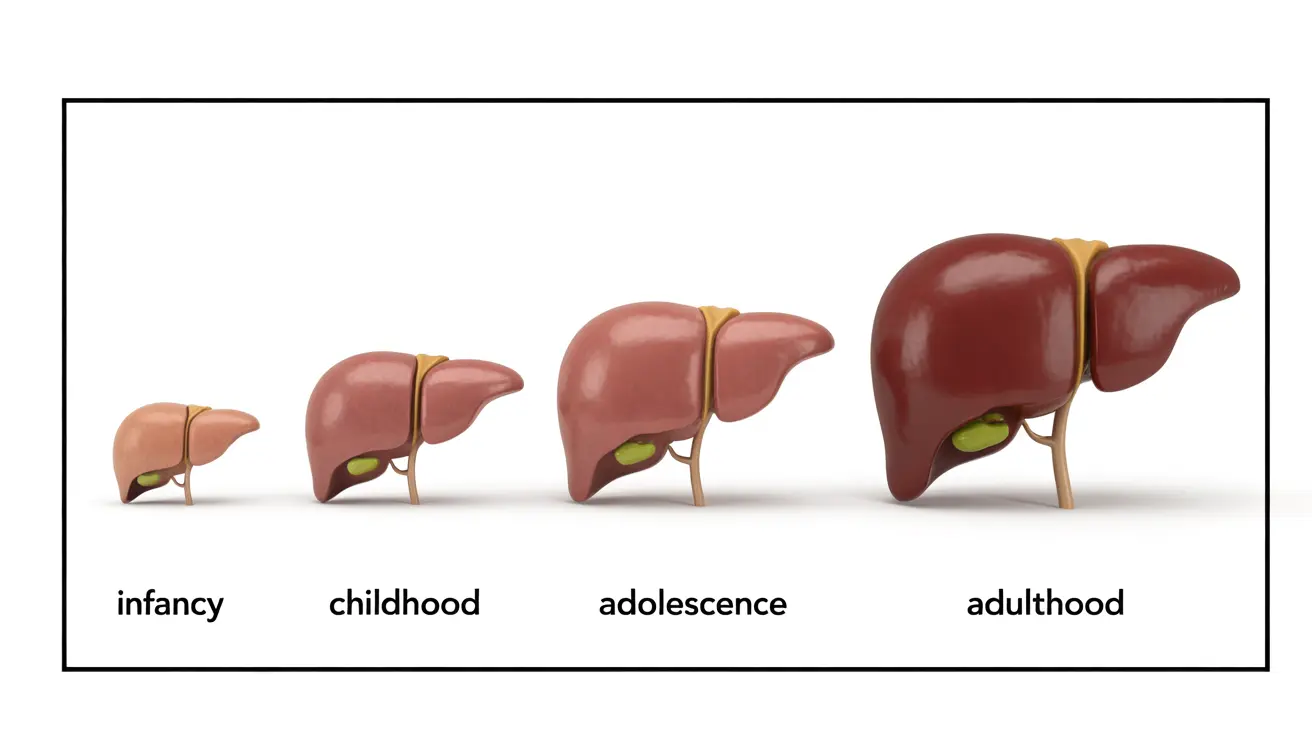
The liver is the largest solid organ in the human body, typically weighing around 3 pounds (about 1.5 kilograms) in adults. Its dimensions can vary, but generally, a healthy liver in an adult will measure approximately 10-15 centimeters (4-6 inches) in the midclavicular line, which is an imaginary vertical line running down the middle of the chest from the clavicle (collarbone). The right lobe is larger than the left.
Factors Influencing Liver Size
It’s crucial to understand that a “normal” liver size isn’t a rigid, one-size-fits-all number. Several physiological factors can influence its dimensions:
- Age: The liver grows with the body. While the adult measurement is well-established, the liver in children will naturally be smaller.
- Sex: Generally, men tend to have slightly larger livers than women, which is often attributed to differences in body mass and composition.
- Body Size and Weight: Taller and heavier individuals may have proportionally larger livers. However, this doesn’t mean that obesity directly causes liver enlargement; rather, it’s an association with overall body mass.
- Genetics: Individual genetic makeup can play a role in determining baseline organ size.
How Liver Size is Assessed: From Palpation to Pixels
The assessment of liver size has evolved significantly, mirroring advancements in medical technology.
Physical Examination and Palpation
Historically, and still as a primary screening tool, physicians assess liver size through physical examination. This involves palpation, where the doctor gently presses on the abdomen to feel for the edge of the liver. Normally, the liver edge should be smooth, firm, and just below the rib cage. If the liver is enlarged (hepatomegaly) and can be felt significantly below the ribs, it can indicate an underlying issue. This traditional method, though reliant on skilled touch, is often the first step in identifying potential problems.
Imaging Techniques: Visualizing the Invisible
Modern medicine relies heavily on advanced imaging techniques to precisely measure and evaluate liver size and structure. These technologies provide objective data that complements or surpasses physical examination.
Ultrasound: The Accessible Window
Abdominal ultrasound is a non-invasive, widely accessible, and cost-effective imaging modality. It uses high-frequency sound waves to create images of internal organs. For liver size assessment, ultrasound can accurately measure the dimensions of the liver lobes and identify any gross enlargements or abnormalities in its echotexture. This makes it an invaluable tool for routine screenings and follow-up examinations.
CT Scans and MRI: High-Resolution Detail
Computed Tomography (CT) scans and Magnetic Resonance Imaging (MRI) offer even more detailed visualizations of the liver. These technologies utilize X-rays (CT) or strong magnetic fields and radio waves (MRI) to produce cross-sectional images of the body. They are superior in detecting subtle changes in liver size, shape, and internal structure, as well as identifying the causes of enlargement such as tumors, cysts, or fatty infiltration. These advanced techniques are crucial for diagnosis and treatment planning.
Liver Function Tests: Complementary Biochemical Insights
While imaging techniques provide anatomical data, liver function tests (LFTs) offer biochemical insights into how well the liver is working. These blood tests measure levels of various enzymes and proteins produced by the liver. Abnormal LFTs, in conjunction with changes in liver size, can help pinpoint specific liver conditions. For instance, elevated liver enzymes might indicate inflammation or damage, which could be contributing to liver enlargement.
When Liver Size Deviates: Signs of Hepatomegaly
An enlarged liver, medically termed hepatomegaly, is not a disease in itself but rather a symptom of an underlying condition. Identifying the cause of hepatomegaly is paramount for effective treatment.
Common Causes of Liver Enlargement
A multitude of factors can lead to an enlarged liver, ranging from reversible conditions to chronic diseases.
- Fatty Liver Disease (Steatosis): This is one of the most common causes of hepatomegaly, particularly in Western societies. It occurs when excess fat accumulates in the liver cells. There are two main types: alcoholic fatty liver disease (related to heavy alcohol consumption) and non-alcoholic fatty liver disease (NAFLD), which is often associated with obesity, diabetes, high cholesterol, and metabolic syndrome. NAFLD can progress to more serious conditions like non-alcoholic steatohepatitis (NASH), fibrosis, cirrhosis, and liver cancer.
- Viral Hepatitis: Infections with hepatitis viruses (Hepatitis A, B, C, D, and E) can cause inflammation and swelling of the liver. Chronic hepatitis B and C are significant causes of liver damage and enlargement that can lead to long-term complications.
- Cirrhosis: This is a late stage of scarring (fibrosis) of the liver caused by various forms of liver diseases and conditions, such as chronic alcoholism and chronic hepatitis. While the liver may initially enlarge, in advanced stages, it often shrinks.
- Cancer: Primary liver cancer (hepatocellular carcinoma) or metastatic cancer that has spread to the liver from other parts of the body can cause significant enlargement.
- Heart Failure: Congestive heart failure can lead to liver congestion, where blood backs up in the liver, causing it to enlarge. This is often referred to as “congestive hepatopathy.”
- Genetic Disorders: Certain inherited conditions can affect the liver and lead to enlargement. Examples include hemochromatosis (excess iron storage) and Wilson’s disease (excess copper accumulation).
- Autoimmune Diseases: Autoimmune hepatitis, where the body’s immune system attacks its own liver cells, can cause inflammation and enlargement.
- Bile Duct Obstruction: Blockages in the bile ducts can lead to a buildup of bile in the liver, causing it to swell.
Symptoms Associated with an Enlarged Liver
While an enlarged liver might not always cause noticeable symptoms, especially in its early stages, several signs can indicate its presence and the underlying cause.
- Abdominal Pain or Discomfort: A swollen liver can press on other organs and tissues, leading to a dull ache or a feeling of fullness in the upper right abdomen.
- Fatigue: Feeling unusually tired and lacking energy is a common symptom of various liver diseases.
- Jaundice: This is a yellowing of the skin and the whites of the eyes, caused by a buildup of bilirubin in the blood, a substance produced when red blood cells break down. Jaundice is a clear indicator of impaired liver function.
- Nausea and Vomiting: These can occur due to pressure on the digestive system or as a general symptom of liver dysfunction.
- Loss of Appetite and Unexplained Weight Loss: Advanced liver disease can lead to a reduced appetite and unintended weight loss.
- Swelling in the Legs and Ankles (Edema): Impaired liver function can affect the body’s ability to produce albumin, a protein that helps keep fluid in the bloodstream. This can lead to fluid leakage into tissues, causing swelling.
- Easy Bruising and Bleeding: The liver produces proteins essential for blood clotting. When its function is compromised, individuals may bruise or bleed more easily.
The Role of Technology in Liver Health Monitoring
In today’s interconnected world, technology is playing an increasingly vital role in how we understand, monitor, and manage our health, including liver health. From AI-powered diagnostic tools to wearable health trackers, the landscape of healthcare is being reshaped.
AI and Machine Learning in Liver Disease Detection
Artificial intelligence (AI) and machine learning (ML) are emerging as powerful allies in the fight against liver disease. These technologies can analyze vast datasets of medical images (ultrasound, CT, MRI), patient records, and genetic information to identify patterns and predict risks with remarkable accuracy.
- Image Analysis: AI algorithms can be trained to detect subtle signs of liver abnormalities in medical scans that might be missed by the human eye. This can lead to earlier diagnosis of conditions like fatty liver disease, fibrosis, and even early-stage liver cancer.
- Predictive Analytics: By analyzing patient data, AI can help predict an individual’s risk of developing liver disease based on factors like lifestyle, genetics, and existing medical conditions. This enables personalized preventative strategies.
- Drug Discovery and Development: AI is also accelerating the development of new treatments for liver diseases by analyzing molecular data and predicting drug efficacy.
Wearable Technology and Remote Monitoring
Wearable devices, such as smartwatches and fitness trackers, are no longer just for counting steps. They are evolving into sophisticated health monitoring tools. While direct liver size measurement isn’t yet a feature, these devices can track vital signs and biomarkers that are indicative of overall health and potential liver issues.
- Activity and Sleep Tracking: Consistent monitoring of activity levels and sleep patterns can provide insights into overall well-being, which can be indirectly linked to liver health.
- Heart Rate and Blood Pressure Monitoring: Irregularities in these vital signs can sometimes be associated with underlying health conditions that affect the liver, such as heart failure.
- Biomarker Sensing (Emerging): Future iterations of wearable technology may incorporate sensors capable of detecting certain liver-related biomarkers non-invasively, offering a new paradigm for continuous health monitoring.
Digital Health Platforms and Personalized Care
The proliferation of digital health platforms and apps is empowering individuals to take a more active role in their health management. These platforms can:
- Integrate Health Data: Consolidate information from various sources, including wearable devices, electronic health records, and self-reported data, to provide a comprehensive view of an individual’s health.
- Provide Health Education: Offer accessible information about liver health, risk factors, and preventative measures, demystifying complex medical topics.
- Facilitate Remote Consultations: Connect patients with healthcare providers for virtual appointments, making healthcare more accessible, especially for those in remote areas or with mobility issues.
- Support Lifestyle Modifications: Offer personalized coaching and tracking tools for diet, exercise, and other lifestyle changes that are crucial for managing or preventing liver diseases.
Financial Implications and Brand Strategies in Liver Health
The increasing awareness of liver health and the advancements in its diagnosis and treatment have significant financial implications and present opportunities for brand strategies.
Investing in Liver Health: A Personal and Corporate Perspective
From a personal finance standpoint, understanding the risks associated with liver disease underscores the importance of investing in preventative care. This includes maintaining a healthy weight, moderating alcohol intake, adopting a balanced diet, and staying up-to-date with medical check-ups. For individuals, this translates to potentially lower healthcare costs in the long run.
Corporately, the health tech sector sees liver health as a growing market. Companies that develop innovative diagnostic tools, treatment platforms, or digital health solutions for liver diseases are attracting significant investment. This includes:
- AI-driven diagnostic software: Companies focusing on AI for faster and more accurate detection of liver conditions.
- Non-invasive diagnostic devices: Innovations that reduce the need for invasive procedures.
- Digital therapeutics: Software-based interventions for managing chronic liver conditions.

Brand Strategy: Building Trust in Health Tech
For brands operating in the health tech and wellness space, building trust is paramount. When it comes to health information and tools, particularly concerning sensitive organs like the liver, consumers need to feel confident in the accuracy and reliability of the information and products they are using.
- Transparency and Evidence-Based Information: Brands should prioritize providing clear, scientifically backed information about liver health. This includes detailing the technology behind their products and the clinical evidence supporting their claims.
- Personalization and User Experience: Developing intuitive and user-friendly platforms that cater to individual needs and offer personalized health insights is crucial. This fosters engagement and encourages consistent use.
- Partnerships and Credibility: Collaborating with reputable medical institutions, healthcare professionals, and research organizations can enhance a brand’s credibility and demonstrate a commitment to advancing liver health.
- Focus on Prevention and Empowerment: Brands that empower individuals with the knowledge and tools to proactively manage their liver health are more likely to resonate with consumers seeking long-term well-being. This includes offering resources on healthy lifestyle choices and early detection strategies.
In conclusion, understanding liver size is a fundamental aspect of comprehending liver health. As technology continues to weave itself into the fabric of our lives, it offers unprecedented opportunities to monitor, diagnose, and manage liver conditions more effectively. From the fundamental palpation by a physician to the sophisticated algorithms of AI analyzing medical scans, our approach to liver health is becoming increasingly data-driven and personalized. By embracing these technological advancements and maintaining a proactive approach to our well-being, we can navigate the complexities of liver health with greater confidence and build a healthier future.
aViewFromTheCave is a participant in the Amazon Services LLC Associates Program, an affiliate advertising program designed to provide a means for sites to earn advertising fees by advertising and linking to Amazon.com. Amazon, the Amazon logo, AmazonSupply, and the AmazonSupply logo are trademarks of Amazon.com, Inc. or its affiliates. As an Amazon Associate we earn affiliate commissions from qualifying purchases.