
The roar of engines, the screech of tires, and the enduring question of vehicular identity – the Fast & Furious franchise is synonymous with iconic cars. Among the ensemble of automotive stars, Letty Ortiz’s rides have often mirrored her fiery spirit and rebellious nature. In Fast & Furious 6, her return from presumed death was as explosive as the stunts she performed, and the car she piloted was no exception. This article delves into the world of Letty’s iconic vehicle in Fast & Furious 6, exploring its significance within the film’s narrative, its technical prowess, and the broader implications of automotive choices in a brand-driven cinematic universe.

The Return of a Legend: Letty’s Automotive Identity in Fast & Furious 6
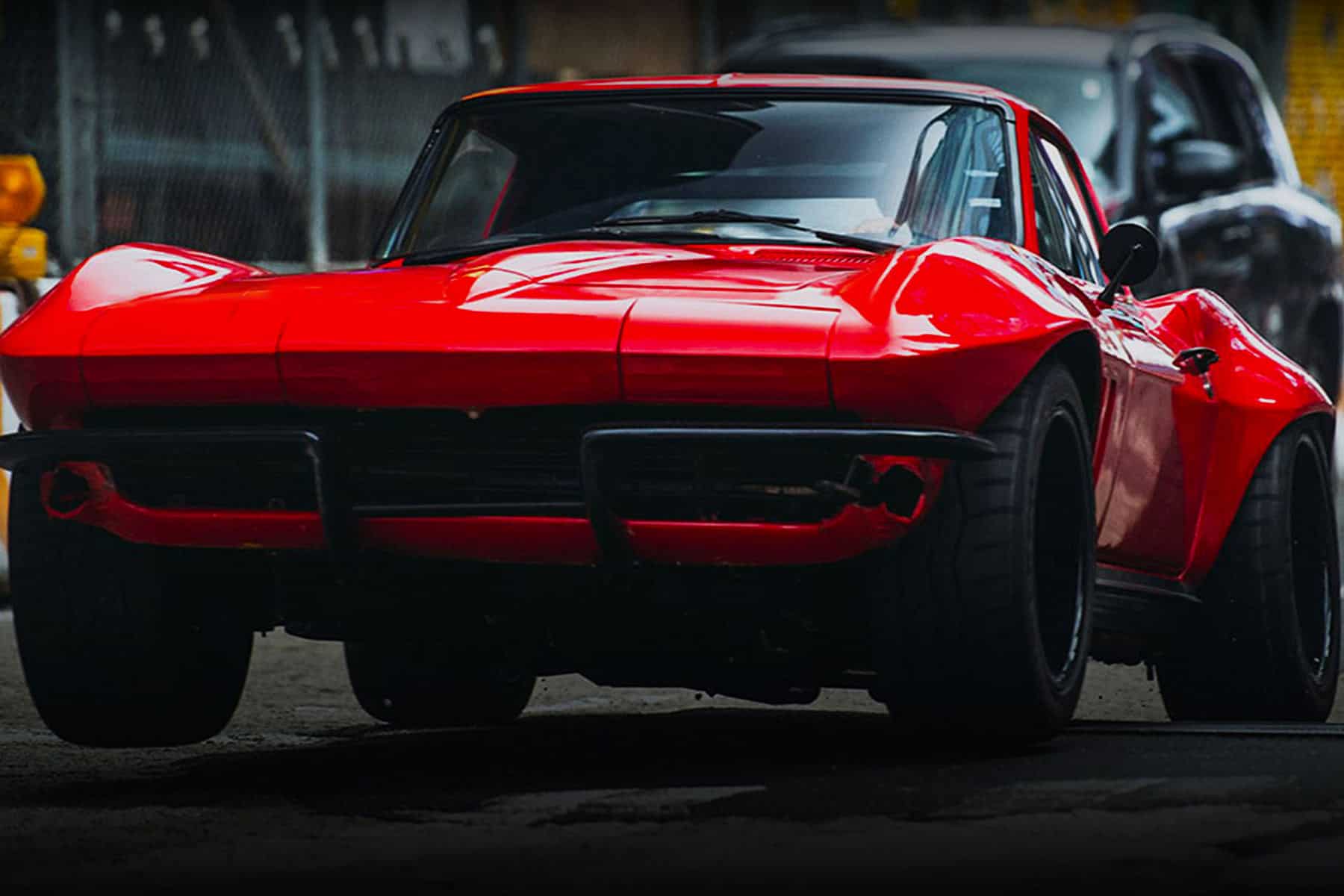
Letty Ortiz, portrayed by Michelle Rodriguez, is more than just a character; she’s a force of nature. Her journey in Fast & Furious 6 is a central pillar of the plot. Having been presumed dead at the end of Fast & Furious, her reappearance as a formidable adversary, under the control of antagonist Owen Shaw, shocked fans and reignited the emotional core of the series. The car she drives is not merely a mode of transportation; it’s an extension of her character, a statement of her presence, and a crucial element in the high-octane sequences.
Unpacking the Specifics: The Beast of Moscow
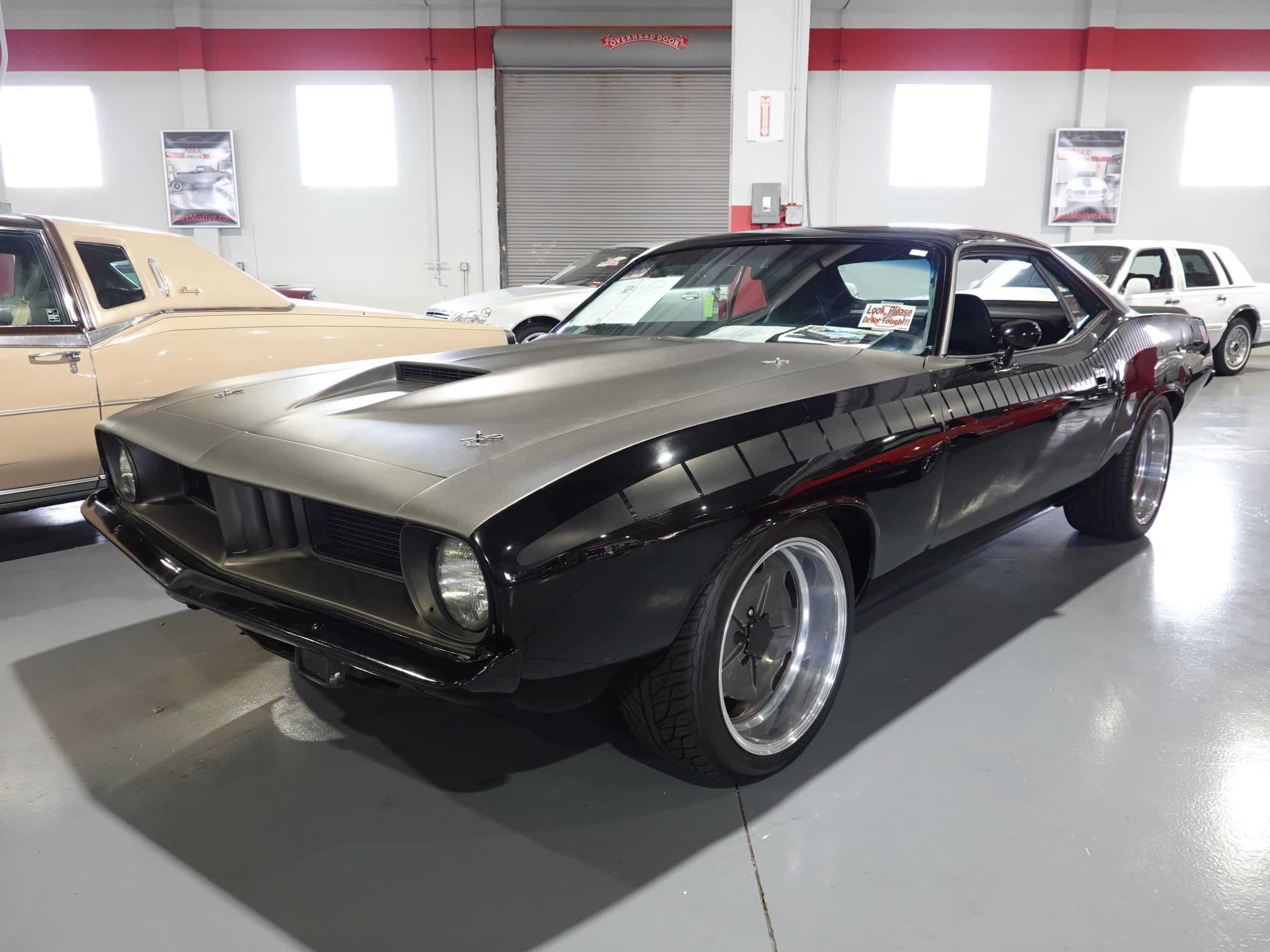
The car most prominently associated with Letty in Fast & Furious 6 is the 2010 Dodge Charger SRT8. This muscular American sedan, often depicted in a menacing matte black finish, perfectly embodies Letty’s fierce, no-nonsense persona. Its aggressive styling, powerful V8 engine, and formidable presence on the road immediately convey her return as a dangerous and unstoppable force.
The Charger SRT8 is not just a pretty face; it’s a machine built for performance. Under its hood, it typically boasts a 6.1-liter HEMI V8 engine, capable of producing over 425 horsepower. This raw power translates into blistering acceleration and a top speed that allows it to hold its own against the supercars and specialized vehicles that populate the Fast & Furious universe. In Fast & Furious 6, the Charger is showcased in several pivotal scenes, most notably during the climactic tank chase sequence and the final runway battle. Its ability to withstand extreme conditions and perform gravity-defying maneuvers solidifies its status as a true cinematic hero car.
The choice of the Dodge Charger SRT8 for Letty in this installment is far from accidental. Dodge has a long-standing relationship with the Fast & Furious franchise, with various Charger models appearing in multiple films. This recurring presence reinforces the brand’s association with power, rebellion, and American muscle. For Letty, the Charger serves as a tangible link to her past, her skills as a driver, and her indomitable spirit, even when her memory is compromised. It’s a vehicle that commands respect and instills fear, perfectly aligning with her character arc in the film.
Beyond the Metal: Technology, Brand, and the Fast & Furious Phenomenon
The selection and portrayal of Letty’s car in Fast & Furious 6 transcend simple automotive identification. It touches upon broader themes relevant to technology, brand building, and financial considerations within the entertainment industry.
Tech Under the Hood and on Screen: Automotive Innovation in Film
While the Fast & Furious franchise is celebrated for its practical effects and daring stunts, the integration of technology – both in the vehicles themselves and in their portrayal – is crucial. Modern performance cars like the Dodge Charger SRT8 are packed with sophisticated technology designed to enhance performance, safety, and driver experience. Features such as advanced engine management systems, sophisticated suspension, and robust braking systems are all critical to enabling the kind of on-screen action that audiences have come to expect.
In Fast & Furious 6, the filmmakers likely leveraged a combination of real-world automotive technology and cinematic enhancements to bring the Charger to life. This could include:
- Engine Performance Modifications: While the stock SRT8 is powerful, film vehicles often undergo further tuning and modification to achieve specific performance requirements for stunts, such as enhanced acceleration or durability under extreme stress.
- Suspension and Drivetrain Reinforcements: The demands of jumping, crashing, and engaging in high-speed pursuits necessitate reinforced suspension systems and robust drivetrains to withstand the immense forces involved.
- On-Board Technology for Filming: Modern filmmaking often involves integrating cameras and sensors directly onto or within the vehicles themselves. This allows for dynamic, in-car perspectives that immerse the audience in the action. The Charger’s sleek design and powerful engine would have provided an ideal platform for such integrated filming solutions.
- Digital Enhancements: While the franchise prioritizes practical effects, digital visual effects (VFX) play a significant role in augmenting reality. This can include enhancing engine sounds, adding realistic sparks and smoke, or even digitally creating car elements that would be too dangerous or impossible to achieve in practice. The Matte black finish of Letty’s Charger, for example, can be digitally manipulated to appear more menacing or to reflect light dramatically during key scenes.
The careful consideration of these technological aspects ensures that the on-screen portrayal of automotive capabilities remains believable, even as it pushes the boundaries of what’s physically possible. It highlights how technology is not just about the gadgets we use daily, but also about the tools that enable incredible storytelling and immersive entertainment.
Brand Powerhouse: The Fast & Furious Franchise and Automotive Partnerships
The Fast & Furious franchise is a masterclass in brand building, not just for its internal narrative but also for the automotive brands it features. The presence of specific car models in these films can significantly impact their desirability and market perception.
- Brand Association and Desirability: The Dodge Charger, particularly the SRT8 model, has gained a significant cult following partly due to its recurring appearances in the Fast & Furious series. These films have cemented its image as a symbol of raw power, rebellion, and the spirit of street racing. For Dodge, this association is invaluable, driving consumer interest and sales. The association creates a powerful emotional connection for viewers, associating the brand with adrenaline, freedom, and the thrill of the open road – albeit a cinematic, highly stylized version of it.
- Product Placement and Sponsorships: While the Fast & Furious franchise is known for its extensive use of various car manufacturers, there’s often an implicit or explicit partnership at play. Car companies benefit from extensive exposure to a global audience, showcasing their vehicles in thrilling action sequences. This exposure can be far more impactful than traditional advertising. The selection of a Dodge Charger for Letty reinforces the long-standing relationship between Universal Pictures and Fiat Chrysler Automobiles (now Stellantis), ensuring the continued presence of iconic Dodge and other Stellantis models in future installments.
- Building a Cinematic Identity: The consistent use of certain car types and models helps to build a cohesive cinematic universe. The Dodge Charger, for instance, has become almost synonymous with the “tough guy” or “rebel” archetype within the Fast & Furious world, and Letty’s appropriation of it further solidifies this. This deliberate brand strategy creates familiarity and anticipation for audiences, who come to expect certain vehicles to be featured.
The success of the Fast & Furious franchise demonstrates how strategic automotive placement can elevate brand perception, foster customer loyalty, and ultimately contribute to the financial success of both the film studio and the automobile manufacturers involved.
The Financial Dynamics of Fast Cars and Film Franchises
The world of blockbuster filmmaking and high-performance automobiles is inextricably linked to significant financial investment and lucrative returns. The production of films like Fast & Furious 6 involves substantial budgets, and the cars themselves are a considerable part of that equation.
The Cost of Chrome and Horsepower: Budgeting for Automotive Stars
The sheer scale of the Fast & Furious franchise necessitates a considerable budget, with a significant portion allocated to acquiring, modifying, and destroying the vehicles featured.
- Vehicle Acquisition: While some vehicles are provided by manufacturers through product placement deals, others are purchased outright by the production. For a film like Fast & Furious 6, which features numerous chase sequences and elaborate stunts, acquiring a fleet of high-performance vehicles, including multiple Dodge Chargers, would represent a substantial cost. The price of a new Dodge Charger SRT8 can range from $70,000 to over $100,000 depending on options and trim levels. For a film requiring multiple identical cars for different takes and stunt doubles, these acquisition costs multiply rapidly.
- Stunt Modifications and Durability: To withstand the rigors of filming action sequences, these cars are not used in their factory-stock condition. They undergo extensive modifications. This can include strengthening the chassis, reinforcing suspension, installing roll cages, and upgrading braking systems. These modifications are costly, often exceeding the initial purchase price of the vehicle. The goal is to create vehicles that are not only visually impressive but also capable of performing the on-screen feats safely.
- The Cost of Destruction: A hallmark of the Fast & Furious franchise is the spectacular destruction of vehicles. In Fast & Furious 6, scenes involving the Charger being used to ram vehicles, endure explosions, or participate in high-speed collisions would inevitably lead to the destruction of multiple units. The cost of replacing these damaged or destroyed vehicles, including their specialized modifications, is a significant line item in the film’s budget. Estimates suggest that productions can spend millions of dollars on vehicle acquisition and destruction for a single film.
- Return on Investment through Box Office and Merchandising: The immense financial outlay for vehicles is justified by the potential for massive box office returns. The Fast & Furious franchise has consistently been a global box office phenomenon, generating billions of dollars worldwide. Furthermore, the popularity of these cars extends to merchandise, toy replicas, and video games, which contribute significantly to the franchise’s overall profitability. The iconic status of Letty’s Charger in Fast & Furious 6 would have directly fueled sales of model cars and other related merchandise.
In essence, the cars in Fast & Furious 6 are not just props; they are key financial assets that contribute to the film’s visual spectacle, its brand appeal, and ultimately, its substantial profitability. The investment in automotive excellence is a direct contributor to the franchise’s enduring success.
Letty’s Ride: A Symbol of Resilience and Enduring Popularity
Letty’s Dodge Charger SRT8 in Fast & Furious 6 is more than just a car; it’s a narrative device, a technological marvel in its cinematic application, and a powerful brand ambassador. Its presence on screen signifies Letty’s unyielding spirit, her return to the forefront of the action, and her integral role in the Fast & Furious saga. The careful selection and portrayal of this vehicle highlight the intricate interplay between technology, brand strategy, and financial investment that underpins the success of a global entertainment franchise. The roar of its engine in Fast & Furious 6 is a testament to its enduring appeal, cementing its place as one of the most memorable rides in the Fast & Furious pantheon.
aViewFromTheCave is a participant in the Amazon Services LLC Associates Program, an affiliate advertising program designed to provide a means for sites to earn advertising fees by advertising and linking to Amazon.com. Amazon, the Amazon logo, AmazonSupply, and the AmazonSupply logo are trademarks of Amazon.com, Inc. or its affiliates. As an Amazon Associate we earn affiliate commissions from qualifying purchases.