
The concept of “legal rule” is fundamental to the existence and functioning of any organized society. It’s more than just a collection of laws; it represents the underlying principles, structures, and processes that govern human behavior, resolve disputes, and maintain order. While the term might seem straightforward, delving into its intricacies reveals a complex ecosystem that impacts every facet of our lives, from the personal to the corporate, and profoundly influences the digital landscape we inhabit.
To truly understand “what is legal rule,” we must explore its core components, its diverse applications across different domains, and the crucial role it plays in shaping our world, especially in the context of rapidly evolving technology, brand perception, and financial systems.
The Pillars of Legal Rule: Structure and Foundation
At its heart, legal rule is the embodiment of societal agreements on how individuals, organizations, and governments should conduct themselves. It’s the codified manifestation of our collective values, aspirations, and the practical necessities for peaceful coexistence. Understanding the pillars that support legal rule is essential to appreciating its pervasive influence.
1. Laws and Regulations: The Explicit Directives
The most visible manifestation of legal rule is found in laws and regulations. These are formal, written rules enacted by legitimate authorities, such as legislatures and regulatory bodies. They cover an enormous spectrum of human activity, from criminal offenses to contractual obligations, environmental protection to data privacy.
- Statutory Law: This comprises laws passed by legislative bodies, like Congress or Parliament. These statutes are often broad in scope and establish general principles. For instance, a statute might define what constitutes a copyright infringement or establish the requirements for forming a limited liability company.
- Regulatory Law: These are the rules and regulations created by administrative agencies, which are empowered by legislatures to implement and enforce specific laws. For example, a financial regulatory agency might issue rules on how banks must manage customer data, or a tech regulatory body might set guidelines for the deployment of AI. These regulations often provide the granular detail needed for businesses and individuals to comply with broader statutes.
- Case Law (Common Law): In jurisdictions that follow common law traditions, judicial decisions in past cases create precedents that guide future rulings. When a court interprets a statute or a legal principle in a new situation, its decision becomes a part of the body of law, influencing how similar cases are decided thereafter. This dynamic element ensures that legal rules can adapt to new circumstances, even if legislative action is slow.
The purpose of these explicit directives is to provide clarity, predictability, and a mechanism for accountability. They define what is permissible, what is prohibited, and what the consequences are for violations.
2. Legal Principles: The Underlying Ethos
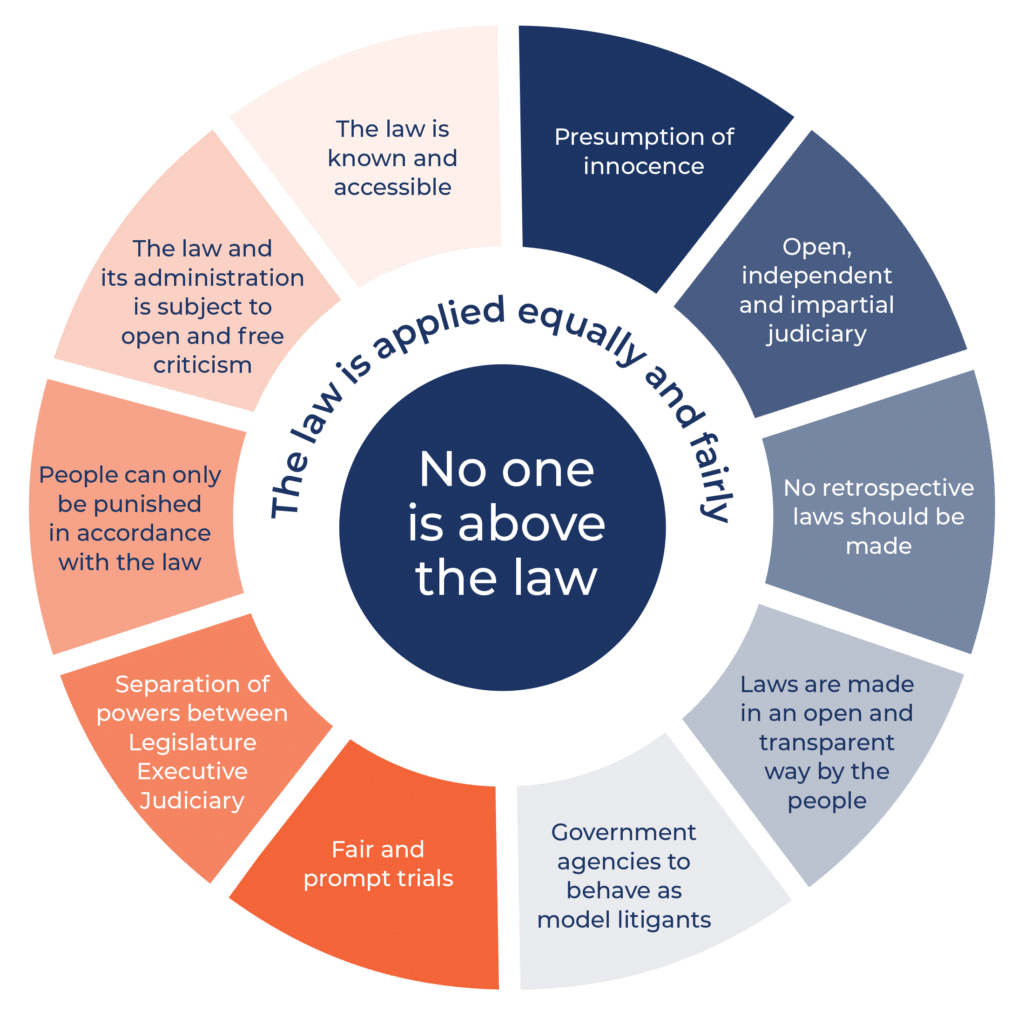
Beyond the specific dictates of laws, legal rule is also underpinned by a set of fundamental principles. These are the guiding philosophies that inform the creation and interpretation of laws, ensuring fairness, justice, and equity.
- Due Process: This principle guarantees that legal proceedings are fair and impartial. It ensures individuals have the right to be heard, to present evidence, and to be represented by counsel, before the government can deprive them of life, liberty, or property.
- Equality Before the Law: This fundamental tenet dictates that all individuals, regardless of their background or status, should be treated equally under the law. This principle is crucial for preventing discrimination and fostering a just society.
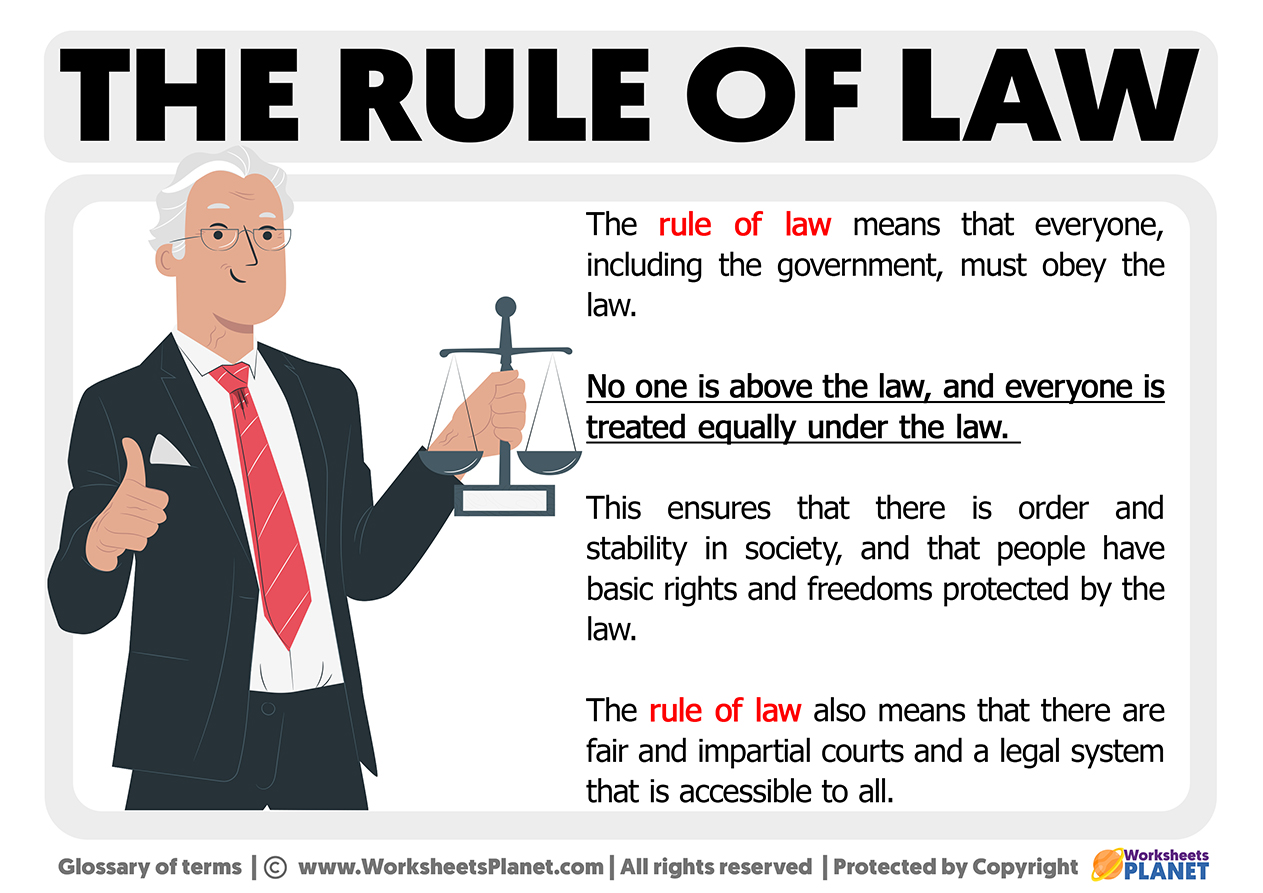
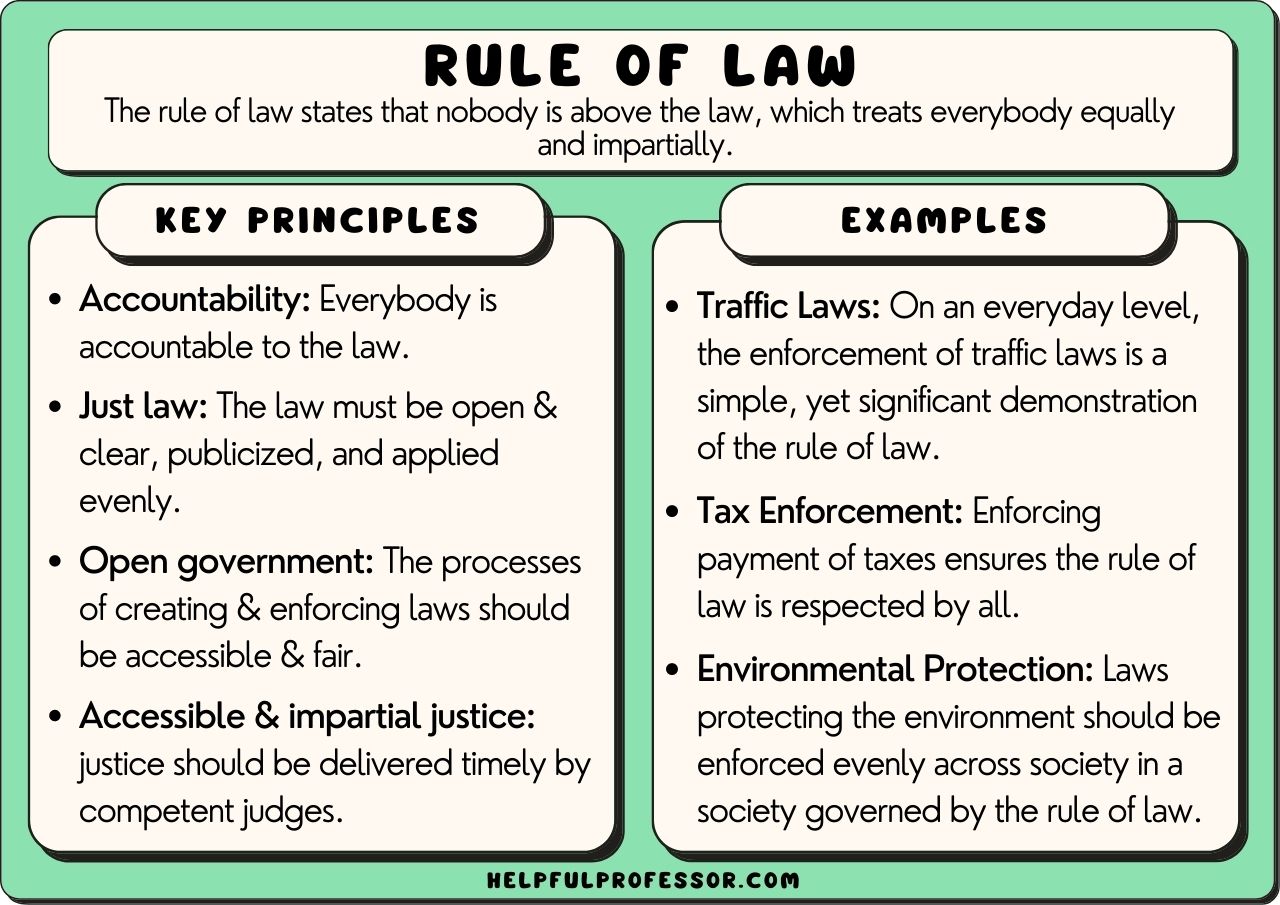
- Rule of Law: This is perhaps the most overarching principle. It posits that everyone, including those in power, is subject to and accountable under the law. It means that laws are clear, public, stable, and applied evenly, and that there are mechanisms for the enforcement of legal rights.
These principles act as a moral compass for the legal system, ensuring that laws are not merely arbitrary commands but are designed to serve a greater societal good. They also provide a framework for interpreting ambiguities in statutes and regulations.
3. Legal Institutions and Processes: The Machinery of Enforcement
The efficacy of legal rule relies heavily on the institutions and processes designed to create, interpret, and enforce these rules.
- Legislatures: These bodies are responsible for drafting and enacting new laws.
- Courts: Judicial systems interpret laws, resolve disputes, and ensure that laws are applied correctly. They are the arbiters of justice, determining guilt or innocence and awarding damages.
- Law Enforcement Agencies: Police departments and other agencies are responsible for investigating suspected violations of the law and bringing offenders to justice.
- Regulatory Bodies: Agencies like the Federal Communications Commission (FCC) or the Securities and Exchange Commission (SEC) specialize in overseeing specific sectors and enforcing the rules relevant to them.
These institutions, working in tandem, form the operational backbone of legal rule, translating abstract principles into tangible actions and societal impact.
Legal Rule in the Modern Landscape: Impact Across Domains
The concept of legal rule is not static. It continuously evolves, adapting to technological advancements, shifting societal norms, and the complexities of global commerce. Its influence is deeply felt across the core areas of our website: Tech, Brand, and Money.
1. Legal Rule in Tech: The Digital Frontier
The rapid evolution of technology presents some of the most significant challenges and opportunities for legal rule. The digital realm operates at an unprecedented speed and scale, often outpacing traditional legal frameworks.
- Data Privacy and Security: With the explosion of personal data collection and processing, legal rules around privacy have become paramount. Regulations like GDPR (General Data Protection Regulation) in Europe and CCPA (California Consumer Privacy Act) in the US dictate how companies must handle user data, requiring consent, transparency, and robust security measures. Failure to comply can result in substantial fines and reputational damage. This directly impacts how software is developed, how apps collect information, and how gadgets are designed with security in mind.
- Intellectual Property in the Digital Age: Copyright, patents, and trademarks are constantly being tested by digital innovation. Issues like software piracy, digital content distribution, and the patentability of algorithms require ongoing legal scrutiny. Understanding intellectual property law is crucial for tech companies developing new AI tools, software applications, or innovative gadgets.
- Artificial Intelligence (AI) and Legal Ethics: The rise of AI introduces complex legal questions. Who is liable when an autonomous vehicle causes an accident? How do we ensure AI algorithms are not biased and do not perpetuate discrimination? Legal rule is grappling with issues of AI accountability, ethical deployment, and the potential for AI to infringe on existing rights. This is a fertile ground for new legal frameworks and necessitates careful consideration of digital security and ethical AI development.
- Cybersecurity and Digital Law Enforcement: The proliferation of cyber threats demands robust legal rules to protect individuals and organizations. Laws against hacking, data breaches, and online fraud are essential components of digital security. This also involves international cooperation to prosecute cybercriminals operating across borders.
2. Legal Rule in Brand: Reputation and Identity
A brand’s success is intrinsically linked to its legal standing and its adherence to societal rules and expectations. Legal rule provides the framework within which brands operate, build trust, and manage their reputation.
- Intellectual Property Protection: Trademarks are the cornerstone of brand identity, legally protecting a brand’s name, logo, and other distinctive elements. Patent law protects unique product designs or technological innovations, while copyright protects creative content associated with a brand. Robust legal strategies are essential to prevent infringement and dilution of a brand’s identity.
- Advertising and Marketing Law: Legal rules govern how brands can advertise and market their products and services. This includes regulations against deceptive advertising, unfair competition, and the misuse of endorsements. Brands must ensure their marketing campaigns are truthful, substantiated, and comply with consumer protection laws.
- Contract Law and Business Relationships: Every aspect of a brand’s operations, from supplier agreements and distribution contracts to partnerships and customer terms of service, is governed by contract law. Clear, legally sound contracts are vital for managing relationships, mitigating risks, and ensuring smooth business operations.
- Corporate Governance and Compliance: For larger corporations, legal rules around corporate governance dictate how the company is managed, overseen, and held accountable to its stakeholders. This includes laws related to financial reporting, ethical conduct, and environmental, social, and governance (ESG) standards. Compliance with these rules is crucial for maintaining a positive reputation and investor confidence. Case studies often highlight how companies have either thrived or faltered based on their adherence to legal and ethical standards.
3. Legal Rule in Money: Financial Systems and Economic Order
The financial world is one of the most heavily regulated sectors, with legal rule playing a critical role in maintaining stability, protecting investors, and fostering economic growth.
- Financial Regulations and Compliance: Laws governing banks, investment firms, and other financial institutions are designed to prevent fraud, ensure market integrity, and protect consumers. Regulations cover areas like insider trading, money laundering, capital requirements, and consumer credit. Financial tools often need to comply with these stringent regulations.
- Investment and Securities Law: Legal rules govern the issuance and trading of securities, protecting investors from fraudulent schemes and ensuring fair and transparent markets. This includes regulations around initial public offerings (IPOs), stock exchanges, and investment advice.
- Tax Law: The legal framework for taxation dictates how individuals and businesses contribute to public services. Understanding tax laws is crucial for personal finance, business finance, and planning for online income or side hustles to ensure compliance and optimize financial strategies.
- Contract and Commercial Law: This broad area of law underpins all financial transactions, from simple purchases to complex mergers and acquisitions. It provides the legal certainty required for businesses to operate and for individuals to manage their finances with confidence.
Conclusion: The Enduring Significance of Legal Rule
In essence, “what is legal rule” is a question with a multifaceted answer. It is the comprehensive system of laws, principles, and institutions that provide structure, order, and fairness to society. From dictating the ethical deployment of cutting-edge AI tools and safeguarding the reputation of a global brand, to ensuring the integrity of financial markets and guiding personal investment decisions, legal rule is an omnipresent force.
As technology continues its relentless march forward, as brands strive to connect with audiences in ever more sophisticated ways, and as individuals and businesses navigate increasingly complex financial landscapes, the importance of understanding and adhering to legal rule will only grow. It is the bedrock upon which trust is built, innovation is guided, and progress is sustained. Navigating this intricate framework is not merely a legal obligation; it is a fundamental prerequisite for success and responsible participation in the modern world.
aViewFromTheCave is a participant in the Amazon Services LLC Associates Program, an affiliate advertising program designed to provide a means for sites to earn advertising fees by advertising and linking to Amazon.com. Amazon, the Amazon logo, AmazonSupply, and the AmazonSupply logo are trademarks of Amazon.com, Inc. or its affiliates. As an Amazon Associate we earn affiliate commissions from qualifying purchases.