
Lead poisoning, a serious but often preventable condition, can have devastating effects on individuals, particularly children, even at low levels of exposure. While we often associate lead with older paint or plumbing, its presence can be insidious, lurking in unexpected places. This is where a lead blood test comes in – a crucial diagnostic tool that can detect the presence of lead in your body.
In a world increasingly driven by technology, understanding the health implications of environmental toxins like lead is more important than ever. This article will delve into what a lead blood test is, why it’s performed, what the results signify, and how it connects to broader themes of personal well-being and responsible living, touching upon how technology and financial awareness can play a role in mitigating lead exposure risks.
The Silent Threat: Understanding Lead and Its Dangers
Lead is a naturally occurring element that, while useful in some industrial applications, is highly toxic to humans. Historically, lead was widely used in products like paint, gasoline, and water pipes. While many of these uses have been phased out in developed countries, legacy lead contamination remains a significant public health concern.
How Lead Enters the Body
The primary pathways for lead exposure are:
- Inhalation: Breathing in lead dust from deteriorating lead-based paint, especially during renovation or demolition activities, or from contaminated soil.
- Ingestion: Swallowing lead dust or particles, which can happen when children play with contaminated soil or dust, or when adults handle lead-contaminated items and then touch their mouths. Ingesting contaminated food or water from lead pipes is also a concern.
- Dermal Absorption: While less common, lead can be absorbed through the skin, particularly with certain lead compounds.
The Devastating Impact of Lead Exposure
Lead is a neurotoxin, meaning it primarily affects the nervous system. Its detrimental effects are particularly pronounced in developing brains, making children the most vulnerable population. Even low levels of lead in the blood can lead to:
- In Children:
- Learning disabilities and reduced IQ
- Attention Deficit Hyperactivity Disorder (ADHD)
- Behavioral problems
- Hearing loss
- Slowed growth and development
- Anemia
- In Adults:
- Cardiovascular problems (high blood pressure)
- Kidney damage
- Reproductive issues (reduced fertility in men and women)
- Nerve disorders
- Memory and concentration problems
- Muscle and joint pain
It’s crucial to understand that there is no safe level of lead exposure. The effects can be cumulative, meaning that small amounts of lead ingested over time can build up in the body and cause significant harm.
Demystifying the Lead Blood Test: How It Works and Why It’s Performed
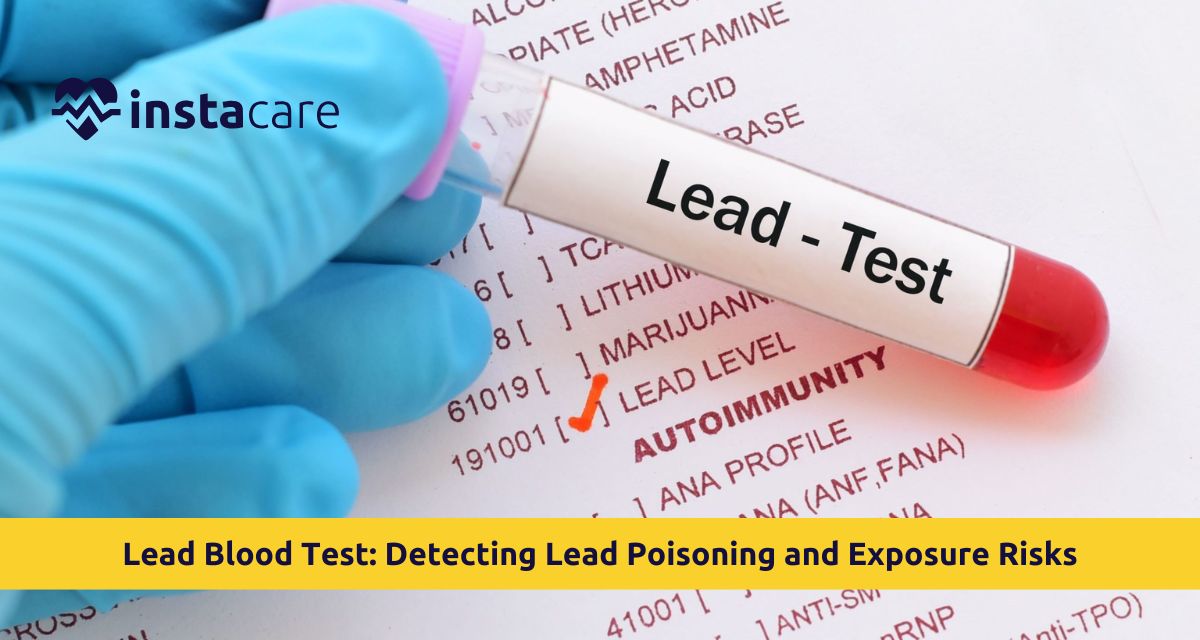
A lead blood test, also known as a blood lead level (BLL) test, is the standard method for determining the amount of lead circulating in a person’s bloodstream. It’s a simple yet powerful diagnostic tool that provides vital information about recent or ongoing lead exposure.
The Process of a Lead Blood Test
The test involves a simple blood draw, typically from a vein in the arm for adults and older children, or from a finger prick for infants and younger children.
- For Adults and Older Children: A healthcare professional will sterilize a small area of skin, usually on the inner elbow, and then insert a needle into a vein. A small sample of blood is collected into a vial.
- For Infants and Younger Children: A healthcare provider will clean the child’s finger or heel and then make a small puncture with a sterile lancet. A few drops of blood are collected into a capillary tube or onto a special filter paper.
The collected blood sample is then sent to a laboratory for analysis. Advanced techniques, such as atomic absorption spectrophotometry or inductively coupled plasma mass spectrometry, are used to precisely measure the concentration of lead in the blood.
Why is a Lead Blood Test Recommended?
Several factors can trigger the recommendation for a lead blood test:
- Routine Screening for Children: Public health organizations and pediatricians strongly recommend routine lead screening for children, typically around ages 1 and 2, and at other critical developmental stages. This is because children are more susceptible to the damaging effects of lead and are more likely to be exposed through behaviors like putting hands and objects in their mouths.
- Suspected Exposure: If a child or adult lives in or has recently visited a home with known lead-based paint (built before 1978), especially if there are signs of chipping or peeling paint, a test is often advised.
- Occupational Exposure: Individuals working in certain industries, such as construction (especially renovation of older buildings), auto repair, battery manufacturing, or ceramic production, may be at higher risk and should undergo regular testing.
- Environmental Concerns: Living near industrial sites known to emit lead, or in areas with lead-contaminated soil, can also warrant a blood test.
- Symptoms of Lead Poisoning: While lead poisoning can be asymptomatic, certain symptoms might prompt a doctor to order a blood test. These can include abdominal pain, constipation, lethargy, irritability, and developmental delays in children.
- Public Health Advisories: In cases where a community water source or a specific product is identified as a potential lead hazard, public health officials may recommend testing for affected individuals.

The decision to test is often based on a combination of risk factors, age, and potential symptoms. Early detection through a lead blood test is paramount for intervention and preventing long-term health consequences.
Interpreting Your Results: What Your Blood Lead Level Means
The results of a lead blood test are reported in micrograms of lead per deciliter of blood (µg/dL). Understanding these numbers is crucial for determining the next steps.
Understanding the Reference Range
It’s important to note that there is no universally agreed-upon “safe” level of lead in the blood. However, public health organizations have established reference values to guide clinical decisions.
- For Children: The Centers for Disease Control and Prevention (CDC) in the United States uses a reference value of 3.5 µg/dL as the level above which further action and follow-up are recommended. While this isn’t a definitive toxicity level, it indicates a level of concern that warrants investigation and intervention. Historically, the “action level” was much higher, but research has shown that even lower levels can have detrimental effects.
- For Adults: While less commonly tested for routine screening, elevated lead levels in adults are also a cause for concern. Healthcare providers will assess adult BLLs in the context of potential exposure and symptoms.
What High Blood Lead Levels Indicate
A blood lead level above the reference value signifies that lead is present in the body. The higher the BLL, the greater the potential for adverse health effects.
- Levels requiring follow-up: If a child’s BLL is above the recommended reference value, it triggers a process of investigation. This typically involves a public health nurse or case manager working with the family to identify potential sources of lead exposure in the home and community.
- Levels requiring medical intervention: Very high BLLs may require medical intervention, which can include dietary advice, chelation therapy (a medical treatment to remove lead from the body), and close medical monitoring. The specific course of action will depend on the level of lead in the blood, the child’s age, and the presence of symptoms.
What Low or Undetectable Levels Mean
If your lead blood test comes back with a very low or undetectable level, it generally indicates that there is no significant lead present in your bloodstream at the time of the test. This is good news and suggests that current exposure levels are not a concern. However, it’s important to remember that lead can be present in the environment, and ongoing vigilance is always recommended.
Prevention and Management: Taking Action Against Lead Exposure
Detecting lead in your blood is the first step; the next is to address the source of exposure and implement strategies to prevent future contamination. This is where the convergence of health awareness, technological tools, and financial planning becomes particularly relevant.
Identifying and Eliminating Lead Sources
- Home Assessment: If lead is detected, a thorough assessment of your home is crucial. This involves identifying potential sources like old paint (especially in homes built before 1978), lead pipes, contaminated soil in yards, and even certain imported toys or pottery.
- Professional Remediation: For significant lead hazards, professional lead abatement services are often necessary. These professionals are trained to safely remove or encapsulate lead-based paint and other lead hazards, minimizing the risk of ongoing exposure.
- Safe Renovation Practices: If you’re renovating an older home, it’s imperative to use lead-safe work practices. This includes containment of dust, proper ventilation, and thorough cleaning to prevent the spread of lead particles.
- Water Testing: If you have lead pipes, regular testing of your drinking water is recommended. Flushing your taps before use can also help reduce lead exposure from water.
- Healthy Habits: Encourage good hygiene, such as regular handwashing, especially before eating. Keep children’s toys clean and discourage them from putting potentially contaminated items in their mouths.
Leveraging Technology for Prevention and Monitoring
The realm of technology offers innovative solutions for both identifying and mitigating lead exposure risks:
- Lead Testing Kits: While not as precise as laboratory tests, at-home lead paint testing kits can provide an initial indication of lead presence in paint. These can be purchased online or at hardware stores.
- Air Quality Monitors: Advanced air quality monitors can detect lead dust in the air, providing real-time alerts and allowing for immediate action to ventilate or contain the area.
- Smart Home Devices: Future innovations could involve smart home systems that integrate with sensors to detect lead in water or air, sending alerts directly to your smartphone.
- Educational Apps and Resources: Numerous apps and online platforms offer valuable information about lead hazards, prevention tips, and local resources for lead abatement and testing. Staying informed through digital channels is a powerful tool.
- Telehealth and Remote Monitoring: Technology enables remote consultations with healthcare professionals, allowing for timely advice and follow-up regarding lead testing results and management plans.

Financial Preparedness and Lead Mitigation
Addressing lead exposure can sometimes involve significant costs, from professional remediation to ongoing health monitoring. Financial planning plays a vital role:
- Health Savings Accounts (HSAs) and Flexible Spending Accounts (FSAs): If lead poisoning or its associated health issues require medical treatment, these pre-tax accounts can help cover eligible medical expenses.
- Insurance Coverage: Understand your health insurance policy. Some policies may cover lead testing and treatment for lead poisoning, especially for children.
- Government Assistance Programs: Many local and national government programs offer financial assistance for lead hazard control and abatement in low-income households. Researching these programs can significantly reduce out-of-pocket expenses.
- Budgeting for Home Improvements: If you own an older home, factor in the potential costs of lead remediation as part of your long-term home maintenance budget.
- Investing in Healthy Living: Consider the long-term financial implications of untreated lead exposure, which can lead to chronic health conditions, reduced earning potential, and increased healthcare costs. Investing in prevention is an investment in future financial stability.
By understanding the risks, utilizing available technologies, and incorporating financial foresight, individuals and families can take proactive steps to protect themselves and their loved ones from the dangers of lead poisoning. A lead blood test is more than just a medical procedure; it’s a crucial step towards a healthier future, empowered by knowledge and informed action.
aViewFromTheCave is a participant in the Amazon Services LLC Associates Program, an affiliate advertising program designed to provide a means for sites to earn advertising fees by advertising and linking to Amazon.com. Amazon, the Amazon logo, AmazonSupply, and the AmazonSupply logo are trademarks of Amazon.com, Inc. or its affiliates. As an Amazon Associate we earn affiliate commissions from qualifying purchases.