
The legal profession is a cornerstone of any functioning society, upholding justice, facilitating commerce, and protecting individual rights. At its heart lies a rigorous academic pursuit, a journey that often culminates in the attainment of a Juris Doctor (JD) degree. But what exactly is a Juris Doctor, and how does this credential shape the landscape of law and its intersections with the modern world? For those curious about legal careers, or perhaps looking to understand the foundational degree of legal professionals, this exploration delves into the essence of the JD and its relevance in today’s dynamic environment.
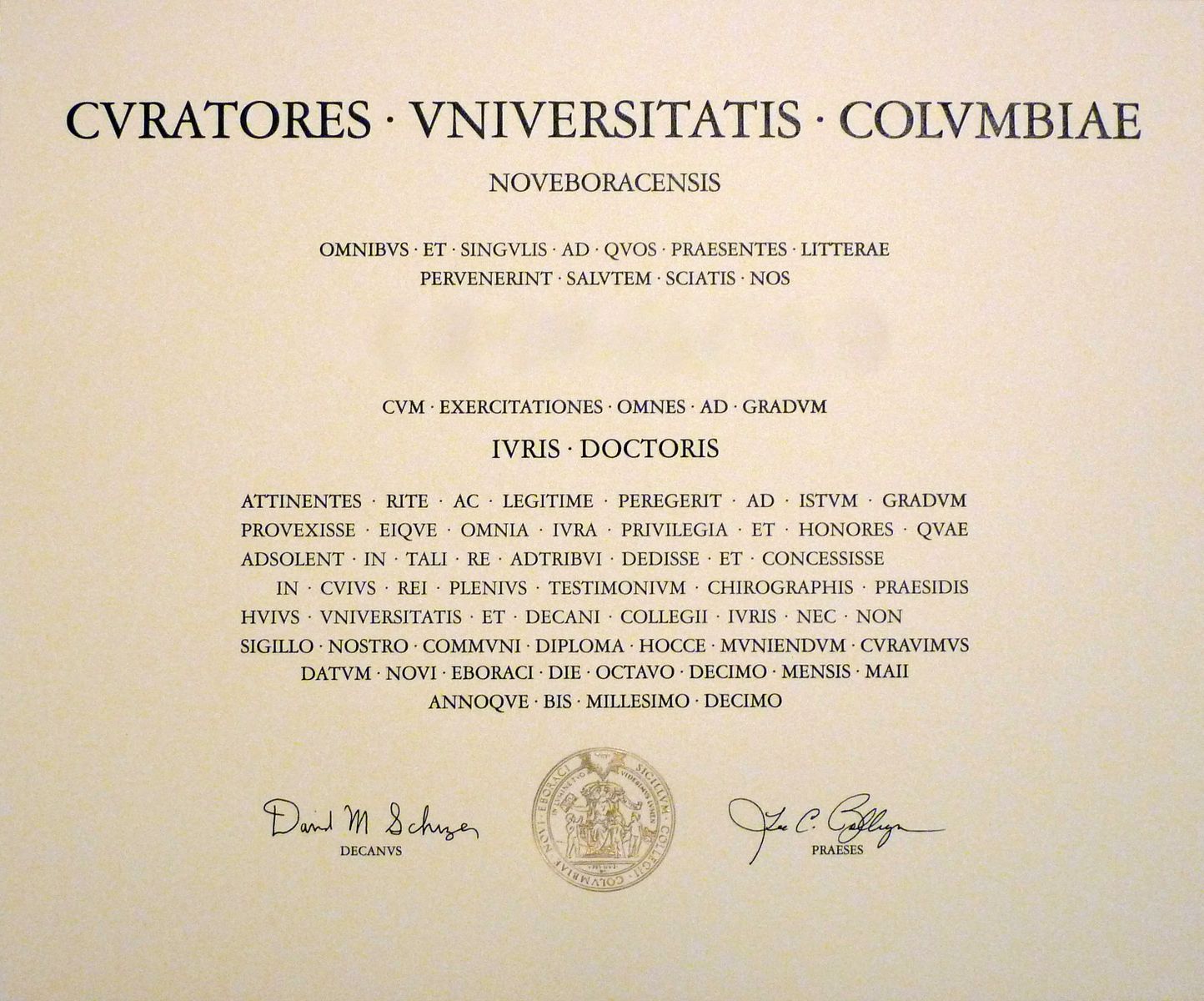
The Foundation of Legal Practice: What Exactly is a Juris Doctor?
At its most fundamental level, a Juris Doctor (JD) is a graduate-level professional degree in law. It is the primary degree required to practice law in the United States, Canada, and many other common law jurisdictions. Unlike a Master’s degree (which often signifies specialization within a broader field) or a Ph.D. (which is research-focused and geared towards academia), the JD is designed to equip students with the practical knowledge, analytical skills, and ethical framework necessary to become practicing attorneys.
The “Juris Doctor” title itself is a Latin phrase, meaning “teacher of law” or “doctor of law.” While it carries the gravitas of a doctorate, it’s important to distinguish it from an academic doctorate like a Ph.D. in law. A JD graduate is prepared for the practice of law, not necessarily for a career solely in legal scholarship. The curriculum is intensely focused on core legal principles, case analysis, statutory interpretation, and the development of persuasive legal argumentation.
The JD Curriculum: Building a Legal Mindset
A JD program typically spans three years of full-time study, although part-time options are also available and usually take longer to complete. The first year, often referred to as “1L,” is foundational and rigorous. Students are introduced to core subjects that form the bedrock of legal understanding. These typically include:
- Contracts: The study of legally binding agreements between parties, their formation, enforcement, and remedies for breach.
- Torts: This area of law deals with civil wrongs that cause harm to another person, such as negligence, defamation, or product liability.
- Criminal Law: The principles governing criminal offenses, prosecution, defenses, and sentencing.
- Property Law: The rules and regulations governing the ownership, use, and transfer of real and personal property.
- Civil Procedure: The framework and rules governing how lawsuits are initiated, conducted, and resolved in the courts.
- Constitutional Law: The interpretation and application of the U.S. Constitution, defining the structure of government and fundamental rights.
These core subjects are often taught through the Socratic method, a pedagogical approach that involves extensive questioning by the professor to stimulate critical thinking and deeper understanding. Students are expected to read and analyze complex legal cases, identify key legal issues, and articulate their reasoning clearly and logically.
The second and third years (2L and 3L) build upon this foundation. Students typically have more flexibility to choose elective courses, allowing them to explore areas of particular interest or specialization. These electives can range widely, from intellectual property and corporate law to environmental law and international human rights. Many programs also offer opportunities for practical legal experience through clinics, internships, and moot court competitions.
Beyond the Classroom: Experiential Learning and Professional Development
A crucial component of JD education is the development of practical legal skills. This is increasingly achieved through:
- Legal Clinics: Students gain hands-on experience representing real clients under the supervision of experienced faculty. This might involve handling landlord-tenant disputes, immigration cases, or family law matters, providing invaluable real-world exposure.
- Internships and Externships: Working in law firms, government agencies, or public interest organizations allows students to apply their classroom knowledge in a professional setting, networking with legal professionals and gaining insight into various practice areas.
- Moot Court and Mock Trial: These programs simulate appellate arguments and trial proceedings, honing students’ oral advocacy, brief writing, and litigation skills.
- Law Review and Journals: Participation in academic journals provides opportunities for in-depth legal research and writing, contributing to scholarly discourse and developing critical analytical abilities.
The culmination of a JD program is typically a comprehensive bar examination, a rigorous test that all aspiring lawyers must pass to be licensed to practice law in a specific jurisdiction. This exam assesses a candidate’s knowledge of a broad range of legal subjects and their ability to apply that knowledge to hypothetical legal scenarios.
The JD’s Evolving Role: Navigating the Intersection of Law and Modern Trends

The traditional image of a lawyer meticulously poring over dusty tomes is rapidly evolving. The contemporary legal landscape is increasingly influenced by technological advancements, shifts in brand perception, and complex financial realities. A JD, therefore, is not just a gateway to traditional legal practice but a versatile foundation for professionals engaging with these dynamic spheres.
Navigating the Tech Frontier: Legal Expertise in the Digital Age
Technology is not just a tool for lawyers; it is an area of law unto itself. The rapid pace of innovation has created a constant demand for legal professionals who understand the nuances of:
- Intellectual Property (IP) Law: Protecting patents for groundbreaking inventions, copyrights for creative works (software code, digital art), and trademarks for brand identities in the digital realm. This is crucial for tech companies and individual innovators alike.
- Data Privacy and Cybersecurity: As businesses collect and process vast amounts of personal data, understanding regulations like GDPR and CCPA, and advising on best practices for data protection and breach response, is paramount. A JD provides the analytical framework to interpret and apply these complex legal mandates.
- Artificial Intelligence (AI) and Machine Learning: Legal questions surrounding AI are emerging rapidly, from algorithmic bias and intellectual property ownership of AI-generated content to liability for AI-driven decisions. JD graduates are uniquely positioned to analyze these novel legal challenges.
- Software Licensing and Development: The legal intricacies of software development, licensing agreements, open-source software compliance, and end-user license agreements (EULAs) require a deep understanding of contract law and IP.
- Digital Forensics and E-Discovery: In litigation, the ability to collect, preserve, and present electronic evidence (emails, documents, social media posts) is critical. JD holders with an understanding of these processes can navigate the complexities of digital investigations.
A Juris Doctor degree provides the analytical rigor and problem-solving skills necessary to understand these complex technological issues and translate them into actionable legal strategies. Whether advising a startup on app development or a large corporation on cybersecurity protocols, the JD equips legal professionals to be at the forefront of technological legal challenges.
The Power of Brand: Legal Strategy in Reputation and Identity
In today’s hyper-connected world, a strong brand is more than just a logo; it’s a promise, an identity, and a significant asset. The legal profession plays a vital role in shaping, protecting, and leveraging these brand assets.
- Brand Strategy and Intellectual Property: JD holders are essential in developing and protecting a brand’s intellectual property. This includes securing trademarks for brand names and logos, understanding copyright for marketing materials, and navigating the legal landscape of domain name disputes.
- Corporate Identity and Reputation Management: Legal counsel advises corporations on how their actions and communications impact their reputation. This involves ensuring compliance with advertising regulations, managing public relations crises from a legal standpoint, and drafting clear and legally sound corporate messaging.
- Marketing and Advertising Law: JD graduates ensure that marketing campaigns comply with consumer protection laws, avoid deceptive practices, and respect intellectual property rights. They can review advertising copy, advise on promotional offers, and handle disputes arising from marketing activities.
- Case Studies in Brand Protection: The legal battles over brand infringement, counterfeit goods, and misleading advertising are frequent. JD holders are the strategists and litigators who navigate these challenges, protecting the value and integrity of brands.
The JD provides a foundational understanding of contracts, intellectual property, and corporate law, all of which are critical to effective brand management and protection. Lawyers with a JD can offer strategic counsel that safeguards a brand’s identity, enhances its market position, and mitigates legal risks.
Financial Acumen: The JD’s Role in Money and Business
The world of finance and business is inherently intertwined with legal frameworks. A Juris Doctor degree equips individuals with the knowledge to navigate this complex terrain, whether as practicing attorneys or as strategically minded business professionals.
- Personal Finance and Legal Planning: While not always a direct application, understanding legal principles can inform personal financial decisions. For instance, knowledge of estate planning, trusts, and wills, often covered in JD programs, is crucial for safeguarding personal wealth.
- Investing and Securities Law: For those involved in the financial markets, a JD can be invaluable. Understanding regulations governing investments, insider trading laws, and the intricacies of corporate finance is essential for compliance and strategic decision-making.
- Online Income and Entrepreneurship: The rise of the digital economy has brought new legal considerations for online businesses, freelancers, and content creators. JD holders can advise on business formation, contract negotiation for online services, intellectual property protection for digital products, and compliance with e-commerce regulations.
- Business Finance and Corporate Law: A core area of JD study involves corporate law, which directly impacts business finance. This includes understanding mergers and acquisitions, corporate governance, shareholder rights, and the legal implications of financial transactions. JD graduates are well-equipped to advise businesses on these complex financial matters.
- Financial Tools and Regulatory Compliance: The legal profession plays a crucial role in developing and regulating financial tools. JD holders work in financial institutions, regulatory bodies, and law firms to ensure compliance with banking laws, securities regulations, and other financial statutes, helping to maintain the stability and integrity of the financial system.
The JD’s emphasis on logical reasoning, contract analysis, and regulatory interpretation makes it a powerful asset for anyone operating within the financial and business world. It provides a robust understanding of the legal underpinnings that govern economic activity, enabling informed decision-making and effective risk management.

The Juris Doctor: A Versatile Degree for a Complex World
In conclusion, a Juris Doctor is far more than just a prerequisite for becoming a lawyer. It is a comprehensive, graduate-level professional degree that cultivates critical thinking, analytical prowess, and a deep understanding of legal principles. As the world becomes increasingly interconnected and complex, the JD’s value extends beyond traditional legal practice, offering a powerful foundation for professionals navigating the frontiers of technology, the intricacies of branding, and the ever-evolving landscape of finance. Whether one chooses to practice law directly or to apply their legal acumen in other dynamic fields, the Juris Doctor remains a testament to intellectual rigor and a passport to impactful engagement in shaping our modern world.
aViewFromTheCave is a participant in the Amazon Services LLC Associates Program, an affiliate advertising program designed to provide a means for sites to earn advertising fees by advertising and linking to Amazon.com. Amazon, the Amazon logo, AmazonSupply, and the AmazonSupply logo are trademarks of Amazon.com, Inc. or its affiliates. As an Amazon Associate we earn affiliate commissions from qualifying purchases.