
The term “heart shunt” might sound technical and intimidating, but understanding what it is and how it relates to our well-being is increasingly important in an era where health literacy and preventative care are paramount. While the primary context of a heart shunt is medical, its implications ripple through areas we often explore on this platform: the Technology driving its diagnosis and treatment, the Brand of medical institutions and devices, and the Money involved in healthcare access and innovation. This article aims to demystify the concept of a heart shunt, exploring its fundamental nature, its impact, and its broader relevance in our interconnected world.
Understanding the Basics: What Exactly is a Heart Shunt?
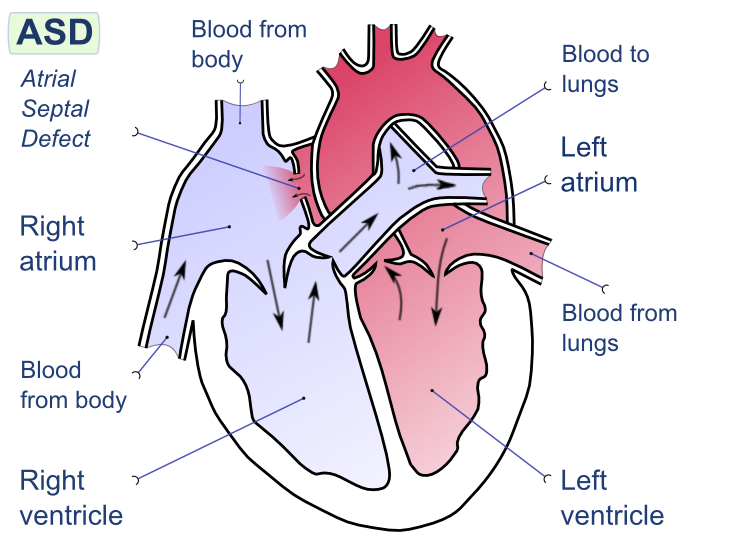
At its core, a heart shunt refers to an abnormal pathway that allows blood to flow between different parts of the heart or between the heart and the lungs in a way that bypasses the normal circulatory route. Normally, blood circulates in a precise, one-way system. Oxygen-depleted blood returns from the body to the right side of the heart, is pumped to the lungs to pick up oxygen, then returns to the left side of the heart, and is pumped back out to the rest of the body. A shunt disrupts this finely tuned process.
The Normal Pathway of Blood Circulation
To grasp the significance of a shunt, it’s essential to visualize the heart’s typical function. The heart is a powerful muscle with four chambers: the right atrium, right ventricle, left atrium, and left ventricle. It also has four valves that act like one-way doors, ensuring blood flows in the correct direction.
- Deoxygenated blood from the body enters the right atrium.
- It then flows into the right ventricle.
- The right ventricle pumps this blood to the lungs for oxygenation.
- Oxygenated blood returns from the lungs to the left atrium.
- It then moves into the left ventricle.
- Finally, the left ventricle pumps this oxygen-rich blood to the entire body.
This seamless cycle ensures that every cell in our body receives the oxygen and nutrients it needs to function.
When the Pathway Goes Astray: Types of Shunts
Heart shunts are broadly categorized based on the direction of blood flow and where they occur:
Left-to-Right Shunts
In a left-to-right shunt, oxygenated blood from the left side of the heart (where it’s supposed to go to the body) flows into the right side of the heart (where deoxygenated blood resides). This means that more blood is being sent to the lungs than necessary, leading to increased pressure in the pulmonary arteries and potentially overworking the right side of the heart. Examples include:
- Atrial Septal Defect (ASD): A hole in the wall (septum) between the two upper chambers of the heart (atria).
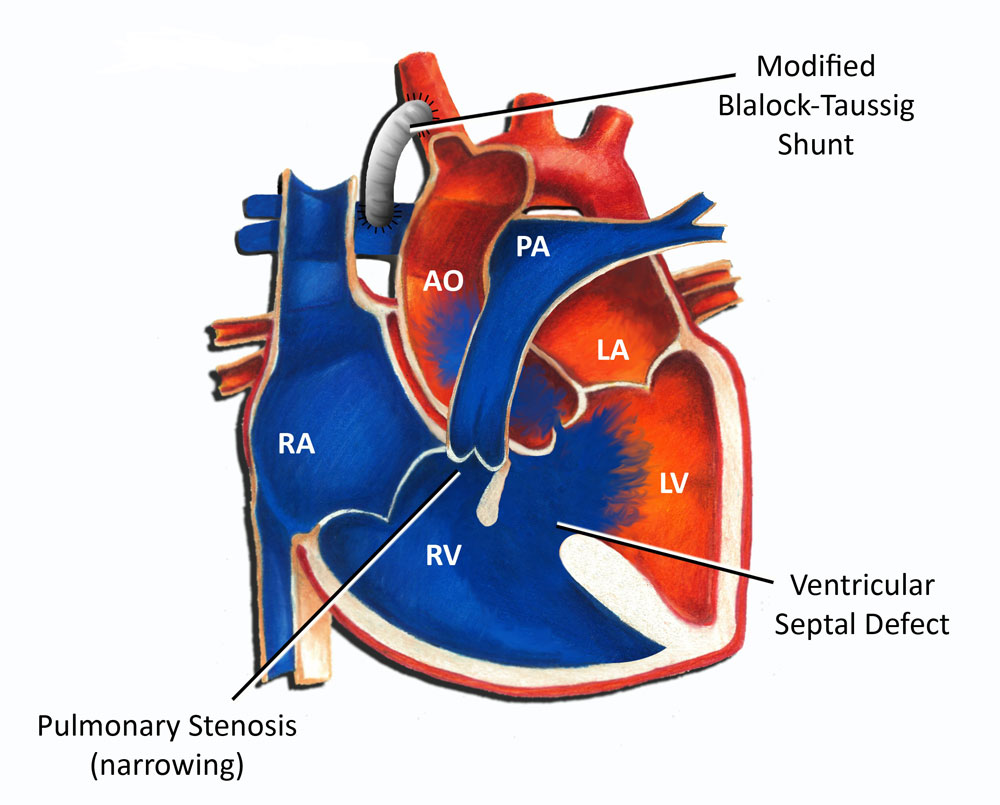
- Ventricular Septal Defect (VSD): A hole in the wall (septum) between the two lower chambers of the heart (ventricles).
- Patent Ductus Arteriosus (PDA): In fetal development, a blood vessel called the ductus arteriosus connects the aorta and the pulmonary artery, allowing blood to bypass the lungs (which aren’t functioning yet). This vessel typically closes shortly after birth. If it remains open, it’s a PDA.
Right-to-Left Shunts
In a right-to-left shunt, deoxygenated blood from the right side of the heart bypasses the lungs and mixes with oxygenated blood on the left side, which then gets pumped to the body. This results in less oxygen in the blood delivered to the body, a condition known as cyanosis (a bluish tint to the skin, lips, and nails). Examples include:
- Tetralogy of Fallot (TOF): A complex congenital heart defect involving four specific abnormalities: a VSD, a narrowed pulmonary valve, a misplaced aorta, and an enlarged right ventricle.
- Transposition of the Great Arteries (TGA): The aorta and pulmonary artery are switched, leading to two separate, parallel circulatory systems.
Other Classifications
Shunts can also be described by their cause:
- Congenital Shunts: These are present at birth, meaning they develop during fetal development. Most heart shunts fall into this category.
- Acquired Shunts: Less common, these can develop later in life due to conditions like trauma, surgery, or certain diseases that damage the heart or blood vessels.
The Impact of a Heart Shunt: From Diagnosis to Treatment
The presence of a heart shunt, whether congenital or acquired, can have a range of effects on an individual’s health. The severity of these effects depends on the size of the shunt, the direction of blood flow, and whether other heart abnormalities are present.

Clinical Manifestations: How a Shunt Affects the Body
The symptoms of a heart shunt can vary widely, from being virtually asymptomatic to causing severe health problems.
-
For Left-to-Right Shunts: Often, small shunts may go unnoticed for years. As the shunt becomes larger or puts more strain on the heart, symptoms can emerge, including:
- Fatigue and Shortness of Breath: Especially during exertion.
- Poor Growth and Development: In infants and children.
- Heart Murmurs: An extra or unusual sound heard during a heartbeat, detectable with a stethoscope.
- Swelling: In the legs, feet, or abdomen.
- Rapid Heartbeat (Tachycardia): As the heart tries to compensate.
- Increased Susceptibility to Lung Infections: Due to increased blood flow to the lungs.
-
For Right-to-Left Shunts: These are typically more serious and manifest earlier.
- Cyanosis: The most prominent symptom, leading to bluish discoloration of the skin.
- Shortness of Breath and Rapid Breathing: Even at rest.
- Clubbing of Fingers and Toes: Swelling and widening of the fingertips and toes.
- Fainting (Syncope): Due to insufficient oxygen reaching the brain.
- Poor Weight Gain: In infants.
Technological Advancements in Diagnosis and Treatment
The field of cardiology has been revolutionized by technological advancements, which play a critical role in identifying and managing heart shunts.
-
Diagnostic Tools:
- Echocardiography (Echo): This ultrasound of the heart is the gold standard for diagnosing shunts. It provides detailed images of the heart’s structure, function, and blood flow, allowing doctors to pinpoint the location and size of the shunt. Doppler echocardiography can visualize blood flow direction and velocity.
- Electrocardiogram (ECG/EKG): While not directly showing a shunt, an ECG can reveal abnormalities in the heart’s electrical activity that may be caused by the strain of a shunt.
- Chest X-ray: Can show an enlarged heart or increased blood flow to the lungs, suggesting a shunt.
- Cardiac Catheterization: A more invasive procedure where a thin, flexible tube (catheter) is inserted into a blood vessel and guided to the heart. It can measure pressures within the heart chambers and blood vessels, and contrast dye can be injected to visualize blood flow and the shunt.
- Cardiac MRI/CT Scans: Provide highly detailed 3D images of the heart and surrounding structures, offering complementary information for complex cases.
-
Interventional and Surgical Treatments:
- Catheter-Based Closure: For certain types of shunts (like ASDs and PDAs), minimally invasive procedures are now common. Small devices are inserted via catheters and deployed to “plug” the hole. This technology has significantly reduced the need for open-heart surgery for many patients.
- Open-Heart Surgery: For more complex shunts or those not amenable to catheter closure, surgery may be necessary. This involves surgically repairing or closing the abnormal pathway.
The continuous innovation in medical imaging, device engineering, and surgical techniques directly impacts the Brand of hospitals and the reputation of cardiologists and cardiac surgeons who employ these cutting-edge methods. Furthermore, the development of these Tech solutions requires significant investment and research, highlighting the financial aspect of healthcare.
The Financial and Brand Implications of Heart Shunts
The presence and management of heart shunts have significant implications for both individuals and the healthcare system, touching upon the Money and Brand aspects of medicine.
Financial Considerations and Access to Care
The cost associated with diagnosing and treating heart shunts can be substantial. This includes:
- Diagnostic Tests: Echocardiograms, MRIs, CT scans, and cardiac catheterizations all incur costs.
- Treatment Procedures: Both catheter-based closures and open-heart surgeries are expensive interventions.
- Hospital Stays and Post-Operative Care: Recovery often involves hospitalization, medication, and follow-up appointments.
- Long-Term Management: Some individuals may require ongoing medication or monitoring.
The financial burden can be a significant barrier to access for many. This is where discussions about healthcare systems, insurance coverage, and the Money invested in medical research and infrastructure become crucial. The development of less invasive and more cost-effective treatments, such as catheter-based interventions, has a direct impact on making care more accessible and affordable, indirectly influencing the Brand of medical innovation.
The “Brand” of Healthcare: Reputation and Trust
When it comes to complex medical conditions like heart shunts, the Brand of a hospital, a medical team, or even a specific device manufacturer carries immense weight.
- Hospital Reputation: Leading cardiac centers build their Brand on their expertise in diagnosing and treating congenital and acquired heart diseases. Their reputation is forged through successful patient outcomes, advanced technology adoption, and the skill of their medical professionals.
- Device Manufacturer Branding: Companies that develop and manufacture medical devices for shunt repair (e.g., closure devices) invest heavily in research, development, and clinical trials. Their Brand is associated with the safety, efficacy, and innovation of their products. Positive clinical trial results and widespread adoption build trust and brand loyalty.
- Personal Branding of Clinicians: Renowned cardiologists and cardiac surgeons often have a strong personal Brand built on their years of experience, publications, and contributions to the field. Patients often seek out these individuals for their expertise.
The ability to offer state-of-the-art treatments, attract top talent, and achieve excellent patient results all contribute to a positive Brand for healthcare providers. This, in turn, influences patient choice and the overall perception of quality in healthcare.
Conclusion: A Multifaceted Understanding
Understanding “what is a heart shunt” goes beyond a simple medical definition. It highlights the intricate workings of the human heart, the constant evolution of Technology in healthcare, the critical role of a strong Brand in medical institutions and innovation, and the significant Money involved in ensuring access to life-saving treatments. As we continue to push the boundaries of medical science, a comprehensive understanding of such concepts empowers us to appreciate the complexities of healthcare and the continuous efforts to improve patient outcomes. Whether through groundbreaking surgical techniques, advanced imaging Tech, or the development of reliable medical devices, the journey to effectively manage heart shunts is a testament to human ingenuity and collaboration across diverse fields.
aViewFromTheCave is a participant in the Amazon Services LLC Associates Program, an affiliate advertising program designed to provide a means for sites to earn advertising fees by advertising and linking to Amazon.com. Amazon, the Amazon logo, AmazonSupply, and the AmazonSupply logo are trademarks of Amazon.com, Inc. or its affiliates. As an Amazon Associate we earn affiliate commissions from qualifying purchases.