
In the landscape of modern investing, few names command as much attention, volatility, and awe as Nvidia Corporation (trading under the ticker symbol: NVDA). To the casual observer, Nvidia might simply be a company that makes components for computers. However, to the seasoned investor, Nvidia stock represents the primary gateway to the artificial intelligence (AI) revolution and a cornerstone of the contemporary equities market.
Understanding Nvidia stock requires moving beyond the hardware it produces and looking at its financial footprint. As one of the most valuable companies in the world by market capitalization, its performance often dictates the movement of major indices like the S&P 500 and the Nasdaq-100. For anyone looking to build a robust investment portfolio, deciphering the financial mechanics, growth drivers, and inherent risks of NVDA is no longer optional—it is essential.
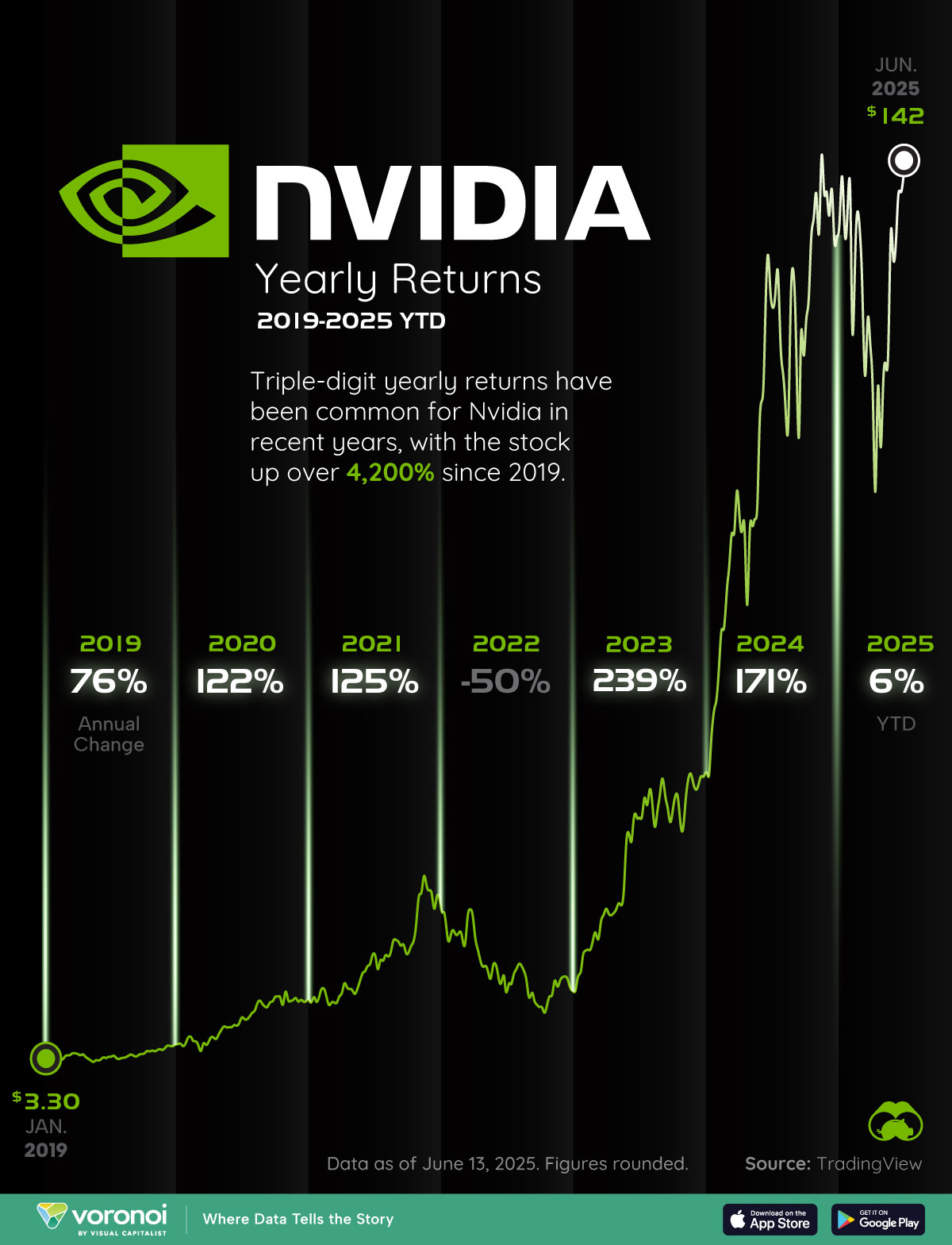
Understanding Nvidia (NVDA) as a Financial Asset
When an investor buys a share of Nvidia, they are purchasing a fractional ownership of a global leader in accelerated computing. From a financial perspective, Nvidia is classified as a “growth stock,” meaning it is expected to grow at a rate significantly above the average for the market.
Market Capitalization and Index Weighting
Nvidia’s rise to a multi-trillion-dollar valuation is one of the fastest in corporate history. Market capitalization is calculated by multiplying the current share price by the total number of outstanding shares. For investors, Nvidia’s massive market cap means it carries “heavyweight” status in passive investment vehicles. Because most popular ETFs (Exchange-Traded Funds) and mutual funds are market-cap weighted, as Nvidia’s value grows, it occupies a larger percentage of these funds. Consequently, when you invest in a generic “total market fund,” a significant portion of your money is likely flowing directly into Nvidia stock.
Stock Splits and Shareholder Liquidity
A defining characteristic of Nvidia’s financial history is its use of stock splits. While a stock split does not change the fundamental value of the company (it is akin to cutting a pizza into more slices), it lowers the price per individual share. This move is designed to increase “liquidity”—making the stock more accessible to retail investors who might be intimidated by a four-digit share price. For the long-term investor, tracking these splits is vital for understanding historical price action and adjusted earnings per share (EPS).
Dividend Policy vs. Growth Reinvestment
Unlike traditional “value” stocks or utility companies that pay out large portions of their profits to shareholders in the form of dividends, Nvidia maintains a relatively low dividend yield. From a capital allocation perspective, this is intentional. Management believes that the “Return on Investment” (ROI) is higher when they reinvest profits back into Research and Development (R&D) rather than distributing cash. Investors in NVDA typically look for “capital appreciation” (the stock price going up) rather than “income” (regular dividend checks).
The Fundamental Drivers of Nvidia’s Valuation
To determine if a stock is a “buy,” “hold,” or “sell,” investors look at the underlying business fundamentals. Nvidia’s financial health is currently tied to its dominance in several high-margin sectors.
Revenue Streams: The Shift to Data Centers
A decade ago, Nvidia was primarily a gaming company. Today, the “Data Center” segment is its largest and most profitable revenue stream. This shift is a critical piece of the financial puzzle. Data centers house the massive clusters of chips required to train Large Language Models (LLMs) like ChatGPT. As cloud service providers (Microsoft, Google, and Amazon) increase their capital expenditure to build AI infrastructure, Nvidia’s top-line revenue sees exponential growth. Investors monitor “CapEx” reports from these tech giants as a leading indicator of future demand for Nvidia’s products.
Profit Margins and Pricing Power
One of the most impressive metrics in Nvidia’s financial reports is its “Gross Margin.” In the semiconductor industry, margins can be thin due to high manufacturing costs. However, Nvidia often boasts gross margins exceeding 70%. This indicates immense “pricing power.” Because their technology is currently considered the industry standard with few viable competitors, they can charge premium prices. For a shareholder, high margins provide a “margin of safety,” allowing the company to remain profitable even if production costs rise or economic conditions soften.
Year-over-Year (YoY) Earnings Growth
Wall Street is obsessed with growth rates. Nvidia has frequently surprised analysts by doubling or even tripling its revenue on a year-over-year basis. This type of growth is rare for a company of its size. When analyzing Nvidia stock, investors look at “Earnings Per Share” (EPS) growth. If the EPS grows faster than the stock price, the stock might actually become “cheaper” on a valuation basis even as the price increases. This paradox is central to the “Growth at a Reasonable Price” (GARP) investment strategy.

Risks and Volatility in Semiconductor Investing
No investment is without risk, and Nvidia is no exception. Its high-flying stock price comes with specific vulnerabilities that every investor must weigh against the potential rewards.
The Cyclical Nature of the Chip Market
Historically, the semiconductor industry is “cyclical.” This means it goes through periods of massive “boom” (where demand outstrips supply) followed by “bust” (where there is an oversupply of chips and prices plummet). While the current AI boom feels permanent, seasoned investors remember the “crypto-mining” crash of 2018, where Nvidia stock took a significant hit after demand from cryptocurrency miners evaporated. Understanding where we are in the “AI cycle” is the most difficult challenge for NVDA investors today.
Geopolitical Risks and Supply Chain Constraints
Nvidia is a “fabless” chipmaker, meaning they design the chips but do not own the factories that build them. They rely heavily on the Taiwan Semiconductor Manufacturing Company (TSMC). This creates a geopolitical “single point of failure.” Any instability in the Taiwan Strait or trade restrictions between the U.S. and China regarding high-end AI chips can lead to immediate and sharp declines in the stock price. Institutional investors often hedge their Nvidia positions to protect against these “black swan” geopolitical events.
Valuation Concerns: The “P/E Ratio” Debate
The most common criticism of Nvidia stock is its valuation. Using the Price-to-Earnings (P/E) ratio, the stock often appears “expensive” compared to the rest of the market. Skeptics argue that the market has priced in “perfection,” leaving no room for error. If Nvidia misses an earnings estimate by even a small margin, the stock can experience double-digit percentage drops in a single day. Prospective investors must decide if they are willing to pay a premium for growth or if the “valuation multiple” has become unsustainable.
How to Analyze and Invest in Nvidia Stock
For those looking to gain exposure to Nvidia, there are several financial strategies to consider, ranging from conservative to aggressive.
Direct Stock Ownership vs. ETFs
The most straightforward way to invest is by purchasing shares of NVDA directly through a brokerage. This offers the highest potential reward but also the highest risk, as your capital is tied to a single company. Alternatively, investors can seek “diversified exposure” through sector-specific ETFs like the VanEck Semiconductor ETF (SMH) or broad tech ETFs like the Invesco QQQ. In these funds, Nvidia is often a top holding, allowing you to benefit from its growth while mitigating the impact if the company faces a specific setback.
Dollar-Cost Averaging into High-Growth Tech
Because Nvidia is known for high “Beta” (meaning it moves more sharply than the overall market), timing the perfect entry point is notoriously difficult. Many financial advisors recommend “Dollar-Cost Averaging” (DCA). By investing a fixed amount of money at regular intervals (e.g., $500 every month), you buy more shares when the price is low and fewer when the price is high. This strategy smooths out the “volatility” and reduces the emotional stress of watching daily price swings.
Long-term Horizon vs. Short-term Speculation
It is vital to distinguish between “investing” and “trading.” Short-term speculators often use “options” or “leverage” to bet on Nvidia’s quarterly earnings reports. This is high-stakes gambling that can lead to total loss of capital. Conversely, long-term investors focus on the “secular trend” of AI and digital transformation. If you believe that the global economy will continue to digitize over the next decade, holding Nvidia stock as a core position in a diversified portfolio may be a more prudent financial path.

Conclusion: Nvidia’s Role in a Modern Portfolio
Nvidia stock is more than just a ticker symbol; it is a financial barometer for the 4th Industrial Revolution. Its unique combination of explosive revenue growth, dominant market share, and high profitability has made it a favorite among institutional and retail investors alike.
However, the “Money” side of the Nvidia story reminds us that with great reward comes significant risk. The stock’s high valuation and sensitivity to geopolitical tensions require a disciplined approach. Whether you choose to own it directly or through a diversified fund, Nvidia represents a shift in how value is created in the 21st century. As the financial world moves deeper into the age of artificial intelligence, Nvidia stock will likely remain at the center of the conversation, serving as both a source of immense wealth creation and a lesson in the complexities of modern market dynamics.
aViewFromTheCave is a participant in the Amazon Services LLC Associates Program, an affiliate advertising program designed to provide a means for sites to earn advertising fees by advertising and linking to Amazon.com. Amazon, the Amazon logo, AmazonSupply, and the AmazonSupply logo are trademarks of Amazon.com, Inc. or its affiliates. As an Amazon Associate we earn affiliate commissions from qualifying purchases.