
In the increasingly interconnected world of the 21st century, our digital footprints are more extensive and revealing than ever before. From social media posts and online purchases to professional networking profiles and even casual forum discussions, we leave behind a trail of information. While this connectivity offers immense benefits, it also exposes us to new and concerning risks. One of the most significant and invasive of these risks is “doxxing.”
The term “doxxing,” a portmanteau of “documents” and “posting,” refers to the act of publicly revealing private or identifying information about an individual or organization, usually with malicious intent. This information, often obtained through hacking, data breaches, or simply diligent online sleuthing, can include a person’s real name, home address, workplace, phone number, email address, financial details, and even sensitive personal information like family members’ details or medical history. The intent behind doxxing is rarely benign; it is a powerful tool used to intimidate, harass, shame, extort, or endanger the target.
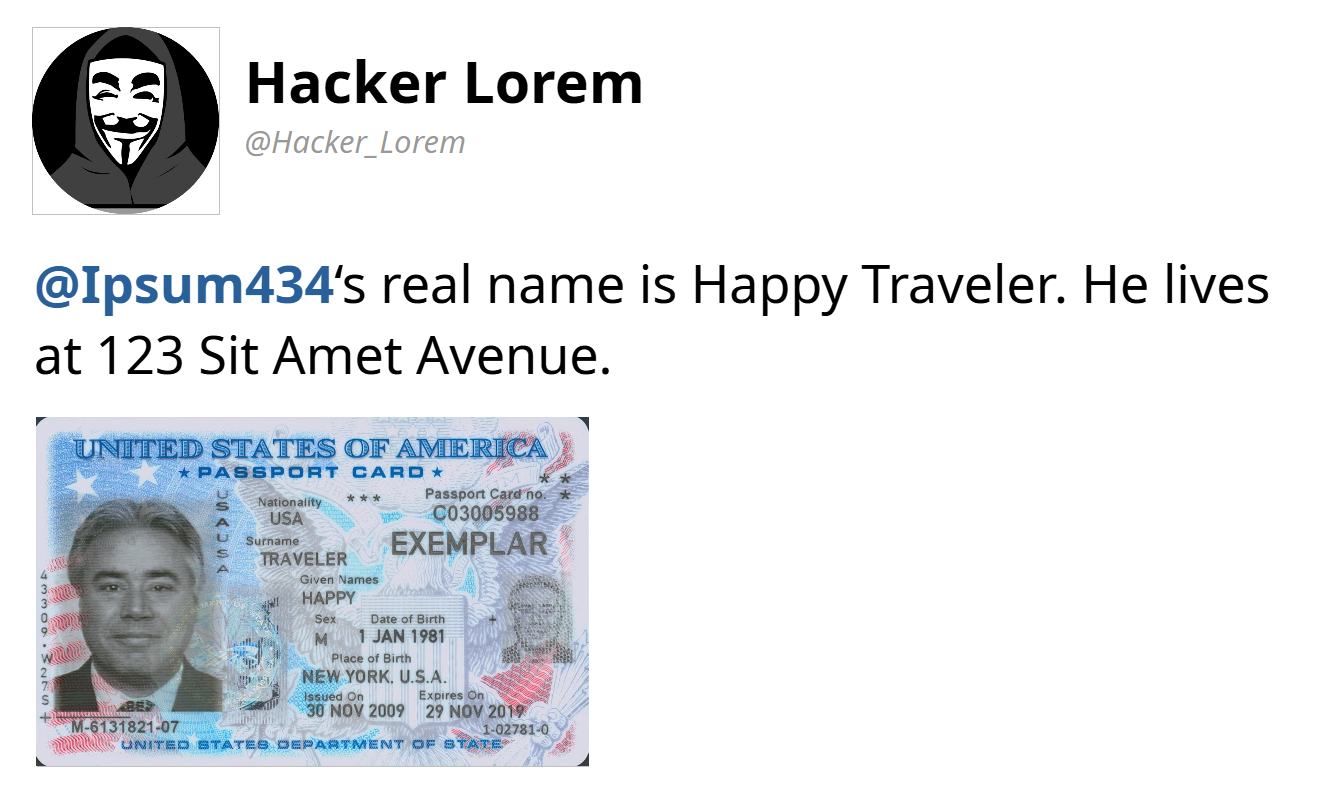
Understanding what it means to get doxxed is crucial for navigating the modern digital landscape. It’s not just about a public embarrassment; it’s about the erosion of personal safety, reputation, and peace of mind. This article will delve into the core of what doxxing entails, its motivations, the devastating consequences it can have, and importantly, how to protect yourself in an era where personal data is a valuable and often vulnerable commodity.
The Mechanics and Motivations Behind Doxxing
Doxxing is not a spontaneous outburst; it’s a deliberate act that requires a degree of technical know-how or persistent investigative effort. The information is rarely found in one single, easily accessible place. Instead, doxxers piece together an individual’s identity by aggregating data from various online sources. This process highlights the interconnectedness of our digital lives and the potential for seemingly innocuous pieces of information to be combined into a damning exposé.
How Information is Gathered: A Digital Detective’s Toolkit
The methods employed by doxxers vary in sophistication, ranging from basic open-source intelligence (OSINT) techniques to more aggressive hacking.
-
Publicly Available Information Aggregation: This is the most common and accessible method. Doxxers meticulously comb through:
- Social Media Profiles: Even “private” accounts can reveal connections, locations, and personal details through friends’ networks, past posts, or metadata. Old, forgotten profiles can be a goldmine.
- Professional Networking Sites: LinkedIn, for instance, provides employment history, connections, and sometimes even past project details.
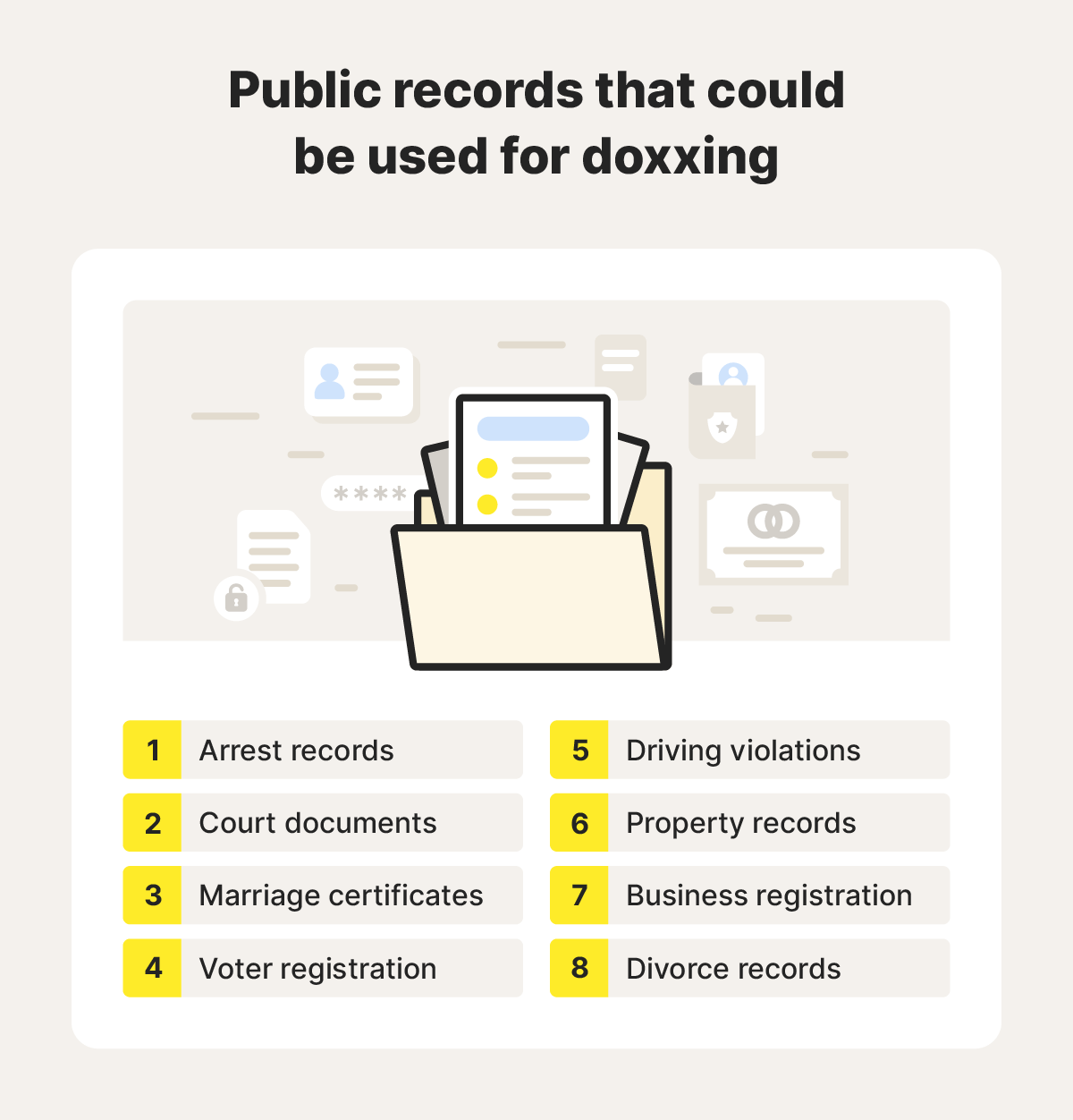
- Public Records: Websites that list property ownership, court records, voter registration, and business filings can be invaluable.
- Forum and Blog Archives: Old posts on forums, comment sections of blogs, or even early versions of personal websites can contain outdated but still identifying information.
- Search Engines: A persistent Google search can uncover a surprising amount of information, especially when combined with specific keywords or usernames.
- Reverse Image Search: Using a profile picture can sometimes lead to other social media accounts or websites where the individual has a presence.
-
Exploiting Data Breaches: Major data breaches are unfortunately common, and the leaked information often ends up for sale on the dark web. Doxxers can purchase or find these leaked databases, which may contain usernames, passwords, email addresses, and even sensitive personal information, and then cross-reference them with other online profiles to identify individuals.
-
Social Engineering: This involves manipulating individuals into revealing personal information. This can range from phishing emails designed to trick users into providing login credentials to more elaborate schemes that build trust and extract details.
-
Hacking and Malware: While more technically demanding, some doxxers resort to hacking into personal accounts or using malware to gain access to devices and steal information. This can include accessing emails, cloud storage, or even directly compromising a device.
-
“People Finder” Websites: Numerous websites exist that aggregate publicly available information from various sources, making it easier for anyone to search for individuals and find their contact details and addresses. While often used for legitimate purposes like reconnecting with old friends, these sites are also a prime resource for doxxers.
The Spectrum of Motivations: Why Doxxing Happens
The reasons behind doxxing are as varied as the individuals who perpetrate it, but they almost always stem from a desire to inflict harm or exert control.
-
Revenge and Retaliation: This is a common driver. Someone might feel wronged, insulted, or betrayed by an individual and use doxxing as a way to get back at them, often for perceived slights in online gaming, social media disputes, or personal disagreements.
-
Cyberbullying and Harassment: Doxxing is a potent weapon in the arsenal of cyberbullies. By revealing personal details, they aim to amplify the distress and fear experienced by their victim, often leading to real-world harassment, threats, and intimidation.
-
Political or Social Activism (Extremist Forms): In some cases, doxxing can be employed by individuals or groups with strong political or social agendas, particularly when they disagree with an individual’s stance or actions. This can range from exposing perceived hypocrisy to targeting individuals they believe are causing societal harm. However, it’s crucial to distinguish this from legitimate investigative journalism or whistleblowing, as doxxing often crosses ethical and legal boundaries.
-
Extortion and Blackmail: Doxxers may threaten to release sensitive information unless a ransom is paid, leveraging the victim’s fear of reputational damage or personal harm.

-
“Justice” or Vigilantism: Some individuals believe they are acting as arbiters of justice, exposing people they deem to be “bad actors,” criminals, or unethical individuals. However, this often bypasses due process and can have devastating consequences for innocent people caught in the crossfire.
-
Trolling and “Lulz” (Amusement): For some, doxxing is simply a form of entertainment, a way to cause chaos and derive amusement from the distress of others. This is particularly prevalent in online communities where anonymity can foster a sense of detachment from the consequences of their actions.
The Devastating Ripple Effect: Consequences of Being Doxxed
Being doxxed is not a minor inconvenience; it can have profound and lasting negative impacts on an individual’s life, affecting their personal safety, professional standing, and mental well-being. The digital attack can easily spill over into the physical world, creating a pervasive sense of vulnerability.
Personal and Emotional Turmoil
The immediate aftermath of being doxxed is often characterized by intense fear, anxiety, and distress. The realization that one’s private life is now an open book for anyone to scrutinize can be deeply unsettling.
- Constant Fear for Safety: Knowing your home address and personal details are public can lead to a constant fear of physical harm, stalking, or home invasion. Every unfamiliar car or knock at the door can trigger panic.
- Harassment and Threats: Doxxed individuals often become targets of relentless online harassment, including abusive messages, threats of violence, and public shaming. This can extend to their friends, family, and colleagues.
- Reputational Damage: The leaked information, or the narrative constructed around it by the doxxers, can severely damage an individual’s reputation. This can impact personal relationships, social standing, and even lead to ostracization.
- Mental Health Impact: The prolonged stress, fear, and harassment associated with doxxing can lead to significant mental health issues, including anxiety disorders, depression, and post-traumatic stress disorder (PTSD).
- Erosion of Trust: The violation of privacy can lead to a deep sense of distrust towards others, especially in online interactions, making it difficult to form new relationships or engage freely.
Professional and Financial Repercussions
The consequences of doxxing are not limited to personal life; they can have significant professional and financial ramifications.
- Job Loss and Career Stagnation: Employers are increasingly wary of employees who become embroiled in public scandals. Doxxed individuals may face termination, be passed over for promotions, or find it difficult to secure new employment. Clients or business partners may also sever ties.
- Financial Fraud and Identity Theft: The leaked personal information can be used by malicious actors to commit financial fraud, open fraudulent accounts, or engage in identity theft, leading to significant financial losses and a long, arduous process of recovery.
- Disruption of Business Operations: For businesses or public figures, doxxing can lead to targeted attacks on their operations, including denial-of-service attacks, reputational damage campaigns, and even threats to employees.
- Legal Ramifications (for the victim): In some unfortunate cases, doxxed individuals might face legal scrutiny or harassment based on false accusations or misinformation spread by the doxxers.
Protecting Yourself: Fortifying Your Digital Defenses
While the threat of doxxing can seem overwhelming, there are proactive steps you can take to significantly reduce your vulnerability. The key is to adopt a mindset of digital hygiene and to be mindful of the information you share online.
Strengthening Your Online Privacy Posture
This involves a multi-layered approach to securing your personal information and minimizing your digital footprint.
- Audit Your Online Presence: Regularly search for your name and common usernames online. Identify any old, forgotten social media profiles or online accounts that may still contain outdated but identifying information. Delete or secure these accounts.
- Review Social Media Privacy Settings: Go through the privacy settings of all your social media accounts with a fine-tooth comb. Limit who can see your posts, your friends list, your location, and your personal details. Be judicious about what you share publicly.
- Use Strong, Unique Passwords and Two-Factor Authentication (2FA): This is a fundamental security measure. Employ a password manager to generate and store complex passwords for each of your online accounts. Enable 2FA wherever possible; this adds an extra layer of security, requiring a second form of verification beyond just your password.
- Be Cautious About Sharing Personal Information: Think twice before sharing your full name, date of birth, address, phone number, or workplace on public forums, social media, or in online forms. Even seemingly innocuous details can be pieced together.
- Understand Data Breach Risks: Be aware that your data can be compromised through no fault of your own. Regularly monitor your financial accounts for any suspicious activity and consider using services that alert you to potential data breaches involving your information.
- Secure Your Devices: Ensure your computers, smartphones, and tablets are protected with strong passcodes or biometric security. Keep your operating systems and software updated to patch security vulnerabilities.
- Educate Your Family: If you have children or other family members who are active online, educate them about the risks of oversharing personal information and the importance of online safety.
Reacting and Recovering if You Are Doxxed
If, despite your best efforts, you find yourself a victim of doxxing, immediate and strategic action is crucial.
- Do Not Engage with the Doxxer: Responding to doxxers often fuels their behavior and can escalate the situation. Avoid the temptation to confront them directly online.
- Document Everything: Take screenshots of the doxxing posts, any harassment you receive, and any evidence of the leaked information. This documentation will be vital if you decide to report the incident.
- Report the Incident:
- To the Platform: Report the doxxing content and the offending user to the social media platform, forum, or website where it occurred. Most platforms have policies against harassment and doxxing.
- To Law Enforcement: Depending on the severity of the threats and the nature of the leaked information, consider reporting the incident to your local law enforcement agency. While legal recourse can be challenging, law enforcement may be able to investigate or offer guidance.
- To Cybercrime Units: Many countries have specialized cybercrime units that can assist with online threats and harassment.
- Seek Legal Counsel: If the doxxing has resulted in significant reputational damage, financial loss, or threats of violence, consult with an attorney specializing in cyber law or privacy rights.
- Protect Your Financial Information: Immediately change passwords for financial accounts and monitor them closely for any suspicious activity. Consider placing fraud alerts on your credit reports.
- Take a Digital Break and Seek Support: The emotional toll of doxxing can be immense. Consider taking a break from social media and online platforms if possible. Reach out to trusted friends, family, or mental health professionals for support.
- Consider Data Removal Services: There are professional services that can help remove your personal information from people-finder websites and other data aggregation sites. While not always foolproof, they can be a valuable resource.
In conclusion, understanding what it means to get doxxed is an essential part of digital literacy today. It is a stark reminder that the information we put out into the world, even seemingly harmlessly, can be weaponized. By remaining vigilant, adopting robust online security practices, and knowing how to react if the worst happens, we can better protect ourselves and our privacy in the ever-evolving digital landscape. The fight for digital privacy is ongoing, and awareness is our first and most powerful line of defense.
aViewFromTheCave is a participant in the Amazon Services LLC Associates Program, an affiliate advertising program designed to provide a means for sites to earn advertising fees by advertising and linking to Amazon.com. Amazon, the Amazon logo, AmazonSupply, and the AmazonSupply logo are trademarks of Amazon.com, Inc. or its affiliates. As an Amazon Associate we earn affiliate commissions from qualifying purchases.