
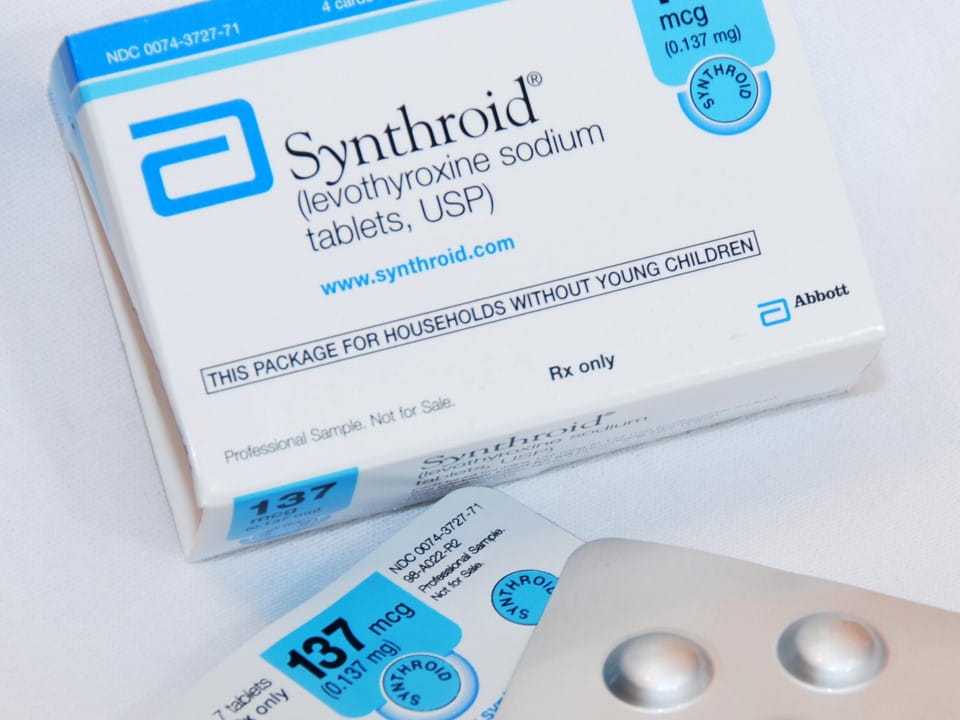
Synthroid, a brand name synonymous with levothyroxine sodium, is a widely prescribed medication for hypothyroidism, a condition where the thyroid gland doesn’t produce enough hormones. For millions of individuals managing this chronic condition, understanding their treatment options, including the availability and implications of generic alternatives, is crucial. This article delves into the world of generic drugs, specifically in the context of Synthroid, exploring what they are, how they work, and what factors to consider when choosing between brand-name and generic options. We’ll also touch upon the underlying technologies, marketing strategies, and financial considerations that influence the availability and affordability of these essential medications.
The Science Behind Generic Levothyroxine: A Deep Dive into Bioequivalence
The fundamental principle behind generic drugs is bioequivalence. This means that a generic drug contains the same active ingredient as its brand-name counterpart, in the same dosage form, strength, and route of administration. Crucially, it must deliver the same amount of active ingredient into the bloodstream over the same period. This isn’t a haphazard process; regulatory bodies like the U.S. Food and Drug Administration (FDA) have rigorous standards to ensure that generic medications are as safe and effective as their brand-name origins.
Understanding the Active Ingredient: Levothyroxine Sodium
At its core, Synthroid is levothyroxine sodium. This synthetic form of thyroxine (T4), a hormone naturally produced by the thyroid gland, is essential for regulating metabolism, energy levels, and numerous bodily functions. When the thyroid gland is underactive, the body struggles to maintain these processes, leading to a range of symptoms such as fatigue, weight gain, cold intolerance, and cognitive difficulties. Levothyroxine sodium works by replacing or supplementing the insufficient thyroid hormone, thereby restoring normal bodily functions.
The Bioequivalence Testing Process
To gain FDA approval, a generic drug manufacturer must demonstrate that their product is bioequivalent to the reference listed drug (RLD), which in this case is Synthroid. This involves a series of studies, primarily pharmacokinetic studies, which measure the rate and extent to which the active ingredient is absorbed into the body. Blood samples are taken from healthy volunteers after they have taken both the brand-name drug and the generic version. The concentration of the drug in the blood is then analyzed over time.
The FDA’s stringent guidelines require that the generic’s absorption rate and extent fall within a narrow window – typically 80% to 125% – of the brand-name drug. This range ensures that the generic medication will produce the same therapeutic effect as the brand-name drug. It’s important to note that bioequivalence studies are not clinical trials that test efficacy and safety in patients with the condition. Those have already been established by the brand-name drug. The generic approval process focuses on demonstrating that the generic formulation performs identically in the body to the original.
Differences in Inactive Ingredients: What You Need to Know
While the active ingredient is identical, generic drugs may contain different inactive ingredients. These are the non-medicinal components of a pill, such as fillers, binders, coatings, and colorants. The presence of different inactive ingredients is generally not a cause for concern, as they do not affect the drug’s pharmacological activity. However, for individuals with specific allergies or sensitivities to certain inactive ingredients, it’s always advisable to discuss this with their healthcare provider or pharmacist. In rare cases, a difference in inactive ingredients could lead to a slight variation in how quickly a pill dissolves, which might, in extremely rare instances, lead to minor absorption differences. This is why ongoing pharmacovigilance and patient reporting are vital.
Navigating the Brand vs. Generic Landscape: Strategic Considerations
The decision between a brand-name drug like Synthroid and its generic equivalent often involves a blend of strategic thinking from pharmaceutical companies, marketing prowess, and informed consumer choices. Understanding the motivations and mechanisms behind these choices can empower patients to make the best decisions for their health and finances.
The Role of Brand Strategy and Intellectual Property
When a pharmaceutical company develops a new drug, they invest heavily in research, development, and clinical trials. To recoup these costs and profit from their innovation, they are granted patent protection. This patent grants them exclusive rights to manufacture and sell the drug for a specified period. During this time, the drug is only available under its brand name. This exclusivity allows the company to establish a strong brand identity and market share.
Once the patent expires, other pharmaceutical companies can apply to the FDA to produce generic versions of the drug. This is where the competitive landscape shifts. The brand-name manufacturer may continue to market their product, leveraging established brand recognition and trust built over years of marketing and patient use. They might employ strategies such as emphasizing specific formulations, offering patient support programs, or highlighting a perceived difference in quality.
Marketing and Consumer Perception: Building Trust and Awareness
The pharmaceutical industry invests significantly in marketing, both to healthcare professionals and directly to consumers. For brand-name drugs like Synthroid, extensive marketing campaigns aim to build awareness, trust, and loyalty. This can include advertising, educational materials for doctors, and physician detailing. The goal is to position the brand as the gold standard, reliable, and the preferred choice.
When generic alternatives enter the market, the marketing landscape changes. Generic manufacturers typically focus on highlighting their product’s affordability and bioequivalence. Their marketing efforts might be more targeted towards pharmacies and insurance providers, emphasizing cost savings. However, consumer perception can be influenced by years of brand familiarity. Some patients may inherently trust the brand-name drug more, even when a generic alternative is proven to be equally effective. This highlights the power of brand building and the need for clear, consistent communication about the safety and efficacy of generic medications.
The Financial Imperative: Cost Savings and Accessibility
One of the most significant advantages of generic drugs is their affordability. Because generic manufacturers do not have to bear the initial research and development costs, they can produce and sell their drugs at a substantially lower price. This cost difference can be considerable, making a significant impact on an individual’s out-of-pocket expenses.
For individuals managing chronic conditions like hypothyroidism, who often require lifelong medication, the financial implications are profound. Choosing a generic levothyroxine can lead to substantial savings over time, freeing up personal finances for other essential needs or investments. This aligns with the broader financial topic of personal finance, where informed decisions about healthcare spending directly impact an individual’s overall financial well-being.
Furthermore, the availability of affordable generic drugs enhances accessibility to essential medications. For those with limited insurance coverage or facing high deductibles, generic options can be the difference between being able to afford their treatment or not. This has a ripple effect, potentially leading to better health outcomes for a wider population and reducing the burden on healthcare systems. The “Money” aspect of the website’s topics becomes central here, emphasizing how smart choices regarding medication can contribute to financial health.
The Technology and Digital Landscape of Medication Management
The journey from drug development to patient access is increasingly intertwined with technology. From the sophisticated processes of drug manufacturing to the digital tools that help patients manage their prescriptions, technology plays a pivotal role in the world of generic medications.
Advancements in Pharmaceutical Manufacturing Technology
The production of generic drugs relies on sophisticated manufacturing technologies that ensure consistent quality and purity. These technologies include advanced chemical synthesis, precise formulation techniques, and rigorous quality control measures. Automation and sophisticated process control systems are employed to maintain tight tolerances and minimize the risk of errors. The development of new drug delivery systems, even for generic formulations, can also be influenced by technological advancements, although the focus for generics remains on replicating the core therapeutic function.
Digital Tools for Medication Adherence and Management
The digital age has provided patients with a wealth of tools to manage their health, including their medications. Numerous apps and software are available that can help individuals:
- Set medication reminders: Ensuring timely doses are taken is critical for managing thyroid conditions effectively.
- Track medication history: This can be invaluable for sharing with healthcare providers and identifying any potential patterns or issues.
- Manage prescription refills: Avoiding running out of medication is crucial.
- Access educational resources: Many apps provide information about medications, conditions, and healthy living.
- Connect with healthcare providers: Telehealth platforms and patient portals facilitate communication and streamline prescription management.
These productivity-enhancing digital tools empower patients to take a more active role in their healthcare, improving adherence and potentially leading to better treatment outcomes. The integration of AI tools is also beginning to play a role in personalized medicine, though for established generics, the primary focus remains on reliable and accessible production.
Digital Security and Data Privacy in Healthcare
As more health information is digitized, digital security and data privacy become paramount. When using apps or online portals for managing prescriptions, it’s essential to ensure that platforms employ robust security measures to protect sensitive personal health information. Understanding privacy policies and choosing reputable applications are key steps in safeguarding one’s data.
Conclusion: Informed Choices for Thyroid Health
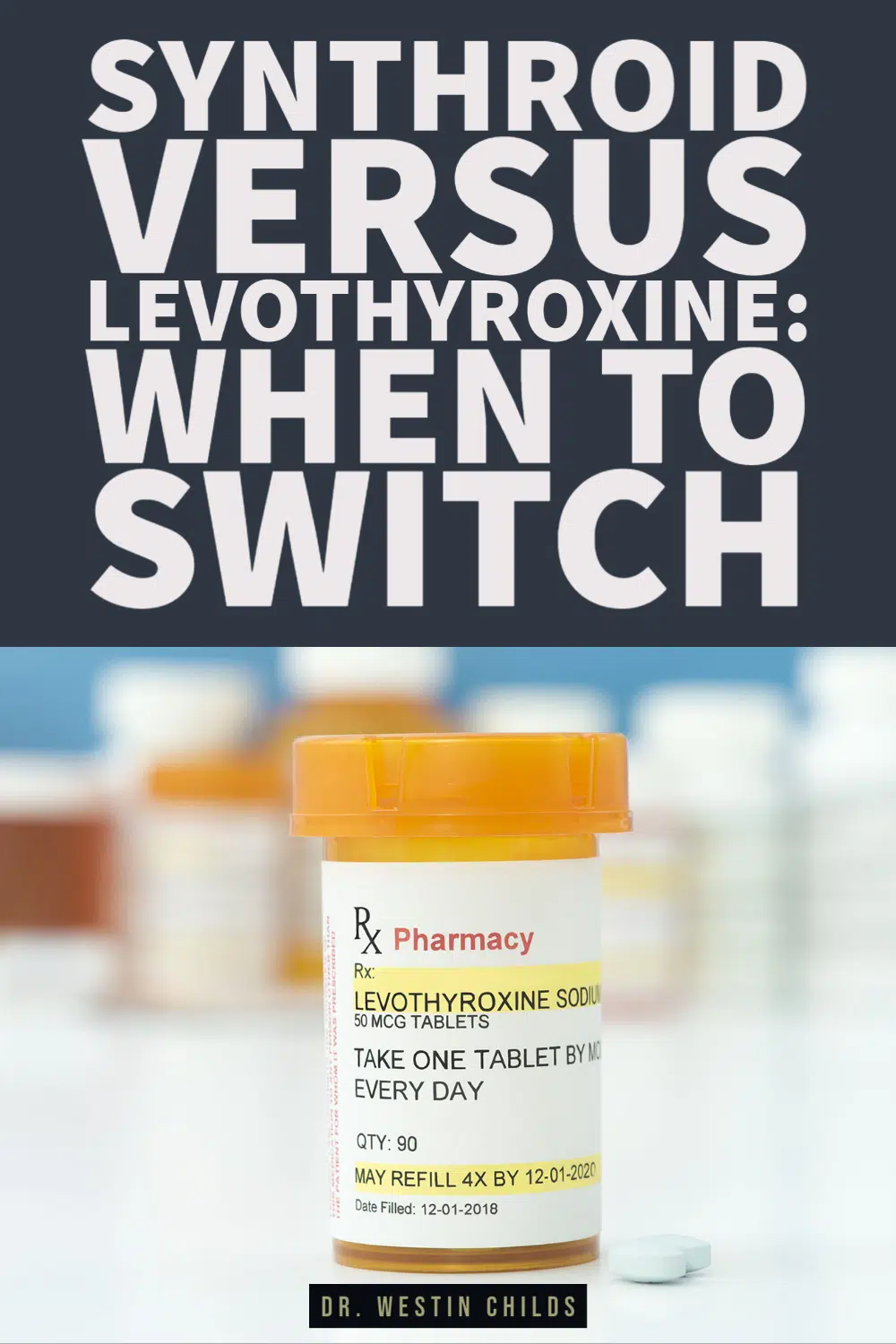
Understanding what a generic drug for Synthroid is boils down to recognizing the principle of bioequivalence. Generic levothyroxine sodium is a scientifically proven alternative that offers the same therapeutic benefits as its brand-name counterpart at a significantly lower cost. This accessibility is not a compromise in quality but a testament to the advancements in pharmaceutical manufacturing and regulatory oversight.
For individuals managing hypothyroidism, the choice between brand-name Synthroid and its generic equivalent is an opportunity to engage in informed decision-making. By considering the scientific basis of generic drugs, understanding the strategic and financial landscapes, and leveraging the available technological tools for medication management, patients can make choices that support both their health and their financial well-being. Consulting with healthcare providers and pharmacists remains essential to ensure personalized treatment plans and address any individual concerns. Ultimately, the availability of generic options empowers individuals to take control of their thyroid health in a more affordable and accessible way.
aViewFromTheCave is a participant in the Amazon Services LLC Associates Program, an affiliate advertising program designed to provide a means for sites to earn advertising fees by advertising and linking to Amazon.com. Amazon, the Amazon logo, AmazonSupply, and the AmazonSupply logo are trademarks of Amazon.com, Inc. or its affiliates. As an Amazon Associate we earn affiliate commissions from qualifying purchases.