
In the ever-evolving landscape of personal technology, understanding the data our devices collect is paramount. Garmin, a household name synonymous with robust GPS devices and fitness trackers, has been increasingly focusing on a metric that goes beyond simple heart rate: Heart Rate Variability (HRV). But what exactly is Garmin HRV, and why should you care about it? This article delves into this crucial physiological indicator, exploring its significance within the broader contexts of technology trends, brand perception, and even financial well-being.
Understanding the Science Behind Heart Rate Variability
At its core, Heart Rate Variability (HRV) refers to the naturally occurring variation in the time interval between consecutive heartbeats. It might seem counterintuitive – we often associate a steady heartbeat with good health. However, the truth is, a healthy heart doesn’t beat like a metronome. The subtle fluctuations in R-R intervals (the time between the R-peaks of the QRS complex on an electrocardiogram) are a direct reflection of your autonomic nervous system (ANS) at work.
The ANS is comprised of two branches: the sympathetic nervous system (SNS) and the parasympathetic nervous system (PNS). The SNS is responsible for the “fight or flight” response, preparing your body for action, and generally increases heart rate and reduces HRV. The PNS, on the other hand, governs the “rest and digest” functions, promoting relaxation and recovery, and typically increases HRV.
The Autonomic Nervous System: The Conductor of Your Heart’s Orchestra
Imagine your ANS as the conductor of your body’s internal orchestra, with your heart rate being one of the instruments. When you’re facing a stressor – be it a looming deadline, a strenuous workout, or even a mental challenge – your sympathetic nervous system ramps up, increasing your heart rate and making the intervals between beats more uniform. This is your body preparing to respond to perceived threats.
Conversely, when you are relaxed, recovering, or engaged in activities that promote calm, your parasympathetic nervous system takes the lead. It signals your heart to slow down, and crucially, it introduces more variability into the timing of your heartbeats. This variability signifies a well-balanced and adaptable ANS, capable of efficiently responding to both stress and recovery.
What Garmin HRV Data Tells You
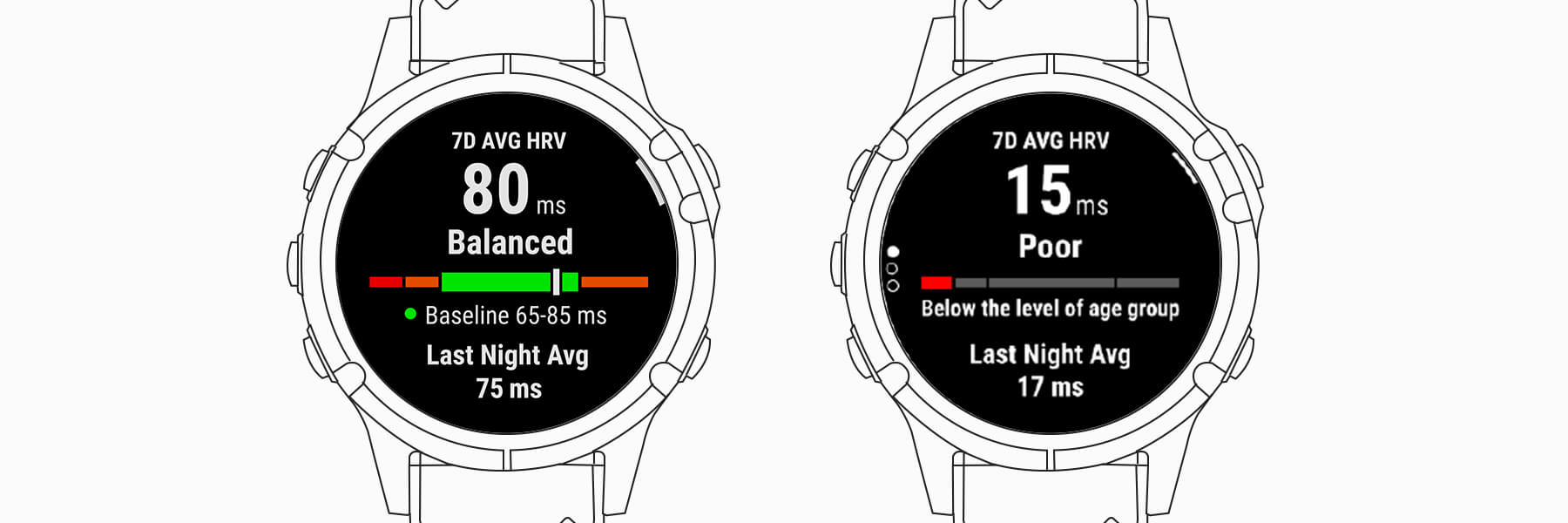
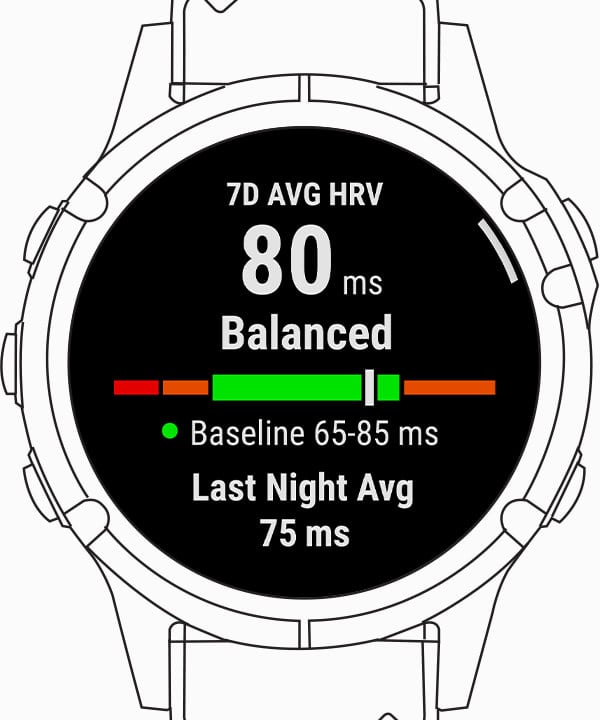
Garmin devices, equipped with advanced optical heart rate sensors, continuously monitor your heart rate. Over time, they analyze the subtle variations in these readings to calculate your HRV. This data isn’t just a random number; it’s a window into your body’s physiological state and its ability to cope with stress, recover from exertion, and adapt to daily demands.
Higher HRV generally indicates a greater balance between your sympathetic and parasympathetic nervous systems, suggesting that your body is in a more relaxed, recovered, and resilient state. Lower HRV, on the other hand, can be an indicator of stress, fatigue, illness, or insufficient recovery.
Garmin HRV in the Tech Ecosystem: Beyond Fitness Tracking
While Garmin’s roots are firmly planted in fitness and outdoor pursuits, the implications of understanding HRV extend far beyond athletic performance. In the realm of Tech, Garmin HRV represents a significant advancement in personal health monitoring, pushing the boundaries of what wearable technology can offer.
Wearable Tech and the Rise of Physiological Data
The wearable technology market is booming, with devices like smartwatches and fitness trackers becoming ubiquitous. Initially, these devices focused on simple metrics like step counts and calorie burn. However, the industry has rapidly evolved, incorporating more sophisticated biometric sensors. HRV is a prime example of this evolution, moving from niche medical applications to readily accessible consumer data.
Garmin’s integration of HRV tracking into its popular devices positions them at the forefront of this trend. It signifies a shift from simply tracking activity to understanding the body’s response to that activity and its overall state of readiness. This data can be used to inform a multitude of decisions, from optimizing training schedules to managing daily stress levels.
AI and Personalized Insights
The true power of Garmin HRV lies in its integration with advanced algorithms and Artificial Intelligence (AI). Garmin’s companion apps, such as Garmin Connect, process this raw HRV data and present it in a digestible format. More importantly, AI is increasingly being used to:
- Identify Trends: AI can detect subtle long-term patterns in your HRV that might not be immediately obvious to the human eye. This can help identify chronic stress or overtraining long before it leads to burnout or injury.
- Provide Personalized Recommendations: Based on your HRV trends, sleep quality, activity levels, and other collected data, AI can offer tailored advice. This could range from suggesting a lighter workout day to recommending prioritizing sleep or stress-reduction techniques.
- Predict Readiness: Some platforms are starting to use HRV data, combined with AI, to predict your body’s readiness for demanding physical or mental tasks. This allows for more strategic planning of your days and weeks.
- Enhance Sleep Tracking: HRV is a key component in understanding sleep quality. By analyzing how your HRV changes throughout the night, devices can provide deeper insights into the restorative phases of your sleep.
Digital Security and Data Privacy
As our wearables collect more intimate physiological data, the importance of digital security and data privacy becomes paramount. Garmin, like any responsible tech company, invests in robust security measures to protect user data. Understanding what data is collected, how it’s stored, and who has access to it is crucial for consumers. The benefits of understanding HRV must be weighed against the need for secure and private handling of this sensitive information.
Garmin HRV and Brand Perception: Building Trust Through Data
For Garmin, effectively communicating the value and reliability of its HRV tracking is crucial for maintaining and enhancing its Brand. In a competitive market, demonstrating a commitment to advanced, scientifically-backed features builds trust and loyalty among consumers.
Brand Strategy and Feature Differentiation
Garmin’s inclusion of HRV is a strategic move to differentiate its products. While many wearables track heart rate, the emphasis on HRV elevates their offering, appealing to a more health-conscious and data-driven consumer base. This feature becomes a key selling point, demonstrating that Garmin is not just a GPS company, but a leader in personal health intelligence.
Personal Branding and Self-Improvement
For individuals, understanding their Garmin HRV can become an integral part of their personal branding. By actively monitoring and working to improve their HRV, users can project an image of being disciplined, health-conscious, and in control of their well-being. This self-improvement journey, powered by data, can be a powerful tool for personal growth and confidence.
Corporate Identity and Innovation
For Garmin as a corporation, the consistent development and refinement of features like HRV tracking contribute to its corporate identity as an innovative and forward-thinking company. It signals a commitment to research and development, and a dedication to providing users with tools that offer genuine, actionable insights. Case studies showcasing how athletes or individuals have improved their performance or well-being through Garmin HRV data further solidify this positive brand image.
Garmin HRV’s Impact on Your Finances: The Money Connection
While not immediately obvious, the insights gleaned from Garmin HRV can have surprising implications for Money, both personally and indirectly through business.
Personal Finance and Productivity
Stress and burnout are significant drains on productivity, which directly impacts earning potential. By understanding your HRV and using it to manage stress, improve sleep, and optimize your energy levels, you can enhance your overall productivity. This can lead to:
- Improved Focus and Decision-Making: A well-rested and less-stressed individual is more likely to make sound financial decisions, avoid costly mistakes, and be more effective in their job or business.
- Reduced Healthcare Costs: Chronic stress and poor recovery can contribute to a myriad of health problems, leading to increased medical bills. By proactively managing your well-being through HRV insights, you may reduce your long-term healthcare expenditures.
- Enhanced Side Hustle Performance: For those pursuing online income or side hustles, maintaining peak mental and physical performance is crucial. HRV data can help you identify when you’re truly ready to tackle demanding tasks, ensuring your efforts are most effective.
Business Finance and Employee Well-being
For businesses, employee well-being is increasingly recognized as a critical factor in profitability. Companies that encourage or provide tools for employees to manage stress and optimize their health can see tangible benefits:
- Increased Employee Productivity: Happier, healthier employees are generally more productive and engaged.
- Reduced Absenteeism and Presenteeism: When employees are well-rested and less stressed, they are less likely to call in sick or to be at work but not fully functional.
- Improved Employee Retention: Investing in employee well-being can contribute to higher morale and a more positive work environment, leading to better staff retention rates.
While Garmin HRV is primarily a consumer product, the principles it promotes – stress management, recovery, and optimizing physiological states – are directly applicable to fostering a productive and healthy workforce.

Conclusion: Embracing Your Body’s Data with Garmin HRV
Garmin HRV is more than just another data point on your smartwatch. It’s a sophisticated metric that offers a profound look into your body’s resilience, stress levels, and overall readiness. By understanding and utilizing this information, you can make smarter technological choices, strengthen your personal and corporate brands through demonstrable well-being, and even positively impact your financial health by optimizing your productivity and reducing potential health-related costs. As wearable technology continues to advance, metrics like HRV will become increasingly vital tools for navigating the complexities of modern life. Embracing your body’s data, as provided by devices like Garmin, is an investment in your future – a future that is healthier, more productive, and ultimately, more successful.
aViewFromTheCave is a participant in the Amazon Services LLC Associates Program, an affiliate advertising program designed to provide a means for sites to earn advertising fees by advertising and linking to Amazon.com. Amazon, the Amazon logo, AmazonSupply, and the AmazonSupply logo are trademarks of Amazon.com, Inc. or its affiliates. As an Amazon Associate we earn affiliate commissions from qualifying purchases.