
When navigating the complexities of U.S. taxation, especially for those who are not U.S. citizens or residents, certain forms become crucial. One such document, often encountered by foreign individuals, businesses, and other entities receiving income from U.S. sources, is Form 1042-S, Foreign Person’s U.S. Source Income Subject to Withholding. Understanding its purpose, who needs to file it, and what information it contains is vital for compliance and avoiding potential tax liabilities. This article aims to demystify Form 1042-S, breaking down its significance within the context of U.S. tax law, and touching upon its relevance across the domains of Technology, Brand, and Money.
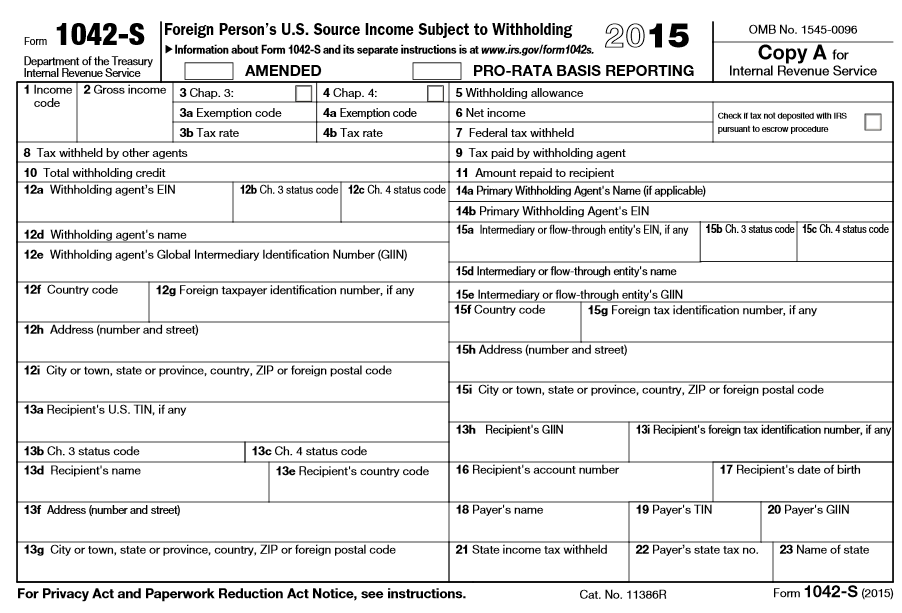
The Core Function of Form 1042-S: Reporting U.S. Source Income for Foreign Persons
At its heart, Form 1042-S is an informational return used by U.S. payers (individuals or entities making payments) to report certain types of U.S. source income paid to foreign individuals or entities. The key word here is “withholding.” This form is directly linked to the U.S. tax system’s mechanism for ensuring that taxes are collected on income earned within the United States by non-resident aliens and foreign entities.
Essentially, if a U.S. payer makes a payment of U.S. source income to a foreign person, and that income is subject to U.S. income tax withholding, the payer is generally required to file Form 1042-S with the Internal Revenue Service (IRS) and provide a copy to the foreign recipient. This reporting mechanism ensures that the IRS is aware of the income earned by foreign persons and that the appropriate amount of tax has been withheld.
Why is Withholding Necessary?
Withholding is a fundamental aspect of the U.S. tax system designed to ensure timely collection of taxes. For foreign persons, this is particularly important because they may not have a physical presence in the U.S. to easily pay taxes directly, or they might be subject to treaty provisions that reduce or eliminate U.S. tax on certain income. By requiring U.S. payers to withhold tax at the source, the government aims to:
- Ensure Tax Compliance: It prevents foreign individuals and entities from earning U.S. source income and leaving the country without fulfilling their tax obligations.
- Facilitate Tax Collection: It streamlines the tax collection process for the IRS, especially when dealing with a large number of foreign recipients.
- Apply Tax Treaties and Exemptions: Withholding rates can be adjusted based on applicable tax treaties between the U.S. and the recipient’s country of residence, or based on specific exemptions that the foreign person may qualify for.
Who Needs to File and Receive Form 1042-S?
The parties involved in the issuance and receipt of Form 1042-S are clearly defined:
U.S. Payers: The Issuers of Form 1042-S
These are the individuals or entities within the United States that make payments of U.S. source income to foreign persons. This can include:
- U.S. Businesses: Corporations, partnerships, and sole proprietorships that pay for services, royalties, rent, interest, dividends, or other forms of income to foreign individuals or entities.
- U.S. Financial Institutions: Banks, brokerages, and other financial entities that pay interest or dividends to foreign account holders.
- U.S. Educational Institutions: Universities and colleges that pay stipends, scholarships, or other income to foreign students or researchers.
- U.S. Individuals: In some cases, even individuals can be payers if they are making payments that meet the criteria for U.S. source income to a foreign person.
Foreign Recipients: The Beneficiaries of Form 1042-S
This category encompasses a broad range of non-U.S. individuals and entities that receive income from U.S. sources. Key examples include:
- Non-Resident Aliens: Individuals who are not U.S. citizens or U.S. resident aliens.
- Foreign Corporations: Businesses incorporated outside of the United States.
- Foreign Partnerships: Partnerships formed and operating under the laws of a foreign country.
- Foreign Governments and International Organizations: While often having special reporting rules, they can also be recipients of income subject to reporting.
- Foreign Estates and Trusts: Estates and trusts established and administered outside of the United States.
Important Distinction: Resident vs. Non-Resident Alien
The determination of whether an individual is a U.S. resident alien for tax purposes is critical. U.S. citizens and resident aliens are generally taxed on their worldwide income, similar to U.S. citizens. Non-resident aliens, on the other hand, are typically taxed only on their U.S. source income. Form 1042-S is specifically for reporting income to foreign persons, which generally includes non-resident aliens and foreign entities.
Key Information Reported on Form 1042-S
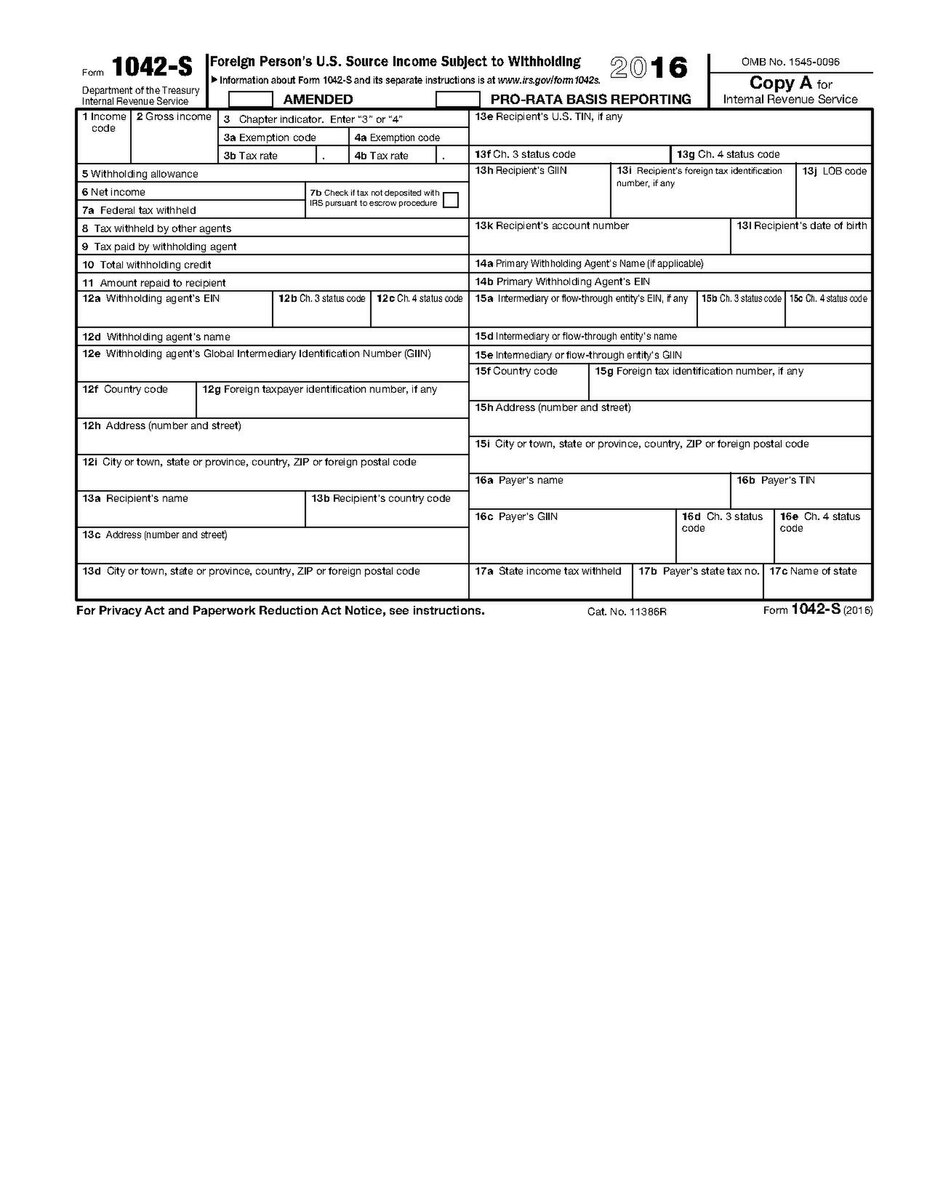
Form 1042-S is a detailed document that provides a comprehensive overview of the income paid and the tax withheld. Understanding its sections is crucial for both the payer and the recipient. Some of the most important fields include:
Identifying the Parties Involved
- Withholding Agent’s Information: This includes the name, address, and U.S. taxpayer identification number (TIN) of the U.S. payer.
- Recipient’s Information: This section captures the name, address, country of residence, and foreign tax identification number (if applicable) of the foreign recipient.
Detailing the Income and Withholding
- Type of Income: A specific code is used to identify the nature of the income paid. This is crucial because different types of income (e.g., dividends, interest, royalties, compensation) are subject to different withholding rates and tax rules. Common examples include:
- Dividends: Income from U.S. company stocks.
- Interest: Income from U.S. debt instruments.
- Royalties: Payments for the use of intellectual property.
- Compensation: Payments for services rendered in the U.S.
- Scholarships and Fellowships: Payments to foreign students.
- Gross Amount of Income: The total amount of U.S. source income paid to the foreign recipient before any withholding.
- Amount of Tax Withheld: The specific amount of U.S. income tax that the U.S. payer has withheld from the payment.
- Exemptions and Treaty Benefits: If the income was exempt from withholding or subject to a reduced rate due to a tax treaty, this will be indicated with specific codes and amounts. This is where the recipient’s country of residence and the specific treaty provisions play a significant role.
Other Important Information
- Foreign Tax Identification Number: If the recipient has a tax identification number in their country of residence, it is often reported.
- Chapter 4 Status: This refers to the classification of the foreign recipient under Chapter 4 of the Internal Revenue Code, which deals with the Foreign Account Tax Compliance Act (FATCA). This is particularly relevant for financial institutions.
How Form 1042-S Intersects with Technology, Brand, and Money
While Form 1042-S is primarily a tax compliance document, its implications ripple through various aspects of business and personal finance, and are increasingly influenced by technology and branding strategies.
Technology and Form 1042-S
The increasing digitization of transactions has a direct impact on the reporting of U.S. source income to foreign persons.
- Digital Payments and Global E-commerce: As businesses operate online and make payments across borders for software, digital services, licensing of digital content, and freelance work, identifying the residency of the recipient becomes paramount. U.S. platforms that facilitate these payments often have sophisticated systems in place to collect the necessary information for Form 1042-S reporting. This includes verifying the recipient’s tax residency and applying appropriate withholding rates based on their country.
- AI and Automation in Tax Compliance: The complexity of Form 1042-S, with its myriad codes and treaty provisions, presents a fertile ground for AI and automation tools. Companies are increasingly using AI-powered software to:
- Automate data collection and validation: Ensuring accurate information is gathered from payers and recipients.
- Determine correct withholding rates: Analyzing tax treaties and U.S. tax laws to apply the appropriate rates.
- Generate and file forms: Streamlining the process of creating and submitting Form 1042-S to the IRS.
- Identify potential compliance risks: Flagging anomalies or inconsistencies that could lead to penalties.
- Digital Security: When collecting sensitive financial and personal information for tax purposes, robust digital security measures are essential. Payers must ensure that the data collected for Form 1042-S is protected from breaches and unauthorized access, adhering to data privacy regulations.
Brand and Form 1042-S
The way a company handles its tax obligations, including the issuance of forms like 1042-S, can subtly impact its brand reputation.
- Reputation for Compliance: A company that diligently and accurately fulfills its tax reporting obligations, including the proper issuance of Form 1042-S, projects an image of trustworthiness and integrity. Conversely, errors or delays in reporting can lead to scrutiny from tax authorities, which can negatively affect a company’s reputation.
- Customer Experience: For foreign individuals or businesses receiving income from a U.S. entity, the clarity and accuracy of the Form 1042-S they receive are important. A well-prepared form can facilitate their own tax filings in their home country and demonstrate professionalism on the part of the U.S. payer. Poorly managed tax documentation can lead to confusion and frustration for the recipient.
- Personal Branding for Freelancers and Independent Contractors: Foreign freelancers or consultants working with U.S. clients may encounter Form 1042-S. Understanding what it is and how it affects their income is part of managing their own financial affairs and personal brand as a reliable professional. They may need to provide a W-8BEN (Certificate of Exemption from Withholding) form to the U.S. payer to claim treaty benefits, which directly influences the information reported on Form 1042-S.
Money and Form 1042-S
The financial implications of Form 1042-S are direct and significant.
- Tax Liability and Withholding: The core purpose of Form 1042-S is to document tax withholding. For foreign recipients, the tax withheld is often a prepayment of their U.S. tax liability. If the amount withheld is more than their actual tax liability, they can claim a refund from the IRS. If it’s less, they may owe additional tax.
- Investment Income: Foreign individuals and entities often invest in U.S. stocks, bonds, and other financial instruments. Dividends and interest earned from these investments are U.S. source income and are frequently subject to withholding. Form 1042-S is used to report these payments and the associated tax. Understanding treaty rates can significantly impact the net return on investment.
- Business Finance and Cross-Border Transactions: For businesses engaged in international trade or providing services across borders, managing U.S. tax withholding is a critical aspect of their financial planning. Incorrect withholding can lead to penalties and interest for the business, impacting their bottom line. Proper use of Form 1042-S ensures accurate financial reporting and compliance.
- Online Income and Side Hustles: For individuals earning income online from U.S.-based clients or platforms, understanding U.S. tax obligations is crucial, even if they are not physically in the U.S. This can include income from freelancing, affiliate marketing, online courses, and other digital ventures. If the income source is considered U.S. source, they may receive a Form 1042-S and need to account for the withheld taxes.
Conclusion: Navigating the Landscape of U.S. Taxation for Foreign Persons
Form 1042-S is a critical piece of the U.S. tax puzzle for foreign individuals and entities receiving income from U.S. sources. It serves as a vital communication tool between U.S. payers and the IRS, detailing income subject to withholding and the tax amounts remitted. Understanding its purpose, the parties involved, and the information it contains is not merely a matter of compliance; it’s essential for managing financial obligations effectively and avoiding unnecessary tax burdens. As technology continues to evolve and global economic interactions become more intertwined, the importance of forms like 1042-S, and the systems that support their accurate and efficient processing, will only grow. For anyone interacting with the U.S. financial system from abroad, a firm grasp of Form 1042-S is a step towards sound financial management and robust tax compliance.
aViewFromTheCave is a participant in the Amazon Services LLC Associates Program, an affiliate advertising program designed to provide a means for sites to earn advertising fees by advertising and linking to Amazon.com. Amazon, the Amazon logo, AmazonSupply, and the AmazonSupply logo are trademarks of Amazon.com, Inc. or its affiliates. As an Amazon Associate we earn affiliate commissions from qualifying purchases.