
The term “forceps” might conjure images of medical professionals in sterile operating rooms, and indeed, their primary and most well-known application lies within the realm of healthcare. However, to understand the true scope of what forceps are used for, we need to broaden our perspective. While the medical field is undeniably central, the fundamental principle behind forceps – providing a controlled grip and manipulation of objects – finds echoes in various industries and even in our personal lives, often aided and enhanced by the very technological advancements that define our website’s focus.
Forceps, at their core, are a pair of levers joined at a common fulcrum, designed to grasp, hold, and manipulate objects. Their design emphasizes precision, control, and a steady hand, characteristics that are highly valued across a diverse range of applications. While the classic surgical forceps are crafted from specialized metals and designed for delicate tissue, the underlying concept is surprisingly adaptable.
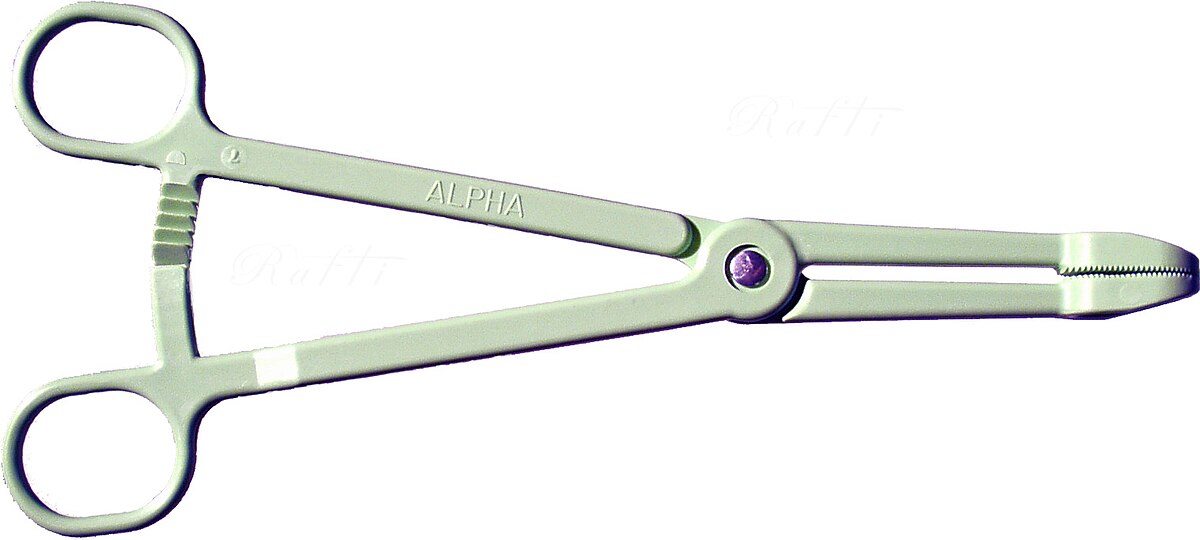
The Medical Marvel: Precision in Healthcare
When most people ask “what is forceps used for,” they are implicitly thinking about their role in medicine. And for good reason. Surgical forceps are indispensable tools in virtually every medical specialty, from obstetrics to neurosurgery. Their primary function is to provide a secure and precise grip on tissues, organs, blood vessels, and other structures during surgical procedures. This allows surgeons to manipulate these delicate elements with accuracy, preventing damage and facilitating complex operations.
In the Delivery Room: Assisting Birth
Perhaps the most commonly recognized use of forceps is in obstetrics. Obstetric forceps are specifically designed to assist in childbirth when the baby is not progressing through the birth canal naturally. They are carefully applied to the baby’s head to gently guide them out. This is a high-stakes procedure, demanding immense skill and experience from the obstetrician. The decision to use forceps is made when there’s concern for the well-being of either the mother or the baby, and a vaginal delivery is still considered the safest option over a Cesarean section. The development of more sophisticated obstetric forceps, along with advanced imaging technologies, has significantly improved the safety and efficacy of this intervention.
In the Operating Theatre: Beyond Childbirth
Beyond obstetrics, forceps are ubiquitous in surgical settings. Surgeons use them for a myriad of purposes:
- Tissue Handling: Forceps are used to gently grasp, lift, and retract tissues to provide a clear view of the surgical field. This prevents tearing and damage to delicate anatomical structures. Different types of forceps are designed for specific tissue consistencies – some have fine, sharp teeth for grasping tougher tissues, while others have smooth, delicate tips for handling more fragile structures.
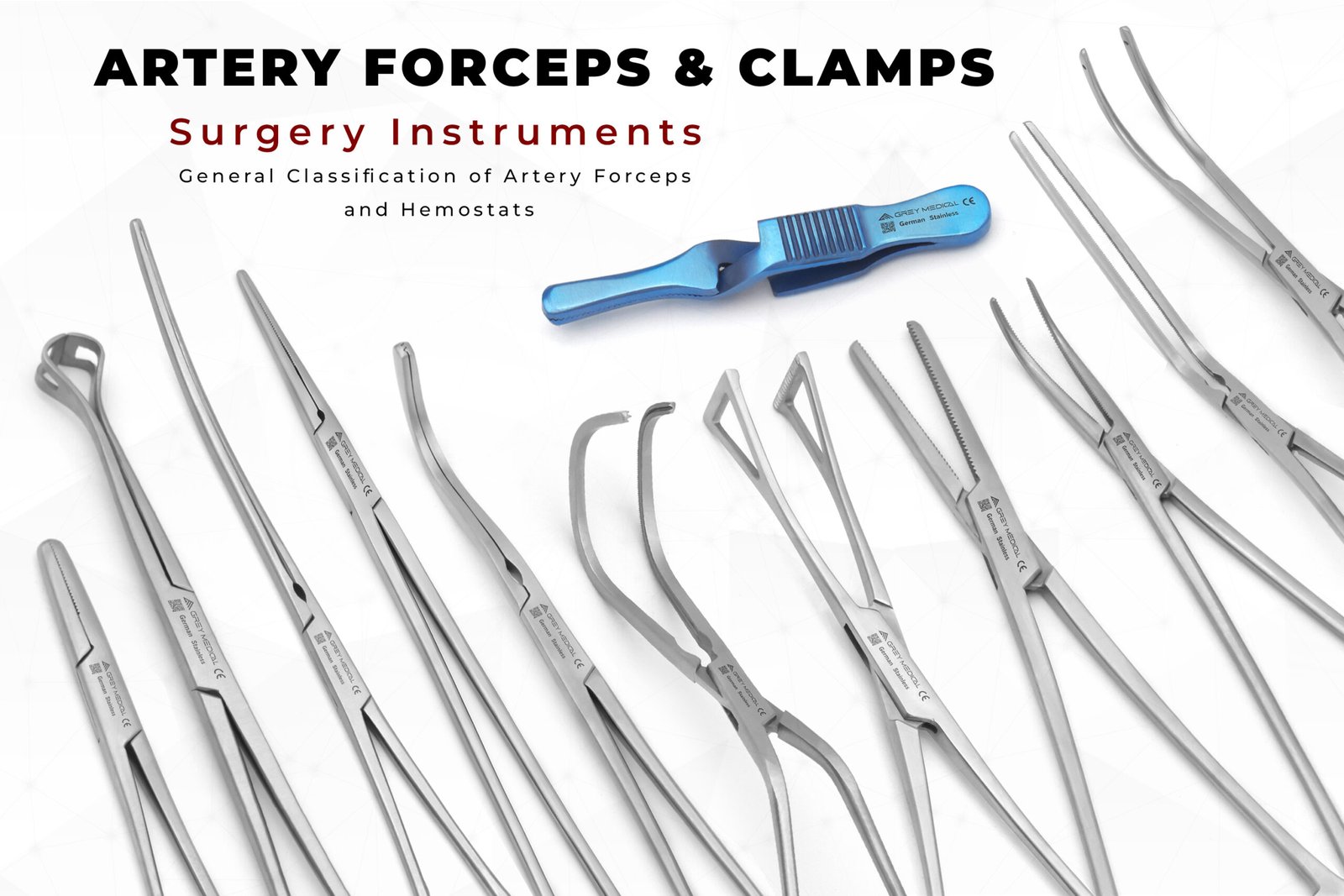
- Hemostasis (Controlling Bleeding): Hemostatic forceps, often referred to as clamps, are crucial for controlling bleeding during surgery. They are designed to clamp off blood vessels, preventing excessive blood loss. These come in various lengths and tip designs, some with serrations to improve grip on vessels.
- Foreign Body Removal: Forceps can be used to carefully extract foreign objects from wounds or body cavities.
- Suture and Dressing Handling: Surgical tweezers, a type of fine forceps, are used to pick up and place sutures (stitches) precisely, as well as to apply and remove dressings.
- Specialized Procedures: Many surgical specialties have developed highly specialized forceps tailored to their unique needs. For example, ophthalmic forceps are incredibly fine and delicate, designed for micro-surgery on the eye. Neurosurgical forceps are also characterized by their extreme precision for working with the brain and spinal cord.
The innovation in surgical instrumentation, driven by advancements in materials science and engineering, continues to refine the design and functionality of forceps. From lightweight titanium alloys that reduce surgeon fatigue to enhanced gripping surfaces achieved through nanotechnology, technology plays a vital role in improving the efficacy and safety of these essential medical tools.
Beyond the Scalpel: Forceps in Science and Industry
The principle of a controlled grasp extends far beyond the operating room. In scientific research and various industrial applications, forceps serve as extensions of the hand, enabling manipulation of minute or delicate objects.
Laboratory Precision: The Scientist’s Grip
In scientific laboratories, dissecting forceps are a common sight. These are typically smaller and more delicate than surgical forceps and are used for a variety of tasks:

- Microscopic Work: When working with microscopes, scientists often need to manipulate samples that are incredibly small. Forceps allow for precise positioning and adjustment of slides, specimens, and even individual cells.
- Dissection and Sample Preparation: In biology and anatomy labs, forceps are used for dissecting tissues, separating delicate structures, and preparing samples for examination.
- Handling Small Reagents and Materials: When working with tiny quantities of chemicals or materials in experiments, forceps provide a safe and controlled way to transfer them.
- Electronics Assembly: In the realm of electronics, particularly when dealing with tiny components on circuit boards, fine-tipped forceps are essential for placement and manipulation. This is often the domain of tweezers, which are a form of forceps.
The development of specialized materials for laboratory forceps, such as non-magnetic stainless steel or antistatic plastics, ensures that experiments are not compromised by external interference. The integration of microscopic imaging with robotic manipulation, a direct outcome of technological trends, is also leading to new forms of “forceps” that operate at an even finer scale.
Industrial Dexterity: From Electronics to Manufacturing
In certain industrial settings, forceps, or tools with a similar grasping mechanism, are employed for tasks requiring precision and delicate handling:
- Small Parts Assembly: In the manufacturing of intricate devices, such as watches, jewelry, or small electronic components, workers use fine forceps to precisely place and manipulate tiny parts.
- Quality Control: During inspection processes, forceps might be used to hold or move items for closer examination, ensuring that every detail is scrutinized.
- Repair and Maintenance: In specialized repair shops, particularly for delicate machinery or electronics, forceps are invaluable for grasping and manipulating small screws, wires, or components.
The rise of automation and robotics has also influenced the concept of forceps in industry. Robotic arms equipped with specialized grippers, which function as sophisticated, programmable forceps, are now capable of performing highly precise assembly tasks with unwavering accuracy and speed. This represents a significant technological leap, amplifying the capabilities of what a “forceps” can achieve.
The Digital Frontier: Analogies and Emerging Technologies
While the physical manifestation of forceps is clear, the principles they embody – precision, control, and manipulation – are increasingly relevant in the digital and technological spheres we explore.
Digital Manipulation: The “Forceps” of the Interface
While we don’t physically use forceps to interact with our computers or smartphones, the concept of precise manipulation is fundamental to digital interfaces. The act of clicking and dragging with a mouse, selecting text, or resizing an image on a screen is, in a way, a digital analogy to using forceps. The precision of our cursor placement and the responsiveness of the interface allow us to perform delicate operations on digital objects.
The development of user interface (UI) and user experience (UX) design is essentially about creating intuitive and precise ways for users to interact with digital tools. Think about the zoom functionality on a touchscreen – the pinch-to-zoom gesture is a highly intuitive way to perform a magnified manipulation, akin to using a precise instrument.
AI and Robotics: The Future of Forceful Precision
The most exciting evolution of the “forceps” concept lies in the realm of Artificial Intelligence (AI) and advanced robotics. As AI becomes more sophisticated, it’s enabling robots to perform increasingly complex and delicate tasks with unprecedented precision.
- Robotic Surgery: The integration of AI with surgical robots is revolutionizing medicine. These systems, equipped with highly dexterous robotic arms acting as advanced forceps, can perform surgeries with greater precision and minimal invasiveness than human hands alone. The surgeon can control these tools from a console, benefiting from magnified views and enhanced dexterity.
- Micro-Robotics: Researchers are developing micro-robots that can navigate within the human body to perform targeted drug delivery or cellular-level repairs. These microscopic machines effectively act as biological forceps, manipulating individual cells or delivering treatments with extreme accuracy.
- Automated Manufacturing and Assembly: As mentioned earlier, robotic grippers are becoming increasingly intelligent, capable of identifying, grasping, and assembling objects with a level of precision that surpasses human capabilities in many scenarios.
The ongoing advancements in materials science, sensor technology, and control algorithms are continuously enhancing the capabilities of these robotic “forceps.” This convergence of technology is pushing the boundaries of what is possible, allowing for interventions and manipulations that were once confined to the realm of science fiction.
In conclusion, while the term “forceps” is most readily associated with medical procedures, its underlying principle of controlled manipulation is a fundamental concept that permeates science, industry, and even our digital interactions. As technology continues to advance, the definition of “forceps” will undoubtedly expand, encompassing increasingly sophisticated tools and intelligent systems that allow us to grasp, hold, and shape the world around us with ever-greater precision and efficacy.
aViewFromTheCave is a participant in the Amazon Services LLC Associates Program, an affiliate advertising program designed to provide a means for sites to earn advertising fees by advertising and linking to Amazon.com. Amazon, the Amazon logo, AmazonSupply, and the AmazonSupply logo are trademarks of Amazon.com, Inc. or its affiliates. As an Amazon Associate we earn affiliate commissions from qualifying purchases.