
The humble fish fillet, a staple in kitchens worldwide, represents more than just a meal; it’s the culmination of a skilled process and a vital component of the global food industry. But what exactly is fish filleting? At its core, it’s the art and science of separating the flesh of a fish from its skeleton, skin, and bones. This seemingly simple act unlocks a culinary versatility that has made fish a cornerstone of diets and economies for centuries. However, in today’s rapidly evolving world, fish filleting is no longer just a manual craft. It’s an arena where technology is revolutionizing efficiency, branding is shaping consumer perception, and business acumen is driving market success.

This exploration delves into the multifaceted world of fish filleting, examining its traditional roots and its dynamic present. We will navigate the technological advancements that are streamlining the process, understand how effective branding elevates fish products, and discover the financial considerations that underpin the entire industry, from the smallest independent fisher to multinational food corporations.
The Art and Science of the Fillet: From Hook to Plate
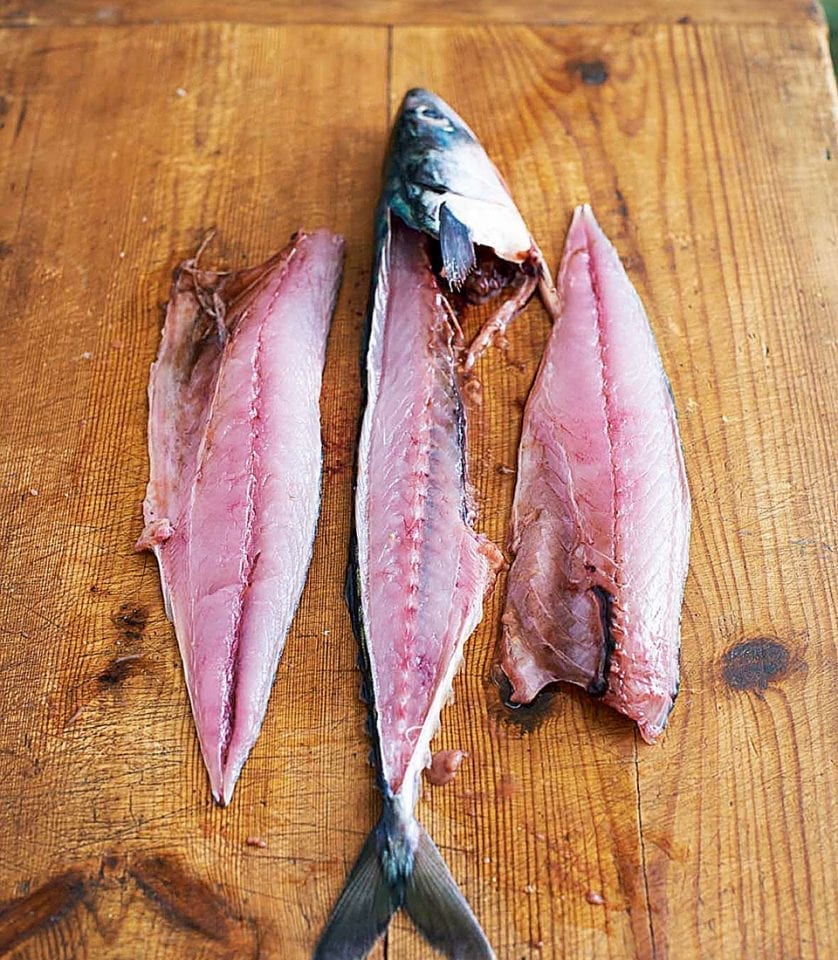
At its most basic, fish filleting is a precise butchering technique. A sharp knife is the primary tool, guided by an experienced hand to meticulously follow the contours of the fish. The goal is to extract the most desirable parts – the succulent flesh – while minimizing waste. This involves understanding the anatomy of different fish species, as the skeletal structure and muscle groups vary significantly.
Traditional Techniques and the Skill of the Filleter
Historically, fish filleting was a skill passed down through generations, honed through practice and observation. A skilled filleter could identify the natural lines within the fish, allowing them to make clean, efficient cuts. This involved:
- Scaling and Gutting: The initial preparation involves removing the scales and internal organs to ensure cleanliness and prepare the fish for filleting.
- Head and Tail Removal: The head and tail are typically severed first, creating a clean canvas for the main filleting process.
- The Long, Smooth Cut: The core of filleting involves running a sharp knife along the backbone, from the head towards the tail, to separate one side of the fillet from the rib cage and spine. This is repeated on the other side.
- Removing the Ribs and Belly Flaps: After the main fillets are removed, the rib bones are often carefully cut away, and any excess belly fat or membrane is trimmed.
- Skinning (Optional): Depending on the desired outcome and the type of fish, the skin may be removed using a specialized filleting knife or a skinning machine. This requires a delicate touch to avoid removing too much flesh.
- Pin Bone Removal: The tiny, often irritating pin bones embedded within the fillet are a final hurdle. These are meticulously removed with tweezers or specialized pliers.
The efficiency and precision of a traditional filleter are remarkable. They can process a large number of fish quickly and effectively, producing fillets of consistent size and quality. This skill is invaluable, particularly in artisanal settings or for high-value species where waste minimization is paramount.
Modern Advancements in Filleting Technology
While the fundamental principles of fish filleting remain, technology has dramatically reshaped the industry. Automation and advanced machinery have introduced new levels of speed, consistency, and hygiene to large-scale operations.
- Automated Filleting Machines: These sophisticated machines are designed to handle large volumes of fish with remarkable accuracy. They use a combination of sensors, robotic arms, and specialized blades to perform tasks like deheading, gutting, filleting, and skinning. These machines can be programmed to handle different species and sizes, ensuring a uniform product.
- Water Jet Cutting: Emerging technologies are exploring the use of high-pressure water jets for precise cutting. This method can offer a non-contact, hygienic approach to filleting, potentially reducing damage to delicate fish flesh.
- Advanced Blade Technology: The knives and blades used in both manual and automated filleting are continuously improving. Materials like high-carbon stainless steel, advanced coatings, and innovative blade geometries contribute to sharper, more durable, and more efficient cutting.
- Vision Systems and AI Integration: Increasingly, vision systems coupled with Artificial Intelligence (AI) are being integrated into filleting lines. These systems can identify fish species, assess their size and shape, detect imperfections, and guide automated processes for optimal yield and quality. AI algorithms can learn and adapt to variations in fish, further enhancing efficiency.
- Hygiene and Sanitation Technologies: Beyond cutting, technology plays a crucial role in maintaining the highest standards of hygiene. Advanced cleaning-in-place (CIP) systems, antimicrobial coatings, and sterile packaging solutions are all critical components of modern fish processing.
These technological advancements not only increase output but also contribute to a more consistent product, which is vital for large-scale food supply chains. They also play a role in improving worker safety by automating some of the more repetitive and physically demanding tasks.
The Brand of the Fillet: Crafting Perception and Value
In today’s competitive marketplace, a superior fish fillet is only part of the equation for success. Effective branding transforms a raw product into a desirable commodity, influencing consumer choice and commanding premium prices. The “brand of the fillet” encompasses everything from its origin story to its presentation on the shelf.
Building a Compelling Brand Identity for Fish Products
A strong brand identity for fish products goes beyond a catchy logo. It communicates quality, sustainability, ethical sourcing, and even a sense of adventure.
- Origin and Traceability: Consumers are increasingly concerned about where their food comes from. Brands that can clearly communicate the origin of their fish – whether it’s wild-caught from specific regions or sustainably farmed – build trust and appeal. Traceability systems, often powered by blockchain technology, can provide verifiable proof of a fish’s journey from sea to plate.
- Sustainability and Ethical Sourcing: With growing awareness of ocean conservation, brands that champion sustainable fishing practices and ethical treatment of fish workers resonate deeply with conscious consumers. Certifications from organizations like the Marine Stewardship Council (MSC) or the Aquaculture Stewardship Council (ASC) act as powerful brand endorsements.
- Quality and Freshness: The brand promise must always deliver on exceptional quality and freshness. This is communicated through packaging that preserves freshness, clear labeling of product attributes (e.g., “sashimi-grade,” “hand-trimmed”), and consistent product experience.
- Culinary Inspiration and Convenience: Brands can also position themselves by offering culinary inspiration and convenience. This might involve suggesting recipes, providing pre-marinated or seasoned fillets, or offering individually portioned packs. The brand becomes synonymous with ease of preparation and delicious meals.
- Storytelling and Emotional Connection: The most successful brands often tell a story. This could be the story of a family-run fishing business, the dedication to a particular fishing method, or the journey of a specific species. These narratives create an emotional connection with consumers, making the brand more memorable and relatable.
Marketing and Design: The Visual Language of Fish
The visual presentation of fish products is a critical element of branding. Design and marketing efforts work in tandem to capture consumer attention and convey brand values.
- Packaging Design: This is the frontline of brand communication. Eye-catching, informative, and functional packaging is essential. This includes:
- Material: Choosing materials that maintain freshness, are environmentally friendly, and offer good shelf appeal.
- Color Palette: Colors that evoke freshness, nature, and quality. Blues, greens, and whites are often associated with seafood.
- Typography: Clear, legible fonts that convey professionalism and information.
- Imagery: High-quality photography of the fish or appealing culinary creations can be highly persuasive.
- Digital Marketing and Social Media: In the digital age, a strong online presence is non-negotiable. This includes:
- Website Design: A professional and user-friendly website that showcases the brand’s story, product range, and commitment to quality and sustainability.
- Social Media Engagement: Active engagement on platforms like Instagram, Facebook, and Pinterest with visually appealing content, recipes, and behind-the-scenes glimpses of the sourcing and preparation process.
- Influencer Marketing: Collaborating with food bloggers and chefs to promote products can reach new audiences and build credibility.
- Advertising Campaigns: Traditional advertising, whether print or video, needs to be strategic and targeted. Campaigns that highlight unique selling propositions, such as specific sourcing methods or superior taste profiles, can be highly effective.
- Point-of-Sale Materials: In-store displays, brochures, and shelf talkers play a vital role in influencing purchasing decisions at the final point of sale. These materials should be consistent with the overall brand messaging.
The Business of the Fillet: Finance, Income, and Growth
The fish filleting industry, from the smallest local market to international export, is deeply intertwined with financial considerations. Understanding personal finance, business finance, and leveraging financial tools are crucial for profitability and sustainable growth.
Financial Management for Fish Businesses
Whether you’re a sole proprietor filleting fish for local restaurants or part of a larger processing plant, sound financial management is the bedrock of success.
- Cost Analysis and Pricing Strategies: A thorough understanding of all costs associated with filleting is essential. This includes the cost of raw fish, labor (for manual filleting or operating machinery), energy, packaging, waste disposal, and overheads. Effective pricing strategies must account for these costs while remaining competitive in the market.
- Inventory Management: Managing inventory is critical to minimizing waste and ensuring product freshness. This involves forecasting demand, optimizing stock levels, and implementing systems for efficient stock rotation.
- Profitability and Margin Analysis: Regularly tracking profitability and analyzing profit margins for different fish species or product types helps identify areas of strength and weakness. This informs decisions about product development, marketing, and operational efficiency.
- Capital Investment and Financing: For businesses looking to scale, capital investment in new equipment (e.g., automated filleting machines), facility upgrades, or expansion requires careful financial planning. Securing appropriate financing through loans, investments, or grants is a significant undertaking.
- Risk Management: The fishing and food industries are subject to various risks, including fluctuating fish prices, regulatory changes, and unexpected operational disruptions. Implementing robust risk management strategies, including insurance and contingency planning, is vital.
Online Income and Side Hustles in the Fish Filleting Ecosystem
The digital revolution has opened new avenues for income generation within the fish filleting ecosystem, even for individuals.
- Direct-to-Consumer Sales: For skilled filleters or small-scale producers, setting up an online store or utilizing e-commerce platforms allows them to sell directly to consumers. This can bypass intermediaries and potentially increase profit margins. Apps and websites specializing in fresh seafood delivery are increasingly popular.
- Online Tutorials and Educational Content: Experienced filleters can monetize their expertise by creating and selling online courses or tutorials on fish filleting techniques. This taps into the growing demand for practical skills and culinary knowledge. Platforms like YouTube or dedicated online learning sites can be leveraged.
- Specialty Product Development: Identifying niche markets can lead to profitable side hustles. This could involve offering pre-portioned fillets for specific dietary needs, developing value-added products like smoked or marinated fish, or catering to gourmet markets.
- Consultancy Services: As a seasoned professional, offering consultancy services to aspiring fishmongers, restaurants, or food processing startups can be a lucrative income stream. This might involve advising on equipment selection, best practices, or business strategy.
- Affiliate Marketing: For those with a strong online presence in the culinary or food tech space, affiliate marketing for filleting knives, kitchen gadgets, or even sustainable seafood suppliers can generate passive income.

Financial Tools and Software for Success
Modern financial tools and software are indispensable for managing the financial complexities of the fish filleting business.
- Accounting Software: Cloud-based accounting software like QuickBooks, Xero, or Zoho Books simplifies bookkeeping, invoicing, expense tracking, and financial reporting, providing real-time insights into the business’s financial health.
- Inventory Management Software: Dedicated inventory management systems can automate stock tracking, alert users to low stock levels, and provide valuable data on product turnover and spoilage rates.
- Point-of-Sale (POS) Systems: For businesses with a retail component, POS systems streamline transactions, track sales data, and can often integrate with inventory management.
- Budgeting and Forecasting Tools: Spreadsheets or specialized financial planning software can assist in creating detailed budgets, forecasting future revenue and expenses, and modeling different financial scenarios.
- Payment Processing Platforms: Secure and efficient payment processing is crucial for both online and in-person sales. Platforms like Stripe, PayPal, or Square offer integrated solutions.
- Customer Relationship Management (CRM) Software: While not strictly financial, CRM systems can indirectly impact finances by improving customer retention and facilitating targeted marketing campaigns that drive sales.
In conclusion, the world of fish filleting, seemingly straightforward, is a dynamic interplay of tradition, innovation, and commerce. From the skilled hands of the filleter to the sophisticated algorithms of AI-powered processing, from the carefully crafted brand message on a package to the shrewd financial management that sustains a business, fish filleting is a testament to human ingenuity and the enduring appeal of one of nature’s most versatile resources. As technology continues to advance, branding strategies evolve, and financial literacy becomes more accessible, the future of fish filleting promises to be as rich and varied as the oceans from which our beloved fillets originate.
aViewFromTheCave is a participant in the Amazon Services LLC Associates Program, an affiliate advertising program designed to provide a means for sites to earn advertising fees by advertising and linking to Amazon.com. Amazon, the Amazon logo, AmazonSupply, and the AmazonSupply logo are trademarks of Amazon.com, Inc. or its affiliates. As an Amazon Associate we earn affiliate commissions from qualifying purchases.