
In the fast-paced digital landscape of today, customer service is no longer just a support function; it’s a crucial differentiator and a powerful engine for business growth. At the heart of effective customer service lies a key metric: First Call Resolution (FCR). Understanding and optimizing FCR is paramount for any organization aiming to build customer loyalty, enhance efficiency, and ultimately, boost its bottom line. But what exactly is First Call Resolution, and why is it so important in the context of today’s technology, branding, and financial considerations?
This article delves into the essence of FCR, exploring its significance across the diverse realms of tech, brand building, and financial performance. We’ll unpack its definition, explore the factors that contribute to its success, and highlight the tangible benefits it delivers, demonstrating how a focus on resolving customer issues on the first interaction can ripple positively through every facet of a business.
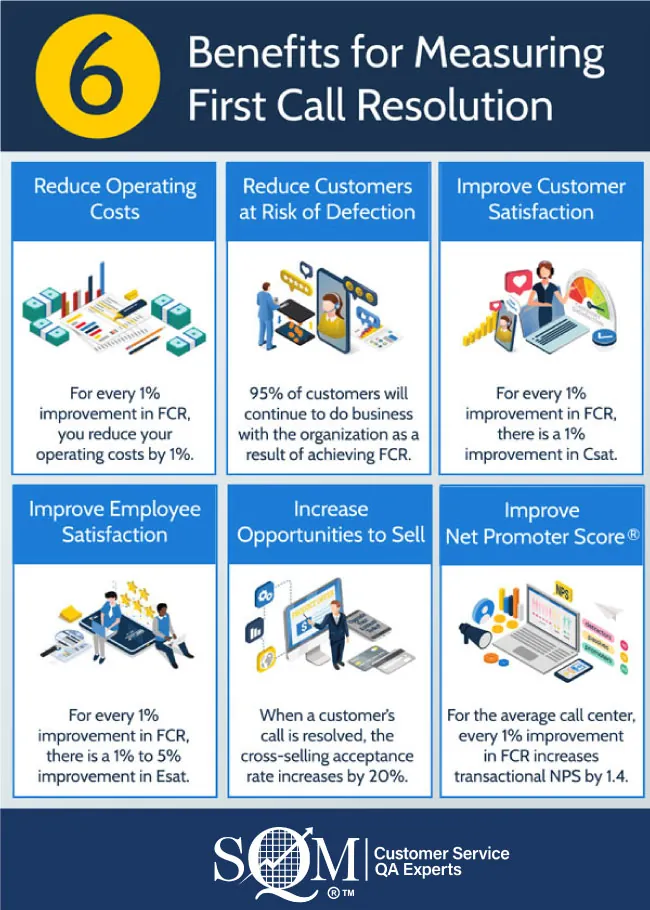
The Cornerstone of Customer Satisfaction: Defining First Call Resolution
At its most fundamental level, First Call Resolution (FCR) refers to the ability of a customer service representative (CSR) to fully resolve a customer’s inquiry, issue, or request during their initial contact, without the need for follow-up calls, emails, or escalations. This “first contact” can encompass various channels, including phone calls, live chat sessions, emails, or even social media interactions.
The core principle of FCR is efficiency and effectiveness from the customer’s perspective. It’s about empowering customers by providing them with the answers and solutions they seek in a timely and convenient manner. A high FCR rate signifies that the support system is robust, the agents are well-equipped, and the underlying processes are streamlined. Conversely, a low FCR rate often indicates systemic issues, customer frustration, and increased operational costs.
While the definition seems straightforward, achieving true FCR involves a nuanced understanding of what constitutes a “resolution.” It’s not merely about closing a ticket; it’s about ensuring the customer feels their problem has been addressed to their satisfaction. This can range from a simple information query to a complex technical troubleshooting scenario. The key is that the customer doesn’t have to re-explain their issue or undergo further steps to reach a conclusion.
What Constitutes a “Resolution”?
Defining what constitutes a “resolution” is critical for accurate FCR measurement. While generally understood as the complete satisfaction of the customer’s initial request, there can be subtle interpretations:
- Complete Problem Solved: The most direct interpretation. The customer’s issue is fully addressed, and no further action is required from either the customer or the support team.
- Information Provided: For informational queries, the provision of accurate and comprehensive information that satisfies the customer’s need for knowledge constitutes a resolution.
- Successful Transaction: If the initial contact was to complete a transaction (e.g., placing an order, making a payment), the successful completion of that transaction signifies resolution.
- Next Steps Clearly Defined: In some complex situations, a resolution might involve clearly outlining the next steps, assigning responsibility, and setting expectations for future actions. If the customer understands what will happen next and feels confident in the process, it can be considered resolved for that initial contact.
It’s important to establish clear internal guidelines for what constitutes a resolved interaction to ensure consistency in FCR tracking and analysis. This often involves agent self-reporting and quality assurance checks.
The Tech-Driven Ecosystem of First Call Resolution
In today’s technologically saturated world, the pursuit of First Call Resolution is intrinsically linked to the intelligent application of technology. The digital tools and platforms available to businesses today offer unprecedented opportunities to enhance customer interactions and empower support teams to achieve FCR more consistently.
Leveraging AI and Automation for Smarter Support
Artificial Intelligence (AI) and automation are rapidly transforming the customer service landscape, playing a pivotal role in boosting FCR rates.
AI-Powered Self-Service Options
One of the most impactful applications of AI is in the realm of self-service. Before a customer even reaches a live agent, AI-powered tools can provide immediate assistance, resolving a significant portion of common inquiries.
- Chatbots and Virtual Assistants: Sophisticated chatbots, powered by Natural Language Processing (NLP), can understand customer queries, access knowledge bases, and provide instant, accurate answers. They can guide customers through troubleshooting steps, answer FAQs, and even process simple requests, thereby deflecting a large volume of inquiries that would otherwise consume agent time. This proactive approach ensures that many issues are resolved before a human touch is even necessary, directly contributing to FCR for a subset of customer needs.
- Intelligent Knowledge Bases: AI can power dynamic and searchable knowledge bases that learn from customer interactions. This allows customers to find the information they need independently, reducing their reliance on direct support. When an agent does get involved, an AI-enhanced knowledge base can quickly surface relevant information, enabling them to provide faster and more accurate solutions.
- Predictive Analytics: AI can analyze customer data and predict potential issues before they arise. By proactively reaching out to customers with solutions or guidance, businesses can prevent problems from escalating, effectively achieving FCR by averting the need for a support call altogether.
Automation in Workflow and Routing
Beyond direct customer interaction, AI and automation can streamline internal support processes, indirectly impacting FCR.
- Intelligent Ticket Routing: When an issue does require human intervention, AI can analyze the customer’s query and automatically route it to the most qualified agent or department. This reduces transfer times and ensures the customer is speaking to the right person from the outset, significantly increasing the likelihood of FCR.
- Automated Task Execution: Routine tasks, such as password resets, account updates, or order status checks, can be fully automated. This frees up agents to focus on more complex issues that require human empathy and problem-solving skills, thus improving their capacity to achieve FCR on those more intricate problems.
Empowering Agents with Advanced Tools
While AI and automation can handle many inquiries, the human element remains crucial for complex or nuanced customer issues. Technology also plays a vital role in equipping human agents with the tools they need to excel.
CRM and Integrated Data Platforms
A robust Customer Relationship Management (CRM) system is fundamental to FCR. When a customer contacts support, the agent should have immediate access to their entire history: past interactions, purchase history, previous issues, and any relevant personal preferences.
- 360-Degree Customer View: An integrated CRM provides a holistic view of the customer, allowing agents to understand the context of the current issue without asking repetitive questions. This not only saves time but also makes the customer feel valued and understood, fostering a more positive interaction.
- Seamless Information Access: Beyond CRM, integrated platforms can connect agents to all necessary internal systems and databases. This ensures they can quickly retrieve product information, service manuals, order details, or billing records without leaving their primary interface.
Real-Time Assistance and Collaboration Tools

Modern technology provides agents with real-time support and collaboration capabilities.
- Co-browsing and Screen Sharing: For technical issues, co-browsing and screen sharing tools allow agents to virtually guide customers through complex interfaces or diagnose problems directly on their screen. This visual assistance can dramatically accelerate problem-solving and ensure FCR.
- Internal Chat and Knowledge Sharing: Agents can leverage internal chat platforms to quickly consult with colleagues or subject matter experts when facing an unfamiliar problem. This collaborative approach ensures that even complex issues can be resolved efficiently, fostering a culture of shared knowledge that directly contributes to FCR.
- AI-Assisted Agent Guidance: Emerging AI tools can provide real-time suggestions and prompts to agents during a customer interaction, guiding them toward the most effective resolution steps or relevant knowledge base articles.
By strategically implementing these technological solutions, businesses can create a support ecosystem that is both efficient and effective, significantly increasing their chances of achieving high First Call Resolution rates.
The Brand Imperative: FCR as a Reputation Builder
In the competitive marketplace, a strong brand is built on consistent positive customer experiences. First Call Resolution isn’t just about operational efficiency; it’s a powerful driver of brand perception, loyalty, and ultimately, reputation.
The Direct Link Between FCR and Customer Loyalty
Customers who have their issues resolved quickly and effectively on the first contact are far more likely to remain loyal to a brand.
- Reduced Frustration, Increased Trust: Repeatedly contacting support, explaining the same problem, and being transferred multiple times is a recipe for customer frustration. Conversely, a seamless, first-contact resolution experience instills confidence and trust in the brand’s ability to deliver on its promises. This positive emotional connection is the bedrock of loyalty.
- Positive Word-of-Mouth: Satisfied customers become brand advocates. They are more inclined to share their positive experiences with friends, family, and online communities. High FCR rates generate positive word-of-mouth marketing, which is invaluable and far more credible than traditional advertising.
FCR’s Impact on Brand Perception and Reputation
The way a company handles customer service directly shapes its public image.
- Perceived Competence and Reliability: A brand that consistently resolves issues on the first call is perceived as competent, reliable, and customer-centric. This perception extends beyond the support department and influences overall brand reputation.
- Competitive Advantage: In industries where products or services are similar, superior customer service, driven by high FCR, can become a significant competitive differentiator. Customers will gravitate towards brands that offer a smoother, more hassle-free experience.
- Mitigating Negative Experiences: While no business can eliminate all issues, a strong FCR strategy helps mitigate the negative impact of inevitable problems. When a customer encounters a rare issue, a swift and successful resolution can often turn a potentially negative situation into a positive reinforcement of the brand’s commitment to its customers.
- Brand Storytelling: Successful FCR can become part of a brand’s narrative. Case studies highlighting how the company went above and beyond to resolve a complex issue on the first try can be powerful marketing tools, showcasing the brand’s dedication to customer satisfaction.
Personal Branding and the Agent’s Role
While the focus is often on the company, the individual customer service representative plays a crucial role in delivering FCR, and their ability to do so contributes to their own professional brand and the brand of their employer.
- Empowered Agents, Empowered Brand: When agents are well-trained, equipped with the right tools, and empowered to make decisions, they are more likely to achieve FCR. This empowerment not only benefits the customer but also fosters a more engaged and capable workforce, which reflects positively on the overall brand.
- Professionalism and Empathy: The human touch is still vital. Agents who demonstrate professionalism, empathy, and excellent communication skills can turn a potentially difficult interaction into a positive one, further solidifying the brand’s reputation. Their individual ability to achieve FCR contributes to their reputation as a skilled and valuable employee.
By prioritizing and investing in First Call Resolution, businesses are not just improving their support metrics; they are actively investing in their brand’s reputation, fostering deeper customer relationships, and building a foundation for long-term success.
The Financial Implications of First Call Resolution
The pursuit of First Call Resolution is not merely a customer service ideal; it has profound and measurable financial implications for businesses of all sizes. Optimizing FCR can lead to significant cost savings, increased revenue, and improved overall financial health.
Cost Reduction Through Efficiency
One of the most direct financial benefits of high FCR is the reduction in operational costs.
- Reduced Agent Time Per Issue: When issues are resolved on the first contact, it eliminates the need for follow-up calls, emails, or escalations. This means agents spend less time on each customer interaction, allowing them to handle a higher volume of inquiries within the same timeframe.
- Lower Repeat Contact Costs: Each customer contact incurs costs, including agent salary, call center infrastructure, and technology. By resolving issues upfront, businesses significantly reduce the number of repeat contacts, thereby lowering overall support expenses.
- Decreased Escalation Expenses: Escalating a call to a higher tier of support or a specialized department often involves more experienced (and thus more expensive) personnel. A high FCR rate minimizes these escalations, keeping costs down.
- Minimized Churn and Associated Costs: Customer churn is expensive. Acquiring new customers is significantly more costly than retaining existing ones. By improving customer satisfaction through FCR, businesses reduce churn, saving on customer acquisition costs and retaining valuable revenue streams.
Revenue Generation and Growth Opportunities
Beyond cost savings, FCR can directly contribute to revenue generation and business growth.
- Increased Customer Lifetime Value (CLTV): Loyal customers, fostered by positive FCR experiences, tend to spend more over their lifetime with a company. They are more likely to make repeat purchases, upgrade their services, and be less price-sensitive. This directly boosts CLTV.
- Upselling and Cross-selling Opportunities: When a customer is happy and trusts the brand due to effective first-contact resolution, they are more receptive to suggestions for additional products or services. Agents who have successfully resolved an initial issue can often seamlessly introduce relevant upsell or cross-sell opportunities, driving incremental revenue.
- Enhanced Brand Reputation and Lead Generation: As discussed, a strong reputation built on excellent customer service can attract new customers. Positive reviews and word-of-mouth referrals stemming from high FCR can act as a powerful, organic lead generation mechanism, reducing marketing spend.
- Improved Employee Productivity and Morale: While not a direct revenue stream, the positive financial impact of increased employee productivity and morale should not be underestimated. Agents who are successful and feel empowered are more engaged, leading to better customer interactions and ultimately, better business outcomes.

Financial Tools and Metrics for FCR Success
To effectively manage and improve FCR from a financial perspective, businesses need to leverage appropriate financial tools and closely monitor key metrics.
- Cost Per Contact Analysis: Regularly analyzing the cost associated with each customer contact across different channels provides a baseline for understanding the financial impact of FCR. A decrease in cost per contact is a direct indicator of FCR improvement.
- Customer Lifetime Value (CLTV) Tracking: Implementing systems to track CLTV allows businesses to quantify the long-term financial benefits of customer retention, which is heavily influenced by FCR.
- Return on Investment (ROI) of Support Technology: When investing in new technologies to improve FCR, it’s crucial to track the ROI. This includes measuring cost savings and revenue increases against the investment in software, training, and infrastructure.
- Key Performance Indicators (KPIs) for Financial Health: Alongside FCR itself, monitoring KPIs such as customer acquisition cost (CAC), customer churn rate, and average revenue per user (ARPU) can provide a comprehensive view of how FCR contributes to the overall financial health of the business.
In conclusion, the pursuit of First Call Resolution is a strategically sound business decision. By focusing on resolving customer issues efficiently and effectively on the first interaction, companies can unlock significant financial benefits, ranging from substantial cost reductions to increased revenue and a stronger, more sustainable financial future. It’s an investment that pays dividends across all aspects of the business.
aViewFromTheCave is a participant in the Amazon Services LLC Associates Program, an affiliate advertising program designed to provide a means for sites to earn advertising fees by advertising and linking to Amazon.com. Amazon, the Amazon logo, AmazonSupply, and the AmazonSupply logo are trademarks of Amazon.com, Inc. or its affiliates. As an Amazon Associate we earn affiliate commissions from qualifying purchases.